 Wynwood Domino Set Gift Browsing Walk: Acrylic Designs
Hidden Gems & Odd Finds

Miami Artisan Pottery Gallery: Gift Hunt With Clear Filters
Plan a Miami artisan pottery gallery gift hunt with clear filters for use, size, care, and travel so browsing becomes a decision instead of a guess.
A Miami pottery gift hunt becomes manageable when the recipient is more specific than the word gift. Decide whether the object should serve coffee, flowers, a desk, or a shelf, then add size, care, and carrying limits. Use Karpo APP to describe those filters and the time you have for browsing. The app can shape a discovery conversation around your mood and schedule; the venue still supplies the object details. Keep your notes divided between what you see, what a seller states, and what you still need to ask. That division lets a thoughtful purchase emerge without turning a beautiful display into an unsupported promise.
Define the Gift Before Browsing
A Miami pottery gallery gift hunt works better when the recipient and the use come first. Decide whether the piece should serve coffee, flowers, a desk, a shelf, or a purely visual role. Add a rough size limit and whether the person travels often. These filters keep a beautiful but impractical object from becoming a stressful purchase. You can still browse freely, but every candidate has to answer the same basic question: where would this live and why?
Ask Karpo APP for a Shopping Brief
Tell Karpo APP that you want a Miami ceramics outing for a considered gift, not a generic list of craft shops. Include your starting neighborhood, available hours, carrying limits, and whether you want to combine viewing with a calm walk. Karpo’s public language supports mood and schedule planning. It does not establish gift wrapping, stock, prices, shipping, returns, or a seller’s current policies, so keep those as questions for the venue itself.
Use the First Circuit to Learn the Range
On entering a gallery or shop, make one pass without choosing. Notice the range of scale, the balance between functional and sculptural pieces, and where prices or dimensions are presented if the seller provides them. Do not infer a price from size or finish. If a detail is absent, write a question instead of filling it with an estimate. The first circuit is about learning the room’s vocabulary so your shortlist is coherent.
Measure Use, Not Just Beauty
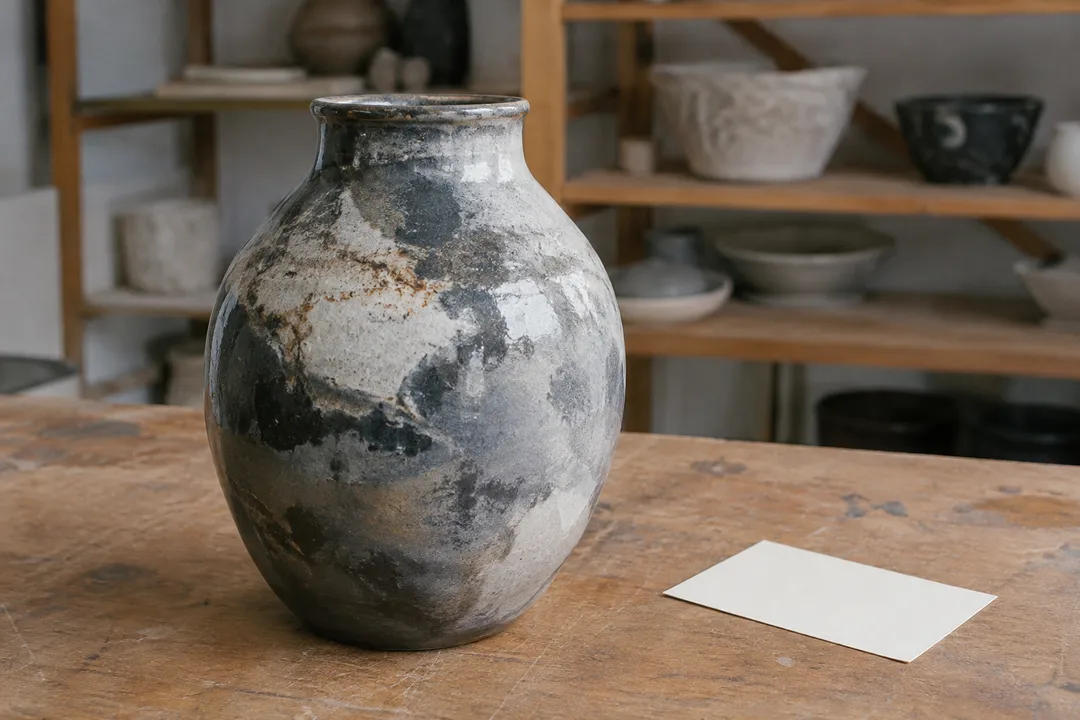
For each candidate, imagine the actual action it must support: a hand lifting a cup, stems resting in a vessel, or a small object sitting safely on a desk. Look for openings, bases, edges, and surfaces that matter to that use. Avoid claiming a piece is food-safe, dishwasher-safe, or weatherproof unless the seller says so. Portability is also concrete: note weight, wrapping, handles, and whether you can carry it without damaging neighboring work.
Make a Four-Filter Shortlist
Use four filters in your notes: recipient fit, physical size, care information, and travel practicality. A candidate that fails one can stay as inspiration, but it should not remain in the purchase column. This keeps sentiment from turning into a vague maybe. If a gallery offers a written care card or artist note, retain it with the item’s name. Those details will matter more than a photograph once the gift leaves the room.
Compare Similar Forms Honestly
When two pieces seem interchangeable, compare one concrete feature at a time: opening width, base footprint, handle position, or surface texture. Ask which difference matches the recipient’s habits. Do not decide that a more irregular object is more handmade or more meaningful. The maker’s process and the object’s price require direct information. Your job as a shopper is to choose a fit you can explain, not to invent a hierarchy of authenticity.
Read the Seller’s Language Carefully
Labels, cards, and shop pages may describe a piece’s material, maker, or care. Keep those words intact in your notes and separate them from your own impression. ‘Decorative’ is not a promise that a vase holds water; ‘handmade’ does not answer whether it can travel safely. Ask concise questions at the counter. A clear answer protects the buyer and shows respect for the artist’s actual terms.
Plan for the Human Traffic
Weekend browsing can bottleneck at the checkout, narrow shelves, or a popular display. Keep your shortlist to three candidates, step aside while others pass, and return to the strongest two. If the shop is busy, a short note about dimensions and use is more valuable than a rushed decision. You can also leave without buying. A gift hunt is successful when the filters become clearer, even if the right object is not available that day.
Walk Off the Decision
Take a short Miami neighborhood walk before paying. Explain the two finalists to your companion or write one sentence about each: who it suits, how it will be used, and what information is still missing. If weather or carrying limits change, tell Karpo APP and request a shorter nearby plan. Do not add a second shop simply to force a purchase. Distance can reveal whether your excitement survives outside the display room.
Choose the Gift With Evidence
When you return, make the final decision from the notes you actually have. Keep the seller’s care and packing instructions with the object, and label your own aesthetic reaction separately. If no piece meets the filters, save the visual qualities you liked and make a new request later. A gallery can inspire a gift without being obligated to provide a perfect match. The careful outcome is a choice you can explain to the recipient.
Practical Notes for a Gift Loop
Include recipient, use, size, care, budget, and carrying limits in the Karpo APP request. Bring a tote only if the venue permits it, and leave room for protective packaging. Never touch an unmarked work without invitation. Record maker names and object titles beside the questions they answer. Finish with one next step: buy, ask a specific follow-up, or postpone while you refine the brief. Add a decision checkpoint before you leave the shopping area. Put the recipient’s use, the object’s scale, the care information, and the carrying plan in four short lines. If one line is blank, the piece belongs in the question column rather than the purchase column. This method leaves room for delight while keeping the transaction honest. It also gives a companion a useful way to help without choosing for you. A later Karpo APP request can focus on the unanswered filter instead of repeating the entire browse.
Ask Karpo for more information.
Keep reading
- Wynwood Domino Set Gift Browsing Walk: Acrylic Designs
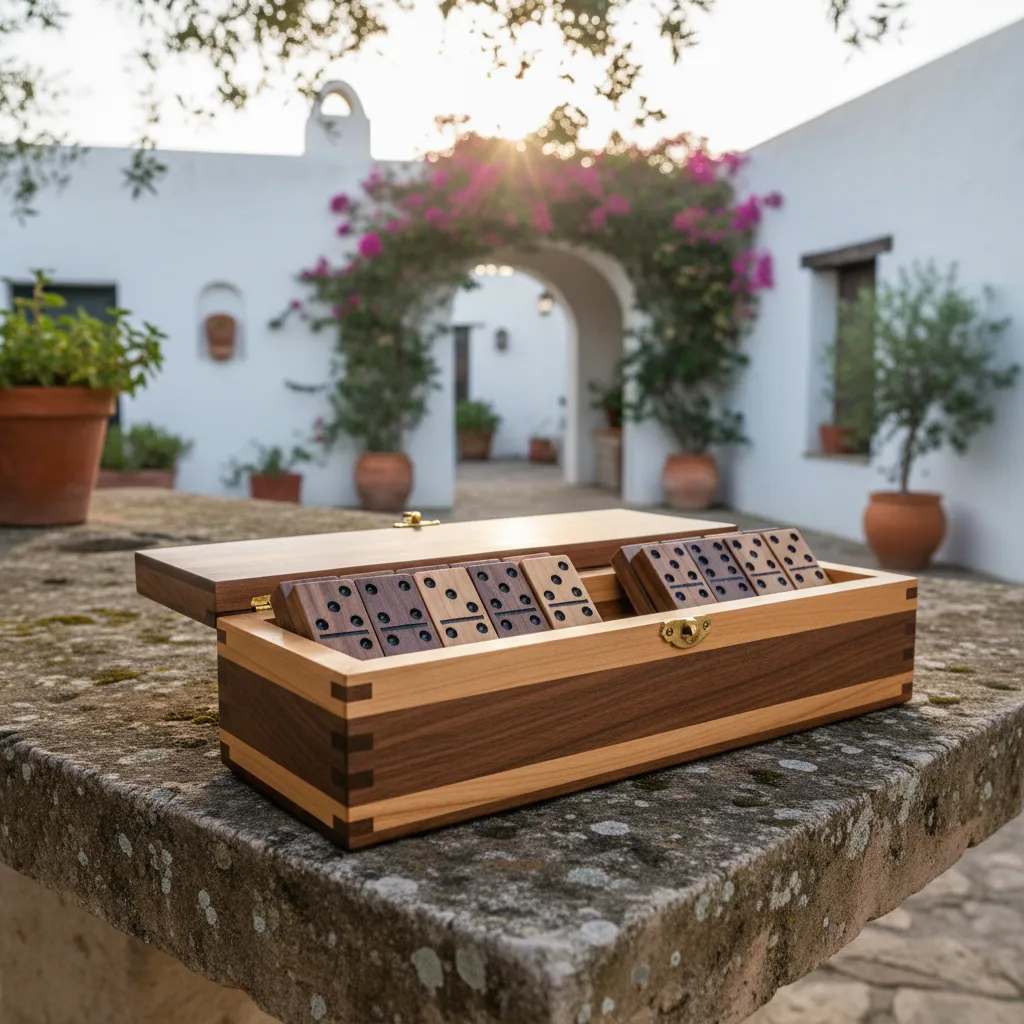 Coral Gables Domino Set Gift Browsing Walk: Wood Sets
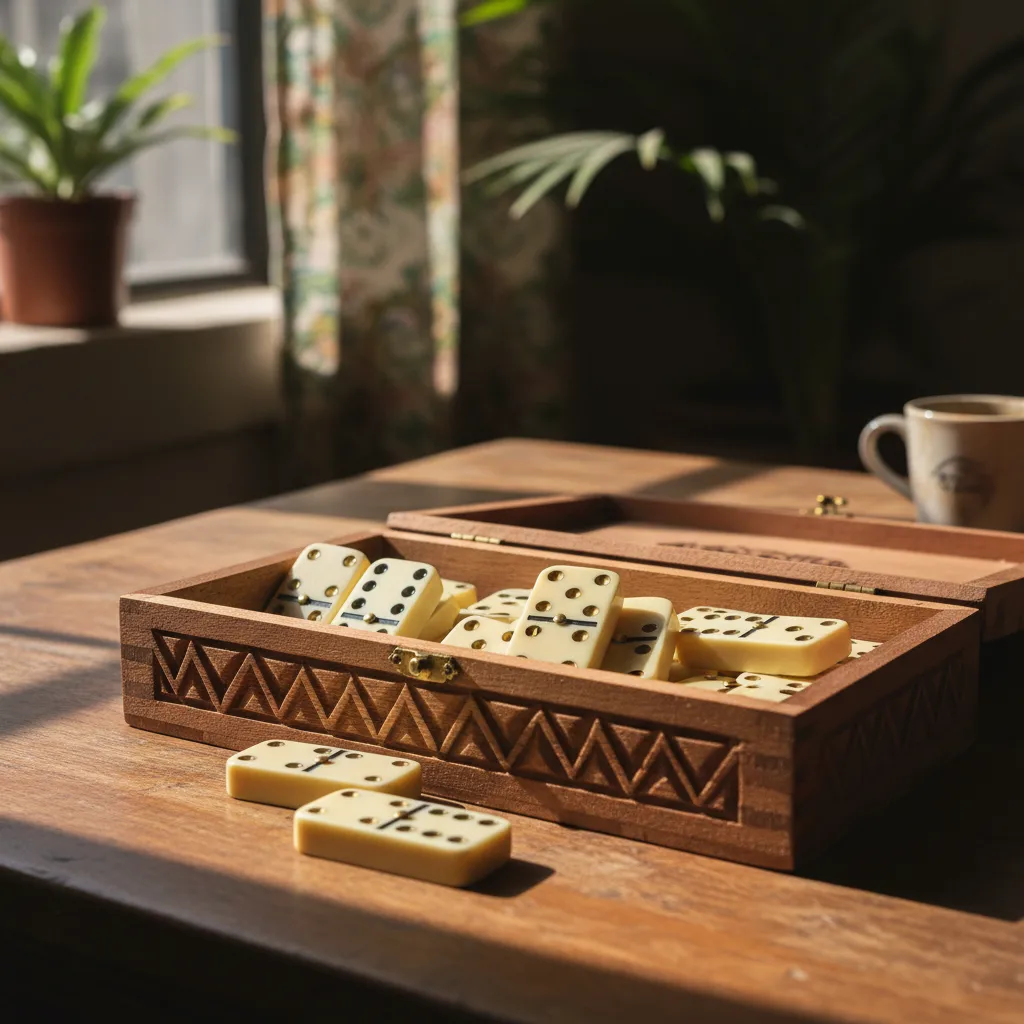 Little Havana Domino Set Gift Browsing Walk: Clay Tiles