 Wynwood Domino Set Gift Browsing Walk: Acrylic Designs
Hidden Gems & Odd Finds
Miami Architectural Salvage Yard: Wynwood Art Finds
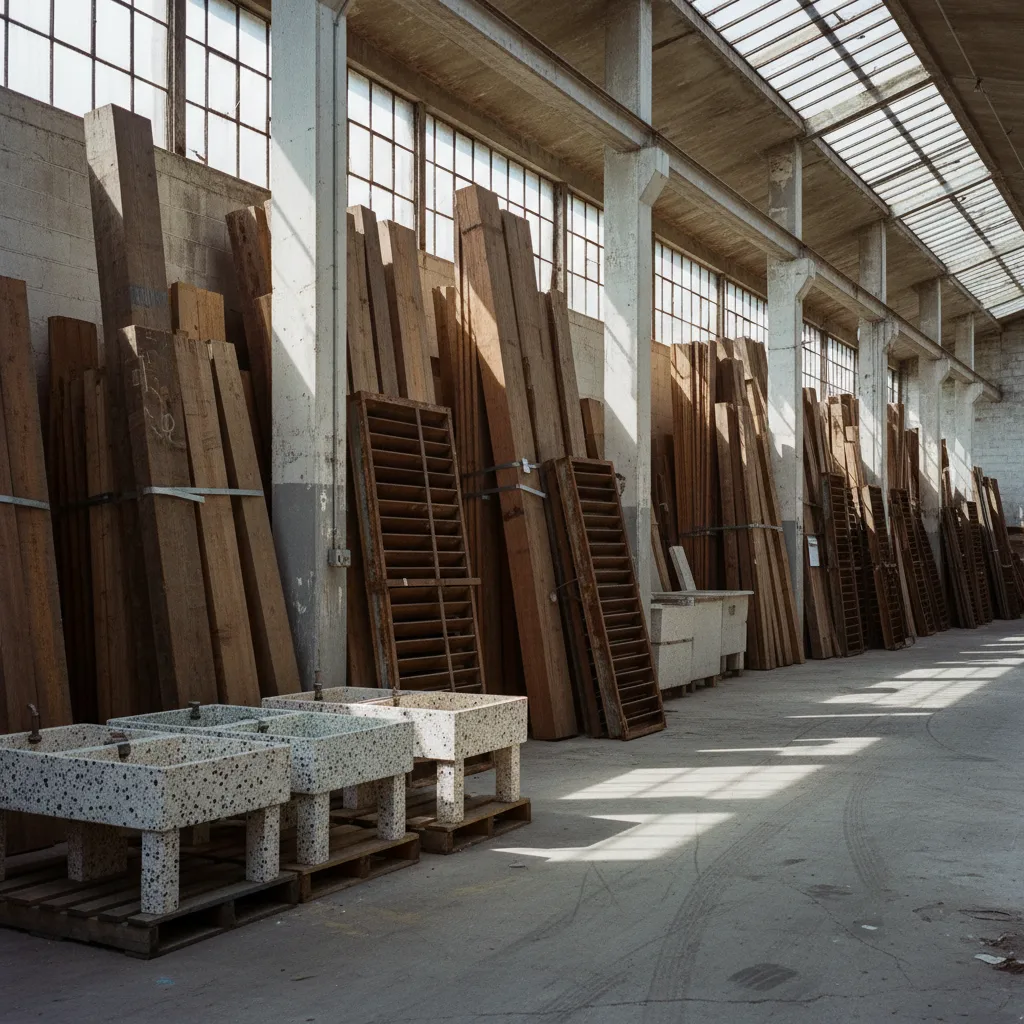
Source industrial architectural salvage yard materials across Wynwood, from mid-century bakery timbers to heavy warehouse steel ventilation louvers.
Miami's Wynwood district represents an extraordinary transformation from mid-twentieth-century industrial garment and warehousing hub into a world-renowned capital of street art and creative design, making an architectural salvage yard search here a dynamic urban adventure. Developed in the nineteen twenties and thirties around railway corridors, Wynwood housed industrial garment factories, wholesale bakeries, and cold storage logistics warehouses constructed with dense tropical timbers, poured concrete, and heavy steel framing. As these historic industrial blocks are adapted into vibrant art galleries, design studios, and contemporary loft residences, specialized architectural salvage yard warehouses recover magnificent structural timbers, industrial ventilation louvers, heavy sliding warehouse doors, and rugged poured terrazzo utility basins. For builders and designers seeking authentic industrial materials with tropical resilience and unmistakable character, Wynwood is an exceptional source.

The primary treasure of any South Florida architectural salvage yard is genuine Dade County pine (Pinus elliottii var. densa). Harvested from primary slash pine forests that once covered southern Florida, Dade County pine is legendary for its extreme resin density, extraordinary hardness, and natural resistance to termites and rot. When mid-century garment warehouses along NW 2nd Avenue undergo structural adaptations, salvage crews reclaim massive structural posts, roof purlins, and wide subfloor planks that have remained dry and protected for over eighty years. At the architectural salvage yard, these timbers reveal a dense, dark amber heartwood that is so hard it frequently blunts standard steel saw blades. Contemporary architects and furniture makers mill these historic pines into gorgeous dining tables, open ceiling rafters, and wide-plank residential flooring.
Dense Dade County Pine and Industrial Warehouse Girders
Industrial steel ventilation louvers and heavy multi-pane factory windows represent another signature specialty of Wynwood salvage collections. Before the widespread adoption of modern electrical air conditioning in South Florida, industrial warehouses relied on oversized steel louvers and pivoting industrial sashes to exhaust tropical heat and draw in cross-ventilating breezes from Biscayne Bay. Salvaged from historic baking and textile complexes, these rugged steel assemblies feature heavy riveted blades and cast-bronze quadrant levers. When stripped of industrial grime and finished with protective matte clear coats, these architectural salvage yard louvers make dramatic architectural sunscreens, privacy dividers for outdoor showers, and industrial wall sculptures in contemporary homes.
Poured concrete and terrazzo utility sinks also draw dedicated designers to the Wynwood architectural salvage yard circuit. Industrial garment factories and textile dye facilities utilized deep double-basin sinks cast from crushed granite, river pebble, and white Portland cement to withstand heavy chemical and water exposure. An authentic architectural salvage yard typically preserves these massive utility basins, complete with original heavy brass drain strainers and wall-mounting iron brackets. Restored and installed in modern residential laundry rooms, mudrooms, or outdoor garden potting stations, these durable basins provide sculptural industrial presence and functional permanence that modern fiberglass sinks cannot match.
Industrial Steel Louvers and Poured Terrazzo Sinks
Inspecting industrial salvage at an architectural salvage yard requires practical safety equipment and technical scrutiny. Given the colossal dimensions and heavy weight of warehouse components, visitors should wear steel-toed work boots, thick canvas work gloves, and carry a twenty-five-foot locking tape measure and a high-lumen pocket flashlight. When evaluating Dade County pine beams, inspect the timber for embedded lag bolts or iron spikes from original construction framing. Use a moisture meter to verify that interior moisture content remains below twelve percent, ensuring that the wood will not experience significant shrinkage or dimensional movement when installed in modern air-conditioned interiors.
For industrial steel louvers and warehouse sliding door hardware, inspect the moving pivot pins and wheel bearings for excessive play. Look for original maker stamps like Lupton, Mesker Brothers, or local Miami metal fabricators. Ensure that heavy cast-iron track rollers spin freely along their axles and that structural mounting brackets remain square and uncracked. Applying a protective coat of boiled linseed oil or penetrating metal wax shields reclaimed steel from coastal humidity while enhancing its dark, historic patina.
Inspection Methods for Mid-Century Industrial Artifacts
Immersing yourself in the surrounding streetscapes of Wynwood provides immediate visual context for your salvage discoveries. A walking circuit along NW 2nd Avenue and NW 5th Avenue reveals warehouse buildings adorned with monumental street art murals, standing proudly beside historic concrete loading docks and corrugated metal clerestory roofs. Notice the cantilevered industrial steel canopies, the heavy diamond-plate loading ramps, and the original industrial steel sash windows framing bustling creative workshops and galleries. Observing how contemporary artists and architects have embraced these rugged industrial structures inspires innovative ways to incorporate salvaged warehouse artifacts into your own domestic and creative spaces.
Throughout Wynwood, former garment factories have found new life as vibrant contemporary galleries, artisanal coffee roasteries, and craft beverage taprooms that proudly feature architectural salvage yard elements. Seeing massive Dade County pine beams repurposed as communal dining counters or industrial sliding gates serving as patio partitions provides practical design blueprints for integrating historic manufacturing elements into modern interior living.
Exploring the Industrial and Artistic Evolution of Wynwood
Transporting heavy industrial timbers and massive terrazzo sinks from a Wynwood architectural salvage yard requires dedicated cargo equipment. Heavy timbers and concrete utility basins often weigh hundreds of pounds and require open-bed pickup trucks or flatbed trailers equipped with cargo padding. Always secure timber bundles firmly against truck bulkheads using heavy-duty ratcheting straps equipped with protective corner pads to prevent cargo shifting during transport along city highways.
For industrial enamel pendant lights, brass warehouse valves, and decorative steel hardware, pack components securely into heavy-duty plastic storage totes cushioned with moving blankets. Keep antique mounting bolts, brackets, and hardware organized in labeled canvas pouches alongside each fixture, streamlining installation when your electricians and contractors begin work on site.
Heavy-Duty Cargo Logistics and Material Handling
Karpo APP serves as your essential digital companion during your Wynwood architectural salvage yard expedition. Use Karpo APP to catalog beam dimensions, store salvage item reference photos, and map optimal walking routes between historic warehouses and art murals. The app makes it effortless to discover nearby artisanal coffee roasters, craft bakeries, and quiet shaded courtyards for refreshing midday pauses. With comprehensive mobile organization, Karpo APP ensures your industrial salvage sourcing quest is efficient, productive, and thoroughly enjoyable.
Reclaiming and restoring the industrial materials of Wynwood honors Miami's dynamic commercial and working-class heritage. Every dense Dade County pine beam, steel ventilation louver, and poured terrazzo basin carries forward the resilient spirit of the city's builders. By welcoming these storied artifacts into your home or studio, you create spaces rooted in authentic urban history and industrial durability.
Ask Karpo for more information.
Keep reading
- Wynwood Domino Set Gift Browsing Walk: Acrylic Designs
 Coral Gables Domino Set Gift Browsing Walk: Wood Sets
 Little Havana Domino Set Gift Browsing Walk: Clay Tiles