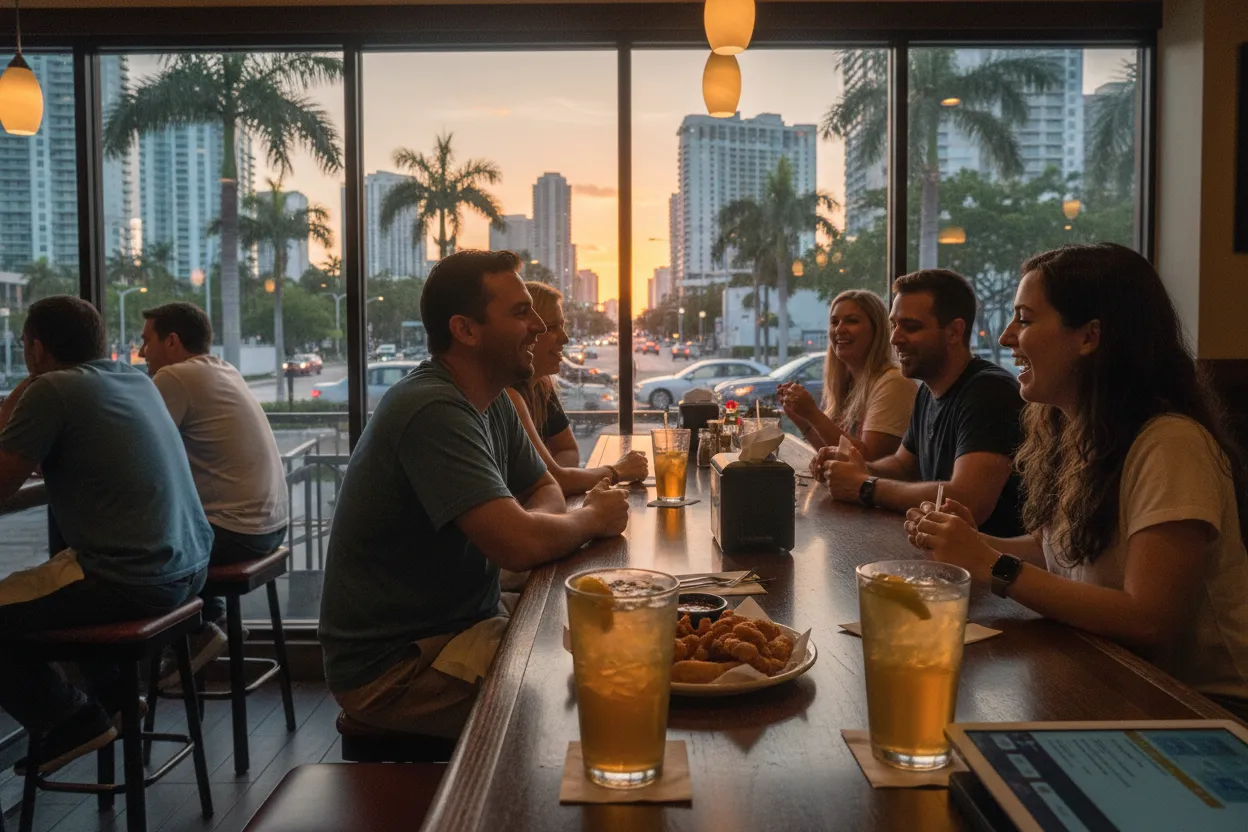
Searching for applebee's miami usually means one thing: you are trying to solve dinner without turning it into a project. Maybe the group wants familiar entrées, shareable appetizers, a casual table, and a place where nobody has to dress up or study a chef-driven menu. In Miami, that simple plan still needs a verification step. Greater Miami & Miami Beach is spread across distinct cities and neighborhoods, and the official tourism site frames the destination around beaches, culture, arts, events, and a deep culinary scene. That variety is useful, but it also means a brand search is not enough. Before you promise the group a location, confirm the exact restaurant page, travel route, and current dining options.
Want a faster way to sanity-check the plan? Text Karpo with your neighborhood, group size, timing window, and whether you need dine-in, pickup, delivery, transit access, or a backup nearby.

Choose The Meal Job First
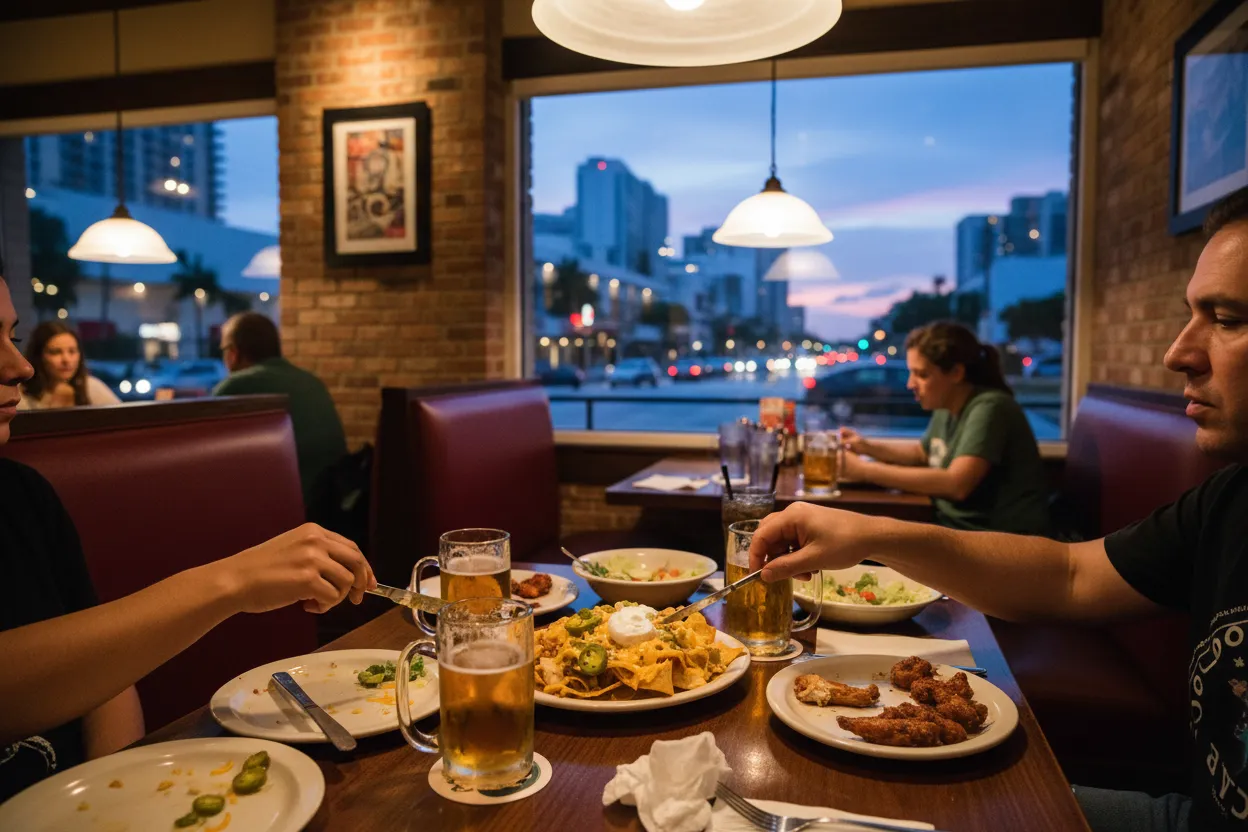
Start with the job the meal needs to do. A casual group dinner is different from a quick pickup order, a birthday hangout, a pre-event meal, or a late meal after the beach. If the group is searching for Applebee’s, the real goal may be familiar American casual dining: appetizers to split, entrées that do not require explanation, and a setting where mixed tastes can coexist. Write that down before choosing the place, because it gives you a clear standard for comparing options.
For a Miami Applebee's Guide for Casual Group Dinner Plans, the best first question is not “Is there one nearby?” It is “What would make this dinner easy for everyone?” Confirm whether the group needs public dining space, takeout, delivery through an official or authorized channel, wheelchair-accessible routing, or a simple meet-up point. Do not assume hours, seating, wait times, online ordering, delivery range, specials, or menu availability. Those are exactly the details to verify on the current restaurant or ordering page before anyone leaves.
Use Neighborhood Fit As The Shortcut
Miami is not one compact dinner zone. The official Greater Miami & Miami Beach site highlights cities and neighborhoods with different types of energy, from coastal areas to cultural districts and downtown experiences. That matters for a chain-dining plan because the easiest restaurant on a map may not be the easiest restaurant for the whole group. A friend in Miami Beach, someone near Downtown, and someone coming from farther inland may all read “Miami” differently.
Use neighborhood fit as the shortcut. Pick the gathering area first, then verify whether the Applebee’s option you found is actually practical from that area. If the plan depends on public transportation, Miami-Dade Transit’s official site offers a trip planner, service updates, transit tracker, and mobile app tools. Check those before committing, because transit conditions and service details can change. If the plan depends on driving, do not promise parking or travel time unless the official destination or venue information supports it.
Separate Brand Search From Local Proof
A brand search can be useful, but it is not local proof. Search results, map snippets, delivery platforms, and older articles can lag behind current restaurant operations. In the source material available here, one delivery-brand page showed only a security verification screen, not usable restaurant details. That is a good reminder: if a page does not clearly show current location information, menu access, ordering status, fees, delivery area, pickup availability, or hours, treat it as unresolved.
For Applebee’s Miami planning, look for the page that directly controls the action you want to take. If you want dine-in, verify the restaurant’s official location details and any current dining information. If you want pickup or delivery, verify the ordering platform you will actually use and review the final checkout details before paying. If you are coordinating several people, send the confirmed link, not a screenshot from a search result. Screenshots age quickly; current pages are easier for the group to re-check.
Build A Backup That Solves The Same Craving
A good backup is not just “somewhere else.” It should solve the same craving and the same logistics. If the group wanted Applebee’s because it feels casual, familiar, and low-pressure, the backup should also be casual and group-friendly. Miami’s official visitor site emphasizes a rich culinary scene, along with arts, culture, beaches, sports, attractions, and events. That breadth is helpful, but it can also send the group down a rabbit hole if you do not define the replacement meal clearly.
During August, the official visitor site lists Miami Spice as running August through September and describes specially priced three-course meals at top eateries for lunch, brunch, and dinner. That can be a useful backup category for a group that is open to a more Miami-specific dinner, but verify participating restaurants, dates, menus, booking requirements, and availability on official pages before relying on it. The goal is not to find the trendiest table; it is to keep the night moving if the first casual chain option does not work.
Check The Details That Change Fast
The details most likely to ruin the plan are also the ones people most often assume: hours, current menu items, online ordering status, delivery coverage, wait time, group seating, payment rules, promotions, and whether a specific location is operating normally. Do not build the night around any of those unless you have checked the current official page or the final ordering flow. If you are sharing the plan, include the time you checked it so friends know whether they need to re-confirm.
Transportation details deserve the same caution. Miami-Dade Transit’s official site points riders to service updates, rider alerts, route planning, real-time bus and train tracking, and elevator or escalator status. It also notes that the GO Miami-Dade Transit mobile app can help riders plan trips, track rides, and purchase a mobile pass. Before a group dinner, verify the route, transfer points, station access, and any alerts on the official transit tools. A casual dinner should not become a missed connection because the route was guessed.

Make It Easy To Act
Once you have verified the basics, package the plan so nobody has to interpret it. Send one message with the restaurant link, neighborhood, meet-up time, transportation option, and backup. If ordering ahead, send the official ordering link and remind people not to assume prices, item availability, or delivery timing until they see the current checkout screen. If dining in, remind the group to check current hours and any location-specific information before traveling.
Keep the tone practical. “Here is the confirmed page; please re-check before you leave” is better than “We are all set” when the details can change. Miami gives groups plenty of ways to turn a simple meal into a bigger evening, from beaches and arts districts to sports and visitor events, but the dinner itself should stay simple. Decide the meal job, verify the local proof, share the current link, and keep one backup that satisfies the same casual-dining craving.
Tags: #AskKarpo #BeforeYouGo #Miami #MiamiRestaurants #ApplebeesMiami #CasualDining #GroupDinner #DinnerPlans #MiamiFood #MiamiDining #VisitMiami #MiamiDadeTransit #RestaurantGuide #LocalPlanning
Sources consulted: applebee's · Visit Miami · Miami-Dade Transit
All trademarks are the property of their respective owners.
Ask Karpo first
Ask Karpo first before you turn a simple Applebee’s Miami search into a group chat spiral. Share the neighborhood, timing, transportation needs, and backup preference, and Karpo can help you organize what to verify before anyone commits to the dinner plan.