 Wynwood Domino Set Gift Browsing Walk: Acrylic Designs
Hidden Gems & Odd Finds
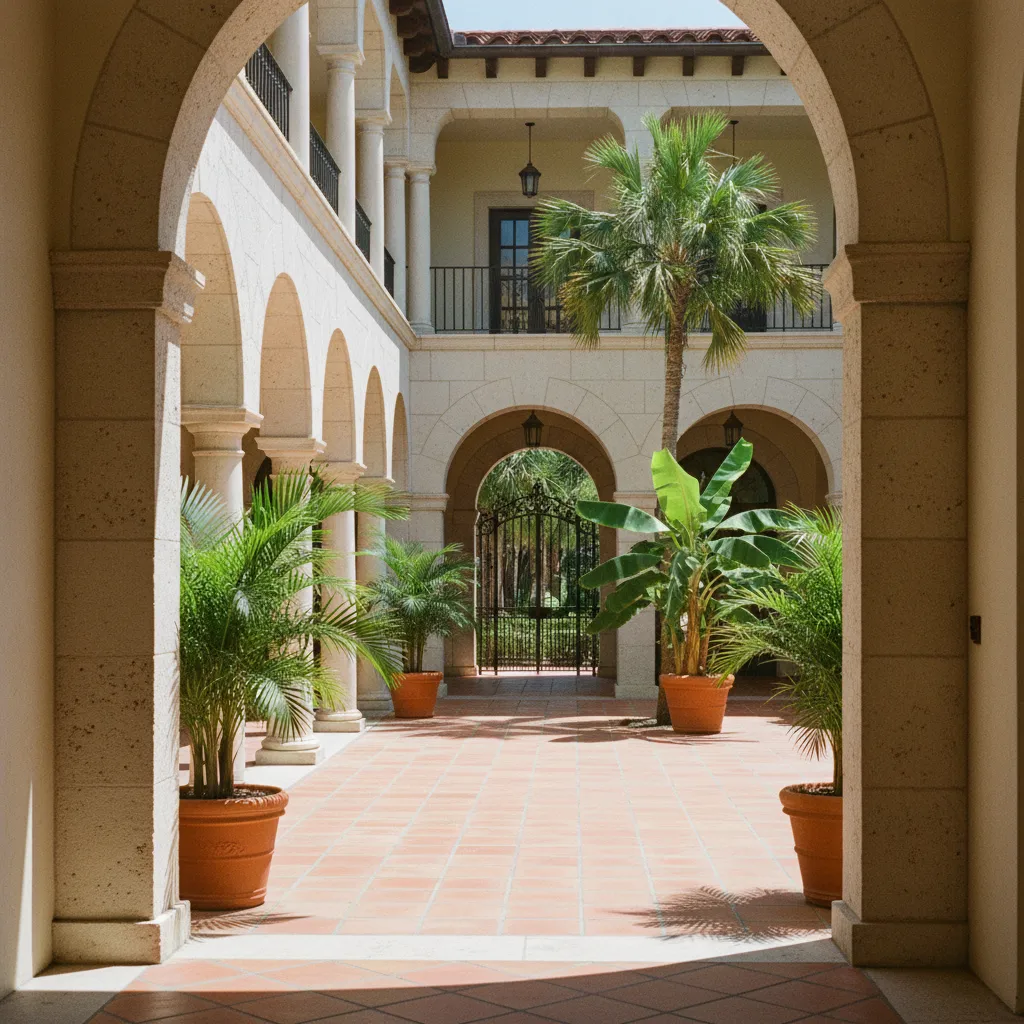
Coral Gables Antique Print Map Shop Collector Trail
Trace Coral Gables Mediterranean avenues and architectural folios with methods for inspecting George Merrick township maps, stone prints, and care.
Distinguished by its sweeping tree-lined boulevards, winding waterways, and Mediterranean Revival architecture, Coral Gables presents an exceptionally refined atmosphere for visiting an antique print map shop. Conceived in the 1920s by visionary developer George Merrick as 'The City Beautiful,' this master-planned community has long attracted scholars, architects, and dedicated cartographic collectors. Visitors touring the city's prestigious galleries and framing ateliers can inspect original 1920s master township plats, hand-colored canal elevation drawings, and vintage citrus grove surveyor maps. Exploring these archival folios offers profound appreciation for the classical European ideals and meticulous craftsmanship that shaped the city's civic fabric. Relying on Karpo APP allows you to coordinate your gallery visits effortlessly while discovering historic coral rock plazas and shaded courtyards.
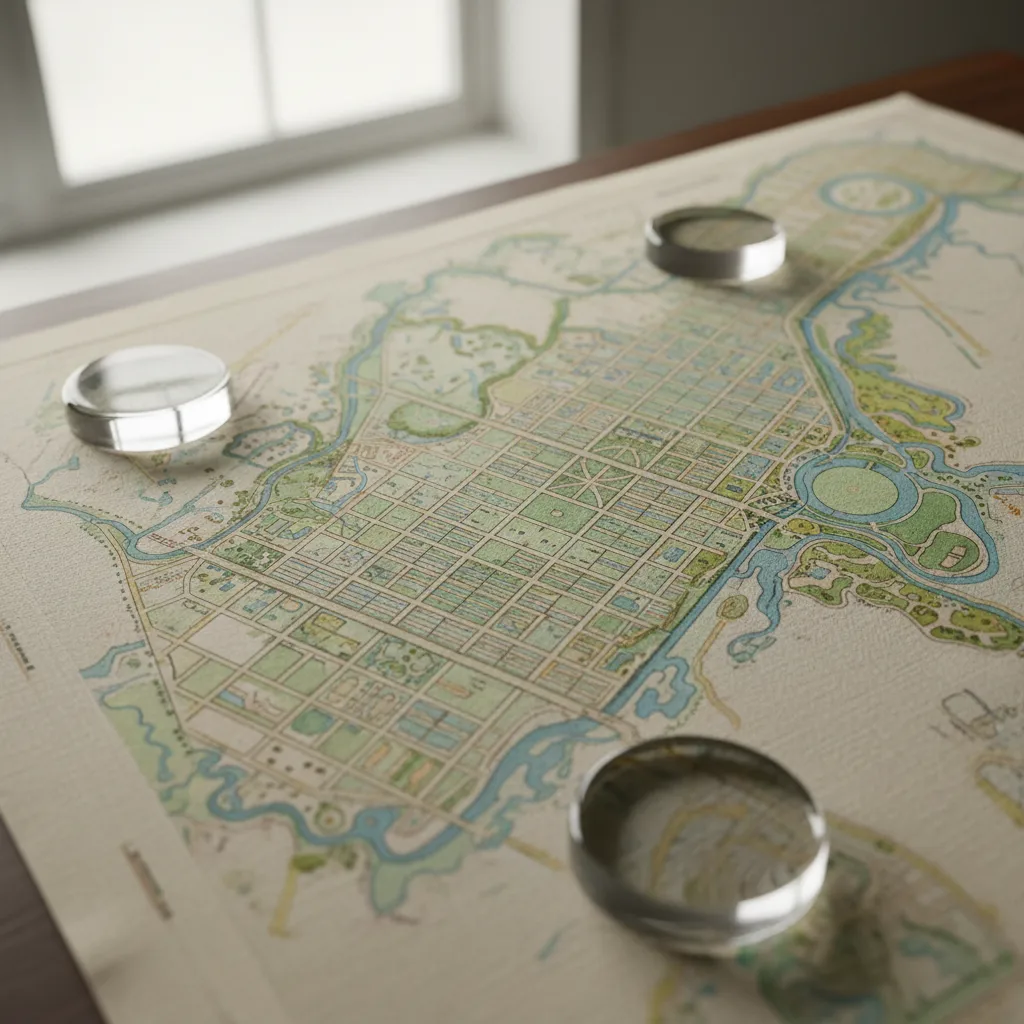
Browsing Miracle Mile Arcades and Mediterranean Revival Enclaves
Coral Gables stands as one of the most meticulously planned and architecturally unified cities in the United States, envisioned in the 1920s by developer George Merrick as 'The City Beautiful.' Characterized by broad tree-lined avenues, winding waterways, and elegant Mediterranean Revival architecture, the city offers an exceptional environment for antiquarian paper collectors. Along the pedestrian arcades of Miracle Mile and nearby Coral Way, distinguished fine art galleries, rare book specialists, and bespoke framing ateliers maintain carefully curated portfolios of vintage Florida maps, architectural elevations, and botanical engravings.
Visiting print galleries in Coral Gables is an immersive cultural experience. Gallery proprietors frequently occupy historic storefronts adorned with hand-carved limestone arches, wrought iron chandeliers, and terracotta tile floors. Inside, expansive drafting tables and mahogany flat files house rare cartographic folios that document the transformation of early citrus orchards into grand residential plazas. The refined, contemplative atmosphere makes Coral Gables a premier destination for serious cartographic collectors.
The city's vibrant gallery culture encourages detailed inquiry and leisurely inspection. Experienced dealers possess an exhaustive understanding of early twentieth-century urban planning documents, readily sharing the historical provenance of architectural drawings and municipal development folios. Taking time to consult with local specialists often reveals unpublished master plan drafts and private collection access.
Evaluating Watermarks and Hand-Colored Washes on French Laid Paper
Authenticating fine architectural prints and historical maps in Coral Gables requires an understanding of luxury paper grades and traditional printing techniques. During the 1920s development of the city, Merrick and his design team commissioned renowned artists like Denman Fink and Phineas Paist to produce grand promotional folios. These deluxe editions were frequently printed on heavy imported French or Italian laid paper, prized for its tactile texture, strength, and receptivity to rich ink pigments.
Under optical magnification, authentic period laid paper reveals distinctive grid-like watermark patterns and chain lines produced by the brass wire screen of the papermaking mold. Holding an unbacked sheet up to soft window illumination often exposes prestigious paper mill watermarks, such as Arches, Fabriano, or Whatman, confirming the sheet's pedigree. Discerning collectors also examine the delicate hand-painted watercolor washes used to highlight water bodies, parks, and coral stone buildings, noting the natural brush strokes and subtle pigment pooling that characterize genuine hand-coloring.
Print condition requires careful assessment. Discerning collectors inspect sheets for evidence of past restoration, ensuring that vintage papers have not been bleached with aggressive chemicals that weaken cellulose fibers. A pristine period sheet exhibits gentle natural aging, crisp margins, and strong paper flexibility that guarantees long-term durability when properly preserved.
Examining George Merrick's 1920s Master Township Plans and Canal Surveys
The cartographic folios of Coral Gables represent an extraordinary high-water mark in American planned community design. Beginning in 1921, George Merrick transformed his family's three-thousand-acre citrus plantation into an interconnected network of residential villages, golf courses, and commercial plazas inspired by the historic architecture of Spain and Italy. Original sales brochures and promotional maps from this boom period depict magnificent gateway entrances, canal waterways designed for gondolas, and grand boulevards radiating from the central municipal core.
Equally prized among cartographic enthusiasts are early engineering surveys documenting the construction of iconic landmarks like the Venetian Pool, the Biltmore Hotel, and the Coral Gables City Hall. These detailed architectural plans feature precise elevations, topographical contours, and botanical planting schedules specifying royal palms, banyans, and bougainvillea. Collecting an original 1920s subdivision plat provides a fascinating window into the utopian ideals of early twentieth-century American urbanism.
Comparing Merrick's original master plans with contemporary street grids reveals the remarkable fidelity with which the initial vision was realized. While some speculative features like ocean-going canal links were never completed, the fundamental street layout, coral stone plazas, and public parklands remain almost entirely intact today.
Lignin-Free Museum Rag Matting and Thermal Fluctuation Management
Preserving valuable planned-city cartography in Coral Gables requires museum-standard framing and climate control protocols. South Florida's subtropical climate brings substantial heat and relative humidity fluctuations that can inflict severe damage on organic paper fibers. Inadequate framing materials, particularly boards containing unpurified wood lignins, release acidic gases over time that scorch paper borders and cause irreversible brittle deterioration.
To ensure maximum longevity, collectors must insist that all matting and mounting components consist of one hundred percent virgin cotton rag board that is completely acid-free and buffered with an alkaline reserve. The print must be mounted using water-reversible hinges crafted from Japanese kozo paper and cooked wheat starch paste, allowing the sheet to expand and contract smoothly without warping. Synthetic tapes, self-adhesive hinging strips, and spray glues must be rigorously avoided, as their chemical solvents leave permanent yellow stains.
Conservation glazing with a minimum of ninety-nine percent ultraviolet filtration is mandatory to protect hand-painted watercolors and lithographic inks from solar degradation. When hanging framed maps within residential interiors, select interior hallway walls away from direct sunlight, air-conditioning supply vents, and exterior building envelopes. Maintaining a stable indoor temperature and humidity level ensures that your historic cartographic treasures remain in museum-grade condition.
Biltmore Country Club Vistas, Coral Rock Plazas, and Bayside Patios
A day dedicated to antique print exploration in Coral Gables harmonizes naturally with an architectural walking tour of its celebrated civic landmarks. A short drive or leisurely stroll from Miracle Mile leads to the historic Biltmore Hotel, whose towering Giralda-inspired bell tower dominates the surrounding tree canopy. Wandering through the hotel's vaulted colonnades and landscaped courtyards provides an immediate appreciation for the grand Mediterranean architecture celebrated on vintage promotional maps.
Continuing through the neighborhood reveals the historic Venetian Pool, a breathtaking public swimming lagoon carved directly from an abandoned coral rock quarry in 1924. Pausing near its stone bridges, grottos, and cascading waterfalls allows collectors to reflect on the imaginative landscape architecture of early twentieth-century Florida under the shade of mature palm fronds.
Miracle Mile and its surrounding avenues offer a delightful selection of shaded outdoor cafes, Spanish tapas bars, and peaceful garden courtyards where collectors can rest between gallery visits. Unpacking your newly acquired prints over fresh espresso while gentle breezes rustle through the street ficus trees provides the perfect ending to an inspiring antiquarian day.
Structuring Your Coral Gables Antiquarian Day With Karpo APP
Karpo APP enhances your antiquarian gallery tour through Coral Gables by integrating gallery locations, architectural landmarks, and walking routes into a convenient mobile guide. The application assists collectors in designing efficient walking itineraries that navigate smoothly between Miracle Mile arcades and historic residential plazas, ensuring an effortless and culturally rewarding outing.
Beyond fundamental navigation, Karpo APP allows collectors to catalog paper acquisitions, store conservation specifications, and cross-reference historic township plats with modern neighborhood avenues. Whether you are hunting for an original 1920s George Merrick promotional map or a rare Mediterranean architectural elevation, Karpo APP guarantees a seamless and enriching journey through Coral Gables.
Ask Karpo for more information.
Keep reading
- Wynwood Domino Set Gift Browsing Walk: Acrylic Designs
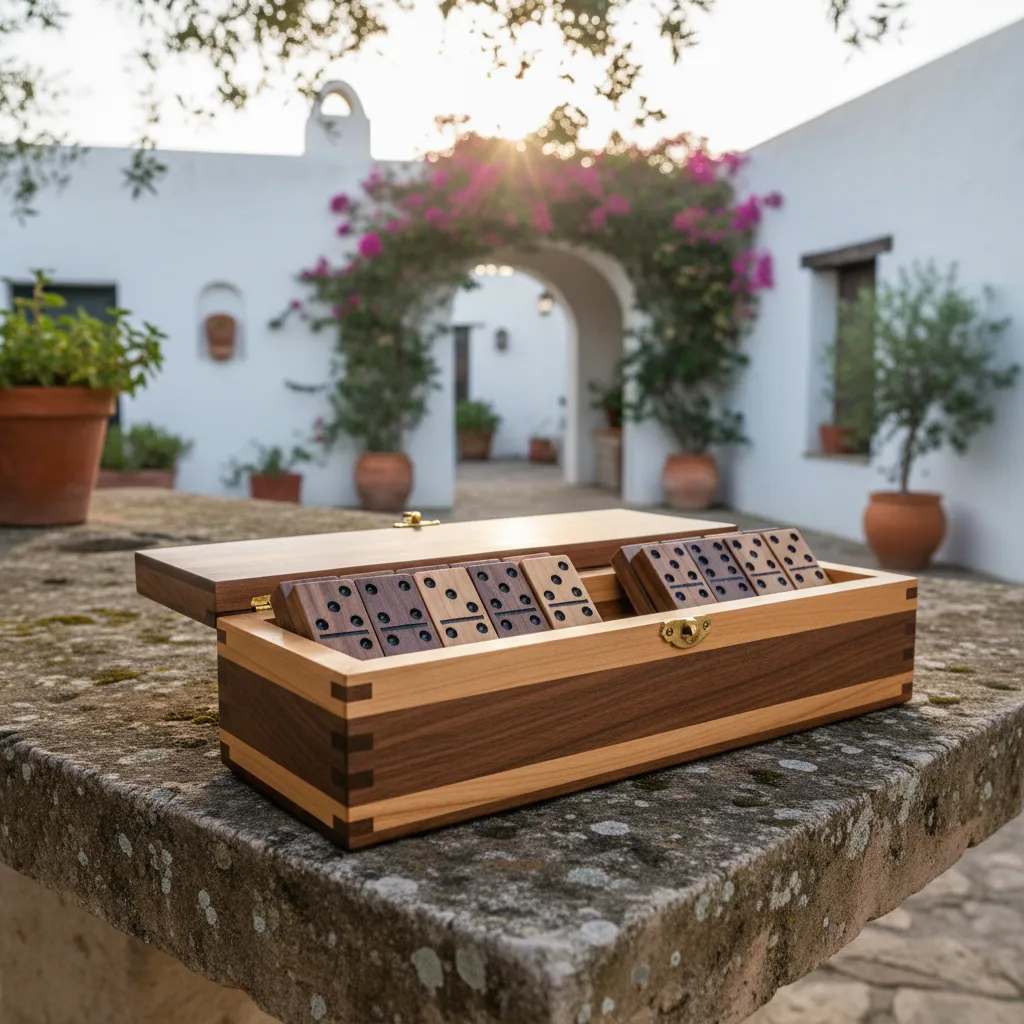 Coral Gables Domino Set Gift Browsing Walk: Wood Sets
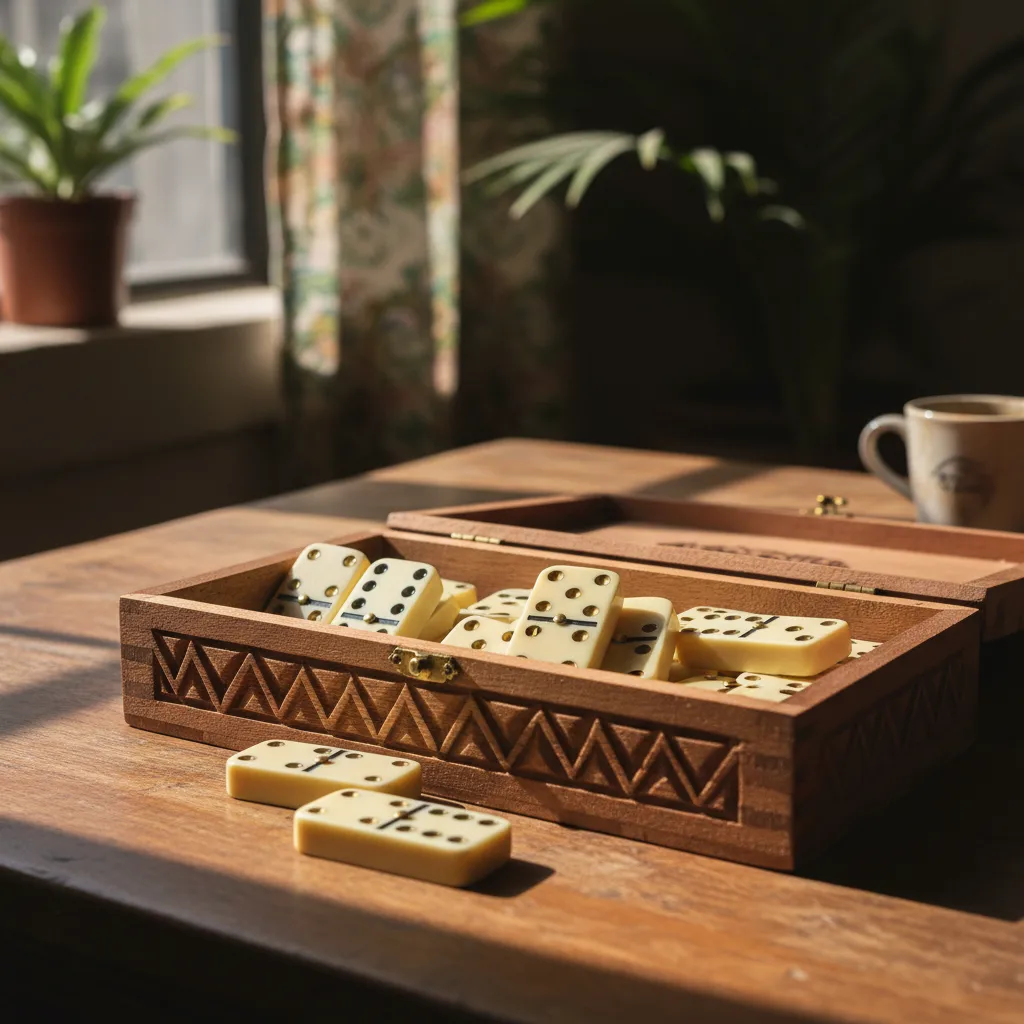 Little Havana Domino Set Gift Browsing Walk: Clay Tiles