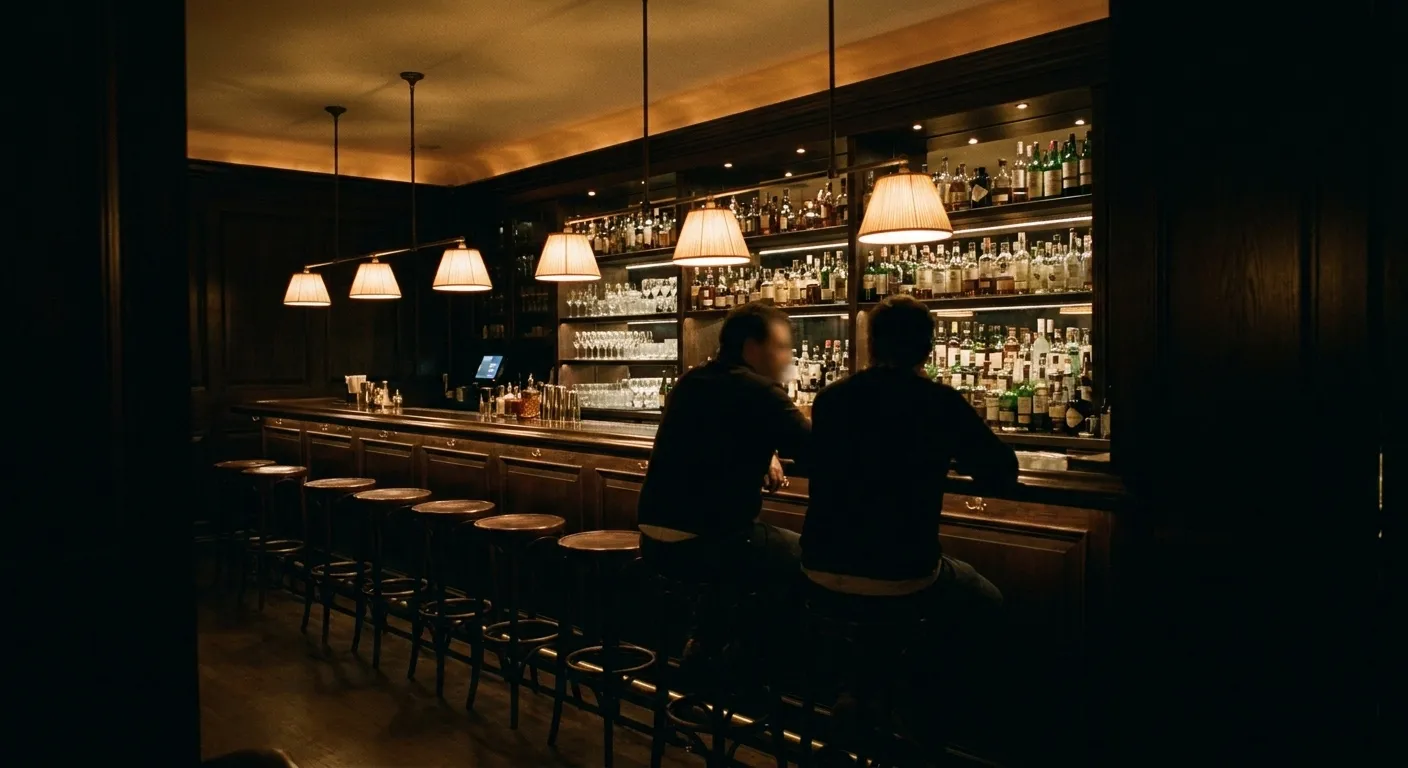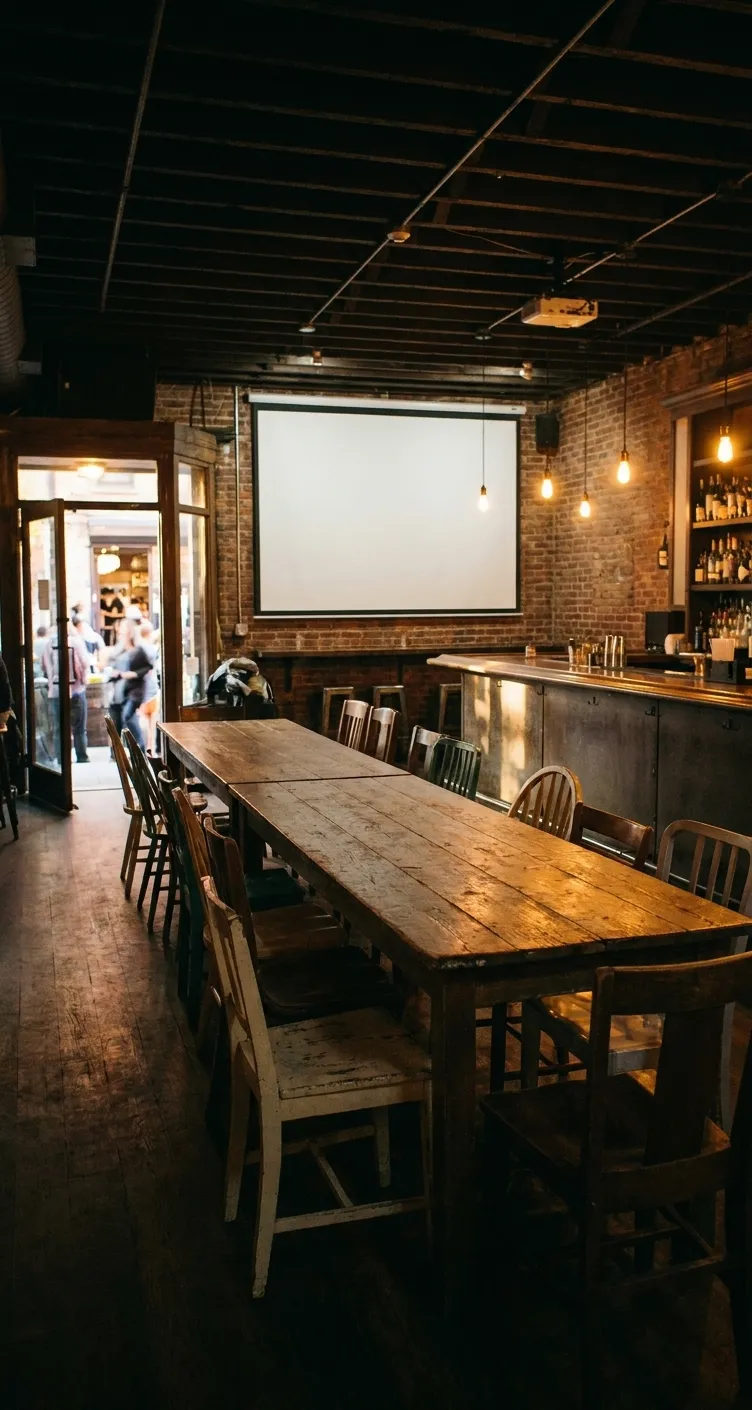
The East Village has always known how to drink with intention. Somewhere between the sake dens on Stuyvesant and the natural-wine caves off Avenue A, mezcal found its footing—not as a party spirit, but as something to sip slowly under low light while contemplating salt, citrus, and the particular minerality of clay-pot distillation. By late 2026, the neighborhood's mezcalerías have shed the last traces of margarita-bar cosplay. What remains is a handful of spots where the bartenders have dirt from Santiago Matatlán still on their boots and the bottle count runs deeper than the wine list at most French bistros.
Why the East Village Got Serious About Agave
Mezcal bars in nyc have proliferated, but the East Village cultivated a particular species: small, obsessive, connected directly to producers. It helps that the neighborhood has always attracted people who care about provenance—the same instinct that drove the farm-to-table movement here in the early aughts now fuels a demand for spirits you can trace to a single maestro mezcalero and a specific hillside in Oaxaca. The bartenders doubled as importers, or at least as evangelists who spent their savings on research trips south.
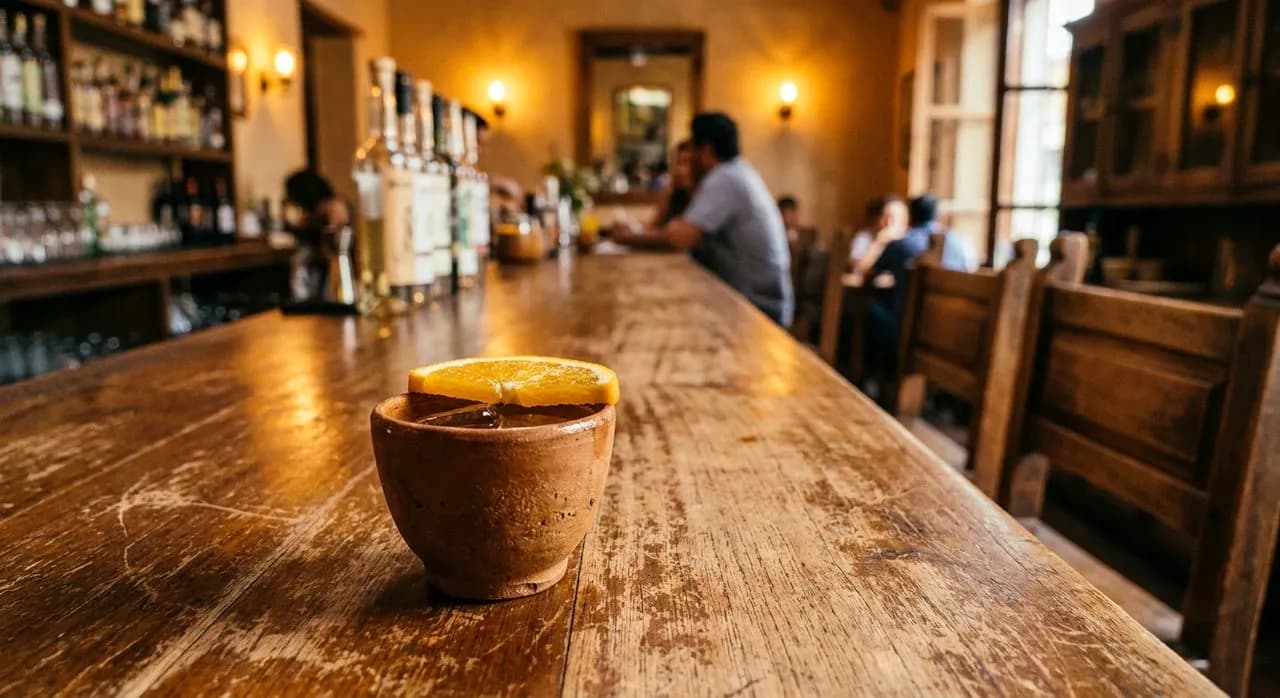
The result is a cluster of bars that feel less like nightlife and more like tasting rooms. Sparse wood, candles in recycled mezcal bottles, chalkboards listing apellidos and agave varietals instead of cocktail names. The crowds skew older, quieter, more interested in the story behind the espadín than in the fastest way to a buzz.
Cienfuegos and the Wednesday Window
Cienfuegos is one of the neighborhood's mezcal-focused bars. But the real treasure is the Master Mezcalier tasting flight, available only on Wednesdays from six to seven PM, featuring three palenque-direct bottles under two hundred liters production. It's a narrow window, and the staff won't hold a seat. Arrive early, claim a spot at the bar, and prepare for pours that taste like smoke, stone fruit, and the faint leather tang of earth.
The flight rotates depending on what's arrived that month, but expect to meet varieties you won't find on standard menus—tobalá from a single wild harvest, or a batch of cuishe distilled by a seventy-year-old maestro whose family has been working the same palenque since before the revolution. The bartenders pour with ceremony but no pretension. They'll talk about terroir if you want, or let you sit in silence. Either way, you'll leave understanding why people spend their vacation days visiting distilleries.
The Oaxaca Shelf at Zona Rosa
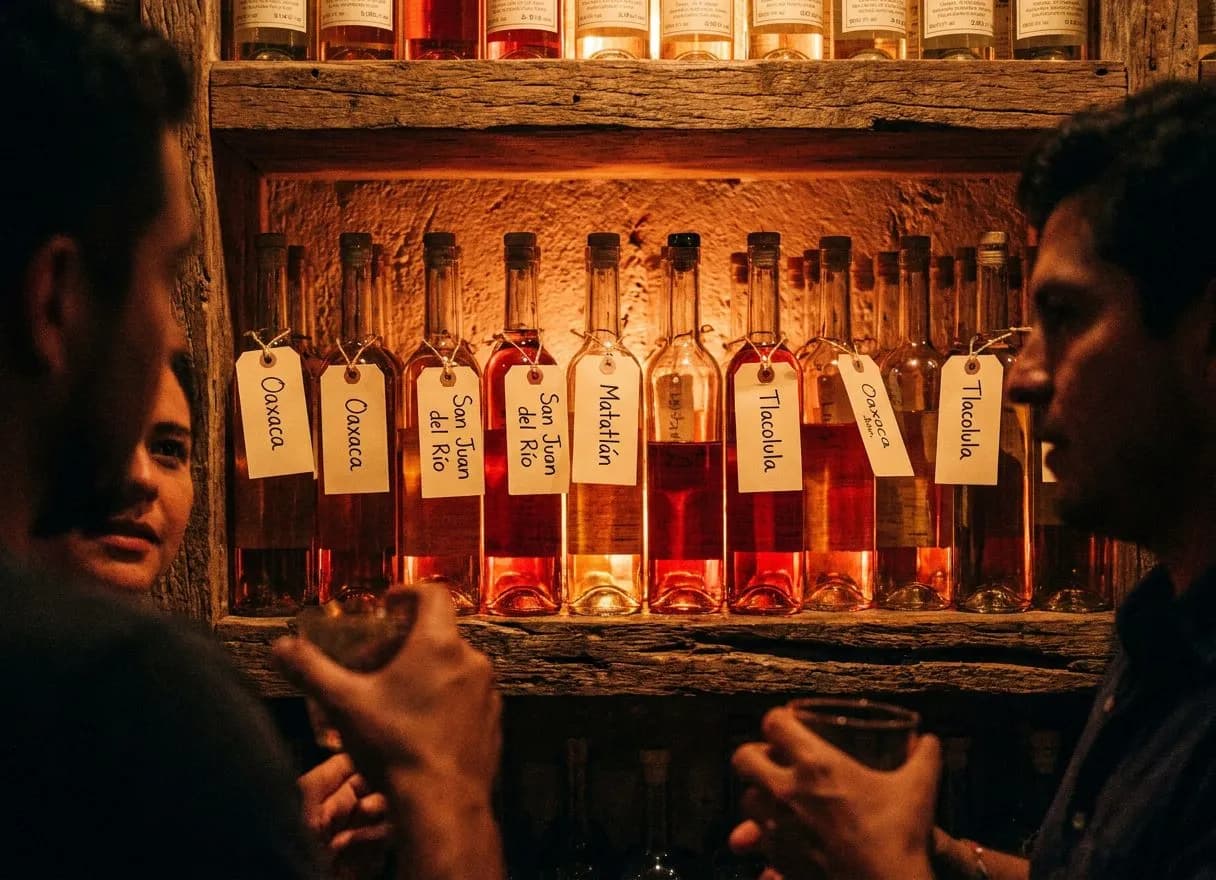
Zona Rosa feels like someone's living room if that someone spent a decade collecting rare bottles and an equal amount of time figuring out how to light a room with nothing but Edison bulbs and good intentions. The menu is strong, but the real collection lives above eye level. Ask for the Oaxaca shelf—a hidden top row of family-reserve mezcals not listed on the menu, poured only for those who ask.
These are the bottles bartenders bring back in their luggage, the ones gifted by producers who've become friends. Pours aren't cheap, but they're priced fairly for what they are: liquids that may never be replicated, from agave plants that took fifteen years to mature and palenques that produce a few hundred bottles a year, max. The bartender will walk you through the selection, often pulling down two or three to compare terroir and technique. Pair them with the tetelas—small Oaxacan masa cakes topped with black beans and quesillo—and you've built yourself a near-perfect late-summer evening.
Madre's and the Frequent Sipper Economy
Madre's runs smaller than its neighbors, with barely enough room for two dozen people and a vibe that splits the difference between corner bodega and private club. The draw here isn't just the selection—though it's deep—but the culture of return. Madre's offers a frequent sipper card with repeat-visit perks.
That under-the-counter collection is where the magic lives. Bottles the bartenders bought on their own dime, things they're saving for friends or special occasions, rare batches they'll never see again. The loyalty program isn't about discounts—it's about access, about earning your way into the inner circle. It's also a smart bit of community-building in a neighborhood where everyone's always hunting for the next secret. Come often enough and you'll start recognizing faces, trading notes on new arrivals, debating the merits of clay pot versus copper still.
What You'll Eat
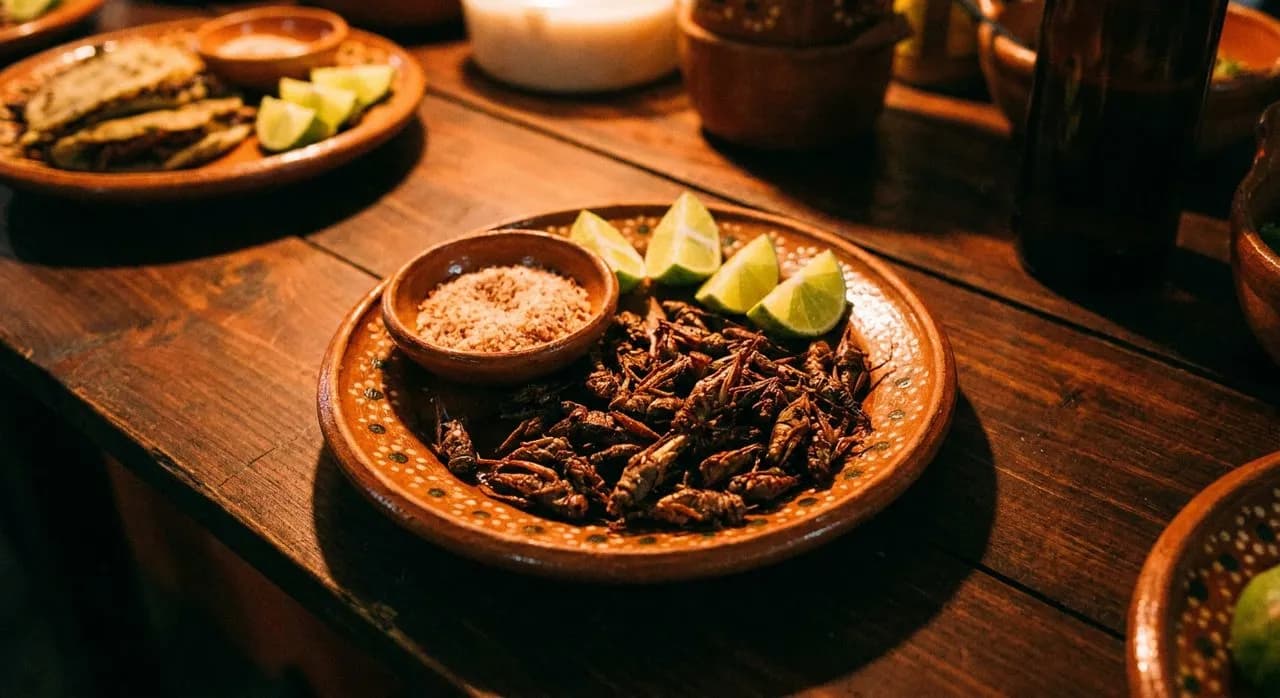
None of these bars are trying to be restaurants, but all of them understand that mezcal demands food—something salty, earthy, substantial enough to anchor the smoke. Expect chapulines, the toasted grasshoppers that taste like a cross between popcorn and umami dust. Expect quesillo, that stretchy Oaxacan cheese served with warm tortillas. Tetelas, tlayudas if you're lucky, and always a bowl of sal de gusano for the rim of your glass or the back of your hand.
The food isn't elaborate, but it's correct. Many of these spots source their ingredients directly from Oaxaca or from suppliers who specialize in regional Mexican products. The chapulines come pre-seasoned with lime and chile. The tortillas are often made in-house or brought in daily from one of the neighborhood's dedicated tortillerías. It's bar food in the truest sense—designed to complement the drink, not distract from it.
How to Drink It
If you're new to mezcal, start with an espadín—the most common agave, the baseline against which everything else is measured. From there, branch into tobalá for something sweeter and more delicate, or tepeztate for funk and minerality. Ask questions. The bartenders at these spots are educators by nature, and they'd rather spend ten minutes walking you through a flight than watch you shoot a rare bottle like it's spring break in Cancún.
Sip it neat, ideally from a clay copita if the bar offers one. Let it sit on your tongue. Notice the smoke, yes, but also the fruit, the pepper, the faint sweetness or bitterness depending on how it was distilled and aged. Mezcal is patient. It rewards patience in return. And if you find yourself craving a cocktail, most of these bars will build you something simple—mezcal, lime, agave, maybe a little grapefruit or hibiscus—that lets the spirit lead.
Practical notes
These spots cluster around Avenues A and B, between East Sixth and East Tenth, all within easy walking distance of the Second Avenue F train or the L at First Avenue. Street parking is mythical; plan on the subway or a bike. Most bars open in the early evening and stay open late, though hours can shift seasonally—verify directly before you go. Seating is limited across the board; weekends get crowded. Accessibility varies by venue, with many spots featuring narrow doorways and bar-only seating. Bring cash for smaller spots, though cards are widely accepted. Expect to spend thirty to fifty dollars per person for a few pours and snacks, more if you venture into the rare-bottle territory.
Tags: #MezcalBars #EastVillage #PullUpAChair #OaxacanFood #SmallBatchSpirits #NYCBars #AgaveSpirits #SummerSipping #HiddenNYC #NeighborhoodGuide #DrinkCulture #CitySecrets #Mezcaleria #KarposFinds #Summer2026
Please drink responsibly. Must be of legal drinking age.
Sources consulted: Mezcal · East Village, Manhattan · Oaxacan cuisine · Time Out New York: Bars · MTA Transit Info
All trademarks are the property of their respective owners.