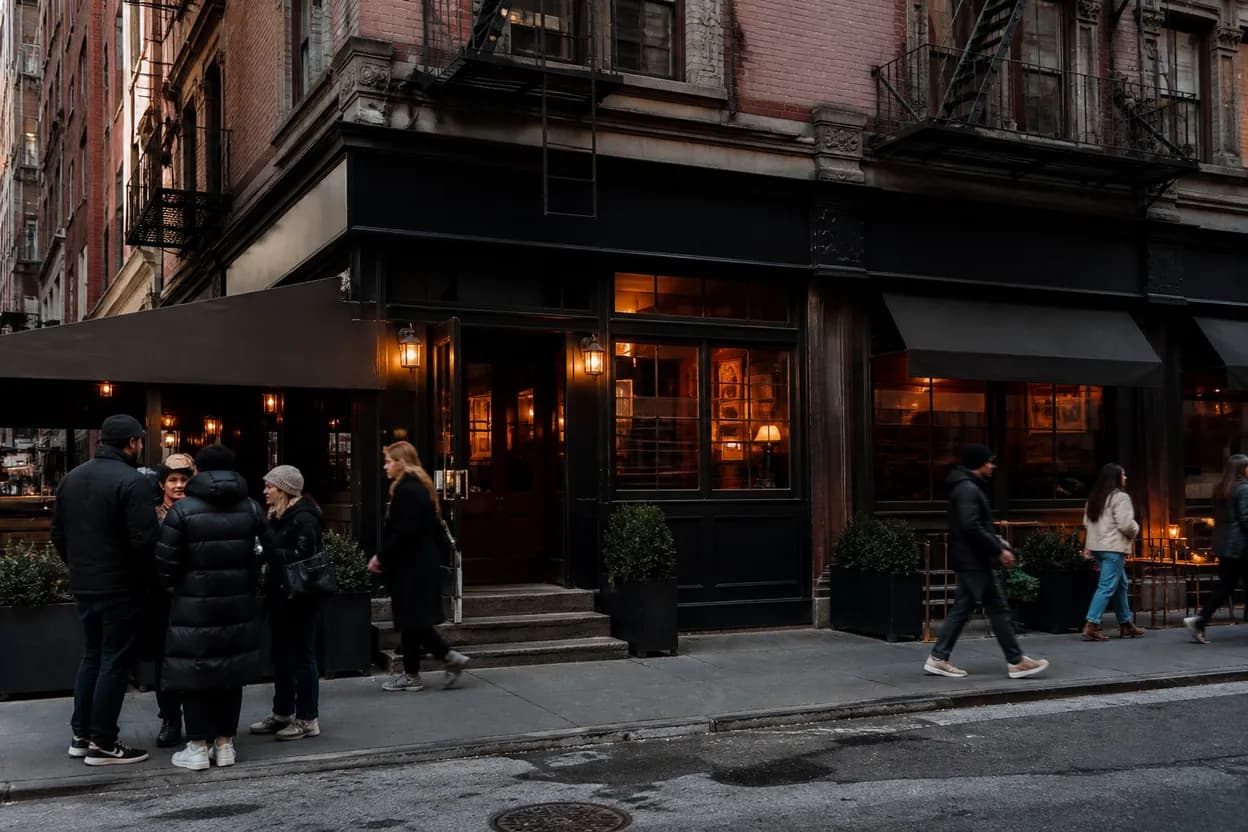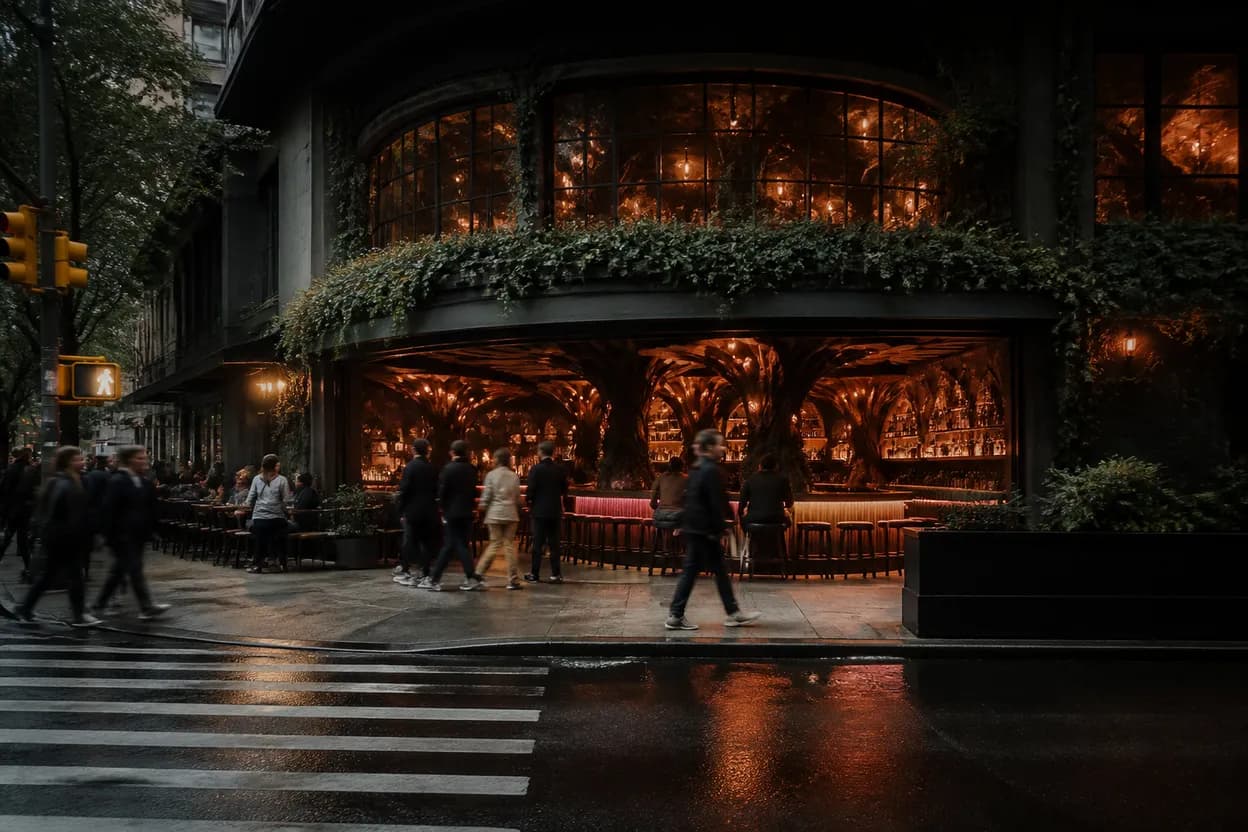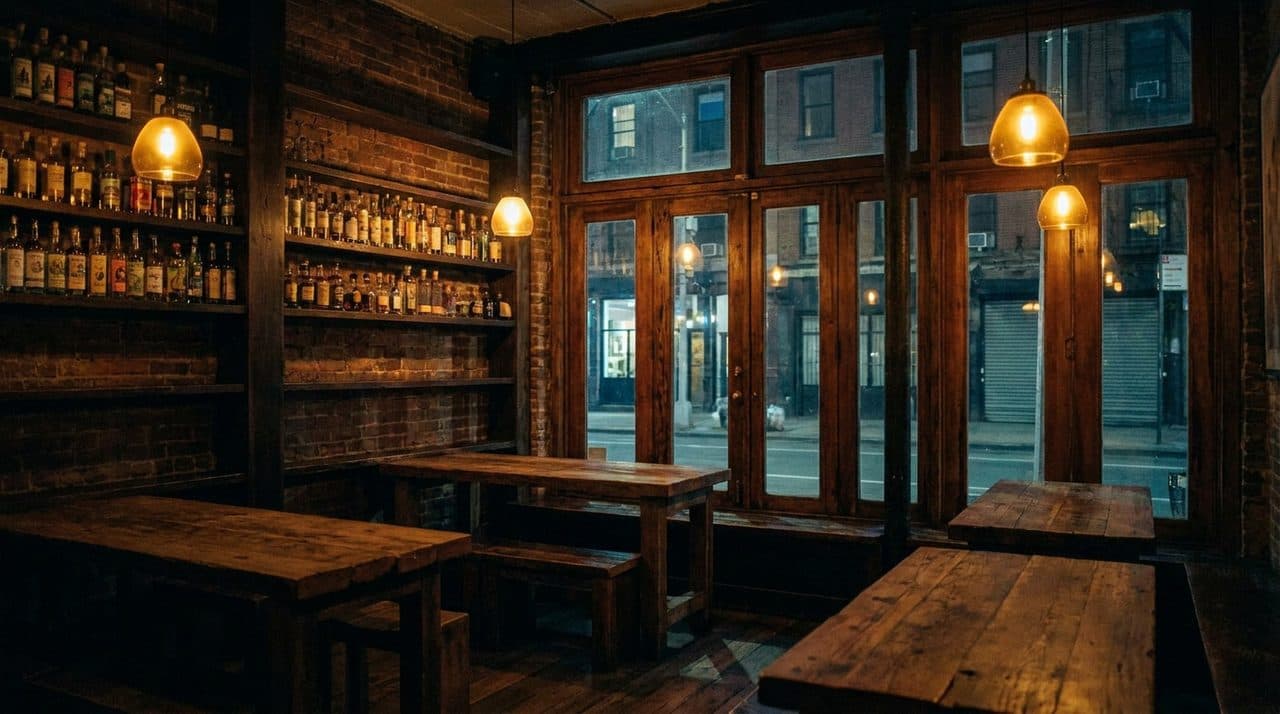
The crowd doesn't thin until after midnight, when the weekend rush finally exhales and the Lower East Side mezcal bar settles into its second act. Smoke from the copal incense near the entrance mingles with agave and lime, and the bartender behind the zinc counter moves with the unhurried precision of someone who knows the next three hours belong to a different rhythm entirely. The velvet banquettes along the brick wall hold the kind of patrons who've been waiting for this exact moment all night.
When the Room Exhales
The shift happens without announcement. One moment the bar is three-deep with people shouting drink orders, and the next it's just the low murmur of conversations that don't need to compete. The DJ drops the tempo around one, trading reggaeton for something slower—cumbia, sometimes, or old boleros that make the room feel smaller and warmer. The overhead Edison bulbs seem to dim slightly, though nothing actually changes except the quality of attention. Regulars know this window: the hour or two when the space transforms from destination to refuge, when ordering another round feels less like extending the night and more like claiming temporary residence. The bartender refills the copal burner without being asked, and the scent cuts through everything else—earthy, ceremonial, grounding.
The Banquette Geography
The velvet seating along the exposed brick runs the length of the east wall, deep burgundy fabric worn soft in the spots where countless patrons have leaned back with their third or fourth mezcal. Late-night regulars gravitate here, away from the bar stools that feel too exposed once the crowd disperses. The banquettes create their own microclimate—warmer by a few degrees, darker by a shade, acoustically separate enough that conversations stay contained. A couple in the corner booth has been nursing the same two drinks for forty minutes, their foreheads nearly touching. Three seats down, a solo drinker reads a paperback under the sconce light, occasionally flagging the bartender with a subtle finger lift. The velvet holds heat and spilled mezcal and the accumulated weight of late-night confessions, and anyone who slides into a spot after midnight inherits all of it.
The Smoke and the Spirit
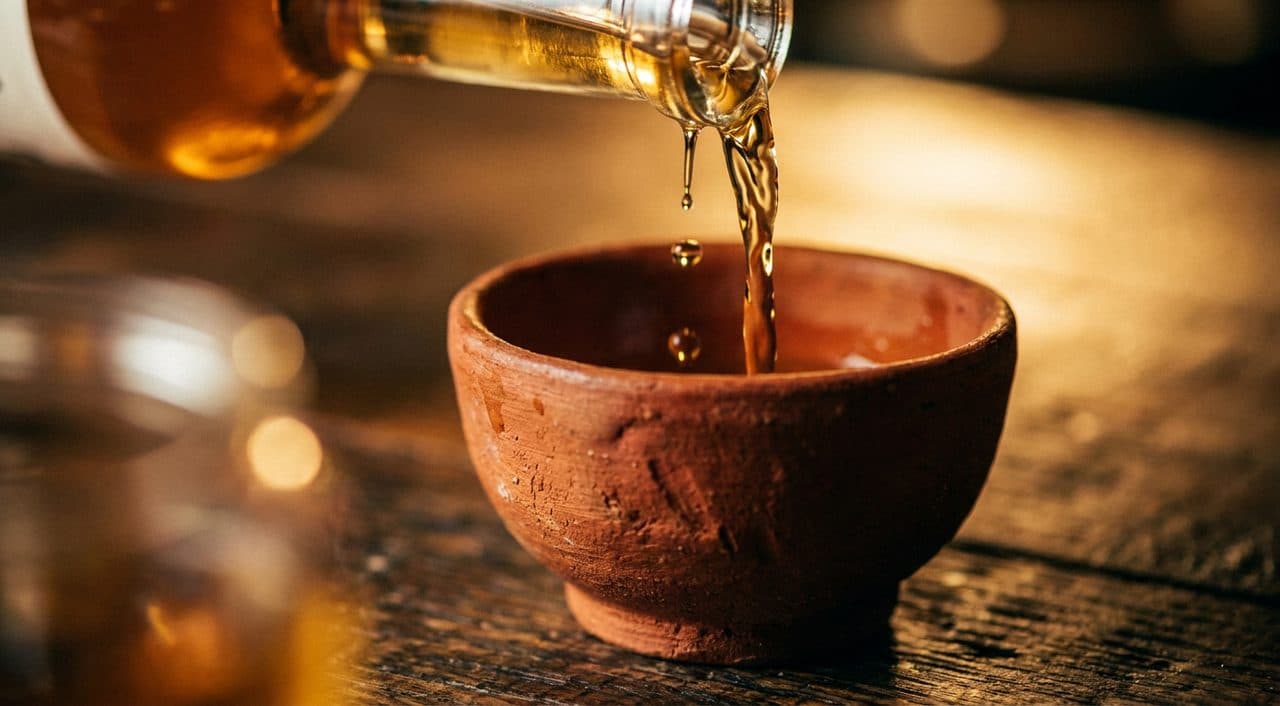
The mezcal selection runs deeper than the chalkboard menu suggests. Behind the bar, unlabeled bottles with handwritten tags occupy the top shelf—small-batch expressions from Oaxacan villages that never make it to distributors, brought back by the owner on semi-annual sourcing trips. The bartender will pour from these for regulars or for anyone who lingers long enough to ask the right questions. Each expression carries its own smoke signature: some taste like charred pineapple, others like wet earth after rain, a few like leather and tobacco and something faintly sweet that disappears before it can be named. The copal smoke weaving through the room isn't decorative—it's deliberate, a bridge between the agave in the glass and the ceremonial context it comes from. The scent clings to clothing and hair, a calling card that announces where someone spent their late hours.
The Bartender's Choreography
Behind the zinc counter, the bartender moves through a closing routine that looks like meditation. Glasses get wiped and restacked with the labels facing out. The cutting board gets scraped clean of lime pulp and salt crystals. Ice gets replenished in the wells even though only a handful of drinks will be poured before last call. There's no rush, no performative flair—just the steady rhythm of someone who's done this a thousand times and still finds satisfaction in the doing. When a patron orders something off-menu, the bartender doesn't reach for a phone or a recipe book. Hands move to bottles by muscle memory, building drinks that taste like they've always existed. The few questions asked are genuine—"How smoky?" or "Stirred long?"—and the answers get remembered for next time. This isn't the bartending of prime-time service. It's the quieter craft that emerges when there's finally room to pay attention.
The Sound of Almost Empty
The playlist at this hour skips the obvious choices. No mariachi, no tourist-friendly Latin jazz. Instead: Chavela Vargas singing about heartbreak, Café Tacvba's mellower tracks, occasionally something Brazilian that makes the room feel like it's somewhere else entirely. The music sits just below conversation volume, present but not insistent. Without the buffer of bodies, other sounds emerge: the hiss of a match lighting a cigarette outside, the scrape of a barstool being tucked back in, the wet sound of lime being pressed against a strainer. Someone's phone buzzes on the bar and goes ignored. The espresso machine in the back corner gurgles to life—the bartender pulling a shot for themselves, a small ritual that signals the night's winding down. The acoustic signature of near-empty spaces has its own appeal for those who seek it out: all the intimacy of a crowded bar without the competition for it.
The Last Pour Before the Lights
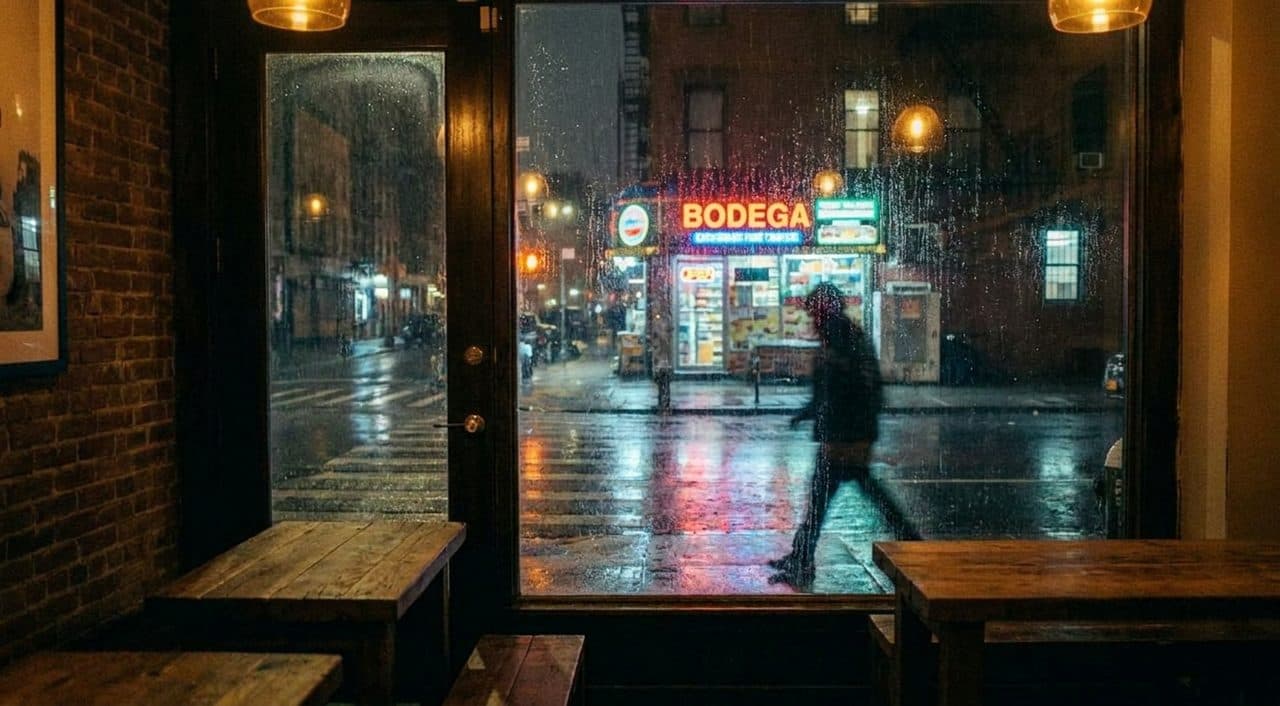
Last call doesn't get announced so much as understood. The bartender starts consolidating bottles, moving the workhorses back to their speed rail positions and tucking away the special pours. The copal burner gets extinguished. Patrons on the banquettes begin the slow process of gathering belongings—jackets retrieved from hooks, phones checked for the first time in an hour, the mental calculation of whether to walk or summon a car. Some nights a final round materializes without anyone ordering it, the bartender simply setting down two fingers of something good in front of the last few holdouts. A silent acknowledgment: thanks for staying, thanks for getting it. The overhead lights don't come up harsh and bright like in some bars. They just gradually return to full strength, revealing the beautiful mess of a room that's been lived in hard for six hours. Outside, Ludlow Street is quiet except for the occasional taxi and the distant bass from a club still going. The smoke and agave smell follows everyone out into the cool air, a temporary tattoo that'll fade by morning.
Practical Notes
The bar opens late afternoon most days and runs until the early morning hours, with the sweet spot for the quieter crowd starting around one. No reservations, no table service—just show up and claim whatever's open. The nearest subway stop is a few blocks' walk on Delancey, or the F train drops close enough. Cash helps for faster service, though cards work fine. The mezcal pours range from accessible to investment-level, with the bartender happy to guide anyone through the options. Dress code is nonexistent; the crowd skews local and low-key. Street parking is a myth, but car services know the corner well.
Tags: #MezcalBar #LowerEastSide #LateNightNYC #TheLongWayHome #NewYorkNightlife #AgaveSpirits #AfterMidnight #LESBars #CityThatNeverSleeps #MezcalCulture #QuietHours #VelvetBanquette #SmokeAndSpirit #NYCInsider #LocalsOnly
Sources consulted: timeout.com · atlasobscura.com · nycgo.com
Please drink responsibly. Must be of legal drinking age.
All trademarks are the property of their respective owners.
Ask Karpo first
Want to know which rare mezcals they pour after the crowd clears?
Ask Karpo for the bartender's late-night recommendations and the story behind that back-bar selection before you head out.