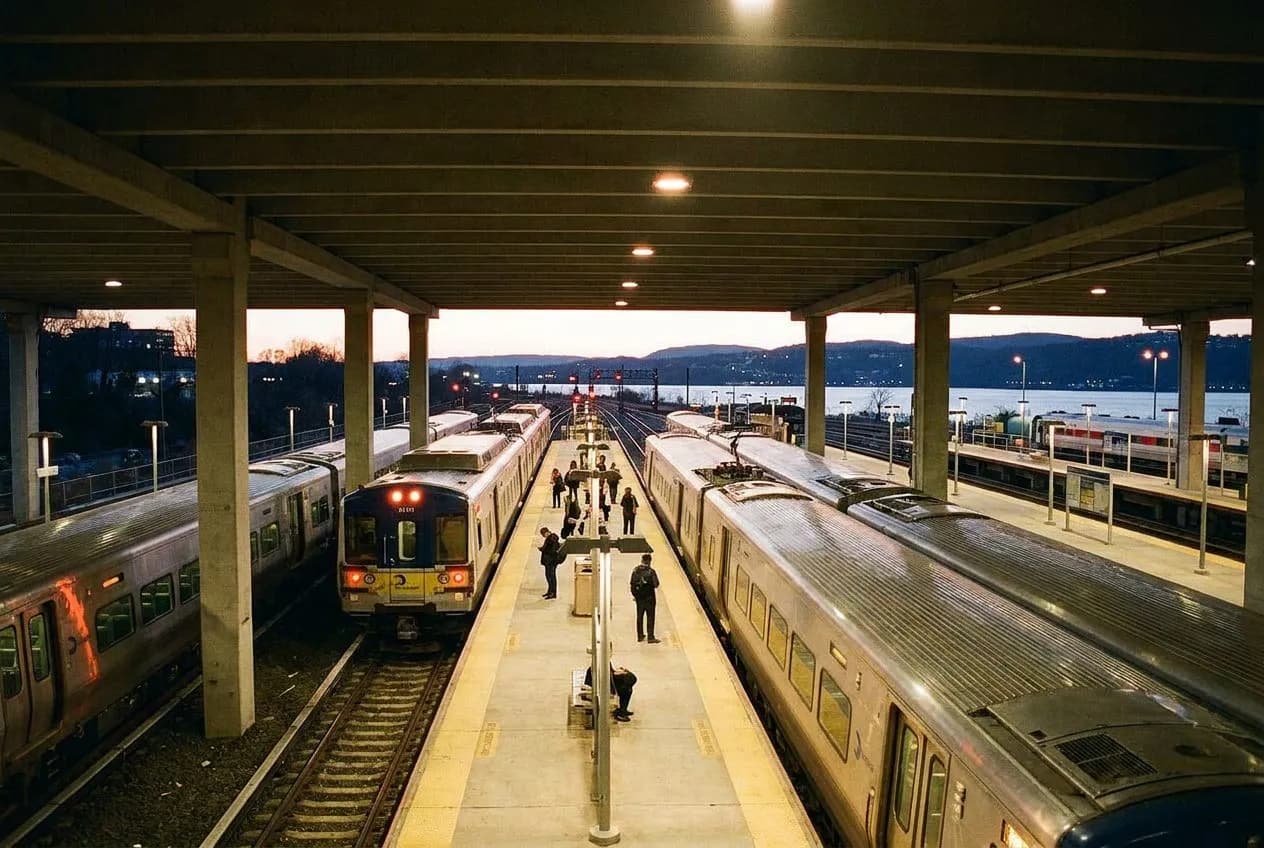
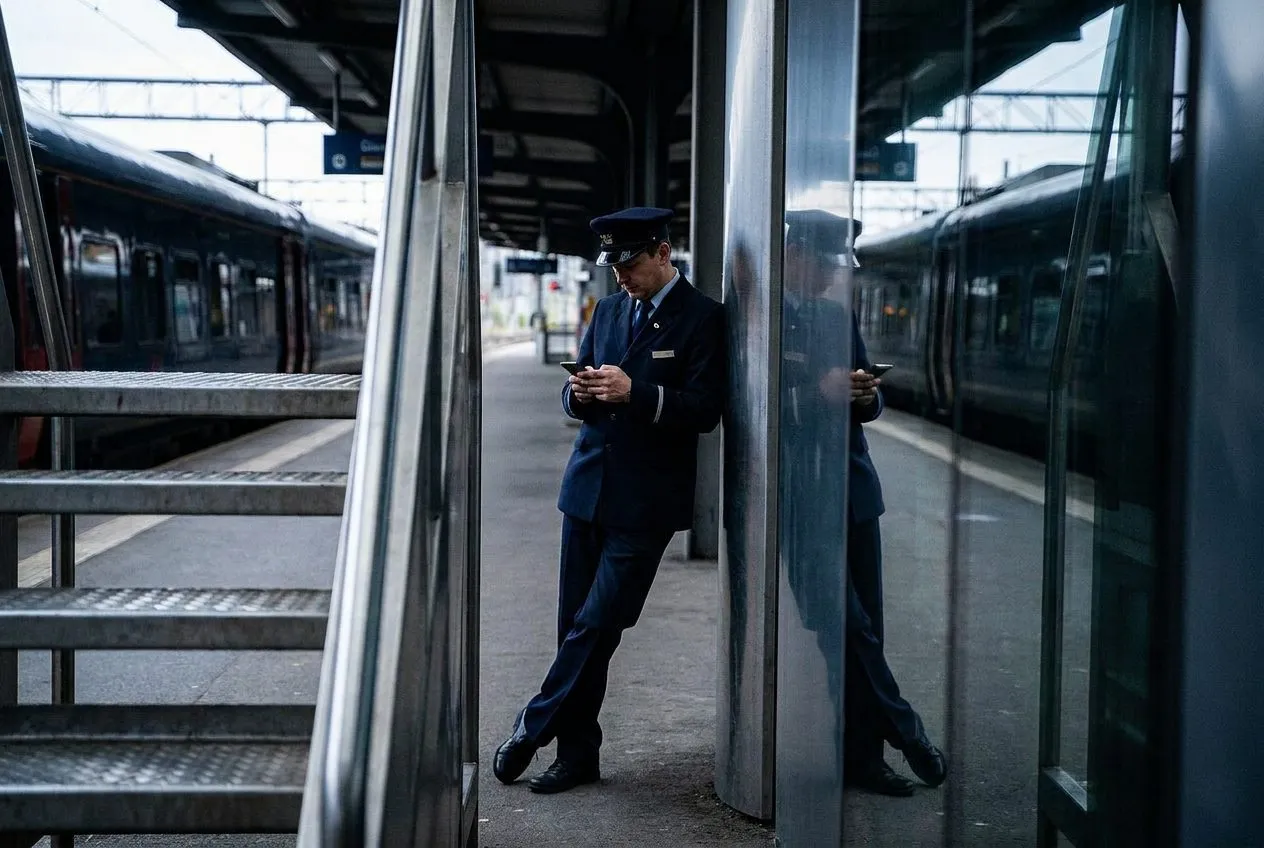
Croton-Harmon is a station that exists in the conditional tense. Trains arrive, then wait. Passengers who rode too far north stand on the open-air platform with their phones and their patience, watching the locomotive uncouple and roll forward to the opposite end of the consist. Conductors step down for a cigarette. The Hudson glints below the rail yard. For twelve minutes, the schedule holds its breath. This is the turnaround, the pivot point where the Harlem Line folds back on itself, and no one rushes because the next train south is the same one you just left. It's a built-in pause, a comma in the grammar of commuter rail, and it asks nothing of you except that you wait.
The Mechanics of the Pause
Most turnarounds are invisible to passengers—engines swap, crews rotate, and you stay in your seat scrolling. But Croton-Harmon makes the process visible. The train stops. Everyone disembarks or stays put. The locomotive uncouples with a metallic sigh, rolls forward along the platform, then backs onto the opposite end. It's industrial choreography, unhurried and precise, and it happens in full view of anyone standing on the platform with nowhere else to be.
The northbound train that arrives at 6:47pm has the longest turnaround window—fourteen minutes instead of the usual twelve—due to crew shift change. Conductors swap out, paperwork gets signed, and the extra two minutes stretch the liminal quality of the stop into something almost meditative. If you're planning weekend plans that involve catching the last light over the river, this is the departure to take. The platform empties and refills. The same faces board again.
The Station That Time Forgot to Update
The station building at Croton-Harmon is small, practical, and has not changed its exterior paint since 1987. The color is a particular shade of institutional beige that belonged to the late Reagan administration and never left. Inside, fluorescent light flattens everything. There are benches, a ticket window that opens sporadically, and a vending machine that sells MetroCards and dispenses the same brand of stale peanuts it has stocked since 2004. Conductors know not to recommend them. The machine hums. The peanuts stay.
It's not neglect, exactly—it's more like benign indifference. The station works. Trains arrive and depart on time. The paint may be decades old, but the platform is swept, the electronic boards flicker to life with accurate information, and the bathrooms, while not luxurious, are open. Croton-Harmon does not aspire to charm. It aspires to function, and it succeeds with a kind of stolid grace.
The View from the Platform
The platform sits high above the rail yard, which spreads out in a tangle of tracks, signals, and idle trains. Beyond the yard, the Hudson River curves south, wide and gray-blue depending on the weather. In summer the trees on the opposite bank are thick and green. Late in the day, the light slants across the water and turns the whole scene into something softer than it has any right to be. You can hear the hum of idling engines, the hiss of air brakes, the occasional shout from a crew member across the yard.
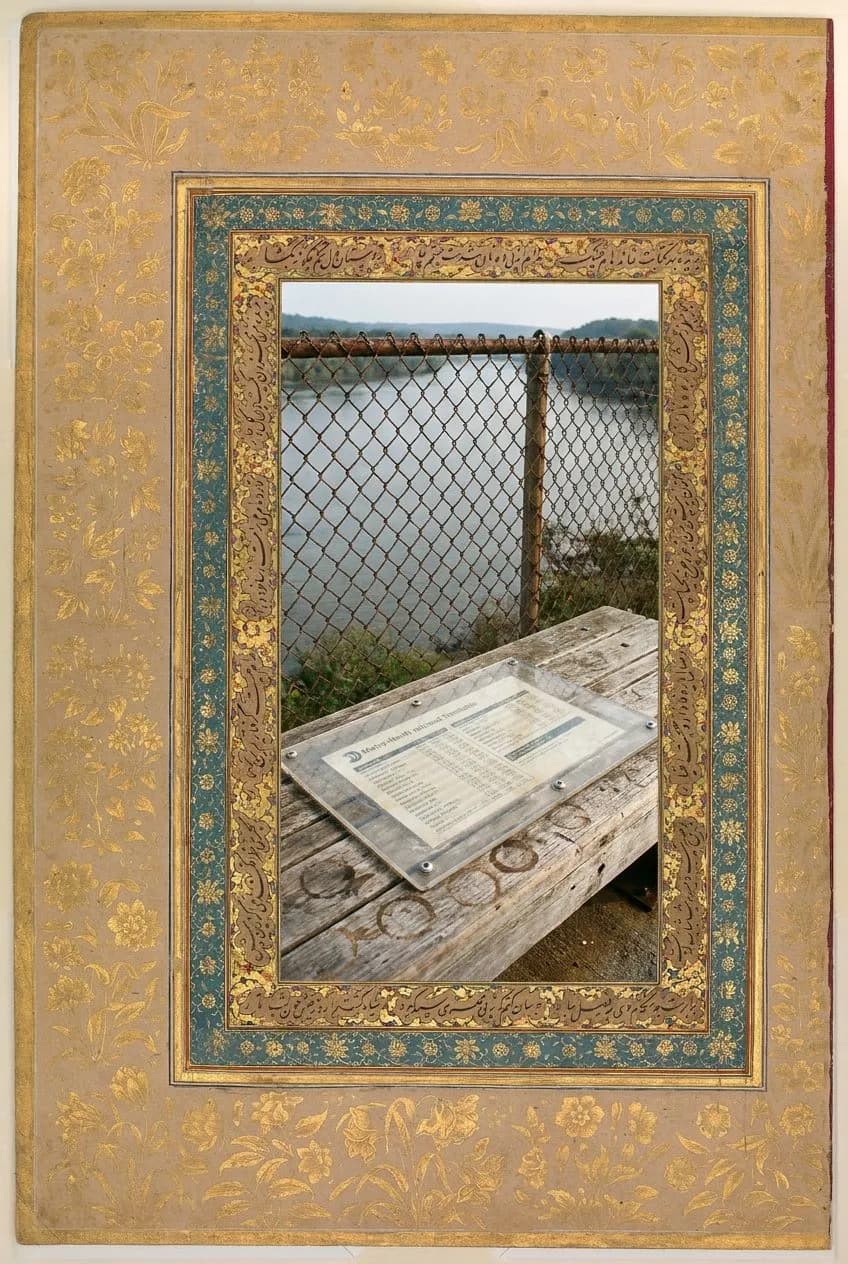
Most passengers wait inside or sit on the benches near the fare machines, but a few always walk to the north end of the platform where the view opens up. They lean against the railing, check their watches, and look out over the yard and the river beyond. It's not a postcard view—there are too many chain-link fences and utility poles for that—but it's honest, and in the pause between arriving and leaving again, honesty is enough.
The Southbound Return
When the train is ready, passengers reboard. The locomotive is now at the front, facing south. The doors close with a chime. The train pulls out slowly, curving through the rail yard before straightening onto the main line. For the first few minutes, the view is all tracks and maintenance sheds. Then the train clears the yard curve, and suddenly the Hudson opens up to the right.
Southbound window seats on the right side offer unobstructed river views from Croton-Harmon to Tarrytown, but only after the train clears the rail yard curve. Regulars know this. They board early, claim the west-facing seats, and settle in for the twenty-minute glide along the water. The river is close here, close enough that you can see the texture of the current, the wakes of boats, the way the light sits on the surface. It's one of the best stretches of the Harlem Line, and it exists because of the turnaround—the pause that resets the direction and puts the river on the correct side.
Who Rides to the End
Some passengers are here by accident—they fell asleep, missed their stop, and woke up at the end of the line. They look sheepish, check the return schedule, and wait. Others ride to Croton-Harmon intentionally. Maybe they work here. Maybe they live in one of the nearby towns and drive to the station. Maybe they just wanted to see where the line ends. On summer evenings, a few people ride out for no reason other than the chance to sit on the platform for twelve minutes and watch the light change over the river.
There's no destination here in the traditional sense—no downtown, no waterfront promenade, no reason to linger beyond the station unless you have a car or a specific errand. But the turnaround itself has become a kind of destination, a scheduled pause that offers something the rest of the commute does not: time that belongs to no one, a moment when the train is neither coming nor going, just waiting.
The Long Way Home as Ritual
Commuter rail is usually about efficiency—point A to point B, as fast as the schedule allows. But the Croton-Harmon turnaround breaks that logic. It inserts a pause, a mandatory stillness, and in doing so it transforms the trip into something closer to ritual. You arrive. You wait. You leave again. The same train, the same tracks, but the direction reversed. It's a loop, a breath, a moment of stasis in a system built for movement.
By late 2026, the station will still look much as it does now—same paint, same vending machine, same view. Metro-North has no grand plans for Croton-Harmon. It works as it is. And perhaps that's the point. In a city that constantly rebuilds itself, that tears down and puts up and optimizes, there's something quietly radical about a place that simply stays the same, doing the one thing it was built to do: turning trains around and sending them back south, twelve minutes at a time.
Practical notes
Croton-Harmon Station, 9 Croton Point Avenue, Croton-on-Hudson, NY 10520. Accessible via Metro-North Harlem Line from Grand Central Terminal; typical travel time 60–75 minutes depending on service. Parking is available in adjacent lots (fees apply). The station is ADA accessible. Trains run throughout the day; turnaround times vary by schedule. Bring layers—the platform is open-air and can be breezy even in summer. Verify current schedules and service changes at mta.info before travel.
Tags: #CrotonHarmon #MetroNorth #HarlemLine #TheLongWayHome #CommuterRail #HudsonRiver #NYC #Westchester #SummerTravel #RailYard #WeekendPlans #TrainSpotting #LiminalSpaces #SlowTravel #TransitCulture
Sources consulted: Croton–Harmon station · Metro-North Harlem Line · Metro-North Railroad · NY Times Metro
All trademarks are the property of their respective owners.