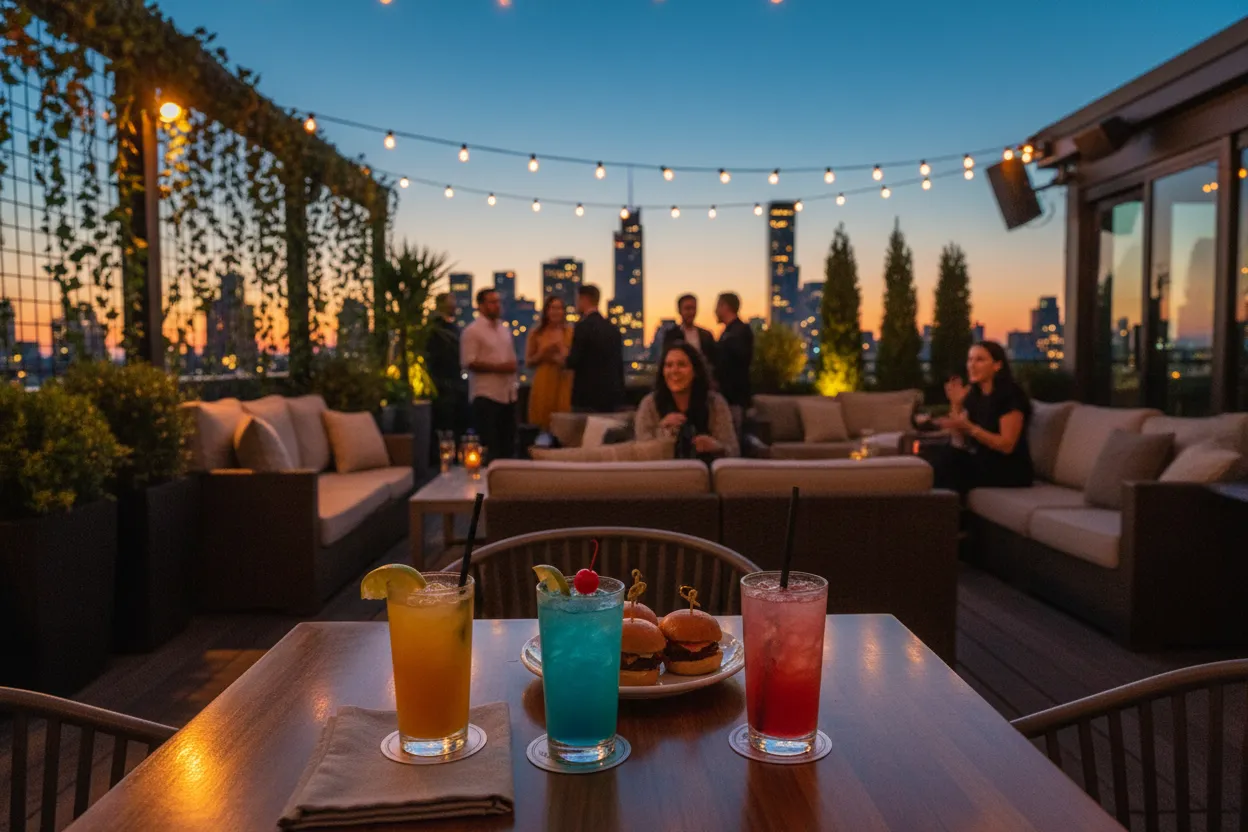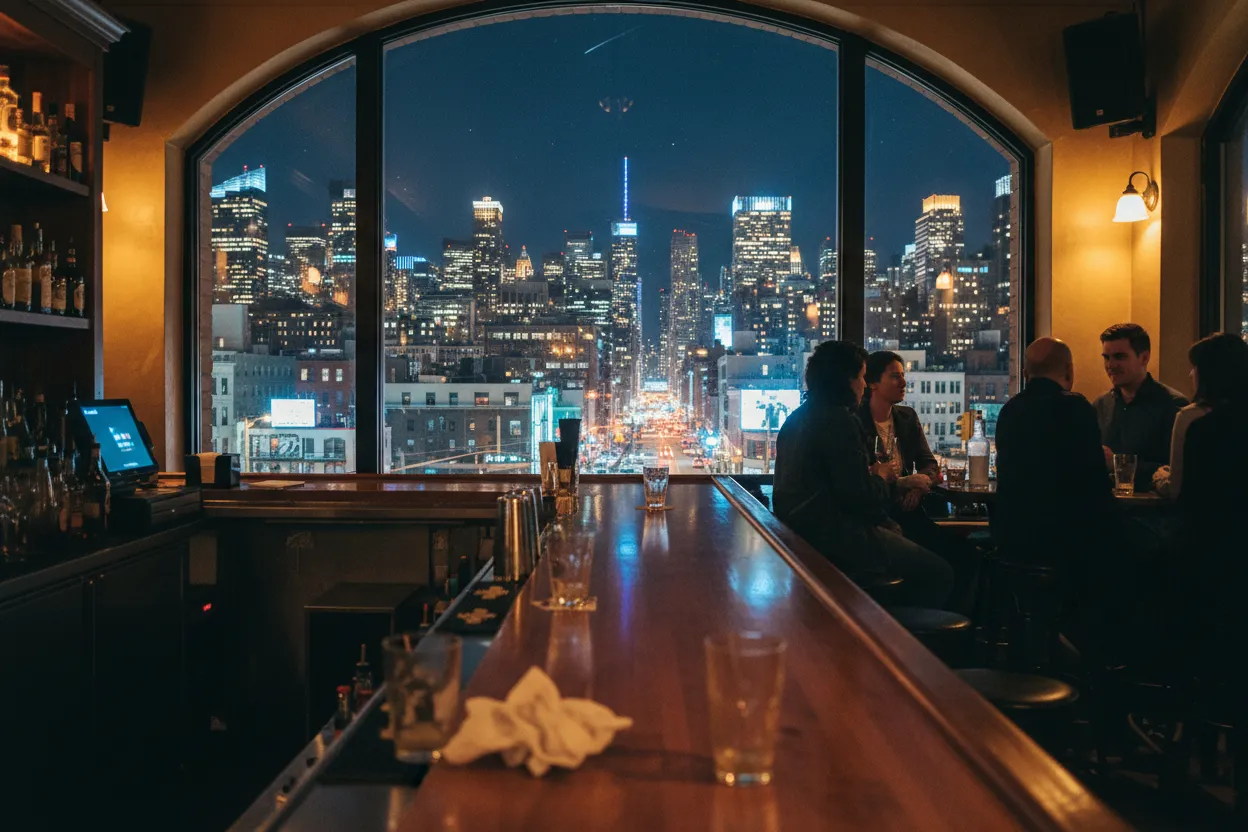
meteor shower: A NYC Night Out With Backups is not a claim that the sky over New York will perform on command. Treat the phrase as the night’s excuse: a timely reason to gather, pick a bar district, and keep the plan flexible. NYC is built for this kind of evening because the official tourism site frames the city as a place of constant energy, with eating, drinking, nightlife, arts, attractions, and activities across all five boroughs. That does not mean every room is open, quiet, affordable, or right for your group tonight. The smarter move is to verify each stop before you leave, keep the route short, and decide in advance when you will switch to a backup.
Want a quick read on whether your chosen bar route is too loud, too spread out, or too risky for a weeknight? Text Karpo before you go and ask for a tighter NYC backup plan.

Use the topic as the night’s conversation starter
Start with the meteor shower conversation, then immediately lower the stakes. In NYC, a search trend can pull people out of their apartments faster than a formal invitation, but the city plan should not depend on seeing anything overhead. Make the theme social rather than astronomical: one drink where everyone shares the most overhyped thing they have chased in New York, then a second stop that is calmer, brighter, or easier to exit.
This works especially well because NYC already has an official visitor framework built around things to do, eat and drink, nightlife, events, attractions, maps, and guides. Use that breadth to your advantage. Do not build the evening around a private roof, a restricted view, or an unverified party. Build it around public-facing venues you can check directly, with a route that still feels worthwhile if the sky, the crowd, or the room disappoints.
Keep the invite honest: “meteor shower drinks, no sighting promised.” That one line prevents the night from becoming a failed expedition. It also helps friends understand the real plan: meet at a convenient first stop, keep transit simple, and choose a second room only if the first one is too packed, too loud, or not matching the mood.
Choose sound level before cocktails
Before choosing a neighborhood, choose the sound level. A meteor shower hook can attract people who want a dramatic night, but not every group wants a dance floor, a DJ-adjacent bar, or a shoulder-to-shoulder room. NYC Tourism’s own nightlife coverage recognizes the city’s long dance-floor history and continuing nightlife energy, but your practical question is narrower: can your group actually talk?
For a conversation-led night, avoid making the first stop the loudest venue on your list. Pick a room that appears more suitable for sitting, ordering, and regrouping, then hold the louder option as the second stop. If you want music, reverse that logic: begin where the energy is highest, but set a firm departure checkpoint so the night does not get trapped by volume, coat piles, or a long wait for the next round.
Verification matters because sound is not a static policy. A bar can be quiet on one Tuesday and crowded the next because of a private booking, weather, a nearby event, or a short-staffed floor. Check the venue’s official site or social feed before leaving for hours, entry rules, reservations, special programming, and any notice that would change the mood.

Build a walkable two-stop route
The best NYC bar backup is not across town. It is around the corner, or at least within a walk that your least patient friend will accept. The official tourism material describes NYC by borough, with Manhattan’s skyline and centrality, Brooklyn’s world-class nightlife and cuisine, Queens’ range of global dining, the Bronx’s deep culture and food history, and Staten Island’s ferry-linked attractions and dining. That range is real, but a single night out should not try to prove it.
Pick one borough zone and stay disciplined. A Manhattan plan can lean on density and subway-accessible cultural districts; a Brooklyn plan can lean on nightlife and food variety; a Queens plan can work beautifully when the group cares as much about dinner as drinks. The point is not to crown one area. The point is to avoid a night where the second stop requires a long ride, a platform wait, and a group text argument.
Your two-stop route should have three checks: first, the walking path between stops; second, the official hours and access rules for each room; third, the exit route home. If any one of those is weak, replace the stop before you are standing outside with five people asking what happens next.
Keep food and late transit in the plan
A bars night fails faster when food is treated as optional. The official NYC tourism site highlights eating and drinking as core parts of the city experience, and it also lists NYC Restaurant Week Summer 2026 from July 20 through August 16, with two-course lunches and three-course dinners across all five boroughs starting at $30. If you want to use that program, verify current participating restaurants, menus, dates, and booking details on the official page before building the night around it.
For this particular Tuesday, food can be the stabilizer. Put dinner or a substantial snack before the second drink if your group is coming from work. If Restaurant Week is part of the plan, treat it as an early anchor rather than a late rescue; prix fixe programs can have participation details and availability that change by restaurant. If it is not part of the plan, still identify a public, verifiable food option near the first or second stop.
Transit needs the same skepticism. The provided official MTA source extract returned an access-denied page, so do not rely on secondhand assumptions inside the plan. Before leaving, check the official MTA service information from your own device for subway, bus, railroad, and accessibility status. Then set a latest-departure time that protects the easiest ride home, not the most optimistic one.
Know when to switch to the backup room
Decide the switch rule before anyone orders. A practical rule is simple: if the first bar has a long entry delay, no suitable seating, a volume level that kills conversation, or an access issue for someone in the group, move to the backup. Do not debate whether the room might improve after one more round. In NYC, hesitation is how a flexible night becomes a crowded sidewalk meeting.
Crowd risk is especially important when a timely phrase like meteor shower gives people a reason to go out. That does not mean a specific venue will be busier, and you should not assume an event exists unless the venue confirms it. It means your plan should be built for ordinary New York friction: full rooms, changing hours, private events, reservation holds, weather, and transit delays.
The backup room should not feel like punishment. Choose it for a different advantage: easier entry, quieter tables, better food proximity, or a more direct ride home. If the first stop is atmospheric but chaotic, the second should be functional. If the first is calm but sleepy, the second can add energy. A backup is not failure; it is the reason the night keeps moving.

Verify the night’s program before leaving
The final check is not glamorous, but it is the difference between a clean night out and a preventable mess. Open each venue’s official page and confirm hours, address, reservation requirements, age or entry rules, payment notes, programming, and any closure notice. If you are using an official tourism guide, event listing, or restaurant program, click through to the most current source before relying on it.
Also check city-facing resources with humility. The official NYC Parks extract provided here returned a 403 error, so this article cannot make claims about park access, viewing areas, closing times, or special sky-related conditions. If your group is tempted to add a park stop, verify access and rules through the official parks source from your own device before you go. Do not assume a green space is open, appropriate, or managed for late-night gathering.
Your finished plan should fit in one text: first stop, backup stop, food option, nearest transit check, switch rule, and latest departure. That is enough structure for a Tuesday night without turning drinks into logistics theater. Let the meteor shower phrase start the conversation, then let verification protect the evening.
Tags: #AskKarpo #BeforeYouGo #NYCNightlife #NYCBars #MeteorShower #NYCDrinks #NewYorkCity #ManhattanNights #BrooklynNightlife #QueensEats #NYCTransit #RestaurantWeek #NightOutPlan #BackupPlan
Sources consulted: nyctourism.com · new.mta.info · nycgovparks.org
All trademarks are the property of their respective owners.
Ask Karpo first
Ask Karpo first if your night depends on a trend, a rooftop rumor, or a shaky group chat. Send the neighborhood, preferred sound level, food needs, and latest ride-home time, and Karpo can help pressure-test the plan before you are already outside.