When the 2026 US Open returns to the USTA Billie Jean King National Tennis Center in Flushing Meadows Corona Park, tens of thousands of visitors will ride the 7 train into Queens with phones charged, cameras ready, and the instinct to document every moment. But between the tournament's prohibited-items policies, the density of the crowds, the etiquette of live tennis, and the sheer sensory overload of a two-week Grand Slam, your relationship with your phone—and your photo-sharing habits—will shape your day more than you might expect. This guide uses the lens of meta stock attention habits to help you plan a mindful, present, and practical US Open visit that respects the event, your fellow fans, and your own experience, all while navigating the rhythms of Queens transit, food breaks, and the neighborhoods that bookend your tournament day.
Text Karpo with your US Open session time and Queens starting point, and we’ll turn this phone focus and photo sharing boundaries into a practical local plan.
Understanding the US Open's Device and Photography Policies
Before you board the 7 train, review the official prohibited-items guide at usopen.org. The US Open permits personal phones and small point-and-shoot cameras, but professional cameras with detachable lenses, tripods, selfie sticks, and large bags are not allowed. Video recording and flash photography are prohibited during play, and ushers enforce silence and stillness during points. These rules exist to protect player concentration and the integrity of the match, but they also create a natural boundary: you can capture moments between games, during changeovers, or in the grounds, but you cannot live-stream every rally or hold your phone aloft during a tiebreak. Planning your photo habits around these constraints—rather than against them—will make your day smoother and more enjoyable.
Setting Your Own Phone Focus Intentions Before You Leave
Meta stock attention habits—the patterns of checking, scrolling, and sharing that shape how we allocate focus—are worth examining before a long, immersive event day. Decide in advance what you want to document and why. Are you capturing a few wide shots of Arthur Ashe Stadium for a family album? Are you sharing real-time updates with friends who couldn't make it? Or are you hoping to stay present and minimize screen time? There's no single right answer, but setting an intention helps you avoid the reflexive phone-check that can fragment your experience. Consider putting your phone on Do Not Disturb during matches, designating specific photo moments (arrival, a favorite player's entrance, the sunset view from the grounds), and leaving the rest to memory. This approach aligns with the tournament's etiquette and gives you permission to be a spectator, not a documentarian.
Navigating the 7 Train and Pre-Event Routines in Queens
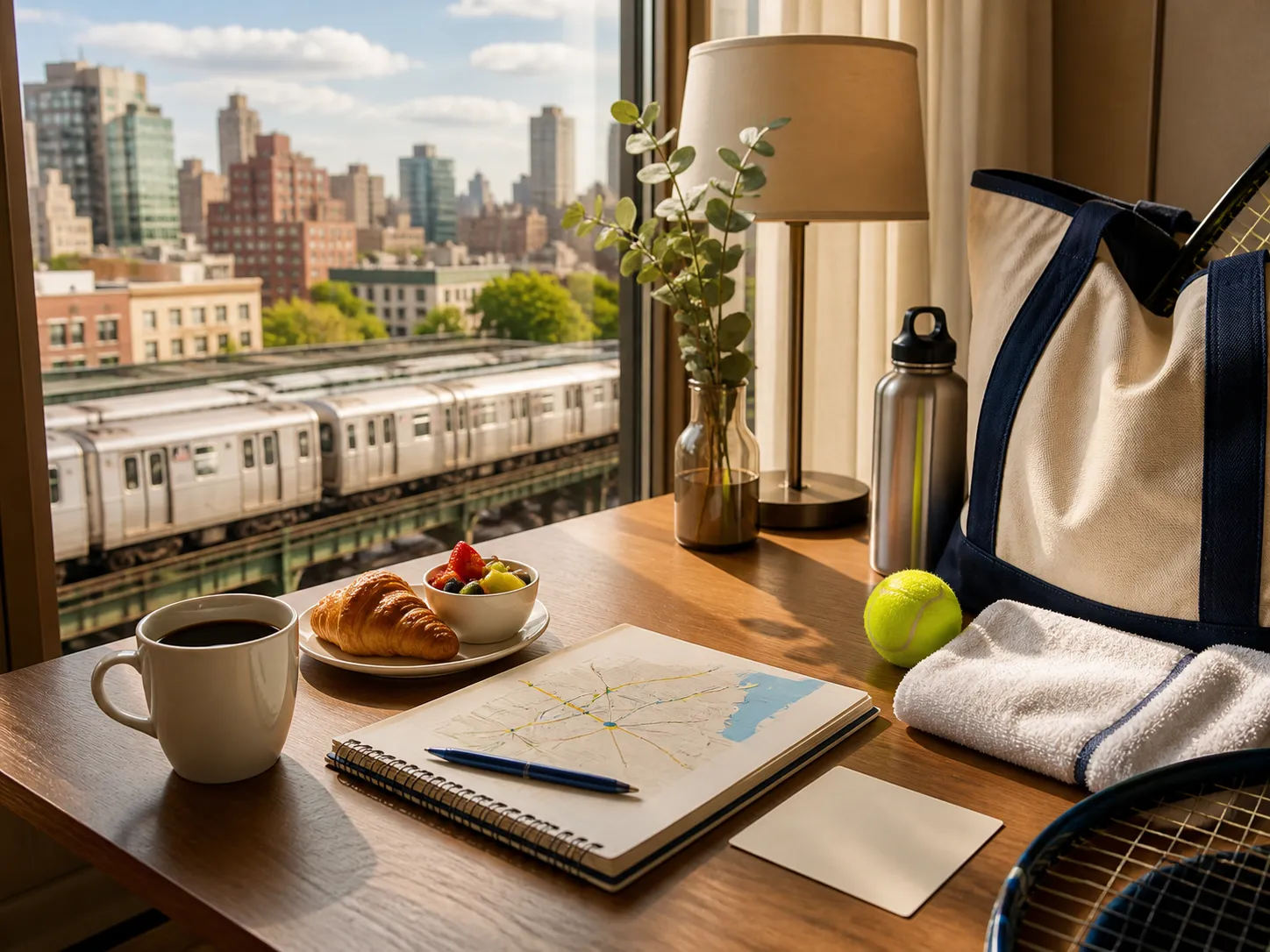
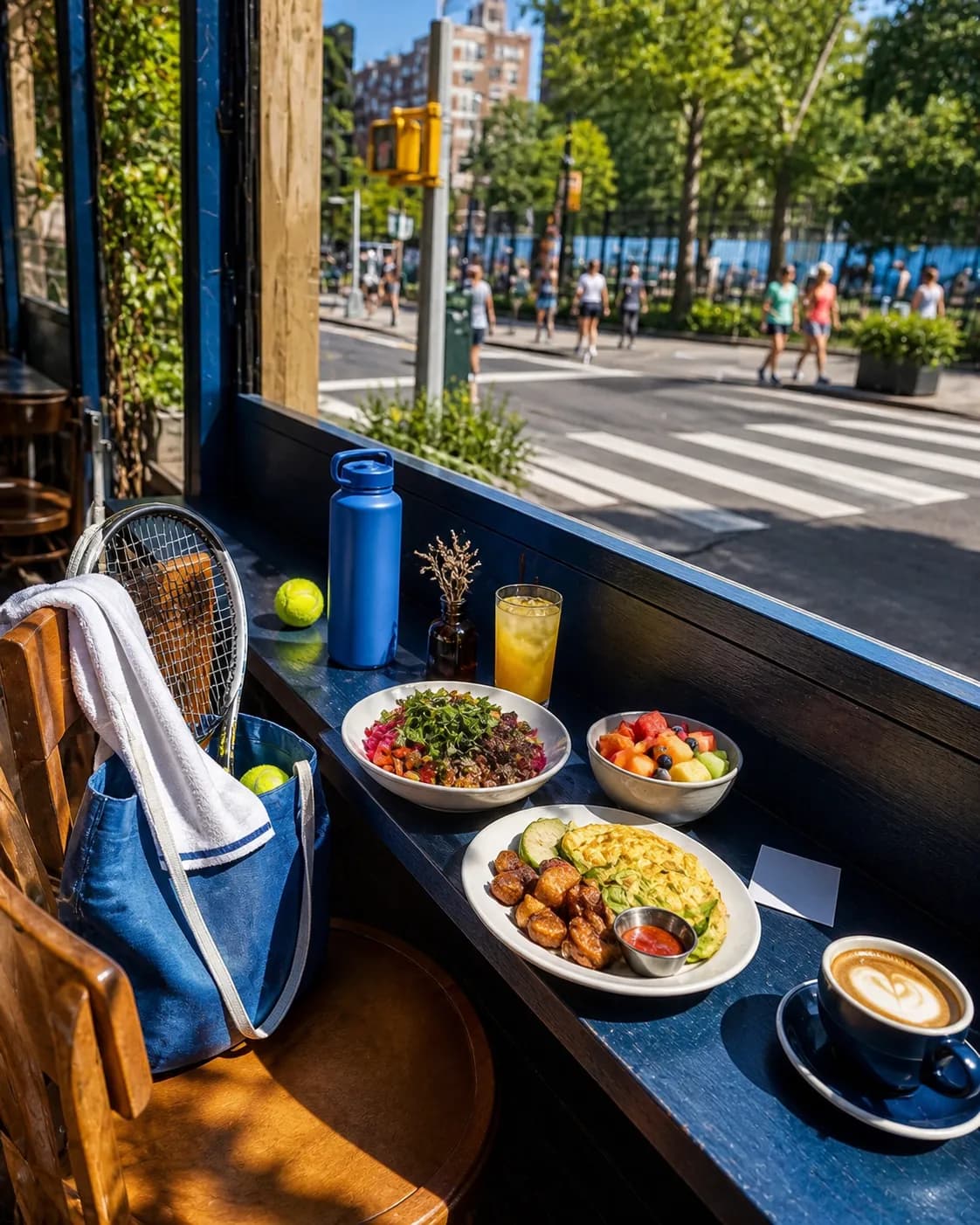
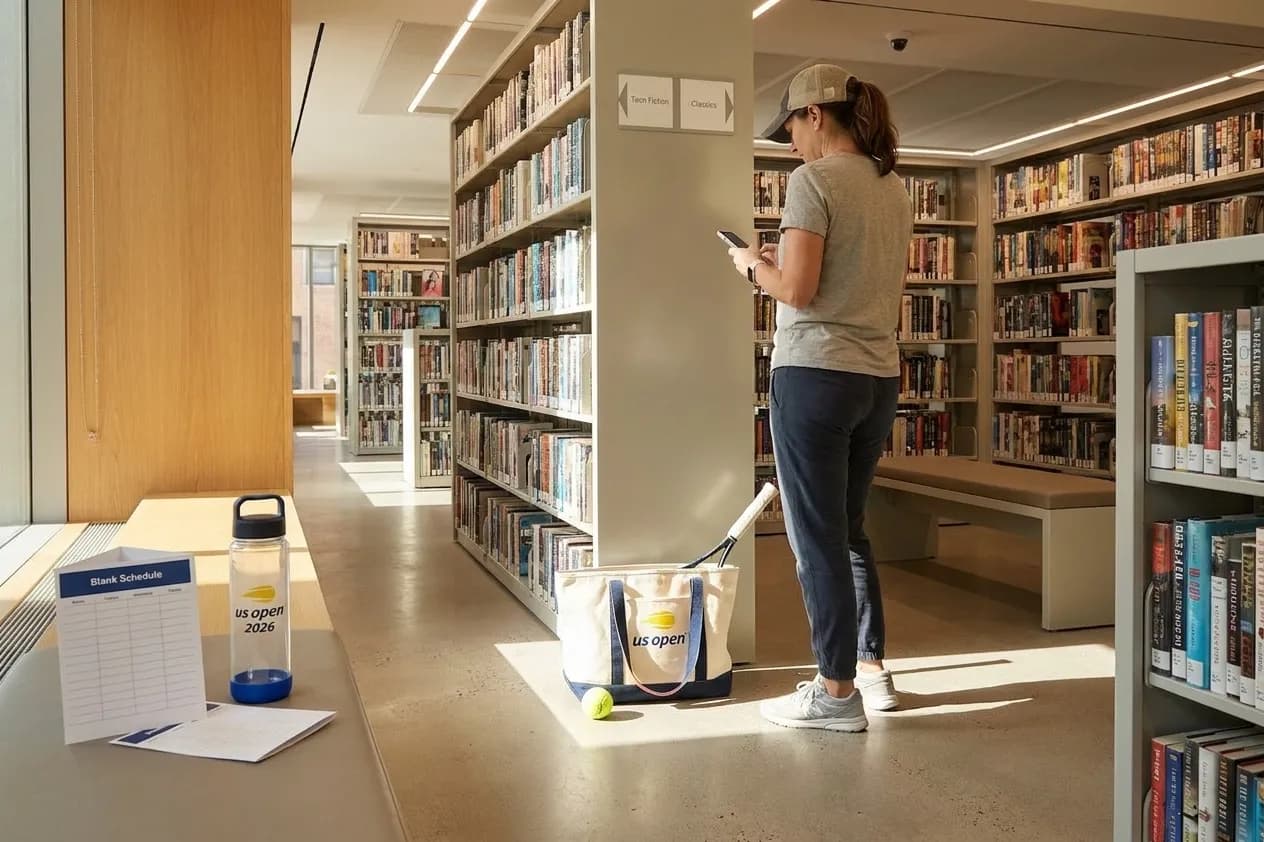
The 7 train is the primary artery for US Open visitors, running from Manhattan through Long Island City, Hunters Point, Queensboro Plaza, and into the heart of Queens—Woodside, Jackson Heights, Corona, and finally Mets–Willets Point, the stop for Flushing Meadows. The MTA publishes a dedicated US Open transit guide at new.mta.info/guides/stadiums/us-open, and service is typically increased during the tournament. Use the ride to settle your phone habits: download your tickets, check the day's schedule on the US Open app or website, and then tuck your phone away. The 7 train offers a window into Queens' diversity—street vendors at 74th Street–Broadway, the buzz of Roosevelt Avenue, the Citi Field skyline—and paying attention to the journey can ground you before the tournament's intensity. If you're starting your day early, consider a breakfast stop in Jackson Heights or a coffee near the Flushing Library before heading to the grounds.
On the Grounds: When to Shoot, When to Watch
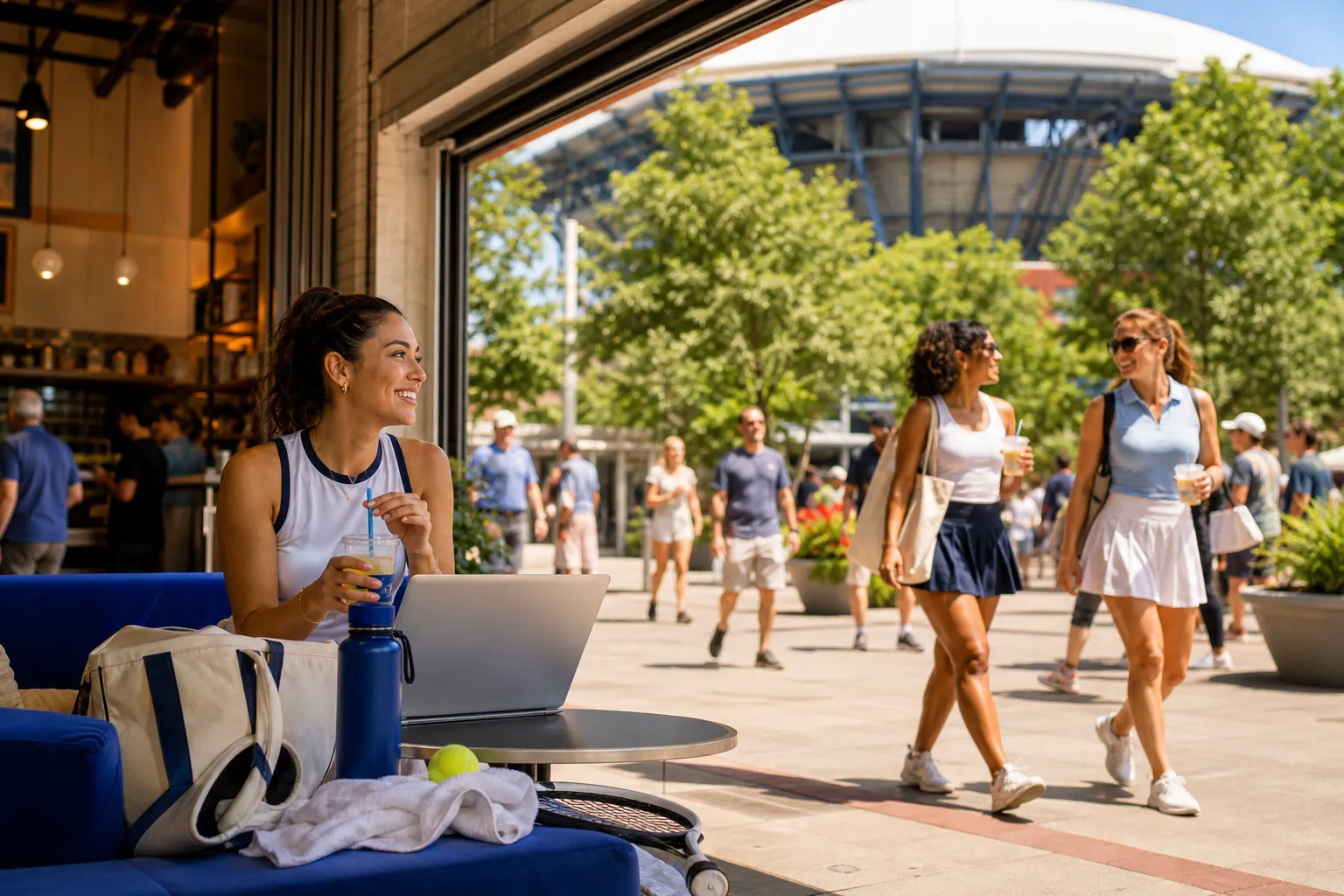
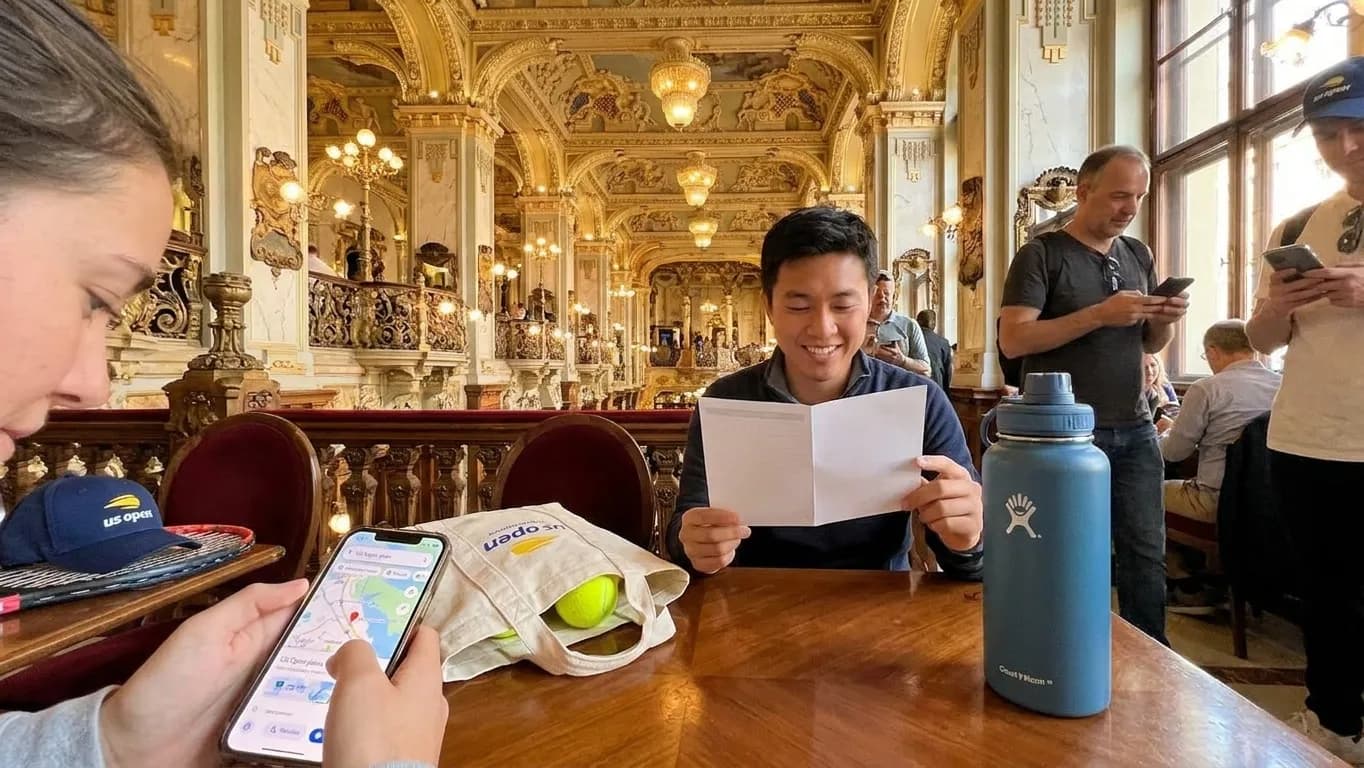
Once you're inside the USTA Billie Jean King National Tennis Center, the grounds themselves offer countless photo opportunities: the Unisphere visible from certain vantage points, the colorful food pavilions, the practice courts, and the architecture of Arthur Ashe, Louis Armstrong, and the Grandstand. These are ideal moments to use your phone. But when you take your seat for a match, the calculus changes. Ushers will remind you to silence devices and refrain from movement during points. If you want a shot of the court, wait for a changeover or a break between games. Respect the players and the fans around you by keeping your phone low, your screen dimmed, and your focus on the action. The best photos often come from the quietest moments—a player's towel routine, the crowd's reaction, the light shifting across the stadium—and those require patience, not rapid-fire shooting.
Photo Sharing Boundaries and Social Media Etiquette
The impulse to share a US Open moment in real time is natural, but consider the trade-offs. Posting a story or a tweet pulls you out of the present, drains your battery, and can annoy those around you if you're typing during a match. A practical compromise: take photos during breaks, then batch your sharing during a longer pause—lunch, a walk around the grounds, or the commute home. This approach respects the event's rhythm and gives you time to curate your images thoughtfully. If you're attending with friends or family, discuss photo-sharing boundaries in advance. Not everyone wants their face or their reactions broadcast, and checking in before you post is a small courtesy that strengthens trust. The US Open is a public event, but your companions' comfort matters more than your follower count.
Battery, Charging, and Practical Phone Management
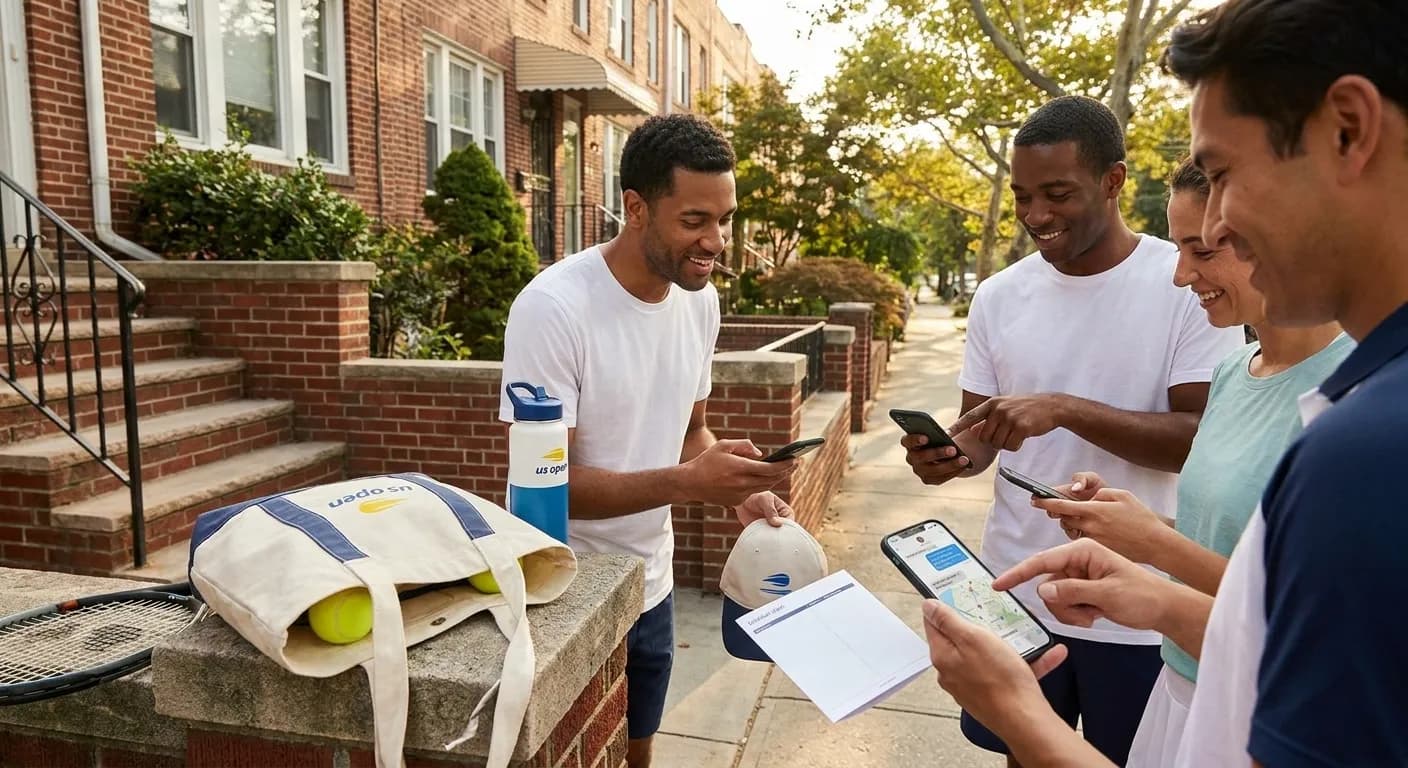
A full day at the US Open—especially if you're attending multiple sessions or staying from morning through night matches—will test your phone's battery. The official visitor A-Z guide at usopen.org lists amenities, but charging stations can be crowded and may not be available in every section. Bring a fully charged portable battery pack, and use Low Power Mode to extend your device's life. Prioritize essential functions: tickets, schedule checks, and emergency contact. If you're planning to meet friends on the grounds, agree on a physical landmark (the Unisphere, a specific food pavilion, the entrance to a particular court) rather than relying on constant texting. This reduces battery drain and simplifies coordination. And if your phone dies? You'll survive. The US Open existed long before smartphones, and the experience is richer when you're not tethered to a screen.
Post-Event Reflection and Queens Wind-Down Spots
After your session ends, the walk back to Mets–Willets Point offers a chance to decompress. If you're not in a rush, consider a detour into Flushing Meadows Corona Park itself—the Unisphere, the Queens Museum, or the park's meadows and playgrounds provide a quieter counterpoint to the tournament's energy. Alternatively, take the 7 train a few stops west to explore Flushing's night markets, Jackson Heights' diverse food scene, or Long Island City's waterfront parks. These neighborhoods reward visitors who linger, and they're ideal settings to review your photos, share your highlights, and reflect on the day without the pressure of real-time posting. Check business hours and transit schedules on official sources close to your visit, and give yourself permission to end the day at your own pace.
US Open, USTA Billie Jean King National Tennis Center, Flushing Meadows Corona Park, the Unisphere, Citi Field, and all related marks are trademarks of their respective owners. MTA, NYC Parks, and Queens Public Library are official city and transit agencies. This article is an independent editorial guide and is not sponsored by, affiliated with, or endorsed by the United States Tennis Association, the USTA, the US Open, the MTA, NYC Parks, or any business mentioned. All information is for general planning purposes and should be verified with official sources close to your visit.
Ask Karpo First
Tags: #USOpen2026 #Queens #FlushingMeadows #KarpoFinds #Karpo #metastock #NewYorkLocal #TennisTravel #NYCLocalLife #TennisTravel
Sources consulted: usopen.org — Official event schedule · usopen.org — Official visitor A-Z guide · usopen.org — Official transportation directions · usopen.org — Official prohibited-items guide · MTA — Official US Open transit guide · NYC Parks — Flushing Meadows Corona Park · Queens Public Library · MTA — Service status
All trademarks are the property of their respective owners.
Ask Karpo first
Want to know what is actually open, how to time the trip, and where to pause around Queens? Ask Karpo for the latest public US Open context, a respectful visitor plan, and a live route around Flushing Meadows before you head out.