 Clubs Near Me in Ridgewood: Nowadays' Outdoor Dance Floor
Sports Social
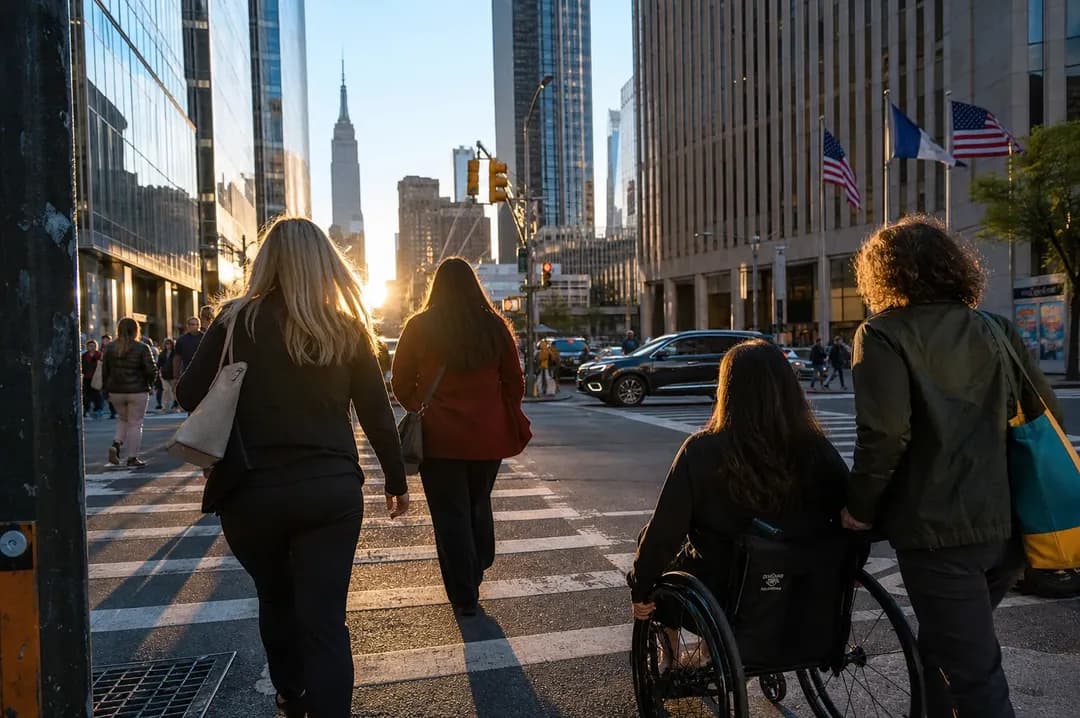
Mercury vs Dream: NYC Arena Accessibility and Sensory Break Planning
A lower-friction NYC basketball outing starts before tickets, with access, crowd flow, and decompression time treated as part of the plan. Use the mercury vs dream search moment as a prompt to choose routes, seats, and meetups that support adult beginners and friends building confidence around the game.
Search interest around mercury vs dream can be useful even when the exact game is not in NYC: it gives new fans a reason to gather, watch elite women compete, and turn that energy into a local basketball plan. For Karpo users in NYC, the better question is not only where to watch or how to get there, but how to reduce friction for friends, disabled fans, sensory-sensitive guests, and adult beginners who may be thinking about joining a women’s basketball clinic in spring or summer. Treat the outing like a route plus recovery plan: confirm the venue’s current accessibility services, check event-specific entry policies, review MTA schedules, maps, fares, planned service changes, elevator and escalator status, and service alerts, then choose a seating and transit handoff that leaves enough space for breaks, late arrivals, and first-time nerves.
Text Karpo your NYC starting point, mobility or sensory preferences, companion count, and arrival window for an arena-access plan with a quieter backup activity nearby.
Start With Access Before Atmosphere
The biggest planning mistake is choosing the most exciting seat first and solving access later. For an NYC arena outing, reverse the order. Begin with the guest who has the highest access need, then work outward: entrance approach, security line, ticket scanning, restroom path, seating transition, concessions decision, and exit plan. If someone uses a mobility device, has low vision, manages fatigue, or simply gets overwhelmed in crowds, the best plan is the one with the fewest unknown transitions, even if it gives up a perfect center-court view.
Because this guide is built from limited official extracts, avoid assuming a specific arena policy is current. Before buying, verify the venue’s official accessibility page and event page for accessible entrances, companion seating rules, bag policy, assistive listening options, re-entry rules, and guest services location. Then check the MTA site for schedules, maps, fares and tolls, planned service changes, elevator and escalator status, accessibility information, real-time alerts, and the guide for getting to NYC-area stadiums and arenas on transit. The goal is a plan that survives real conditions, not a route that only works on a perfect map.
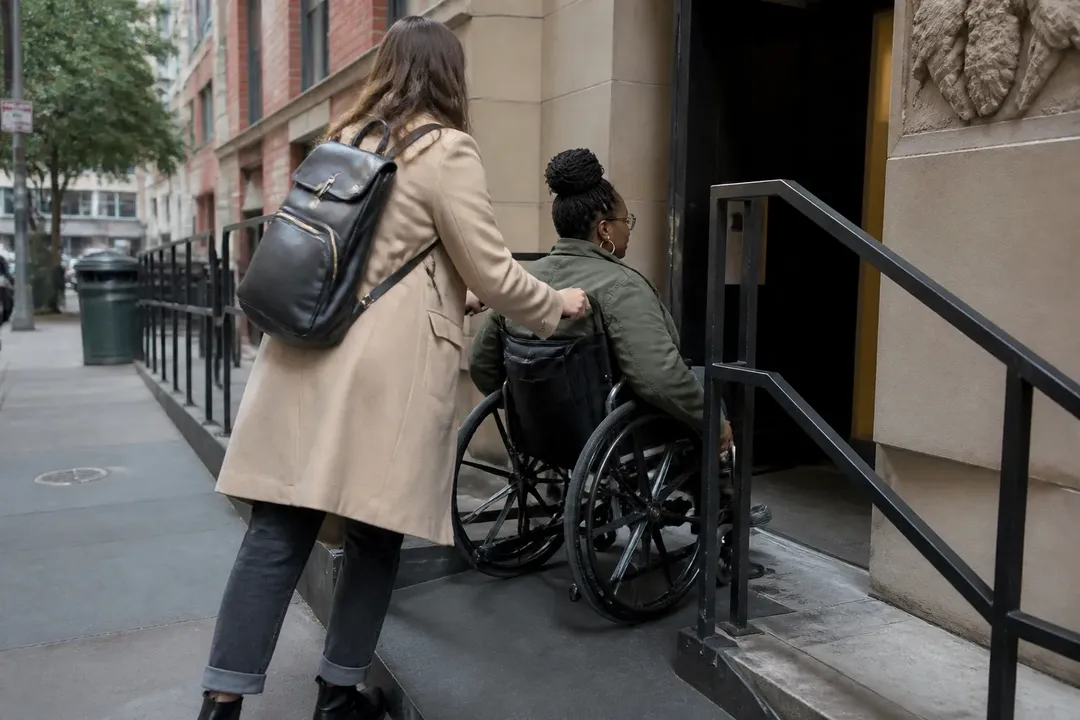
Compare Entrances Like Time Costs
Accessible entrances should be compared as time costs, not just as labels on a map. A main entrance may feel socially easier because everyone meets there, but it can also mean denser lines and more stop-start movement. A quieter accessible entry can reduce stress, yet it may require a more precise meet-up point and clearer texting before arrival. For groups with friends forming a recreational league team, assign one person to confirm entry policy and one person to handle the arrival window so the group is not solving logistics at the curb.
For sensory break planning, think about what happens immediately after entry. The first ten minutes often include ticket scanning, bag checks, escalator or elevator decisions, bathroom stops, and food choices all at once. If someone needs lower stimulation, do not force every decision in that first crush of movement. Pick a simple default: enter, move away from the densest line, identify guest services or a staffed information point if available, then decide whether to go directly to seats or pause in a less crowded concourse area. A mercury vs dream watch plan can still feel social without requiring everyone to move at the same speed.
Choose Seats For Transitions
For beginner fans and adult learners, seat choice shapes the whole night. Lower rows can feel close to the athletes and make the game more emotionally powerful, but they may involve more stairs, tighter pass-throughs, or more frequent interruptions as people move in and out. Aisle-adjacent seats can make breaks easier, while deeper row seats may feel less exposed. Accessible seating and companion arrangements must be confirmed through the official venue or ticketing channel because availability and rules can change by event.
If the outing is meant to inspire people to start playing, prioritize comfort over spectacle. Friends planning to enroll in beginner women’s basketball clinics across NYC boroughs may benefit from being able to talk through what they are seeing: spacing, footwork, defensive stance, warmup rhythm, and how players communicate. A seat with a manageable exit path can make that learning easier because no one feels trapped. Solo skill-builders may want an aisle route so they can step out, reset, and return without turning the entire evening into a social performance.
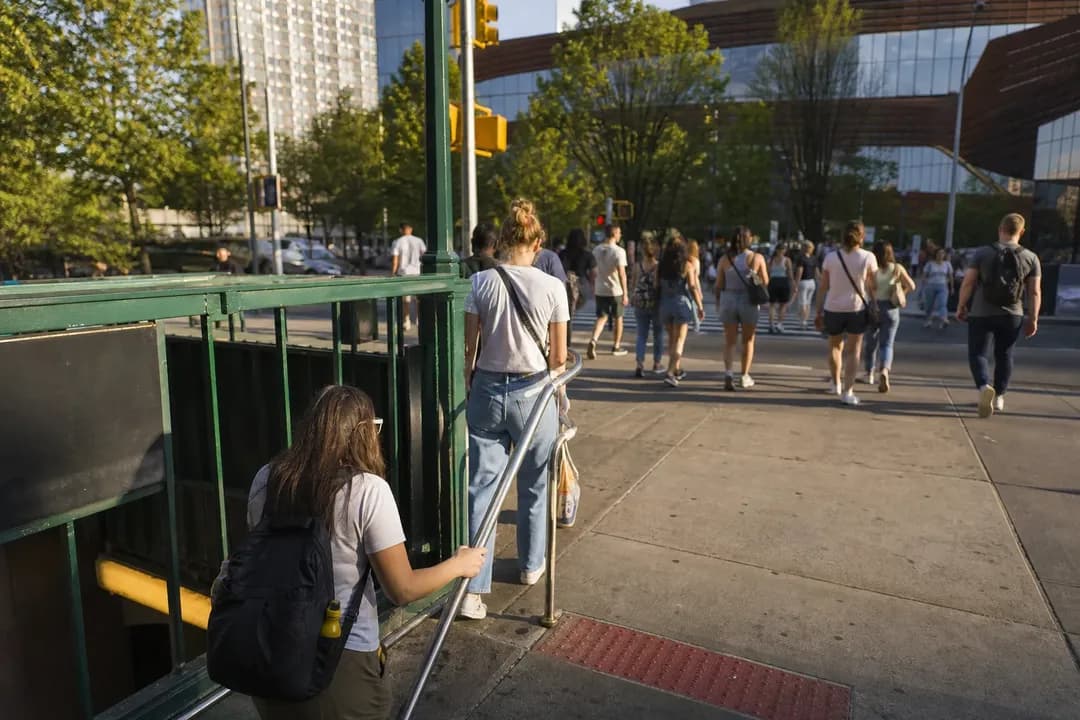
Build A Quiet Break Map
A sensory break map does not need to promise silence. In an arena setting, the practical target is lower intensity: fewer shoulder-to-shoulder bottlenecks, less direct speaker impact, a place to sip water, and a path back to the seat that is easy to explain. Before the event, scan the venue’s official map if available and mark three possible pauses: one near entry, one near the seating section, and one outside the immediate post-game exit flow. Do not rely on a single quiet spot, because event operations can shift by crowd size and staffing.
The most useful group norm is permission. Say in advance that anyone can take a break without explaining why, and that the group will use a simple text check-in rather than making the person defend the decision. That matters for new fans who are there because women’s basketball feels empowering but still find crowds exhausting. It also matters for people who are using the game as a bridge into clinics: if the outing feels manageable, the next step of joining a beginner-friendly practice with coaching support feels more reachable.
Make Transit The Handoff
Transit planning is where the outing becomes either smooth or brittle. Use MTA resources before departure, not after the final buzzer: schedules, maps, fares, planned service changes, elevator and escalator status, accessibility guidance, and real-time alerts all affect whether the route works for the people in your group. If a route depends on an elevator, check status close to departure and have a backup. If someone uses paratransit, the MTA site includes Access-A-Ride booking and management as a relevant planning path, so build the social schedule around that handoff instead of treating it as an afterthought.
A good exit plan has two speeds. The fast group can leave immediately for transit, while the slower group waits for aisles and concourses to thin. Pick a post-event meeting point that does not require anyone to fight the thickest flow twice. For mercury vs dream fans using the night as motivation, the ride home is also when interest converts into action: compare borough clinic options, decide who wants a recreational league team versus solo skills work, and set a reminder for spring and summer enrollment windows without inventing dates that need official confirmation.
Tags: #NYC #SportsSocial #womensbasketball #arenaaccessibility #sensorybreakplanning #beginnerbasketballclinics
Sources consulted: Source 1: nycgovparks.org · Source 2: new.mta.info · Source 3: nypl.org · Source 4: a816-health.nyc.gov
All trademarks are the property of their respective owners.
Ask Karpo first
Ask Karpo to turn this NYC idea into a current plan for your date, budget, companion, transit preference, and energy level. Karpo can narrow the route and flag what to verify before you go.
Ask Karpo for more information.
Keep reading
- Clubs Near Me in Ridgewood: Nowadays' Outdoor Dance Floor
 Clubs Near Me in Gowanus: Public Records' Hi-Fi Sound System
 Events Near Me in Bushwick: Elsewhere's Multi-Room Rooftop Nights