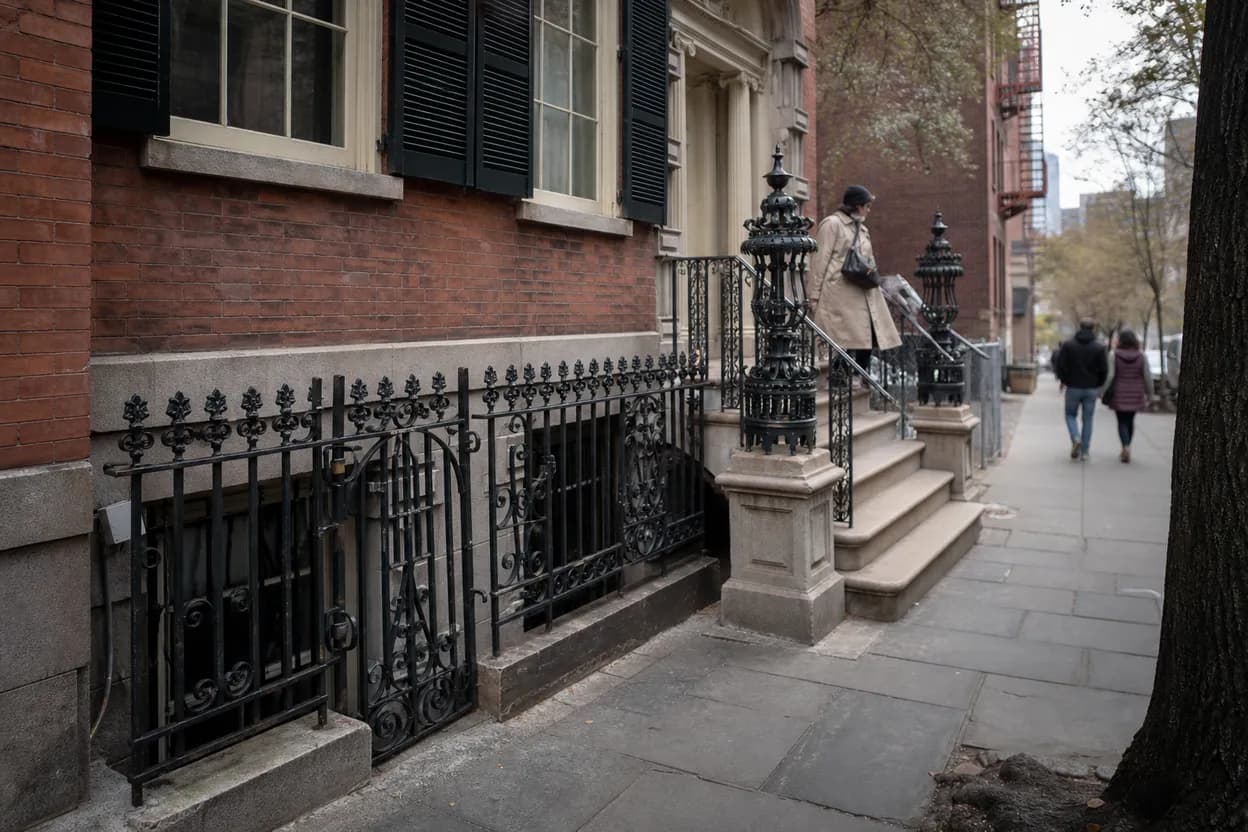
Merchant’s House Museum is not the NoHo stop for people who want a bright, frictionless museum sprint. It is a preserved 1832 row house at 29 East Fourth Street, currently open during restoration with visitors directed through Manuel Plaza at 35 East Fourth Street. As of the museum’s posted visitor information, self-guided visits run Wednesday through Sunday, 1 to 5 p.m., with last entry at 4:30 p.m.; guided house tours are listed at noon, with select 3 p.m. dates. The payoff is texture: family rooms, servant spaces, original furnishings, creaking stairs, and domestic history that feels unusually close.
Want a July plan that checks heat, tour timing, subway access, and backup stops before you leave? Text Karpo with your mood, neighborhood, and time window.
Why This House Still Feels Different
The museum’s value is not scale; it is survival. The house was built in 1832, bought by merchant Seabury Tredwell in 1835, and remained connected to the family until Gertrude Tredwell’s death in 1933. The museum says it opened to the public in 1936, preserving the feel of a private home rather than rebuilding a period set from fragments, labels, borrowed furniture, and modern display polish intact today.
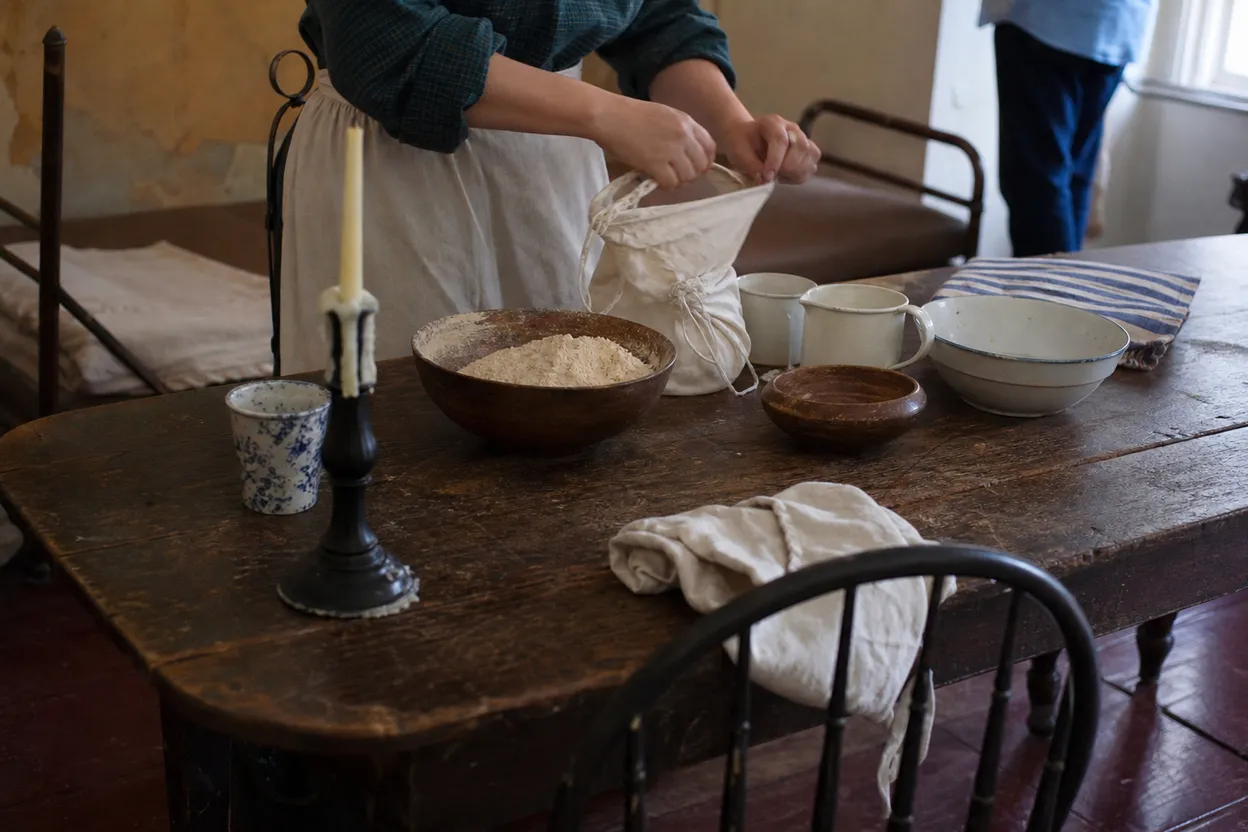
That intimacy cuts both ways. You are moving through rooms that ask for patience, not spectacle: parlors, bedrooms, kitchen spaces, and a rear garden on guided visits. It suits a curious city walker, a design-minded friend, or an older teen who can handle quiet observation. It is weaker for small children, stroller logistics, or anyone who needs big labels, elevators, climate control, and a fast exit rhythm from the start.
The July Use Case
In mid-July, the museum works best as a planned indoor pause near Broadway-Lafayette, Astor Place, or 8th Street, not as a random walk-up after lunch. The museum states the house is not air conditioned, so indoor does not mean chilled. Still, shade, slower pacing, and a roof overhead can beat wandering Lafayette Street when heat or humidity makes another outdoor block feel like work in the afternoon heat.
Treat the visit as a 45-to-75-minute decision, not an all-afternoon museum plan. The official self-guided estimate is 45 to 60 minutes, while the guided tour is listed at 75 minutes and covers five floors plus the garden. If the day is brutally hot, choose the earliest feasible slot, bring water for before and after, and do not count on the house itself as a cooling center nearby afterward.
Tickets, Timing, And Failure Modes
The practical split is simple. Self-guided admission is sold at the door with no reservations; posted prices are $15.50 general admission, $10.50 for seniors over 65 and students with ID, and free for children under 12. The museum says cash payment gets a 50-cent discount per ticket. Guided tours cost $20.50 general admission, with reservations recommended and walk-ins only if space allows that day during posted hours.
The failure mode is arriving with the wrong kind of flexibility. Last self-guided entry is posted at 4:30 p.m., guided capacity can sell down, and groups larger than 10 must schedule a private visit at least two weeks ahead. If you are building a NoHo afternoon around it, check the official hours page and reservation calendar the same day, especially around holidays, restoration work, private programs, or special events.
Getting There Without Overbuilding It
The museum lists nearby subway options as the N or R to 8th Street, the 6 to Astor Place, and the B, D, F, or M to Broadway-Lafayette. That makes it easy to pair with SoHo, the East Village, Washington Square, or a Public Theater stop, but the best route depends on weekend service changes. Use the MTA trip planner before leaving, not just a saved map pin.
Parking is the wrong default. The museum says it has no parking, with neighborhood meters, alternate-side spaces, and commercial lots nearby. For most visitors, the subway plus a short walk is the saner plan. If someone in your group has limited walking tolerance, confirm the temporary restoration entrance through Manuel Plaza and leave a little more time for the last block, tickets, bag check, and stairs before your preferred tour window.
Access Is The Deciding Detail
Accessibility is the biggest trip filter. The museum says tours visit four floors with 72 interior steps, plus seven steps to enter, and there is no elevator. It also says modern chairs are available in most rooms. That can work for someone who needs occasional sitting, but it is not workable for a wheelchair user or anyone who cannot safely handle repeated stairs in an old house during summer conditions.
The museum does provide some non-mobility accommodations: docents can describe rooms, a large-print self-guided tour is available, written tour materials are available, and service dogs are welcome. Sighted guides and sign language interpreters are admitted free when in service. If access needs will determine whether the visit is reasonable, email or call the museum before committing, because the building’s historic fabric creates hard limits that planning cannot remove.
What To Notice Once Inside
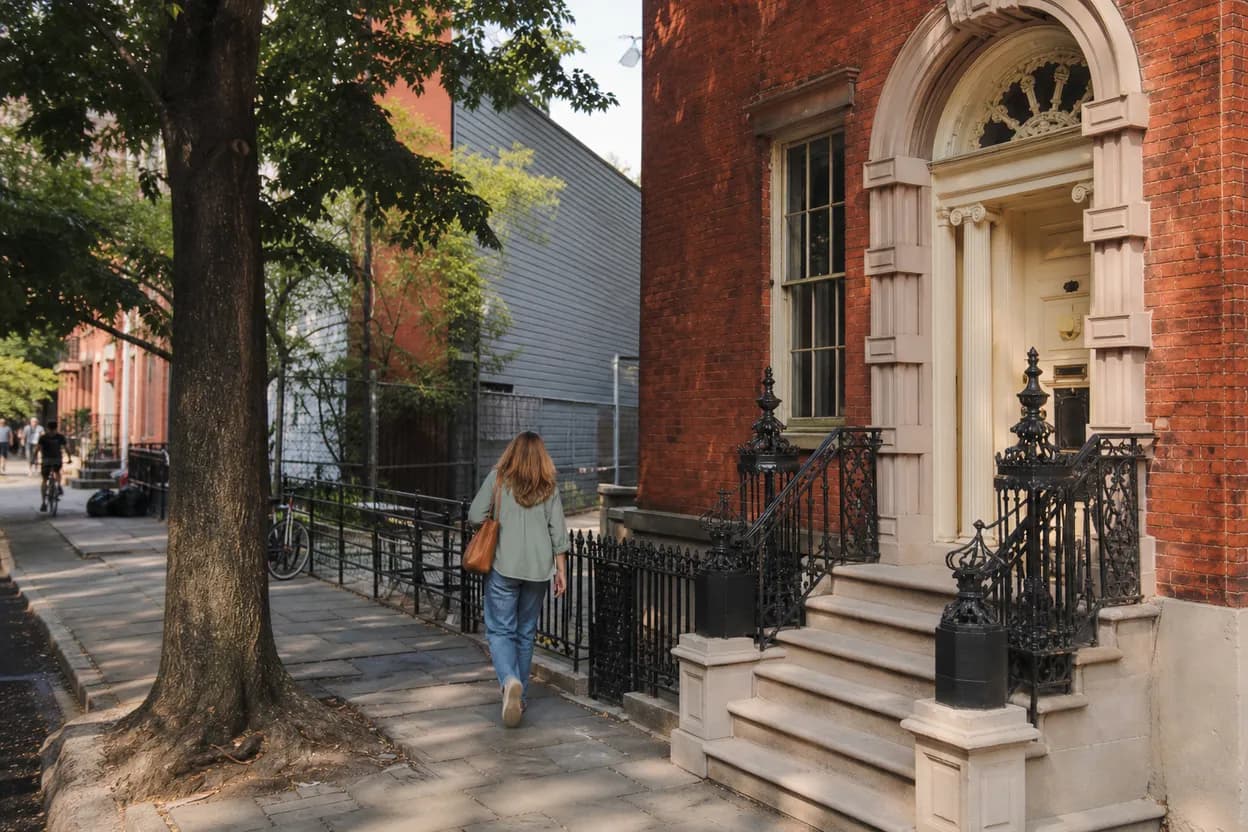
Look for the domestic systems, not just the pretty rooms. The museum’s own history emphasizes the 1832 structure, the Tredwell family’s long residence, original belongings, and the later fight to keep the place standing. The posted house description highlights its late-Federal brick exterior and Greek Revival interiors, which is why the rooms feel more like preserved evidence than decorative nostalgia, a stage set, or a polished period backdrop.
Current programming can change what you notice. The museum calendar has listed exhibitions included with regular admission, and summer 2026 materials have referenced “Slavery in Plain Sight: A 19th Century Merchant’s Home,” focused on New York’s economic ties to slavery through materials and objects in the Tredwell collection. Verify whether it is open on your visit date before treating it as part of the plan, because small-museum calendars can shift.
What to verify for Merchant's House Museum, NoHo, Manhattan
Check the official hours page for same-day opening, last entry, restoration entrance, admission, bag rules, and the no-air-conditioning note. Check the calendar if you want a guided tour, a current exhibition, or a special event rather than the baseline house visit. Check MTA service for Broadway-Lafayette, Astor Place, or 8th Street. Check the weather forecast, because summer heat changes how much stamina the stairs require for real visitors.
Have a backup that matches the reason you chose the house. If tickets, heat, stairs, or timing fail, pivot to a nearby cafe, bookstore, Public Theater lobby timing, or a shorter NoHo architecture walk instead of forcing it. This museum rewards people who arrive informed, move slowly, and accept the building’s limitations. The right expectation is a small, fragile time capsule, not a polished blockbuster with unlimited flexibility.
Tags: #MerchantHouseMuseum #NoHoNYC #HiddenGemsNYC #NYCHistory #HistoricHouseMuseum #NYCMuseums #NoHoWalks #IndoorNYC #SummerInNYC #NYCArchitecture #NYCTransit #AskKarpo #BeforeYouGo #KarpoNYC
All trademarks are the property of their respective owners.
Ask Karpo first
Tell Karpo your date, group size, budget, and starting neighborhood. We’ll check current access, timing, transit, and the cleanest plan for Merchant's House Museum, NoHo, Manhattan before you head out.