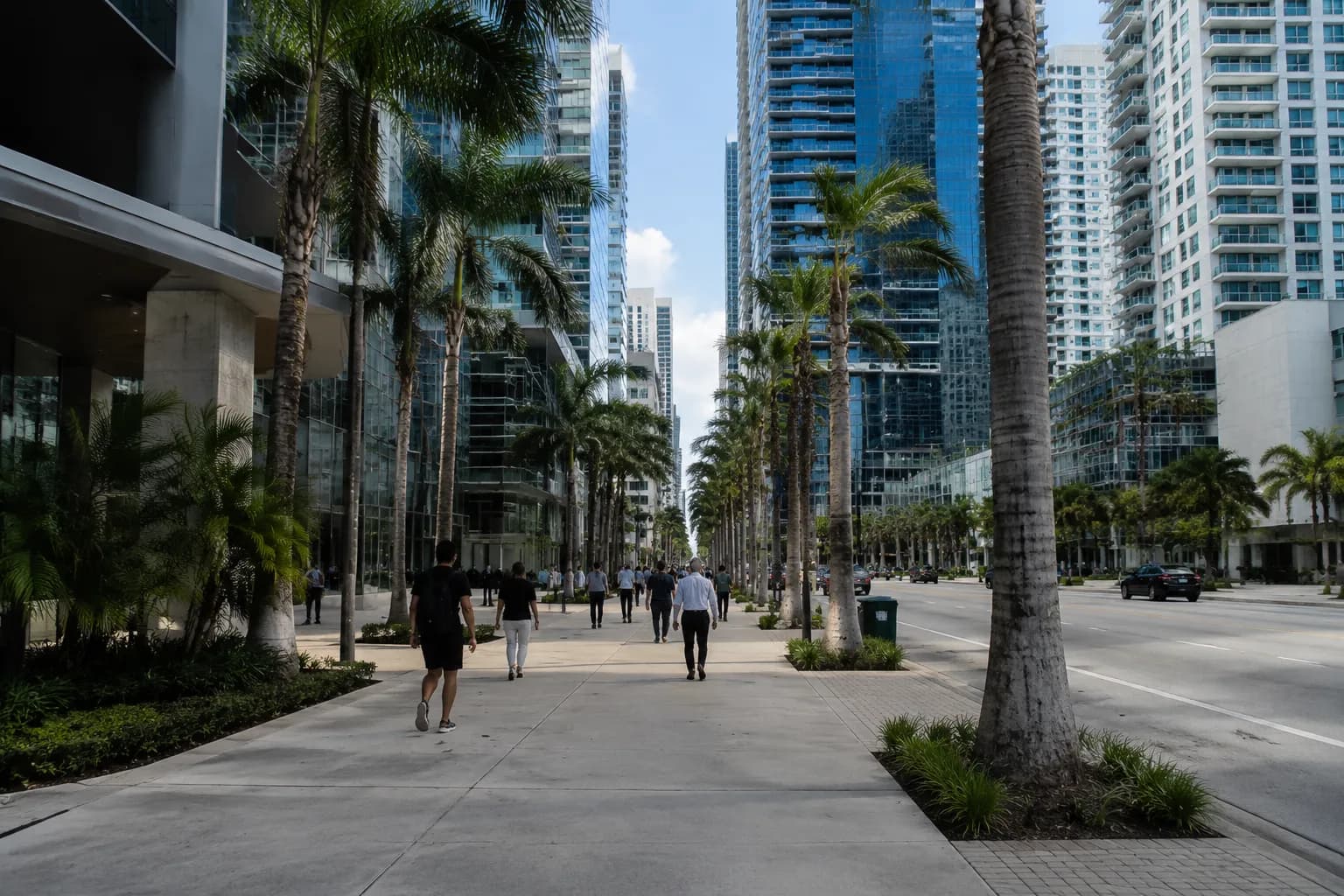
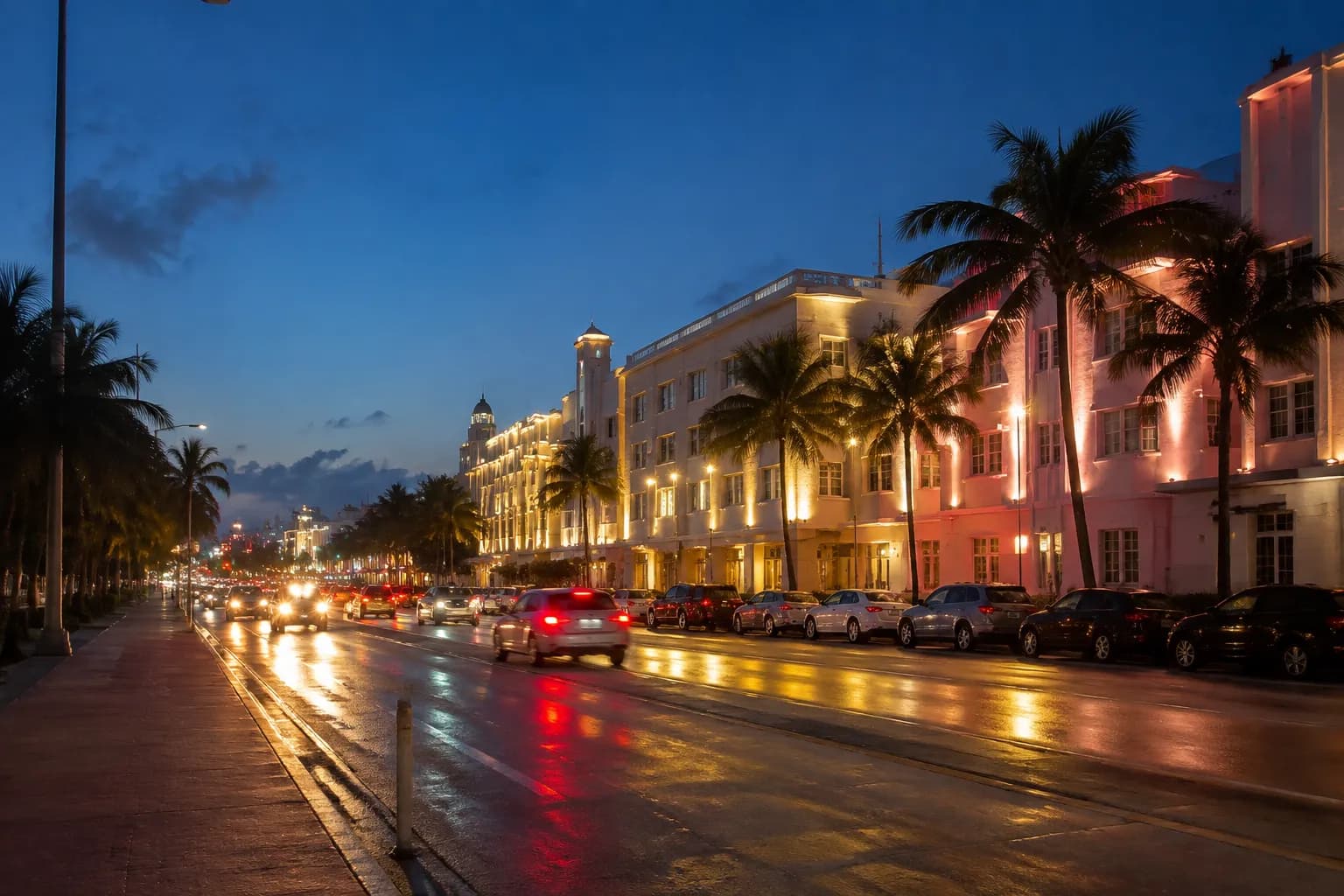
When meghan markle news dominates headlines, Miami's British-style pub scene transforms into an unexpected hub for media literacy. Across the city, venues with UK ties host informal weeknight discussion evenings where patrons—often expats, Anglophiles, and friends seeking thoughtful conversation—gather to dissect royal coverage, compare tabloid sensationalism with verified reporting, and debate the mechanics of modern media narratives. These gatherings treat royal news not as gossip but as a case study in information verification, offering a skeptical yet social lens on how stories travel from Buckingham Palace press releases to international front pages. The format suits those who enjoy accessible evening plans that combine familiar pub atmosphere with structured conversation, though prospective attendees should verify event schedules directly with venues, confirm whether UK newspaper access is provided, and ask if facilitators incorporate media-literacy frameworks into discussions.
Text Karpo your Miami starting point, timing, companion, and priorities for a current discussion_night inspired by meghan markle news, with one realistic backup before you leave.

Verifying Event Schedules and Discussion Formats Before You Go
British pub discussion nights rarely follow fixed weekly schedules, making advance verification essential. Some venues host royal-news evenings monthly or in response to major headlines, while others organize ad-hoc gatherings when stories trend. Call ahead or check venue social media to confirm dates, start times (typically 7–9 p.m. on weeknights), and whether registration is required. Ask whether the format is open discussion, moderated panel, or presentation-style, and whether facilitators have journalism or media-studies backgrounds. Understanding the structure helps you gauge whether the evening suits casual conversation or deeper analytical engagement.
Inquire about group size and seating arrangements. Smaller gatherings around a single table foster intimate debate, while larger events may split into breakout groups or use projection screens to display competing headlines side-by-side. Some venues provide printed materials—timelines of a story's evolution, fact-check summaries, or excerpts from royal correspondents—while others rely on participants bringing their own questions. Knowing the setup in advance lets you prepare talking points, decide whether to bring friends unfamiliar with royal protocols, and assess whether the environment matches your preference for structured learning versus freeform exchange.

UK Newspaper Access and Source Comparison Tools
A defining feature of quality discussion nights is access to multiple UK newspapers—both tabloids and broadsheets—allowing participants to compare how the same royal story is framed across outlets. Ask venues whether they subscribe to digital editions of The Times, The Guardian, Daily Mail, or The Telegraph, or if they display physical copies flown in or purchased from specialty newsstands. Some pubs project homepage screenshots onto screens, highlighting differences in headlines, photo selection, and placement. This side-by-side comparison reveals editorial choices: which outlets emphasize conflict, which prioritize palace statements, and which seek independent corroboration.
Without direct newspaper access, discussions risk devolving into memory-based debate or reliance on social media summaries. Venues serious about media literacy provide tools—laptops for live fact-checking, printed press-release archives, or links to Press Association wire copy—that ground conversation in primary sources. Participants can then trace how a palace briefing morphs through editorial layers, compare anonymous-source claims against on-the-record statements, and identify when speculation is presented as fact. This infrastructure transforms casual chat into practical training in information verification, skills applicable far beyond royal coverage.
Media-Literacy Frameworks and Critical Analysis Techniques
The most valuable discussion nights incorporate media-literacy frameworks—structured approaches to evaluating sources, bias, and narrative construction. Ask whether facilitators reference models like the CRAAP test (Currency, Relevance, Authority, Accuracy, Purpose) or lateral reading techniques, where participants verify claims by consulting independent sources rather than diving deeper into a single article. Some venues distribute one-page guides outlining questions to ask: Who benefits from this framing? What sources are cited? What context is omitted? These frameworks elevate discussion from opinion-sharing to skill-building, teaching participants to dissect any news story with the same rigor.
Effective facilitators also address psychological dimensions—confirmation bias, emotional triggers in headlines, and the appeal of narrative simplicity. Discussions might explore why certain royal stories go viral while others fade, how tabloids use ambiguous language to imply scandal without legal risk, or why readers gravitate toward conflict-driven coverage. By naming these patterns, participants develop skepticism that's analytical rather than cynical, learning to enjoy royal-watching as entertainment while maintaining critical distance. This dual awareness—engagement without credulity—defines the sweet spot these gatherings aim for, making them intellectually rewarding rather than merely reactive.

Transportation and Venue Logistics for Weeknight Evenings
Most British pubs hosting discussion nights cluster in neighborhoods accessible via public transit, important for weeknight events where parking may be limited and alcohol consumption expected. Miami's Metromover operates until 10 p.m. seven days a week, serving downtown areas where some UK-themed venues are located; confirm the nearest station and walking distance before committing. For venues outside Metromover range, check Metrobus routes or plan rideshare options, especially if discussions run past 9 p.m. and you prefer not to drive. Arriving 15 minutes early secures seating and lets you review any posted materials or chat with organizers about the evening's focus.
Consider venue atmosphere tradeoffs. Pubs with separate event spaces offer quieter environments for structured discussion, while open-floor venues blend conversation with ambient pub noise—lively but potentially distracting. Ask about food and drink minimums; some venues require a purchase to participate, while others charge a nominal cover for printed materials or guest speakers. Weeknight timing suits those with flexible schedules or who live nearby, but may challenge participants commuting from suburbs or juggling family obligations. Weighing these logistics against your interest level helps determine whether a given event is worth the trip or if you'd prefer waiting for a weekend iteration.
Who This Experience Suits and Conversation Dynamics
Royal-news discussion nights appeal most to expats nostalgic for UK media culture, Anglophiles curious about monarchy mechanics, and anyone interested in media literacy through accessible case studies. The skeptical-social tone attracts participants who enjoy debate without rancor, who can hold affection for royal tradition alongside critique of coverage excesses. Friends attending together benefit from shared reference points and post-event debrief opportunities, while solo participants often appreciate the structured format that eases conversation with strangers. The experience suits those comfortable with ambiguity—royal stories rarely have definitive answers, and discussions often end with more questions than conclusions.
Conversation dynamics vary by group composition. Expat-heavy gatherings may assume familiarity with UK media landscape and royal family trees, requiring newcomers to ask clarifying questions. Mixed groups benefit from facilitators who pause to explain context—why certain outlets have palace access, how royal correspondents operate, or what legal constraints shape UK reporting. The best evenings balance insider knowledge with inclusive explanation, letting enthusiasts dive deep while ensuring casual participants aren't lost. If you're new to royal-watching or media analysis, look for venues advertising "beginner-friendly" sessions or those that provide glossaries of terms, ensuring the learning curve enhances rather than hinders your enjoyment of the evening's social and intellectual exchange.
Tags: #BritishPubsMiami #MediaLiteracyEvents #RoyalNewsDiscussion #ExpatNightlifeMiami #UKCultureMiami #WeeknightSocialEvents #FactCheckingWorkshops #DiscussionNightsMiami #BritishExpatCommunity #CriticalThinkingEvents
Sources consulted: Source 1: miamidade.gov · Source 2: miamidade.gov · Source 3: mdpls.org · Source 4: miamibeachfl.gov
Please drink responsibly. Must be of legal drinking age.
All trademarks are the property of their respective owners.
Ask Karpo first
Ask Karpo to turn this Miami idea into a current plan for your date, budget, companion, transit preference, and energy level. Karpo can narrow the route and flag what to verify before you go.