Type mediterranean food near me in San Francisco and the results will mix together four kitchens that have almost nothing in common: Levantine cooking from Lebanon, Syria and Palestine; Greek and Turkish grilling; North African tagines and couscous; and the Californian style that borrowed the pantry and made something else entirely. They use different fats, different spice logic and different meal structures. Knowing which one you are walking into is the whole game.
Mediterranean is the least useful menu label in the city — it can mean a Levantine mezze table, a Greek grill, a Turkish bakery or a Californian kitchen with olive oil. Tell Karpo which of those you actually want tonight and it will find the version near you rather than the nearest thing wearing the label.
Levantine: the mezze table, and why you order backwards
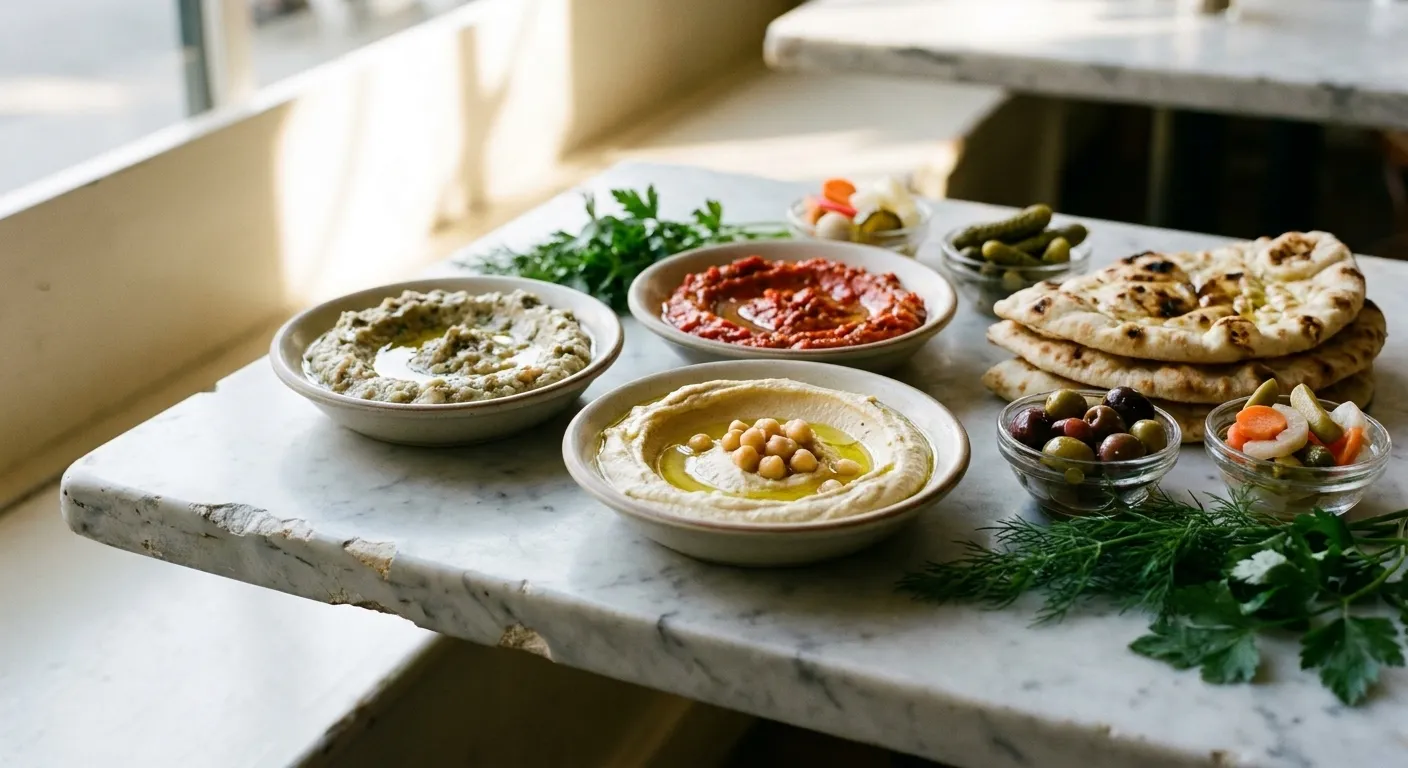
This is the dominant strand in San Francisco and the one most people mean. The cooking is built on olive oil, lemon, garlic, tahini, sumac and za'atar, with a table structure that runs small and cold to large and hot. The correct way to order is backwards from the usual: pick the dips and salads first, add one grilled item, and let the bread do the work. Two people ordering four mezze and one skewer will eat better than two people ordering two main courses.
The quality tell in a Levantine kitchen is the bread. If the flatbread arrives warm, puffed and clearly baked to order, the rest of the kitchen is usually paying attention; if it arrives at room temperature from a bag, the dips will be from the same supplier as everyone else's. The second tell is whether the hummus is served warm and loose rather than cold and stiff — a warm bowl means it was made that day.
Greek and Turkish: a grill and a fire, not a mezze bar
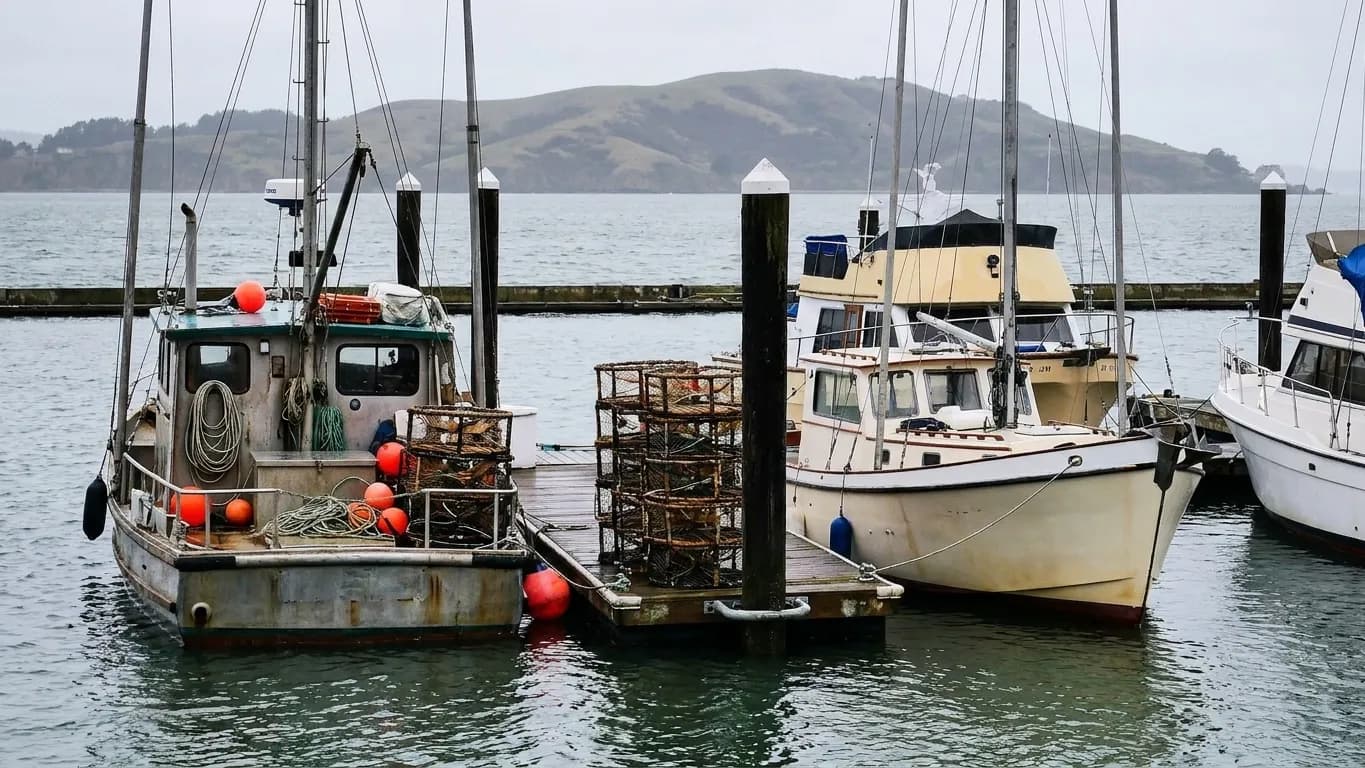
The Greek and Turkish rooms in the city work differently. The centre of the meal is protein over live fire — whole fish, lamb, chicken cooked on a vertical spit — and the small plates are a prelude rather than the point. Portion sizes are larger, the herb palette shifts to oregano and dill, and yoghurt does the job that tahini does further east.
Ordering here should be simple and singular. One whole fish for the table, dressed with nothing more than oil and lemon, plus a horiatiki and a plate of greens, is a better meal than any combination of six small dishes. If a Greek menu has thirty items and photographs on it, the fish will be frozen and the right order is the spit-roasted meat instead.
North African: the slow end of the spectrum
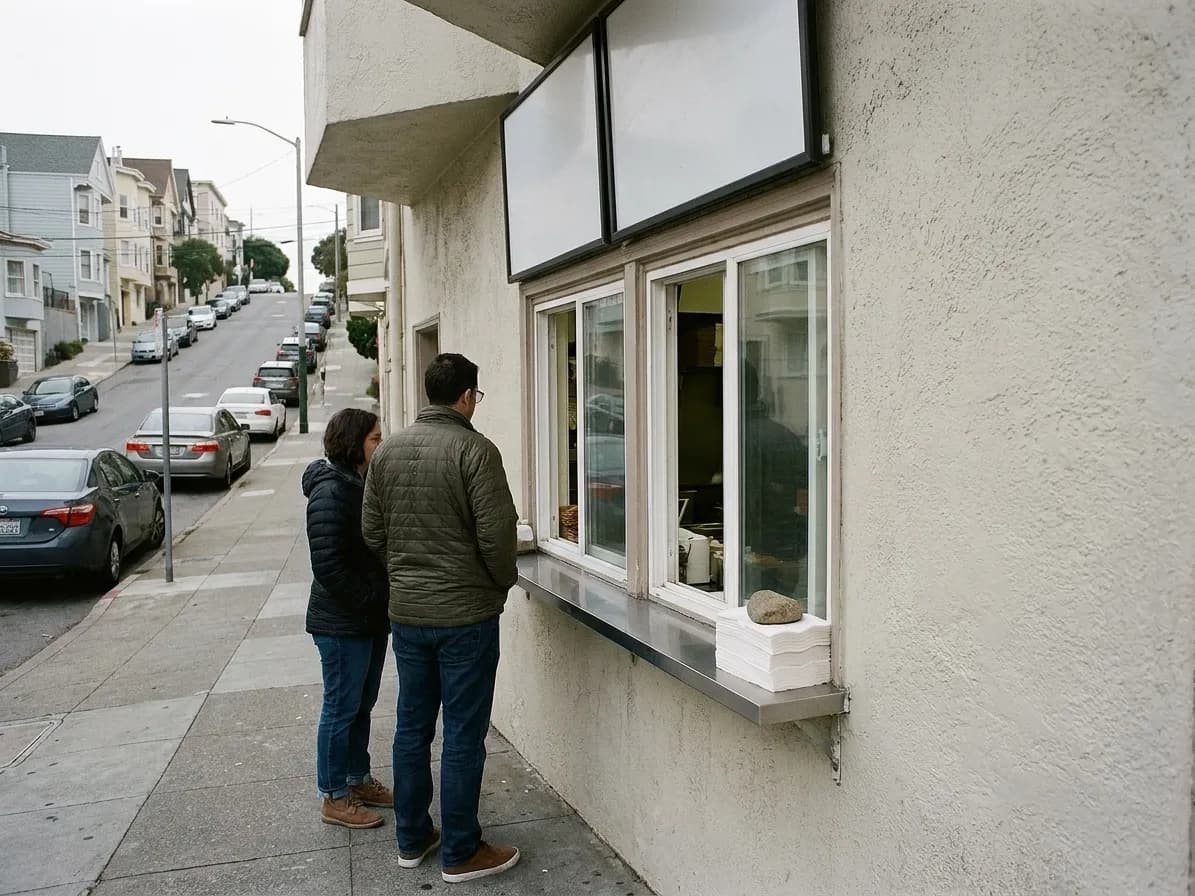
The smallest of the four categories in San Francisco and the most rewarding when you find it. Moroccan, Algerian and Tunisian cooking runs on long braises, preserved lemon, harissa, olives and warm spice — cumin, coriander, ginger, saffron — with couscous rather than bread as the base. This is not food that can be fired to order in eight minutes, which is why the good versions tend to be family-run rooms with a short menu and no lunch service.
Order the tagine that the room is built around and be prepared to wait for it. If you want to test a kitchen quickly, order the harira or the zaalouk — a soup and a cooked salad that are both simple enough that shortcuts show immediately.
Cal-Med: the local dialect
The fourth category is San Francisco's own. Cal-Mediterranean is the style this region developed in the 1970s and 1980s: the Mediterranean pantry applied to Northern Californian produce, with wood-fired vegetables, a great deal of olive oil, and no particular allegiance to any one country. It is the house style of a very large number of the city's better restaurants, and it is the reason a 'Mediterranean' search here returns places with no mezze on the menu at all.
Eat this seasonally or not at all — the entire premise is the produce. In spring it means asparagus, peas and artichokes over labneh; late summer and early autumn mean tomatoes, peppers and stone fruit, which in San Francisco arrive in September rather than July. In midwinter, when the market is roots and brassicas, the Levantine and North African rooms are the better booking.
The groceries are half the point
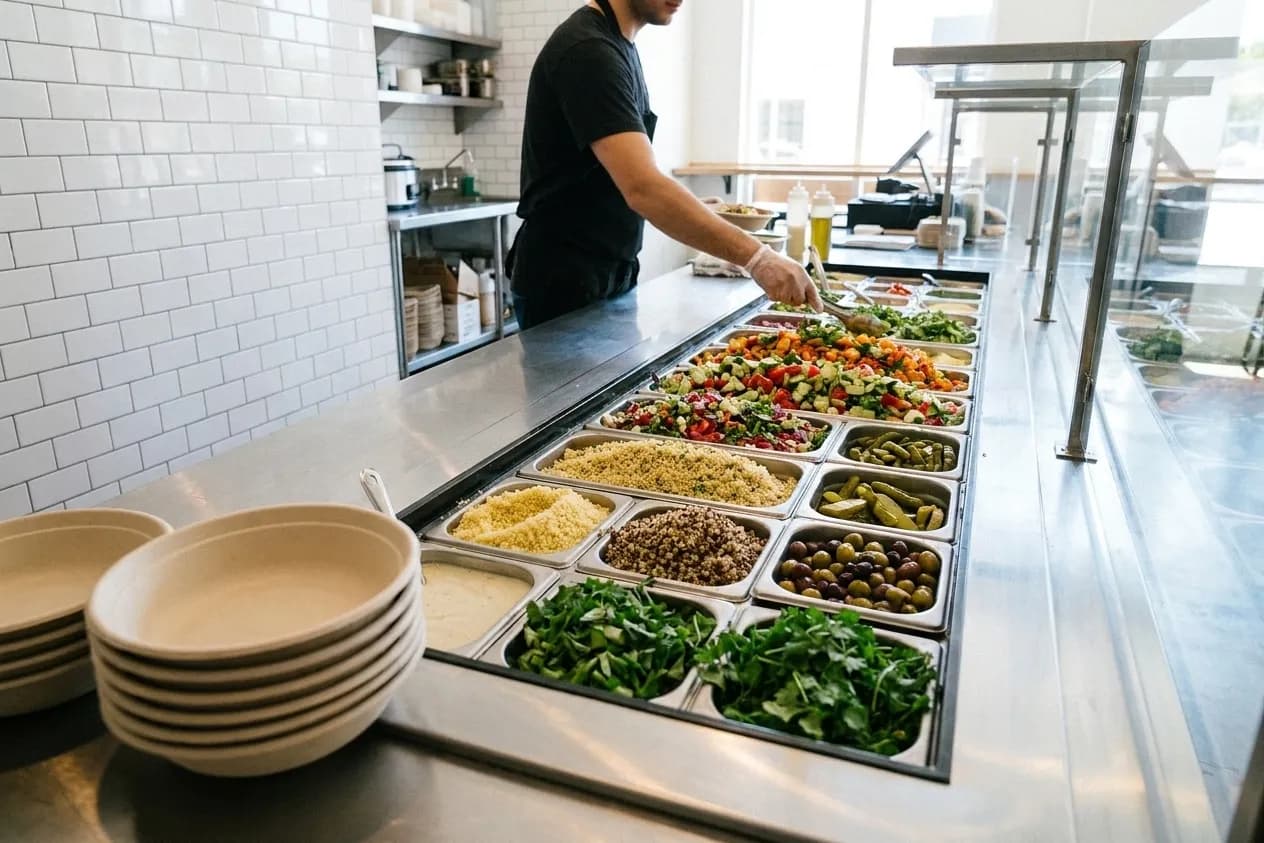
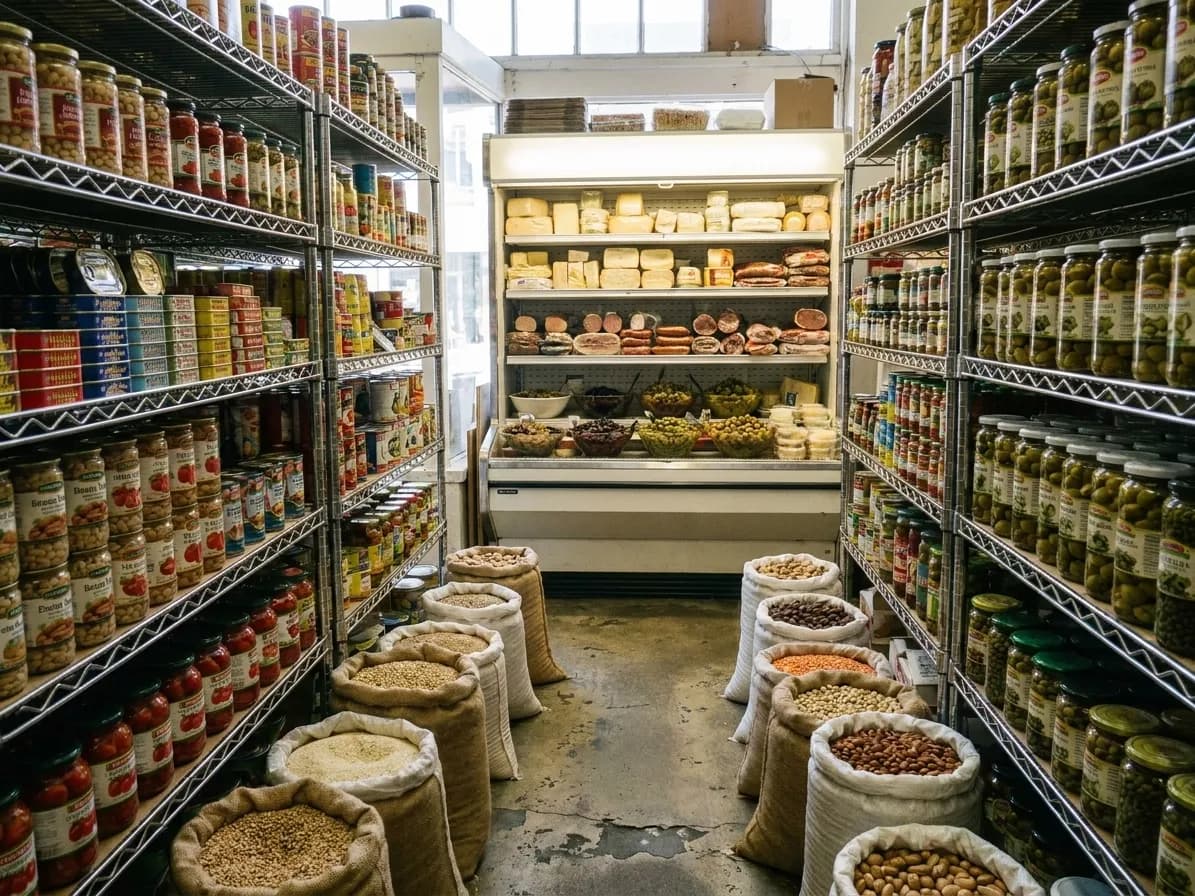
San Francisco's Mediterranean shops are worth a trip in their own right, and they solve the problem of eating this way at home. A single visit to a good one gets you proper tahini, real olive oil, preserved lemons, bulgur, dried mint and a decent feta for less than one restaurant mezze order. Several also run a small hot counter at lunch that is cheaper and better than the restaurants around them.
Buy tahini in a shop with turnover rather than a supermarket, and taste it before you commit to a brand — the difference between fresh and stale tahini is the difference between good and bad hummus, and it is the one ingredient that no technique can rescue.
Tags: #SanFrancisco #MediterraneanFood #SFRestaurants #Levantine #Mezze #GreekFood #TurkishFood #MoroccanFood #SFEats #WhereToEatSF #SFFoodie #CalMed #BayArea #MiddleEasternFood
Sources consulted: sf.eater.com · sfstandard.com · cuesa.org
All trademarks are the property of their respective owners.
Ask Karpo first
The label on the door tells you almost nothing about which of these four kitchens you are walking into, and menus online are frequently years out of date. Ask Karpo for the specific style you want near you — a mezze table, a fish grill, a tagine — and it will sort the label from the cooking.