Type mediterranean food near me in Los Angeles and the results will hand you Lebanese, Armenian, Greek, Israeli, Turkish and a few kitchens that would describe themselves as none of the above. They all end up under the same label because the label is geographic, and geography is the least useful thing about them. What separates these kitchens is not a coastline — it is what the grill does, how the bread arrives, whether the meal starts with a table of small plates or a single big one, and how sour things are allowed to get.
Mediterranean is a category on a map, not a cuisine, and the difference between a Lebanese kitchen and an Armenian one decides whether you get the meal you pictured. Tell Karpo what you actually want on the plate and it will point you at the right kitchen.
Lebanese: the table starts before the main course
A Lebanese kitchen builds outward from mezze. Hummus, moutabal, tabbouleh cut fine enough to be more herb than grain, raw kibbeh if the house is confident, and bread that keeps coming. Grilled meat arrives later and is deliberately plain, because it is the punctuation rather than the sentence. The tell is the herb volume: if the parsley outweighs the bulgur in the tabbouleh, you are in the right place.
Order this way with three or more people and skip the mains entirely if you are two. A table of six or seven mezze between two people is a better meal than any single plate on the menu, and usually cheaper.
Armenian: the grill is the whole argument
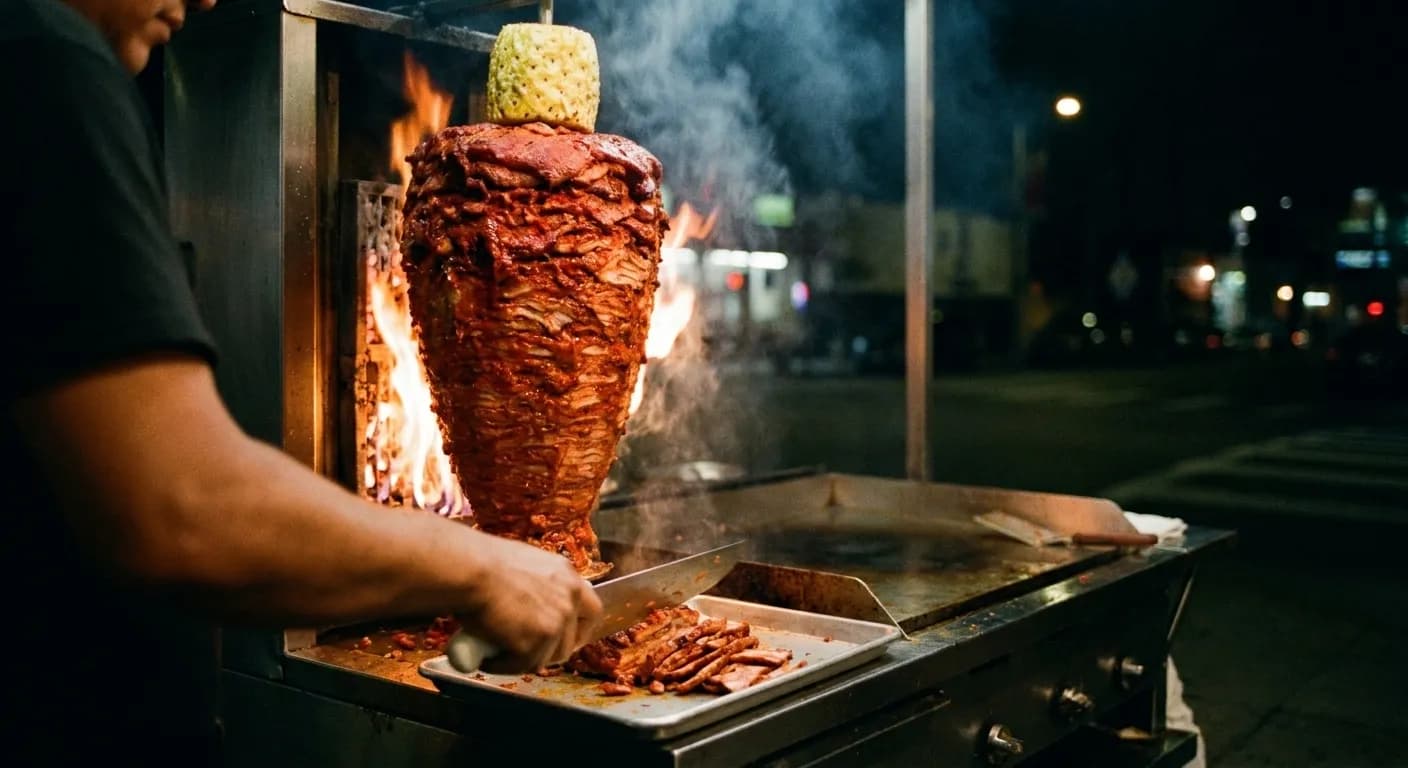
Glendale and the eastern San Fernando Valley hold one of the largest Armenian populations outside Armenia, and the cooking there treats skewered meat as the centre of the meal rather than an accessory. Expect lule and shish, tomatoes and peppers blistered over the same fire, thin lavash used as a wrapper and a utensil, and a jar of pickles on the table that is not decorative. Portions are large and the seasoning is restrained; the flavour is coming from char and fat, not spice blends.
This is the branch to choose when someone in your group wants a plain grilled meal and someone else wants something specific. It satisfies both without compromise, which very few cuisines manage.
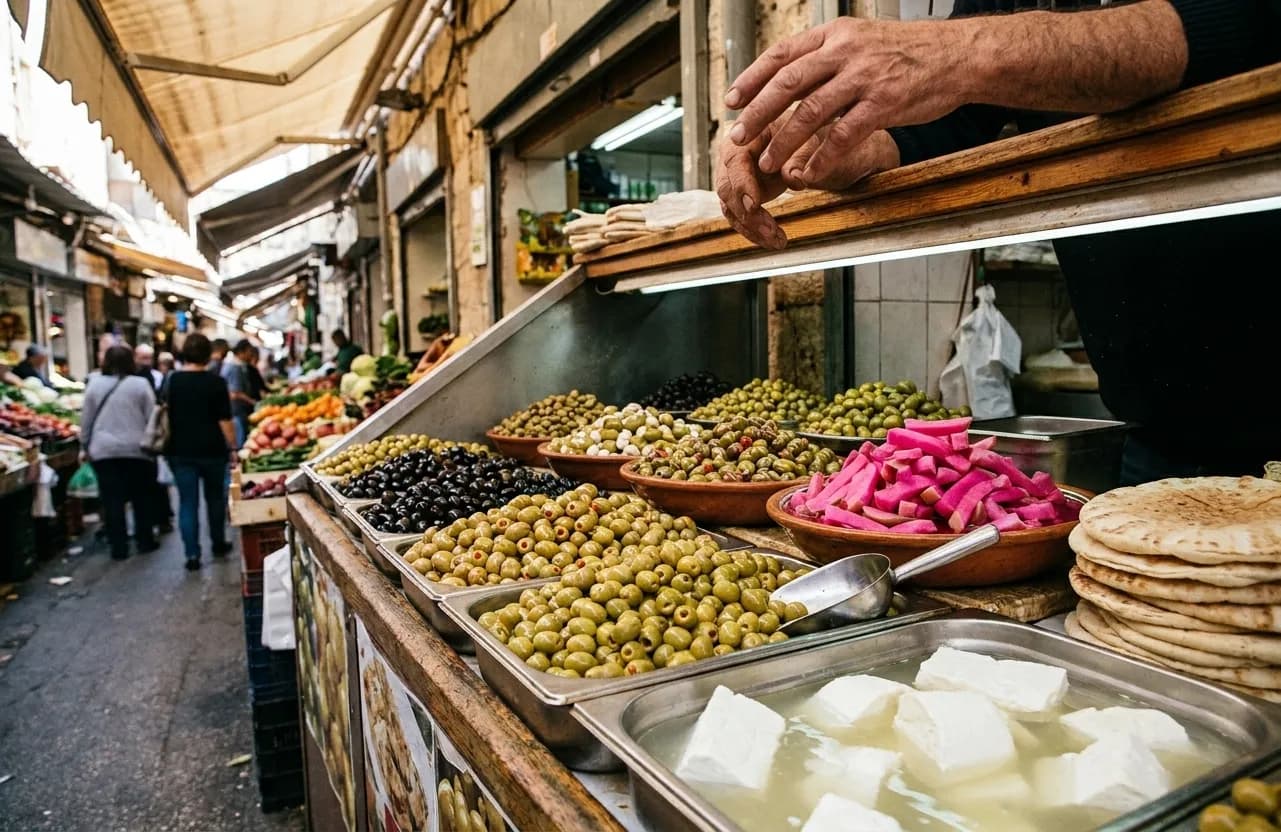
Greek: fewer plates, more olive oil, and a different acid
Greek kitchens in Los Angeles cluster less tightly than the others and read more like restaurants than like community kitchens, which affects both price and portion. The distinguishing move is lemon. Where a Lebanese kitchen reaches for sumac and a Turkish one for pepper, a Greek one finishes with lemon and oil, and the vegetables are frequently better than the meat. If a menu is heavy on baked dishes and gratins rather than skewers, you are in this branch.
Israeli and the modern hybrid rooms
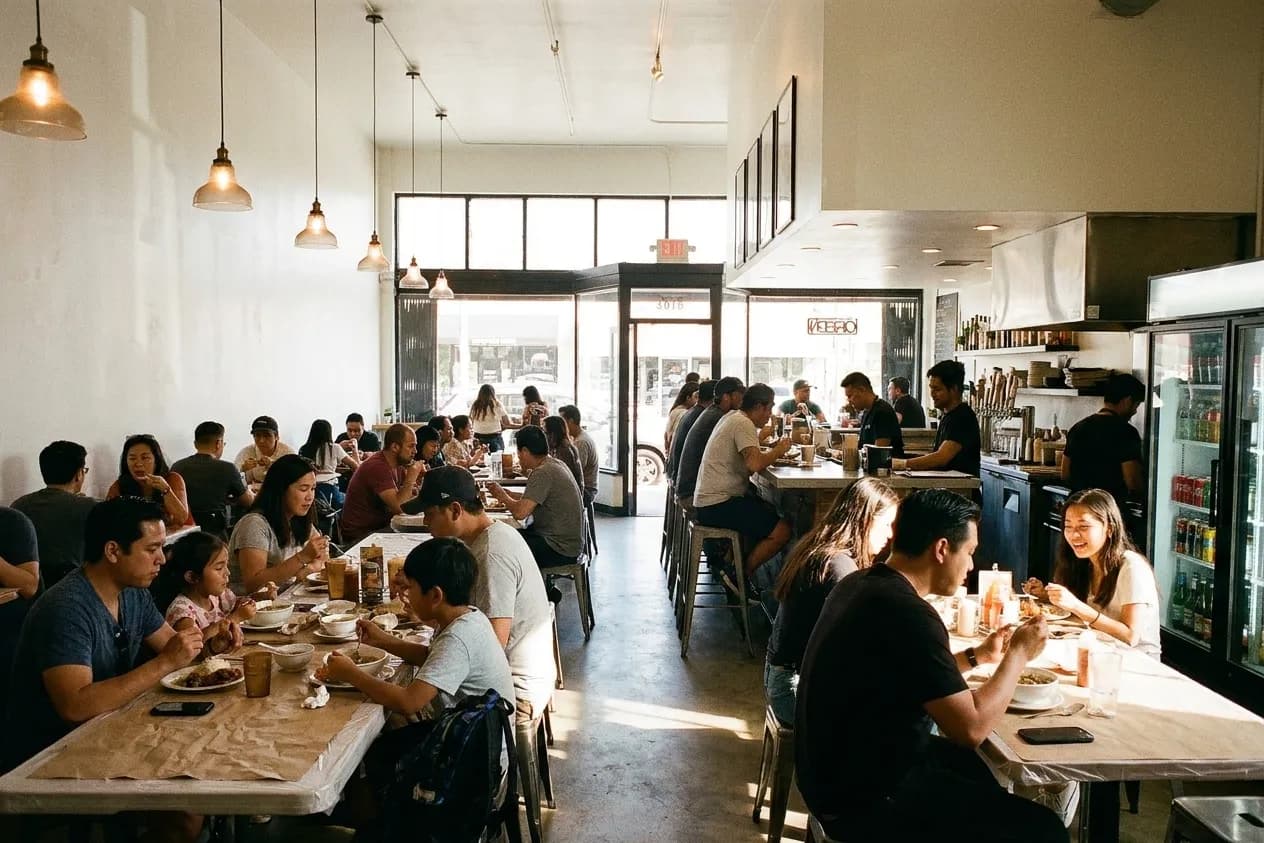
The newest rooms in this category are the hardest to name, because they draw from all of the above plus North Africa and cook with a contemporary restaurant sensibility. Hummus arrives warm and thick as a main course rather than a dip, salatim take the place of mezze, and vegetables get the treatment usually reserved for protein. These rooms are the most expensive branch of the category and the most likely to need a booking.
Persian is next door and not the same thing
Search results will frequently mix Persian restaurants into this category, particularly around Westwood. The cooking is genuinely distinct — long-grain rice with a crisped base, stews built on dried limes and herbs, saffron rather than sumac — and if you arrive expecting mezze you will be surprised. Not disappointed, just wrong-footed. Go deliberately rather than by accident.
How to actually pick tonight
Decide the shape of the meal before the cuisine. Many small plates shared slowly points at Lebanese. One large grilled plate each points at Armenian. Vegetables as the main event points at Greek or a modern hybrid room. Rice as the centre points at Persian. That question sorts the search results faster than any ranking, because it maps to how these kitchens are actually built rather than to where they sit on a map.
Geography helps too, since these communities concentrate: Glendale and Burbank for Armenian, Westwood for Persian, the Westside and the Valley for Lebanese and the hybrid rooms. Hours and menus change, so confirm before driving across the county.
The bread tells you where you are
If you want a single diagnostic before the menu arrives, look at the bread. A stack of thin, soft, pliable rounds meant for wrapping points at a Lebanese or Armenian kitchen. A thick, blistered flatbread brought hot and torn at the table suggests a Turkish or modern hybrid room. A basket of cut wedges with oil and vinegar is a Greek-American convention. And rice arriving instead of bread means you are in a Persian restaurant regardless of what the sign outside says.
The second diagnostic is what comes without being ordered. Pickles and olives put down unbidden are a strong signal of the Levantine kitchens; a plate of raw onion and herbs points Persian; nothing at all until you order is the modern restaurant convention. None of this is a rule you can bet money on, but across a dozen meals it reads the category faster than a menu does.
Tags: #LosAngeles #LA #SoCal #Restaurants #WhereToEat #Dining #Mediterranean #LAEats #LAGuide #ExploreLA #LALocal #LAWeekend #LANights #LAFood
Sources consulted: la.eater.com · latimes.com · laist.com
All trademarks are the property of their respective owners.
Ask Karpo first
Karpo is a proactive AI assistant that lives in iMessage. Describe the meal you want and it will tell you which kitchen makes it.