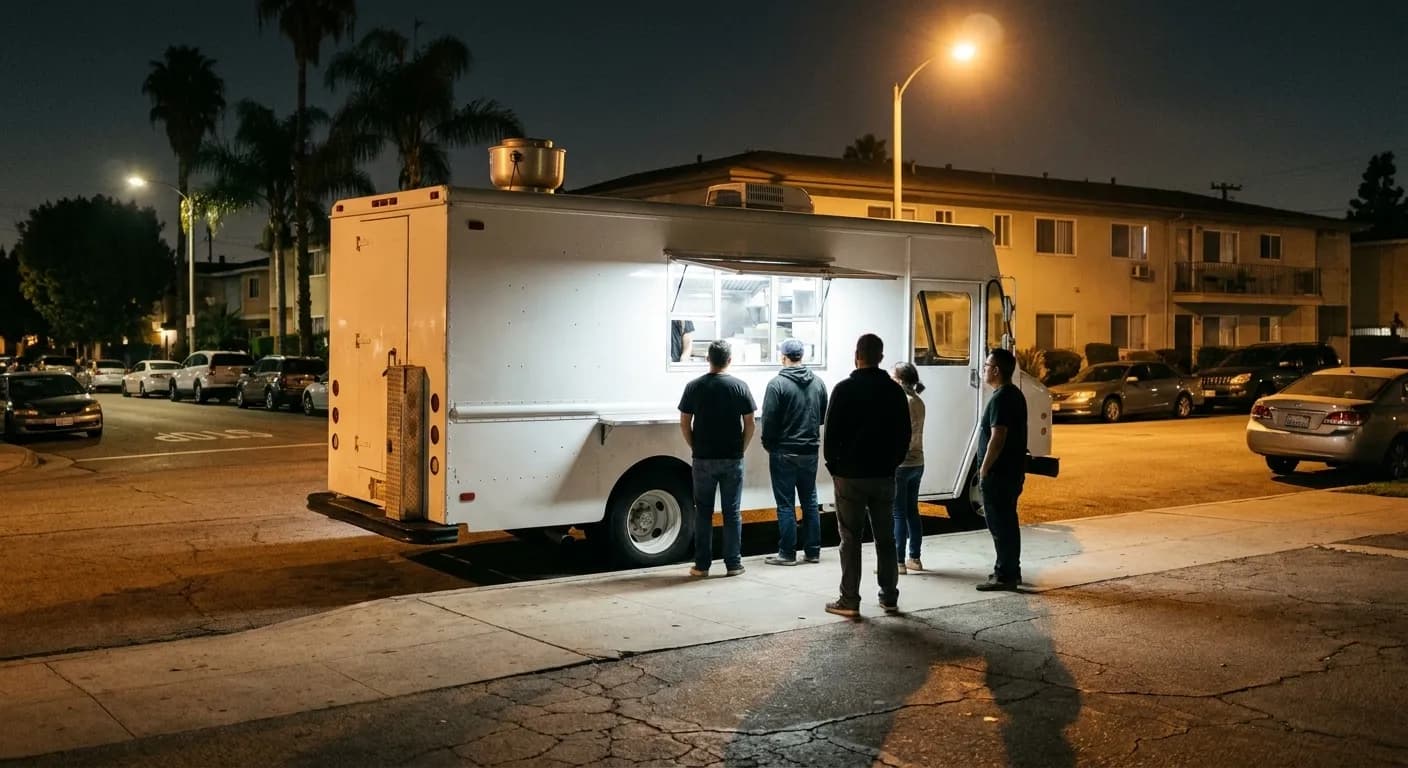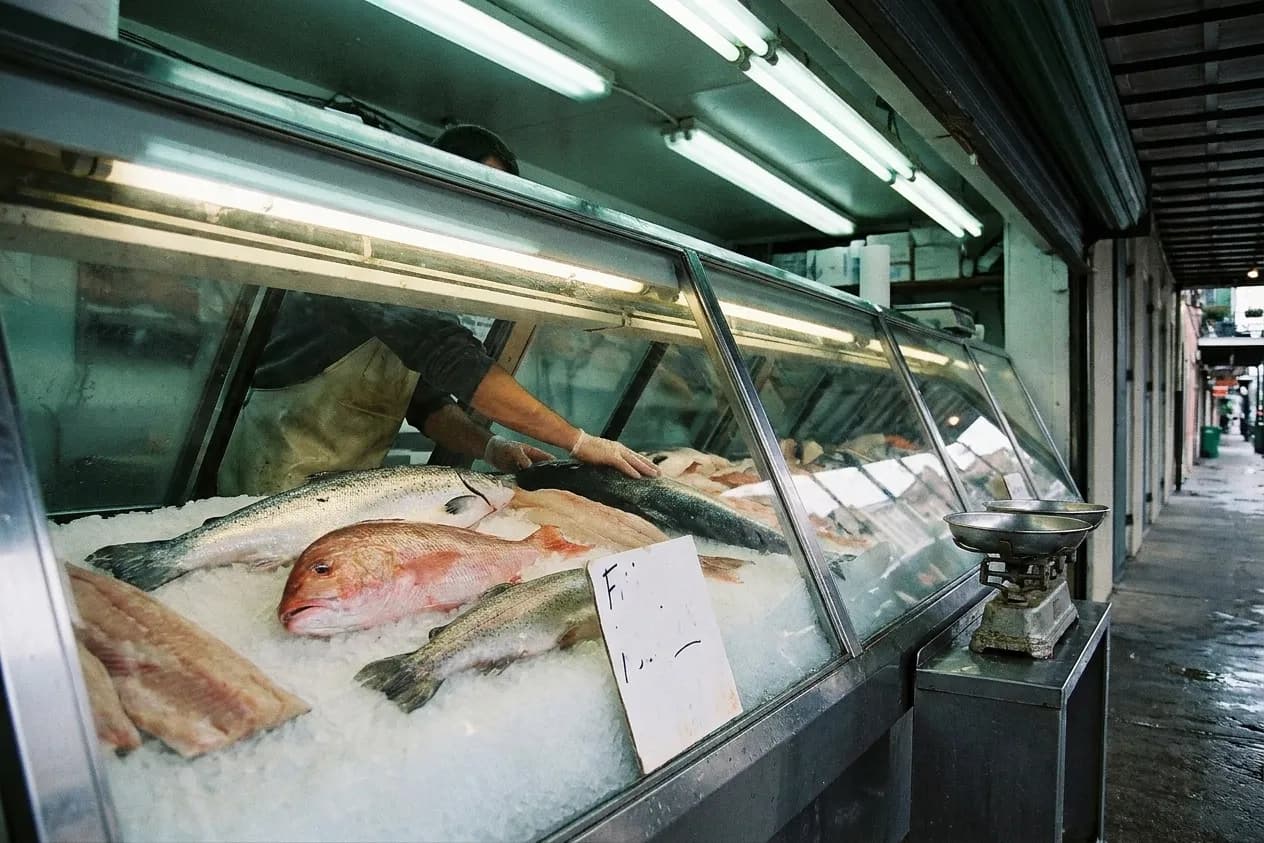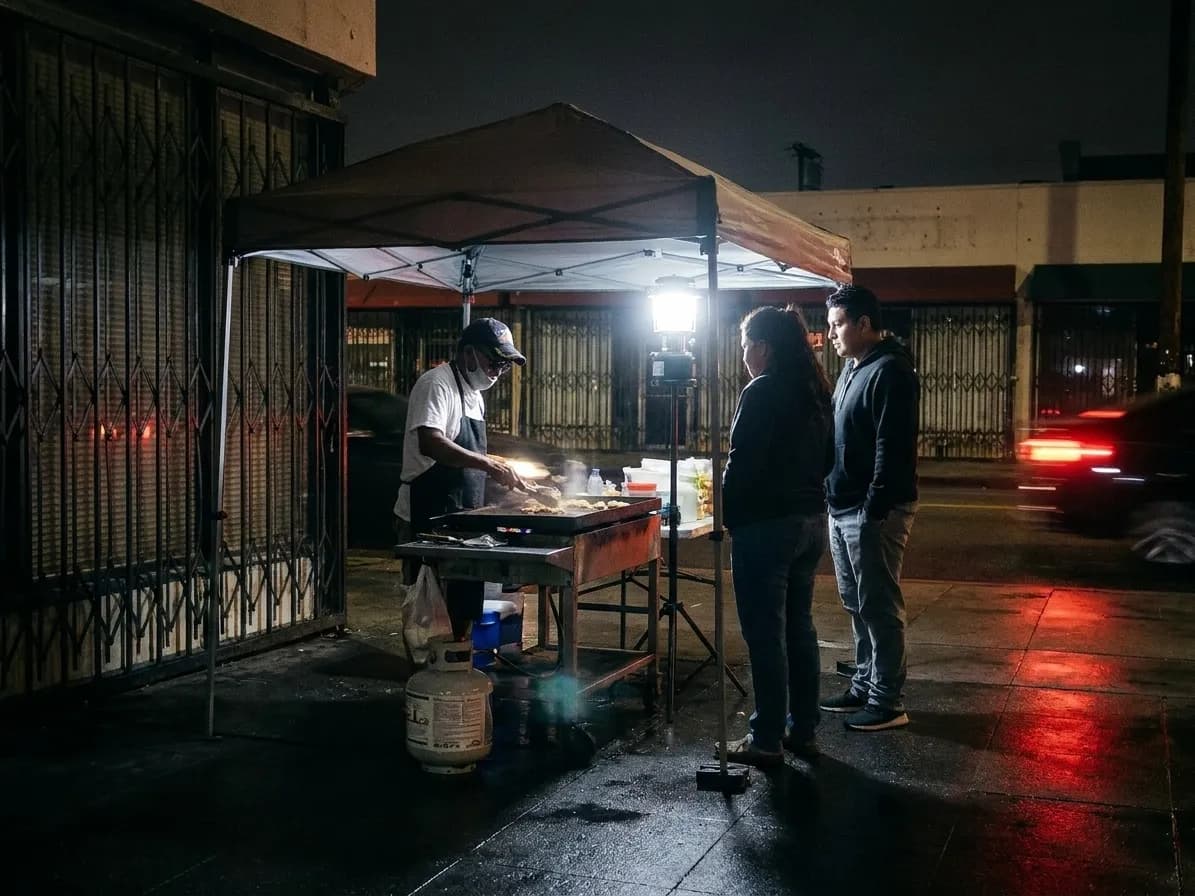
Mediterranean food in Los Angeles is one of the great underreported food cultures in the United States, and the reason it goes unreported is that the word Mediterranean is doing almost none of the work. What this city actually has is enormous, distinct, deeply rooted Armenian, Persian, Lebanese, Israeli and Egyptian communities, each of which cooks something specific and none of which would describe their food using that word. Finding the good version means naming the right cuisine.
Family-run rooms here keep irregular hours and close on their own schedule. Ask Karpo which are open near you tonight.
Glendale, which is the centre of it
Glendale has one of the largest Armenian populations of any city outside Armenia, and the food infrastructure reflects that at every level — bakeries, butchers, grocers, kebab houses and full-service restaurants, most of them serving a community rather than a food scene. This is not a district with three good restaurants. It is a district where the ordinary standard is high and the failure rate is low.
What to look for: lahmajun, the thin flatbread with spiced minced meat that gets rolled and eaten with lemon and parsley. Manti, the tiny baked dumplings served with yoghurt and sumac. Kebabs cooked over actual charcoal, which is more common here than anywhere else in the county. And the bakeries, which are the entry point — a bag of fresh lahmajun and a container of muhammara costs very little and is a complete introduction.
Little Armenia in East Hollywood is the older, denser, less suburban version of the same thing, and the two are worth treating as separate districts with different characters rather than as one community split across a hill.
Westwood and Persian Los Angeles
Westwood Boulevard south of the university is the heart of the largest Persian community outside Iran, and the food there operates at a level that has no real competition in North America. The distinction between a kebab house and a full Persian restaurant matters: the kebab house does chelo kabab, rice and grilled meat, quickly and well. The full restaurant does the stews — ghormeh sabzi, gheimeh, fesenjan — which are the actual heart of the cuisine and take hours.
Order tahdig if it is available. The crisp golden layer of rice from the bottom of the pot is the single most prized part of a Persian meal and is frequently a separate menu item because demand exceeds supply. A restaurant that does it well is telling you a great deal about its rice technique, which is the foundation of everything else.
Lebanese, Israeli and the modern rooms
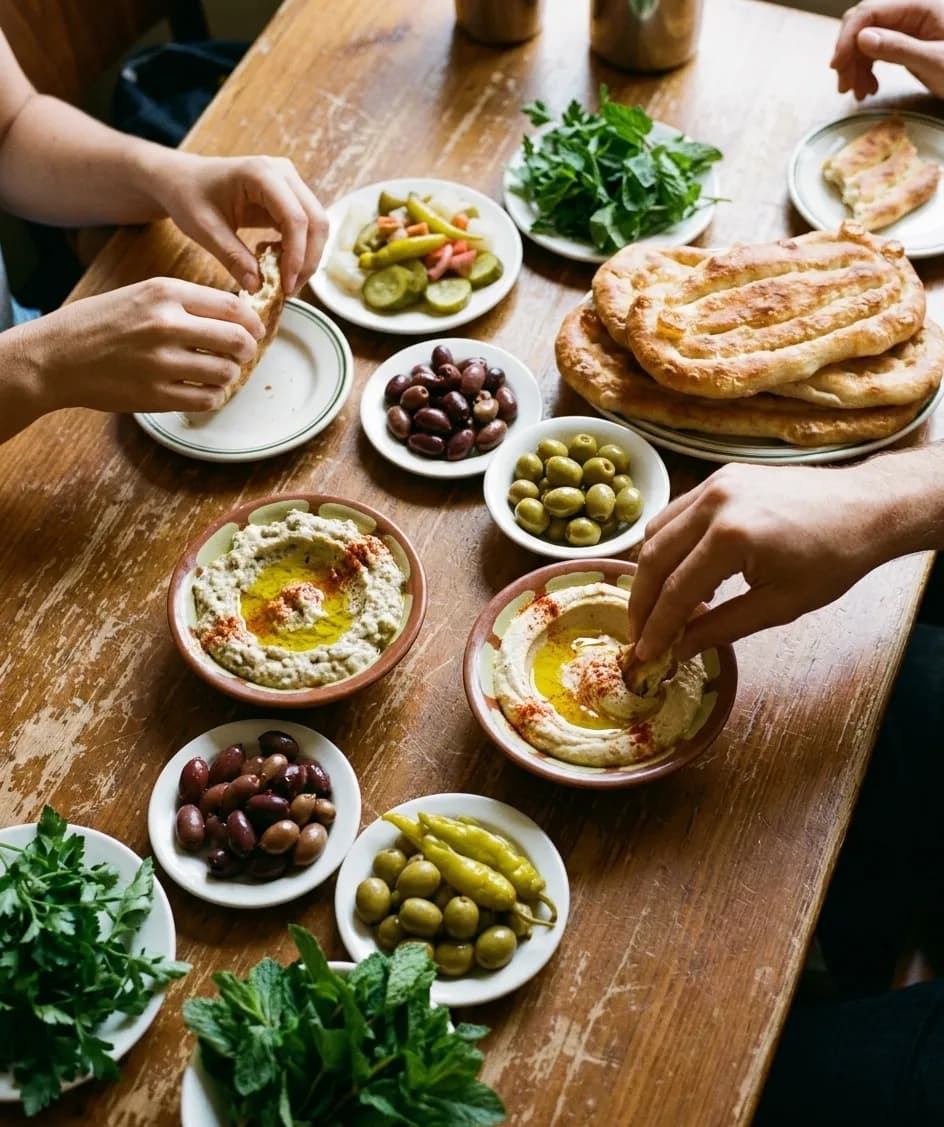
The Lebanese tradition in Los Angeles runs through a set of long-established restaurants that do the full mezze format properly — a table covered in small plates, arriving in waves, designed for four or more people and genuinely poor value for two. Going with a group is not a suggestion here, it is how the menu is constructed.
The modern Israeli-influenced restaurants are the newest layer and the most visible in the press, with wood-fired vegetables, whipped hummus, and a general aesthetic that has travelled from Tel Aviv through London to here. They are good and they are expensive, and it is worth understanding that they are a different category to the community restaurants rather than a better version of them.
The bakeries and grocers are the real find
Across all of these communities the retail infrastructure is where the value sits. Armenian and Persian grocers in Glendale, Tarzana and Westwood sell fresh bread, prepared salads, house-made cheeses, olives by weight, and a full range of pastries at prices that make the restaurants look expensive by comparison. Assembling a meal from a grocer is the cheapest genuinely excellent food in the county.
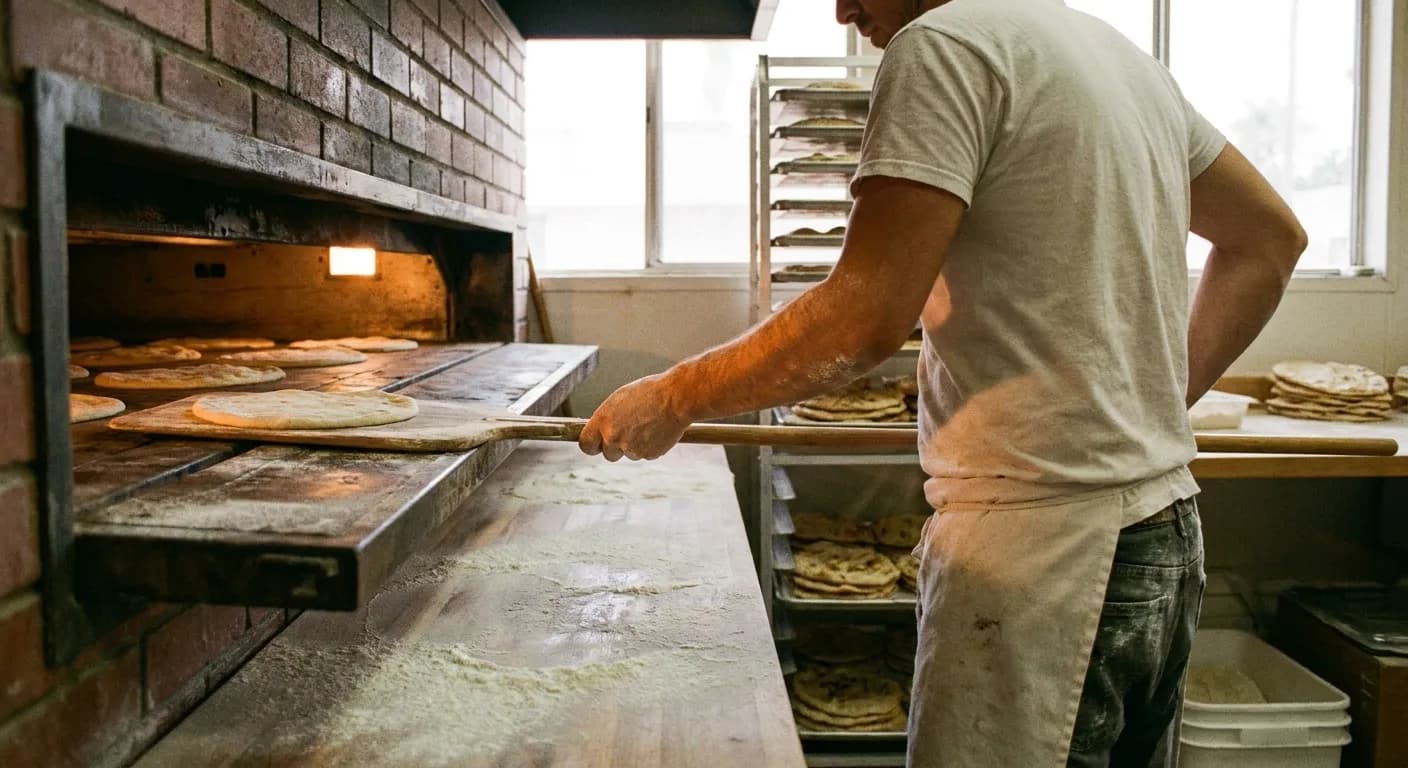
The bread alone justifies a trip. Barbari, sangak, lavash and Armenian pide are all baked fresh daily in multiple places, and the difference between bread that came out of an oven an hour ago and bread that came out of a bag is enormous in a cuisine where bread is a utensil rather than a side.
The Egyptian, Iraqi and Yemeni layer
Beyond the four large communities there is a smaller and newer layer that almost never appears in coverage. Egyptian restaurants scattered around the Valley and the south bay do koshary, the layered lentil-rice-pasta dish that is the national street food, at very low prices. Iraqi bakeries produce samoon bread and masgouf-style grilled fish. Yemeni coffee houses have opened across the county in the last few years, serving spiced coffee and honeycomb bread late into the night.
These places are worth seeking out precisely because they have not been discovered, which means the pricing is still set for the community rather than for a food audience. They also tend to keep long hours, which makes them useful in a city where a lot of good restaurants close at nine.
How to navigate it without embarrassment
Nobody in these restaurants minds explaining a menu, and asking is by far the best strategy. The mistake that visitors make is ordering exclusively the things they recognise — hummus, falafel, a chicken kebab — which produces a perfectly fine meal that misses everything distinctive. Ask what the stew of the day is. Ask what the kitchen is proud of. The answer is almost never on the English half of the menu.
And go at the right time. Many of these restaurants are busiest late, particularly on weekends, with families eating at nine or ten in the evening. A room that seems quiet at six will be full at nine, and the kitchen is at its best when the room is full.
Tags: #LosAngeles #MediterraneanFood #ArmenianFood #Glendale #PersianFood #Westwood #LittleArmenia #MiddleEasternLA #Mezze #Kebab #LAEats #SoCal #FoodGuide
All trademarks are the property of their respective owners.
Ask Karpo first
Ask Karpo which Armenian, Persian and Lebanese restaurants near you in Los Angeles are open now, what their house speciality is, and whether the bakery next door is still baking.