Search for Mediterranean food in Los Angeles and the category does a great deal of work covering things that are not really the same cuisine. What this city has in genuine depth is Levantine and Armenian cooking — Lebanese, Syrian, Armenian, overlapping heavily — and it is not evenly distributed. It sits in two corridors, and once you know where they are the whole category becomes navigable.
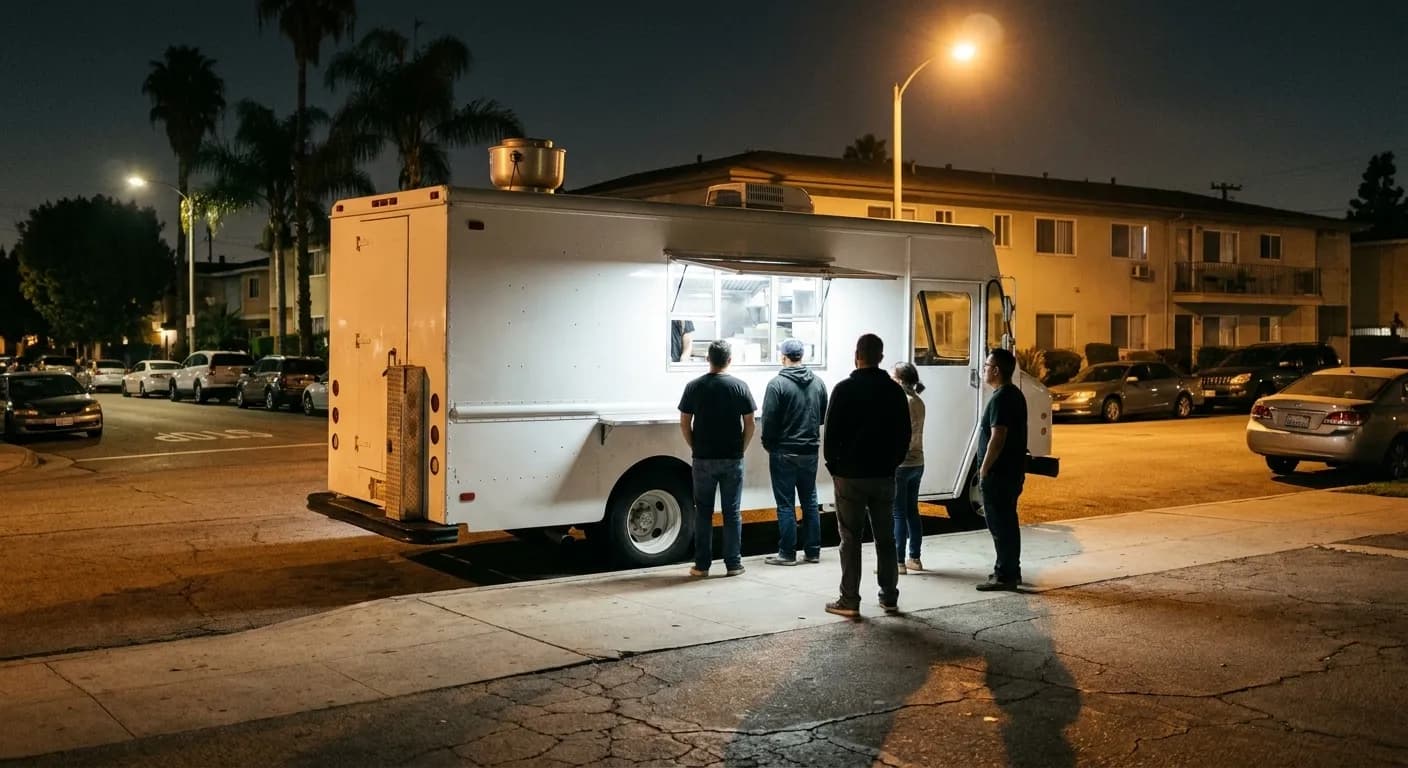
These corridors keep community hours rather than restaurant-district hours, which catches people out at both ends of the evening. Ask Karpo what is open near you before you drive.
Corridor one: East Hollywood into Glendale
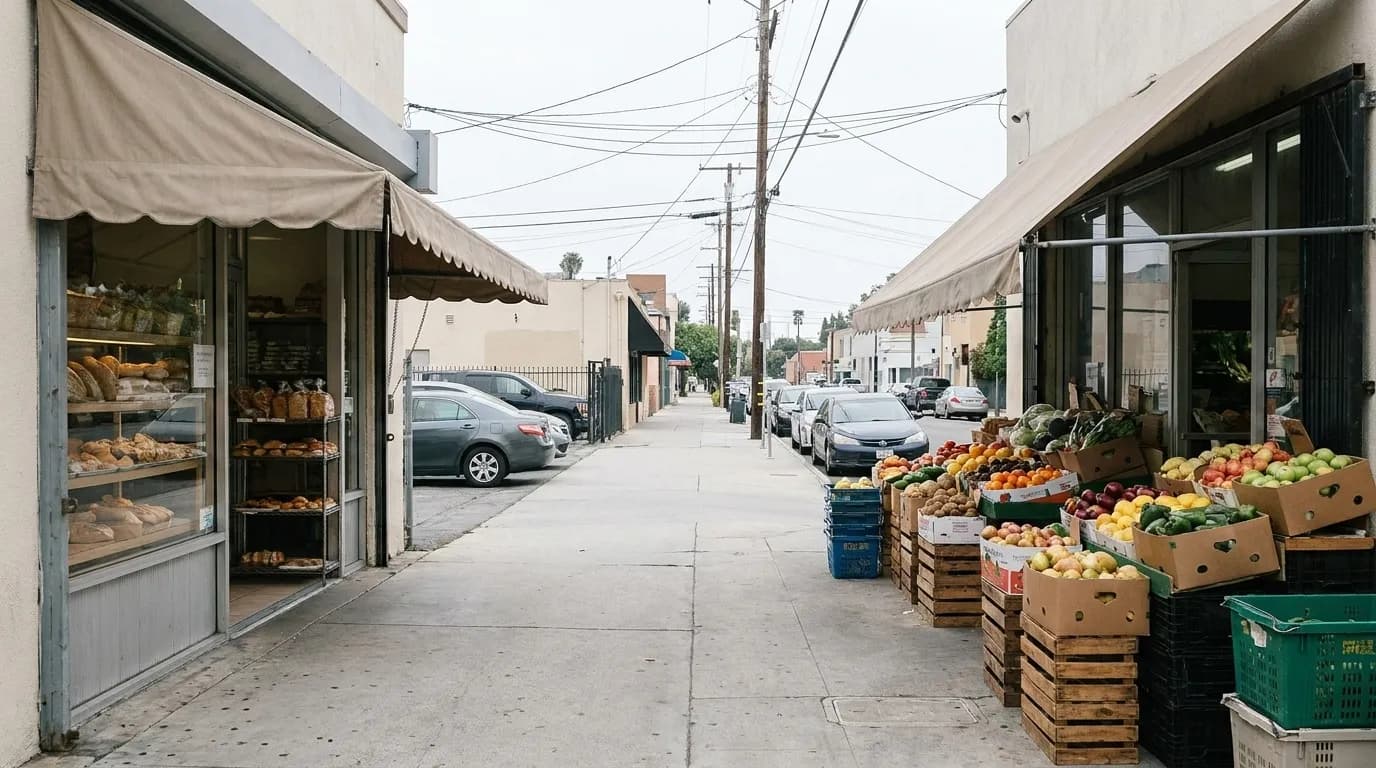
Los Angeles has one of the largest Armenian populations outside Armenia, concentrated through East Hollywood and running north-east towards Glendale. That is not a piece of trivia — it is the reason this food is good here. A restaurant serving a community that eats the dish weekly is held to a standard that a restaurant serving curious visitors is not, and the density along that stretch means bakeries, grocers and butchers reinforce each other.
Marouch is the anchor most people are sent to first, and deservedly: family-run since 1982, working from recipes the family describes as more than a hundred years old. The mezze is the reason to go — smoky-sweet muhammara, spiced sujuk, and a bowl of hummus with ful that arrives at a scale that makes the word bowl look modest. Order six or eight small things rather than a main each and the meal assembles itself.
Corridor two: Hollywood proper, and the group table
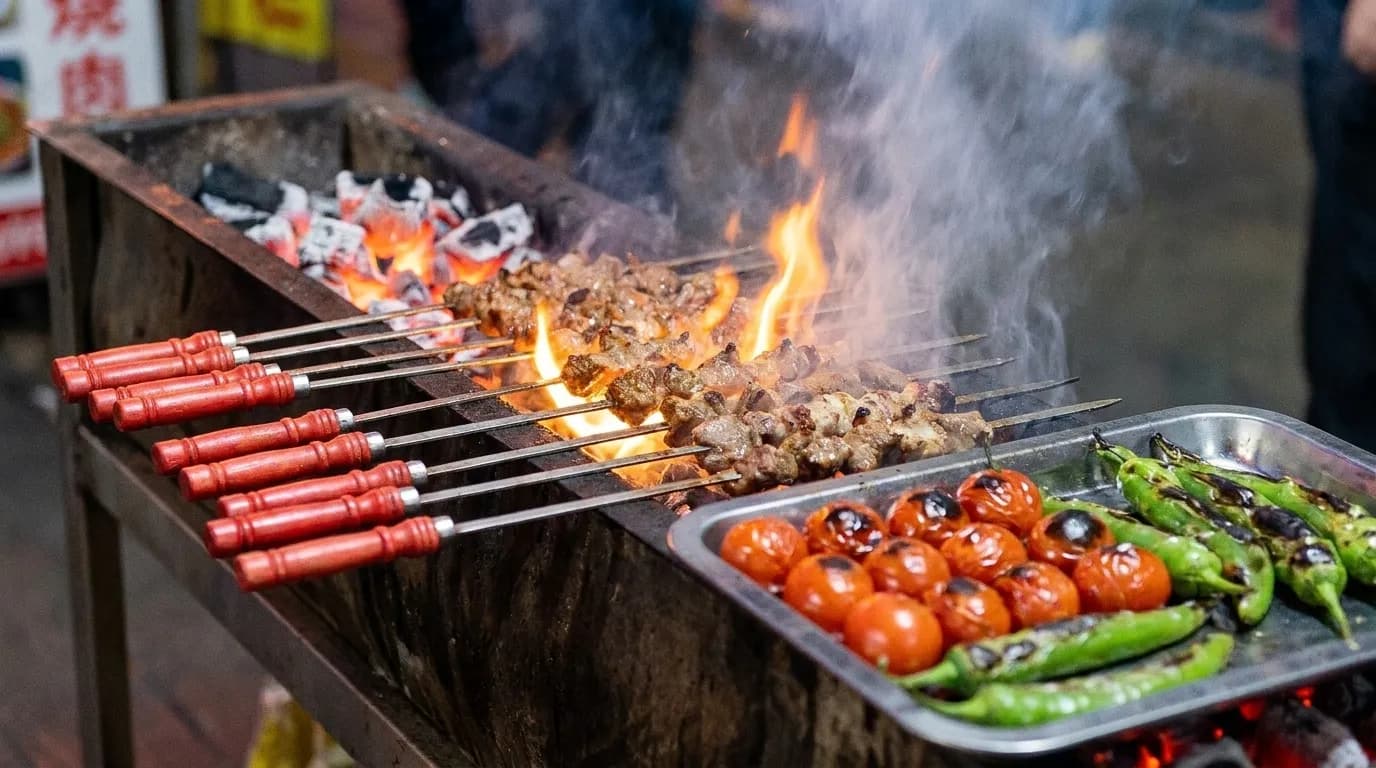
Carousel has been running since 1983 and solves a problem the rest of this list does not: eight people, mixed tastes, an actual occasion. It is Lebanese-Armenian, deliberately festive, and organised around long tables of meze, kebabs and shawarma. The khash-khash kebab and the chicken lula are the two orders regulars make and the right place to start.
Group dining is genuinely difficult in Los Angeles — most of the city's better restaurants seat four well and eight badly, and the rooms designed for volume are usually designed for volume alone. A forty-year-old restaurant built around communal eating gets both right, which is why it stays full without ever appearing on a list of the season's openings.
Where the famous one sits, and why it is different
Bavel is in the Arts District, which is neither corridor, and that geography explains the difference. It is a destination restaurant with destination pricing and a booking requirement, cooking Levantine food at a level that has earned it Michelin attention — the slow-roasted lamb neck shawarma, heavily spiced and cooked over wood-fired flames, is one of the signature dishes in the city.
It is not a substitute for the corridors and the corridors are not a substitute for it. Bavel is where you go when the meal is the event and you booked a fortnight ago. Marouch and Carousel are where you go on a Tuesday because you want to eat well without organising anything. Treating either as the lesser version of the other is the most common mistake in this category.
What about Greek?
Here is the honest answer to a question the word Mediterranean invites: Greek cooking is the thinner half of this category in Los Angeles. There is good Greek food in the city, but there is nothing resembling the depth, density or community infrastructure that supports the Levantine and Armenian side. If you have arrived from a city where Mediterranean means Greek first, you are looking for the wrong thing.
The useful reframing is to stop treating Mediterranean as one category at all. Levantine mezze, Armenian grilled meat, Persian rice cookery and Greek taverna food are separate traditions that a menu-writing convention has bundled together, and Los Angeles is exceptional at some of them and ordinary at others. Search for the specific one and the results improve immediately.
One more structural note. These corridors keep community hours rather than restaurant-district hours, which cuts both ways: many rooms open earlier than a fashionable dining street would and several close earlier too, particularly on Sundays and around religious holidays when the whole stretch can shift. It is the one part of this category that genuinely rewards a phone call rather than a listing check.
How to eat a corridor properly
Do not plan a single restaurant; plan a street. The advantage of a food corridor over a food destination is that the bakery, the grocer and the butcher are part of the trip — a bag of fresh flatbread and a tub of something from a counter on the way home is frequently the best part of the afternoon and costs almost nothing. That is not available in the Arts District at any price.
Two timing notes. These rooms fill with large family groups at peak, so a two-top at eight o'clock waits while parties of ten are seated; seven or half past nine, midweek, is a completely different experience. And go hungry enough to over-order — the mezze format only works if the table is crowded, and a cautious order of three dishes for four people misses the entire point of the cuisine.
Practical notes
East Hollywood through Glendale is the main corridor: Marouch since 1982, mezze first — muhammara, sujuk, hummus with ful. Carousel since 1983 for groups, with the khash-khash kebab and chicken lula. Bavel in the Arts District when you want the occasion version and can book ahead for the wood-fired lamb neck. Laya and Open Sesame round out the current shortlist. Avoid the eight o'clock family rush, over-order small plates, and build in a stop at a bakery.
Tags: #LosAngeles #MediterraneanFood #LevantineFood #ArmenianFood #Marouch #Carousel #Bavel #EastHollywood #Glendale #ArtsDistrict #Mezze #LAEats #NeighborhoodGuide #LAFoodie
All trademarks are the property of their respective owners.
Ask Karpo first
Want the Levantine version of dinner rather than a generic Mediterranean menu? Ask Karpo which corridor is closest to you, what is open tonight, and which rooms will take a table of eight without a fortnight's notice.