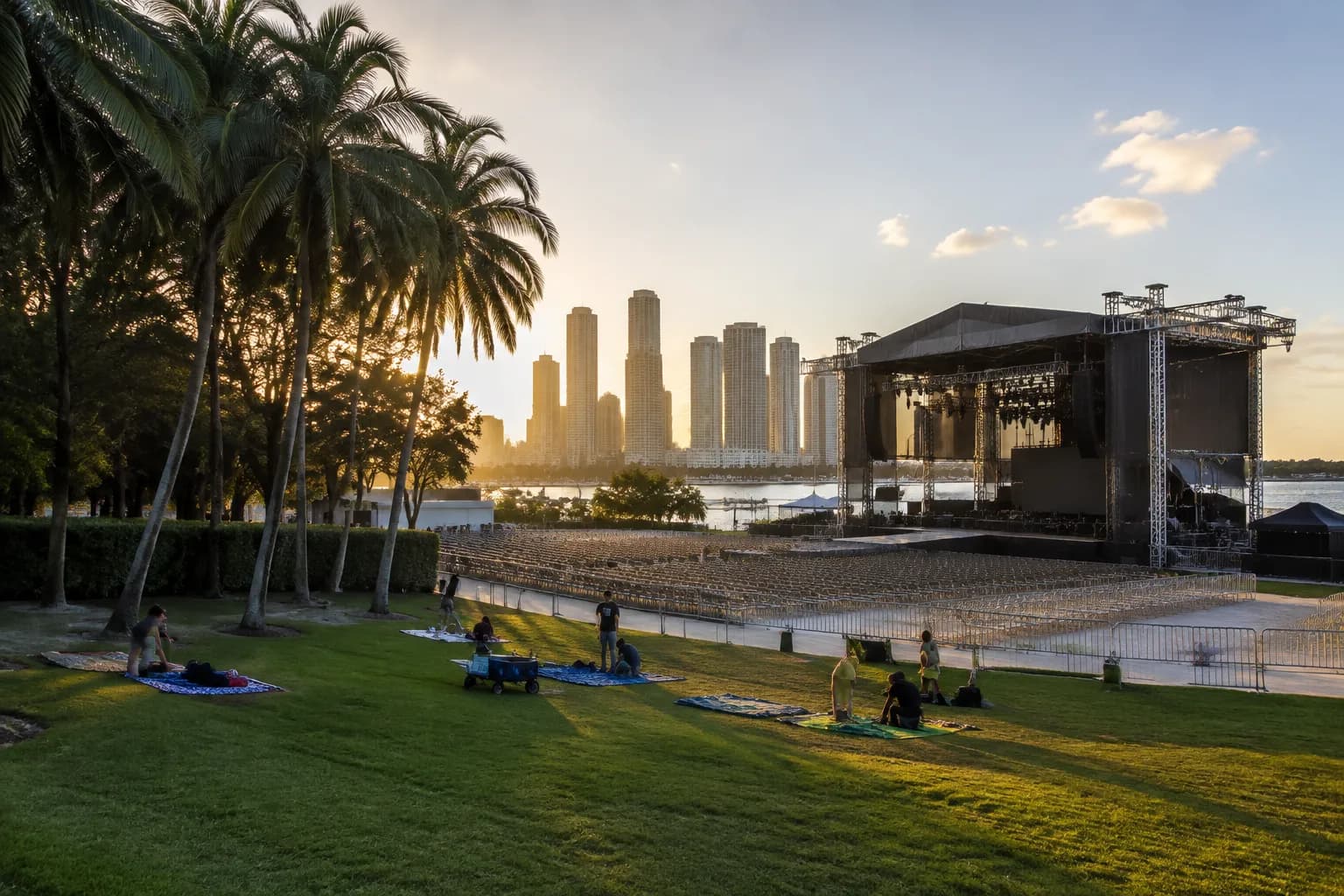
Searching for marlins vs braves viewing options in Miami without the ticket price? While no official public screenings are guaranteed, budget-conscious families and friend groups can still piece together a game-night strategy using the city's free infrastructure—if they know where to look and what tradeoffs to accept. This checklist walks through five practical decision points: verifying official broadcast schedules first, comparing public Wi-Fi reliability across parks and transit hubs, weighing indoor community spaces against weather exposure, assessing accessibility for mixed-age groups on weeknight evenings, and understanding why rain-proof backup plans matter in subtropical Miami. The goal isn't a stadium experience; it's a realistic, no-cost approach that fits excited fans willing to trade convenience for savings, using public resources already available across Miami-Dade.
Text Karpo your home zip code, preferred game date, and whether you need playground access for kids during the game. We'll send a ranked list of Miami parks with free Marlins broadcasts, parking tips, and a backup list of sports bars offering free entry with no minimum if the outdoor event is rained out.

Check Official Broadcast Schedules Before Choosing Any Location
Before scouting parks or transit stations, confirm whether the marlins vs braves game will stream on free platforms or require cable subscriptions. Many MLB matchups air exclusively on regional sports networks or national cable channels, meaning public Wi-Fi alone won't help if the broadcast isn't accessible without a login. Visit the official Marlins and Braves team websites to verify broadcast details, then cross-reference with free streaming services that occasionally carry games. If the game requires authentication, your public-space plan collapses unless someone in your group shares credentials on a personal device.
This verification step determines whether you're hunting for Wi-Fi hotspots or simply need a shaded spot to gather around a phone with mobile data. Skipping this research wastes travel time to parks or libraries only to discover the game is locked behind paywalls. For weeknight evening games in August 2026, also check start times against Miami's typical summer thunderstorm windows—games beginning after 7 p.m. often overlap with peak rain hours, compounding outdoor viewing risks. Knowing the broadcast format and kickoff time shapes every other decision on this checklist.
Compare Public Wi-Fi Strength Across Parks and Transit Hubs
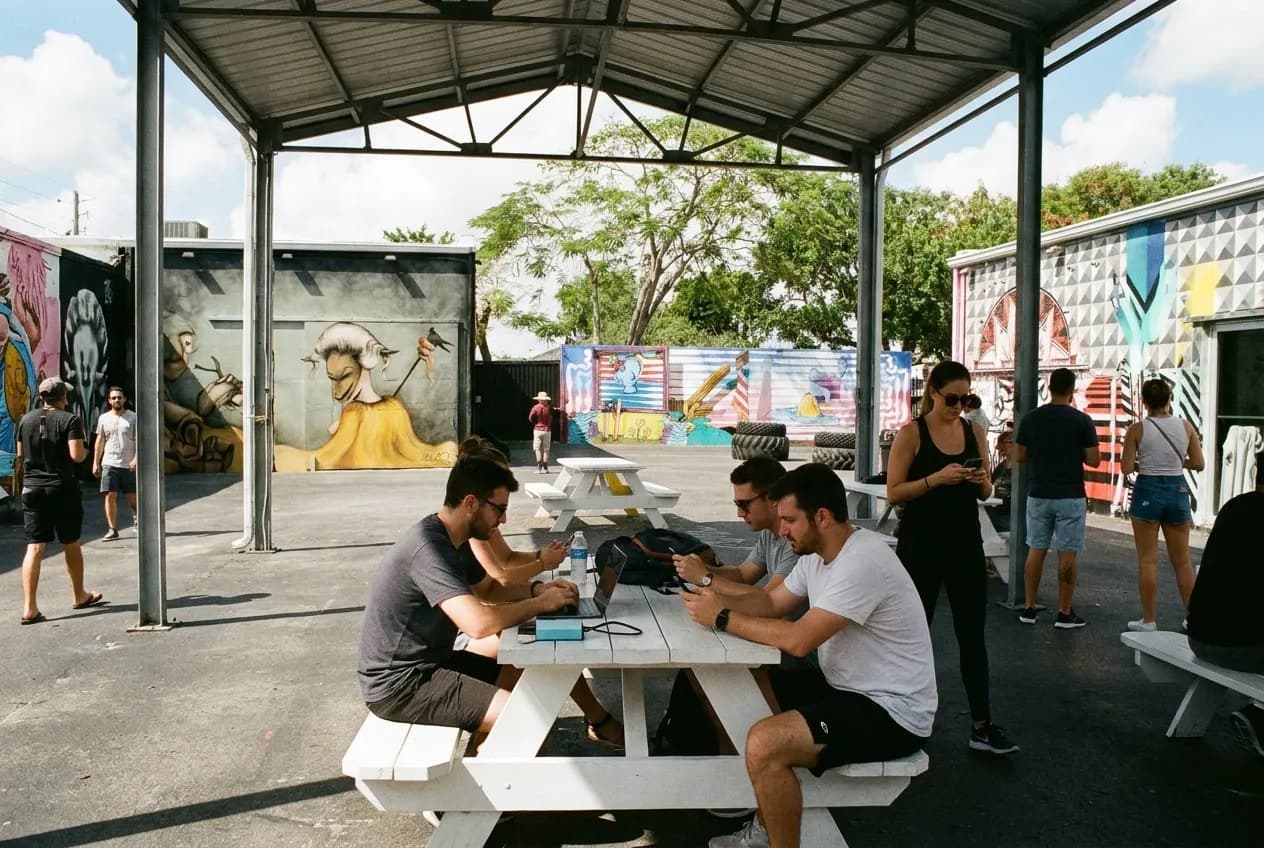
Miami-Dade's park system includes over 200 public parks, but Wi-Fi availability and signal strength vary dramatically. The Parks, Recreation and Open Spaces Department does not publish a comprehensive list of Wi-Fi-enabled parks, so families must test connections in advance or accept the gamble. Larger parks near community centers—such as those offering after-school programs and fitness zones—sometimes provide guest networks, but bandwidth may throttle during peak evening hours when multiple users stream content. Metromover stations in downtown Miami, Brickell, and Omni areas serve as alternative Wi-Fi zones; the free elevated transit system operates until 10 p.m. daily, and stations like Bayside Marketplace attract enough foot traffic that nearby businesses often broadcast open networks.
The tradeoff: parks offer space for kids to play during commercial breaks, while transit stations provide weather shelter but limited seating. If your group prioritizes stable connectivity, test the Wi-Fi at your chosen park during a weeknight evening before game day—signal strength at 3 p.m. on a Saturday tells you nothing about performance when dozens of teens stream videos after school dismissal. Metromover platforms lack comfortable seating, so bring portable chairs or cushions if you plan a two-hour viewing session. Neither option guarantees uninterrupted streaming, making mobile data hotspots from a group member's phone a practical backup.
Weigh Indoor Community Spaces Against Weather Exposure
Miami's subtropical climate makes outdoor viewing risky from June through September, when afternoon thunderstorms drench the city with little warning. Parks with covered pavilions—available through the county's rental and permit system—require advance booking and may not be free, eliminating the zero-cost advantage. Instead, consider indoor community spaces like Miami-Dade Public Library branches, though their event calendars and hours vary by location and they may prohibit loud group viewing. The library system's events page does not list specific branch hours or Wi-Fi policies, requiring individual calls to confirm whether evening access aligns with game times and whether groups can gather around devices without disturbing other patrons.
Indoor spaces solve the rain problem but introduce noise restrictions and potential closures for private events. Outdoor park viewing offers freedom to cheer and move around, appealing to families with energetic kids, but demands a weather exit strategy. Check Miami-Dade's real-time radar before leaving home, and identify a nearby Metromover station or covered bus stop as a rain refuge—Metromover's free service means you can board without fare worries if storms hit mid-game. The best compromise for excited, budget-conscious groups: start outdoors at a park with pavilion coverage, then migrate to a Metromover station if weather turns, accepting that you'll watch the final innings standing rather than lounging.

Assess Accessibility for Mixed-Age Groups on Weeknight Evenings
Weeknight games complicate logistics for families juggling school-night bedtimes and older adults with mobility limits. Parks near residential neighborhoods reduce travel time but may lack accessible parking or paved paths to viewing areas. The county's Parks, Recreation and Open Spaces Department highlights accessibility commitments, including Certified Autism Center designation and therapeutic recreation programs, but specific park amenities—like accessible restrooms or level pathways—aren't detailed in online directories. The new Park Finder tool launched by the department helps filter parks by features, yet it requires users to navigate the interface themselves rather than providing a printable accessibility checklist.
Metromover stations offer elevator access at all 21 stops, and the system provides backup accessible service within 30 minutes if elevators malfunction, making transit hubs a safer bet for groups including wheelchair users or seniors with limited stamina. However, standing on platforms for two hours challenges anyone with joint pain or balance issues. For multi-generational groups, prioritize parks with benches near parking areas and confirm restroom availability—many parks close facilities at dusk, forcing mid-game bathroom hunts. If accessibility trumps ambiance, a Metromover station near Bayside Marketplace combines elevator reliability, nearby seating options at outdoor plazas, and proximity to accessible dining if the group wants post-game snacks without breaking the free-viewing budget.
Build a Rain-Proof Backup Plan Using Free Transit Routes
Even perfect planning can't outsmart Miami's August weather, so map a free transit escape route before settling into any outdoor spot. Metromover connects downtown, Brickell, and Omni neighborhoods without fare, running every 90 seconds during rush hours and every three minutes off-peak until 10 p.m. If your chosen park sits within walking distance of a Metromover station, you gain a no-cost shelter option when storms roll in. Stations like those near the Kaseya Center or Miami Dade College offer covered platforms and proximity to indoor public areas where groups can regroup without spending money. The system's frequent service means minimal wait times, though trains may crowd during evening commutes, leaving little room for families with strollers or coolers.
Alternatively, identify parks along Metrobus routes—while buses aren't free, a single ride costs less than most parking fees, and the county's transit system provides real-time tracking through the GO Miami-Dade Transit app. The tradeoff: buses require exact fare or prepaid passes, adding a small cost that undermines the free-viewing goal but beats abandoning the game entirely due to rain. For truly zero-cost resilience, choose parks within a 10-minute walk of multiple Metromover stations, giving your group options if one elevator breaks or a station closes unexpectedly. Download offline maps before leaving home, since cell signals weaken in some park areas, and confirm Metromover's operational status via the county's elevator and escalator tracker—nothing derails a backup plan faster than discovering your rain refuge is under maintenance.
Tags: #MarlinsvsBraves #freeactivitiesMiami #budgetfriendlysportsviewing #Miamipublicparks #MetromoverMiami #familyfriendlyMiami #freeWiFiMiami #MiamiDadeparks #weeknightactivitiesMiami #Miamirainbackupplans
Sources consulted: Source 1: miamidade.gov · Source 2: miamidade.gov · Source 3: mdpls.org · Source 4: miamibeachfl.gov
All trademarks are the property of their respective owners.
Ask Karpo first
Ask Karpo to turn this Miami idea into a current plan for your date, budget, companion, transit preference, and energy level. Karpo can narrow the route and flag what to verify before you go.