 Events Near Me in SF: Chase Center's Free Half Is Thrive City
Sports Social
marlins vs braves: A Beginner-Friendly San Francisco Sports Route
Use the marlins vs braves buzz as a planning cue for a low-friction San Francisco sports meetup, with official transit checks before anyone commits.
The phrase marlins vs braves is useful in San Francisco only if you treat it as a spark, not a promise. The official extracts do not confirm a local appearance, watch party, team affiliation, venue program, ticketed event, broadcast arrangement, or recreation reservation. What they do support is a verification-first plan built around SFMTA’s public trip-planning information. In a city where movement can be affected by alerts, transportation projects, calendar items, or travel updates, the better move is simple: choose whether your group wants to participate or spectate, pick a flexible neighborhood sequence, check routes and stops through SFMTA, and keep a backup option close enough that late arrivals are not left guessing.
Want a tighter plan before you head out? Text Karpo to check Muni routes, active SFMTA alerts, neighborhood access choices, and backup timing for this San Francisco sports route.
Turn the sports interest into a social plan
Start with the honest premise: marlins vs braves is the hook, not the itinerary. In San Francisco, that distinction matters. A sports conversation can inspire a meetup, but the extracts do not support saying that a venue is showing a game, selling tickets, reserving space, hosting a team event, or offering any special sports programming. Build the plan around details you can verify before leaving.
A beginner-friendly route should have three decisions made early: where people meet, how they get there, and what happens if the first idea does not work. SFMTA’s homepage includes a Trip Planner with fields for starting location, ending location, and how you want to travel. It also lists travel choices including Muni, bike, walk, drive, drive and park, taxi, and accessibility. Use those official categories as the shared reference instead of asking every person to improvise.
For a practical San Francisco version, frame the outing as a two-stage sports social: first a public-facing or casual meetup point, then a nearby spectating stop only after the group verifies entry and timing directly with that location. That keeps the plan flexible without pretending the official extracts confirm venue details they do not provide.
Choose participation or spectating first
Before picking a venue, ask whether the group wants to move or watch. Participation means people may care about space, equipment, restrooms, and how easy it is to join late. Spectating means they may care more about seating, entry rules, noise level, and whether the place can actually show what people expect. Those are different nights, and the extracts do not settle those venue-specific questions.
If your group includes beginners, participation may work best as a light first stop rather than the whole plan. Keep it casual and short enough that nobody needs special skill to belong. Do not promise court space, field access, rentals, leagues, permits, or organized recreation programming from these extracts. The provided recreation-related source did not return usable local details; it showed only security verification text, so it cannot support claims about park facilities, hours, reservations, or equipment.
If the group prefers watching, make the viewing location conditional. Say plainly that the marlins vs braves interest is why people are gathering, while the actual screen, seating, entry, timing, and availability need confirmation from the venue before anyone travels across town. That one sentence prevents the common planning mistake of turning a sports headline into an assumed local event.
Match the venue to the group energy
San Francisco rewards neighborhood sequencing. Instead of naming one all-or-nothing destination, choose an area where the group can shift between a meetup point, food or drinks, and transit without a long reset. SFMTA’s site includes neighborhood-based transportation information, routes and stops, projects near you, travel maps and guides, and visitor guidance for getting around by Muni transit, bike, foot, or car. Those categories are supported by the extract and are useful for comparing options before choosing the meet point.
For a livelier but still manageable route, consider a neighborhood where walking between stops appears realistic after checking current maps and route information. If the group wants an outdoor or street-adjacent atmosphere, verify whether SFMTA travel updates could affect movement nearby. The extract specifically lists “Hayes Valley Shared Spaces: Fridays & Saturdays, August 2026,” which is the kind of official update worth checking before you commit to a meeting area.
For a more visitor-friendly version, make transit visibility the deciding factor. SFMTA’s Muni Routes & Stops section says users can explore Muni train, bus, historic streetcar, and cable car routes. That supports checking those modes, but it does not support assuming any specific route will fit your timing. A scenic mode is only beginner-friendly when the current route and stop information still gets people where they need to be.
Plan equipment seating and transit early
The earlier you separate equipment from transit, the cleaner the plan becomes. If the first stop involves casual play, decide what people need to bring and what they can skip. Do not rely on onsite gear, reserved space, lights, restrooms, or staff support unless the responsible venue or agency confirms it. If the second stop involves spectating, check that venue’s current information for hours, entry process, seating situation, age rules, reservation needs, and sports programming.
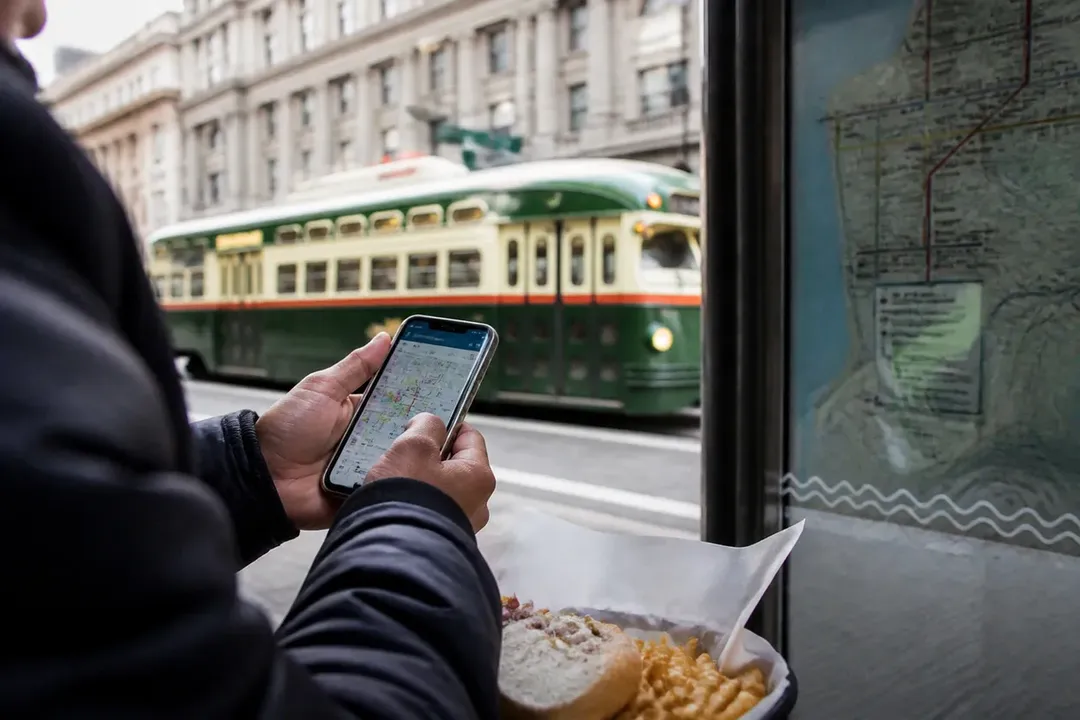
Transit needs the same discipline. SFMTA’s Trip Planner asks for a starting location, an ending location, and travel mode. The homepage also surfaces Muni, walking, biking, driving and parking, taxi, and accessibility pathways. That matters because different friends will have different constraints. One person may prefer Muni, another may walk, another may need accessibility information, and another may be weighing whether driving and parking makes sense.
Build in a decision point shortly before the meetup. At that moment, check SFMTA alerts and Travel & Transit Updates, then send one concise message: meet point, nearest route or stop logic, backup area, and when the group expects to move. The extract showed a final update that a delay near 19th and Holloway had cleared and that inbound M Ocean View service was resuming. It also referenced more alerts in the previous 48 hours. The exact alert may not matter to your route; the useful lesson is that official transit conditions can change.
Keep beginners from feeling stranded
A beginner-friendly sports social is less about explaining sports and more about protecting people from dead ends. Give every participant a soft landing: a clear meet point, a first arrival window, and a backup if they arrive late. Avoid plans where missing the first leg means someone has to decode the entire night alone.
Use a simple access flow. First, everyone checks their own route through SFMTA or another official trip-planning source. Second, the organizer confirms whether the first stop is still suitable. Third, the group verifies the spectating venue before moving. Fourth, anyone joining late gets the next confirmed location, not a vague message like “we’re nearby.” This is especially important in San Francisco, where SFMTA organizes information by routes, stops, neighborhoods, projects, maps, visitor guidance, and accessibility rather than by your group’s informal plan.
Be careful with hype language. Do not tell beginners they are going to “the” marlins vs braves spot unless the venue has confirmed the relevant setup. Say instead: “We’re using the game interest as the theme, and we’ll verify the viewing option before we go.” That is less flashy, but it is more accurate and kinder to someone deciding whether to cross the city.
Verify schedules before leaving
The final check should happen before shoes are on, not at the curb. SFMTA’s site highlights trip planning, Muni routes and stops, travel maps and guides, accessibility information, and travel and transit updates. Those are official categories to consult for movement around San Francisco. If a venue is involved, verify its current hours, entry process, seating situation, and sports programming separately, because none of those details are confirmed in the extracts.
Pay attention to the city calendar around your plan. The SFMTA extract lists Outside Lands for August 7-9, 2026, and calendar items including a Citizens’ Advisory Council regular meeting on August 6, 2026, an Engineering Public Hearing Meeting on August 7, 2026, and ISCOTT Meeting 1621 on August 13, 2026. Those listings do not automatically disrupt a sports route, but they show why checking the calendar and updates is a practical habit.
Keep the backup specific. Choose one alternate neighborhood or venue type reachable by the same general direction, not a totally different corner of the city. If the first viewing option is full, unavailable, closed, or not showing what you expected, the group should already know whether it is switching to a nearby social stop, ending after the first portion, or moving only if the route still works for most people.
Tags: #marlinsvsbraves #SanFrancisco #SportsSocial #SFMTA #Muni #SFTransit #VenuePlanning #GameDayPlan #BeginnerFriendly #PublicSpace #TransitFirst #AskKarpo #BeforeYouGo #Karpo
Sources consulted: sftravel.com · sfmta.com · sfrecpark.org
All trademarks are the property of their respective owners.
Ask Karpo first
Ask Karpo first when the plan depends on changing details. Karpo can help you check route logic, active SFMTA travel information, accessibility choices, neighborhood backups, and what still needs direct venue verification before your San Francisco sports meetup turns into a guessing game.
Ask Karpo for more information.
Keep reading
- Events Near Me in SF: Chase Center's Free Half Is Thrive City
 Places To Eat Near Me in SF: SPARK Social Changes Trucks Daily
 Seafood Near Me in San Francisco: Sotto Mare Favours Pairs