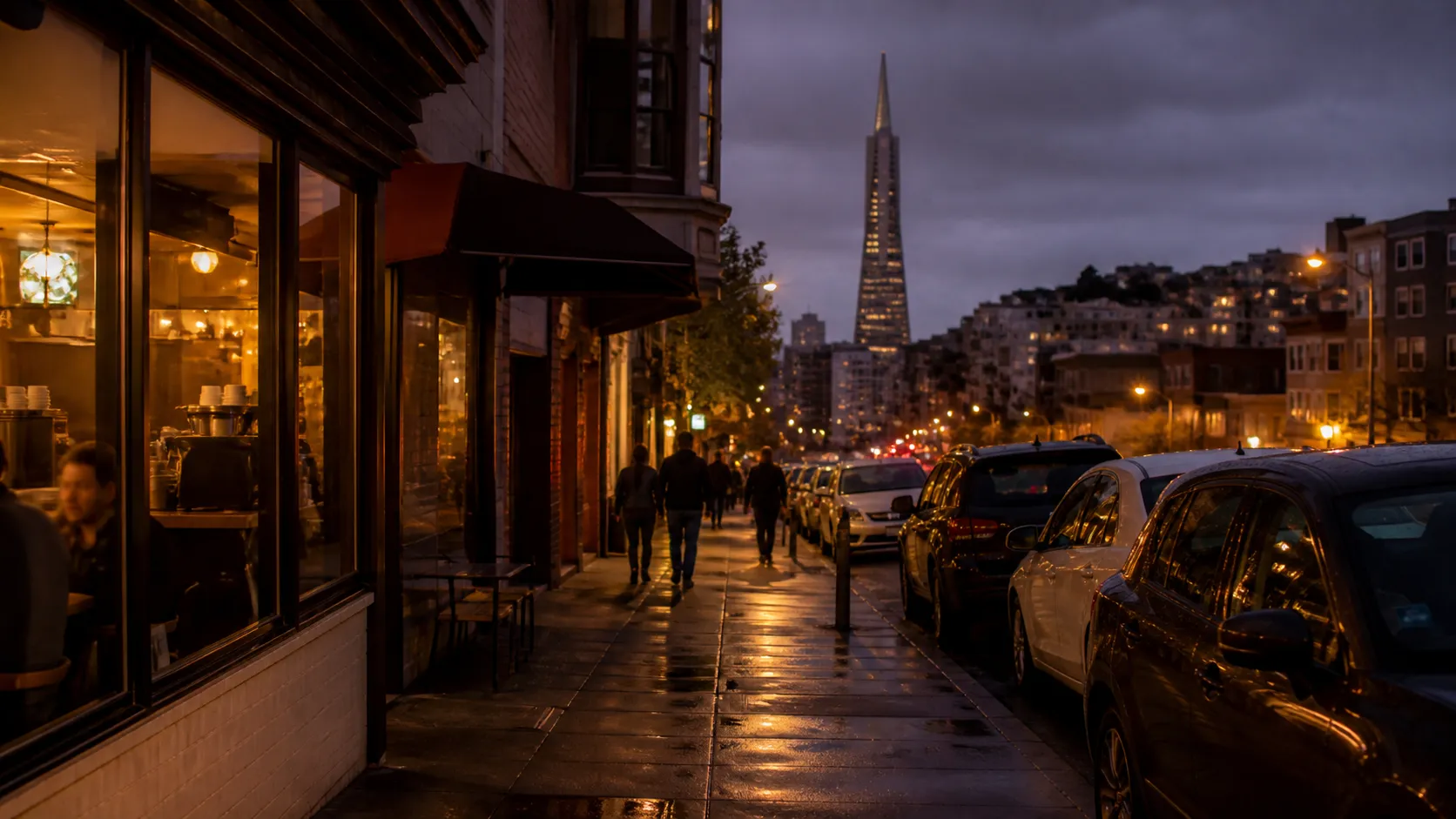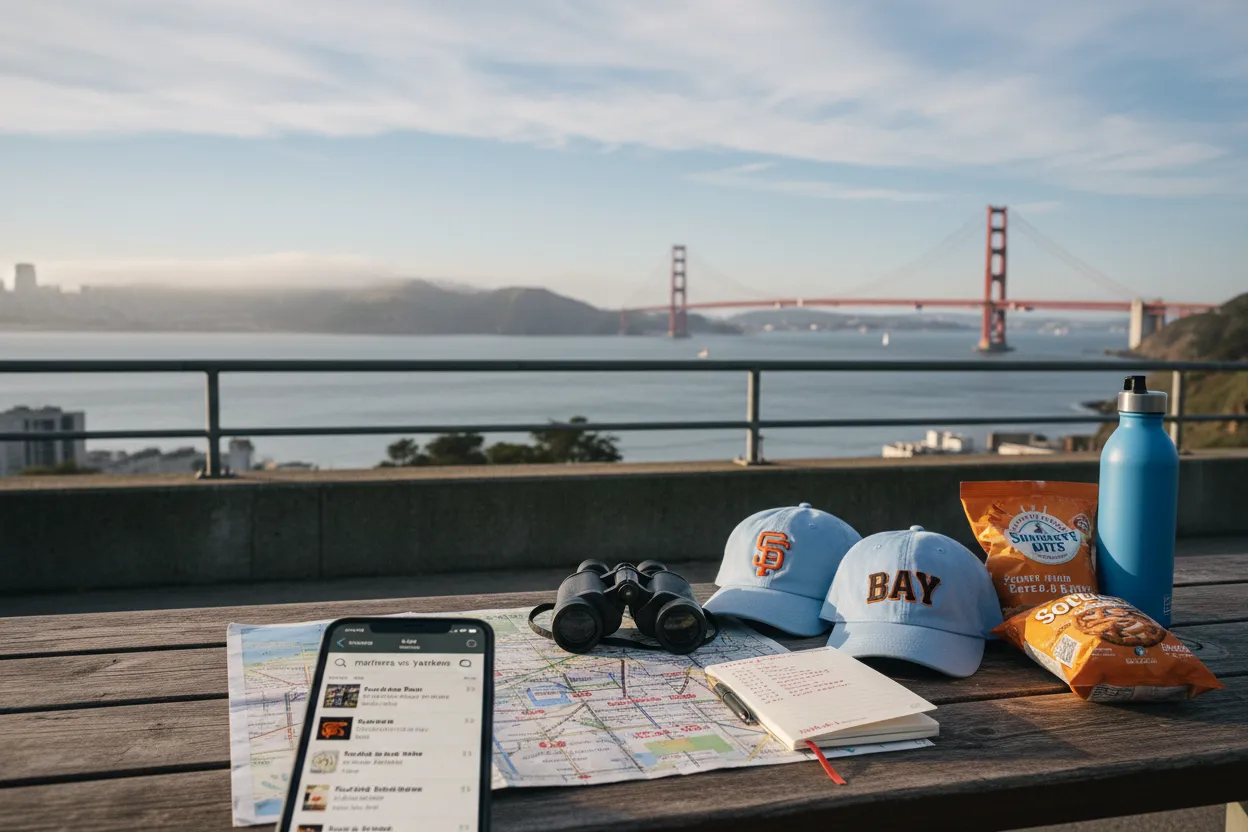
If mariners vs yankees is the search that got everyone texting, treat it as a prompt, not a promise. In San Francisco, the better plan is the one you can verify before you step outside: who is coming, how late you want to stay, whether the group needs Muni, a bike, a walk, or a ride, and what happens if the first place feels too packed or too far from a clean transit line. The official city tools point you toward trip planning, visitor routes, neighborhood context, and live service updates. That is the right order here: check the route, check the access, and only then decide whether the night is worth the extra transfer or the shorter walk.
Want a tighter version for your block, bar, or neighborhood meetup? Text Karpo for a verification-first San Francisco game-night checklist that turns mariners vs yankees into a clean public plan.

Turn the sports interest into a social plan
Start with the people, not the matchup. If the goal is to watch, talk, and move easily, the winning version of mariners vs yankees is the one that fits the group’s patience, budget, and exit plan. Decide whether this is a quick pregame stop, a longer watch window, or a low-key place to regroup after the first inning of conversation runs out.
That is also where verification matters. If an official page throws a security check or does not load cleanly, do not read that as confirmation that the place, route, or schedule is stable. Use the live official page again before you leave, especially when several people are coordinating from different parts of the city.
Choose participation or spectating first
Not every outing needs the same energy. Some groups want a seat and a screen; others want a place to stand, talk, and drift in and out. The SFMTA Trip Planner lets you start with a location, an end point, and the way you want to travel, which is the right way to frame a city sports night before anyone starts guessing about where to meet.
If someone in the group is new to San Francisco, or just not comfortable improvising transit, use the accessibility and visitor tools first. That makes it easier to choose a route that feels direct rather than clever. A public plan should be easy to explain in one text thread, not something only one person understands.
Match the venue to the group energy
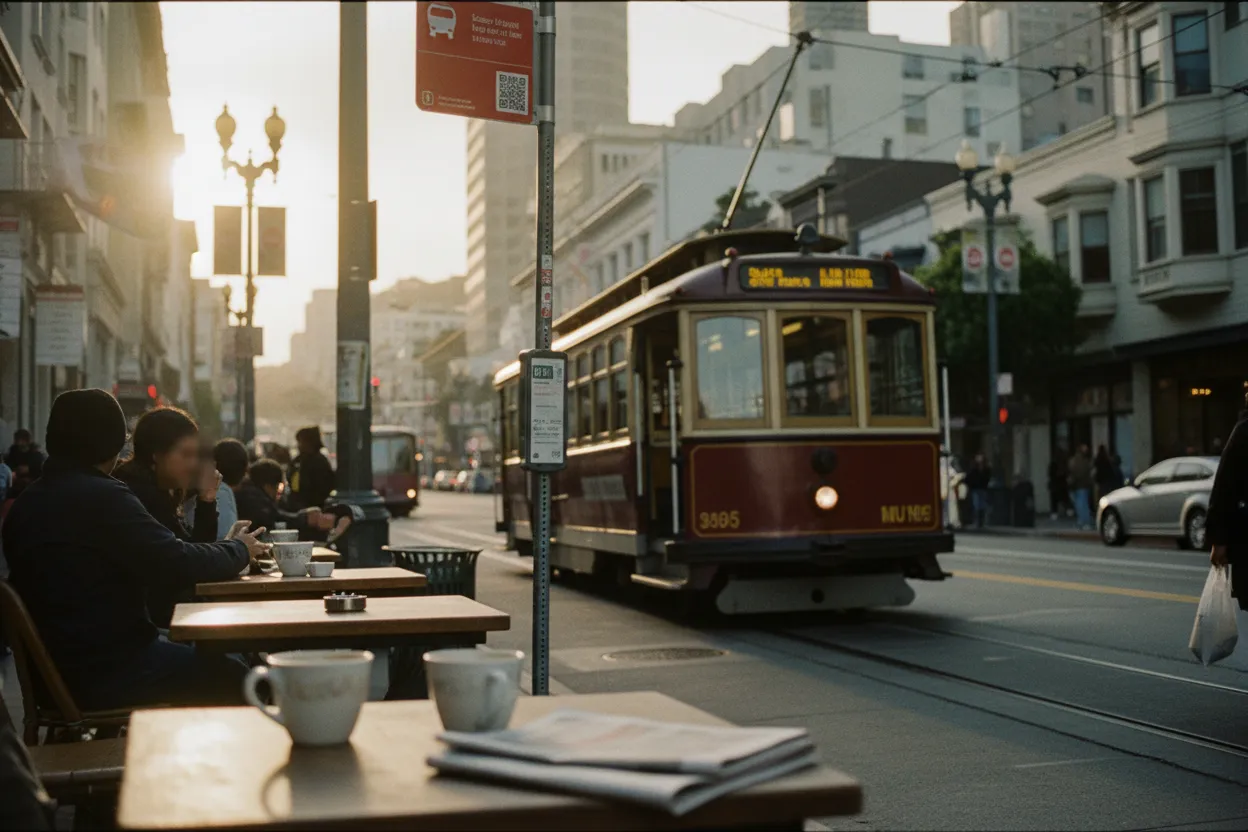
Pick the room or public meet-up spot based on noise tolerance, arrival style, and how much wandering the group can handle. A busier, more transit-connected area works better when people are joining late. A quieter neighborhood setting works better when the point is conversation first and sports second. SFMTA’s neighborhood pages and travel maps are the practical place to start if you need a broader sense of how the trip will feel.
If your plan depends on a specific kind of access, keep the bar low and the questions direct: can people get there by Muni, walk, bike, drive, taxi, or with accessibility needs in mind? If the answer is unclear, treat that as a reason to keep looking rather than forcing the night into a venue that may not fit.
Plan equipment seating and transit early
Bring the basics you actually need and ignore the fantasy version of the outing. That means a charged phone, a way to check live updates, and enough flexibility that you are not stuck if the first choice is full. Do not assume seating, parking, or a short wait will magically appear because the calendar looked open when you first checked. If the outing matters, build a half-hour cushion, because public plans are better when the margin exists.
Use the trip planner before anyone heads out and test more than one mode if the first route looks messy. SFMTA supports Muni, Bike, Walk, Drive & Park, Taxi, and Accessibility, which gives you room to build a public plan instead of a single-point gamble. For a group night, that backup matters more than a perfect first pick.
Keep beginners from feeling stranded
Newer fans and first-time visitors usually need the same thing: a simple route, a clear meeting spot, and permission to leave if the crowd feels off. Spell out the start time, the fallback time, and the stop or neighborhood you will use if the first location is too packed. That keeps the outing social without turning it into a scavenger hunt.
The SFMTA site gives you enough structure to do that without overcomplicating it. Check the visitor tools, the service updates, and the route information, then tell the group what will happen if someone arrives late. A short text with three bullets beats a long thread with no decision at all.
Verify schedules before leaving
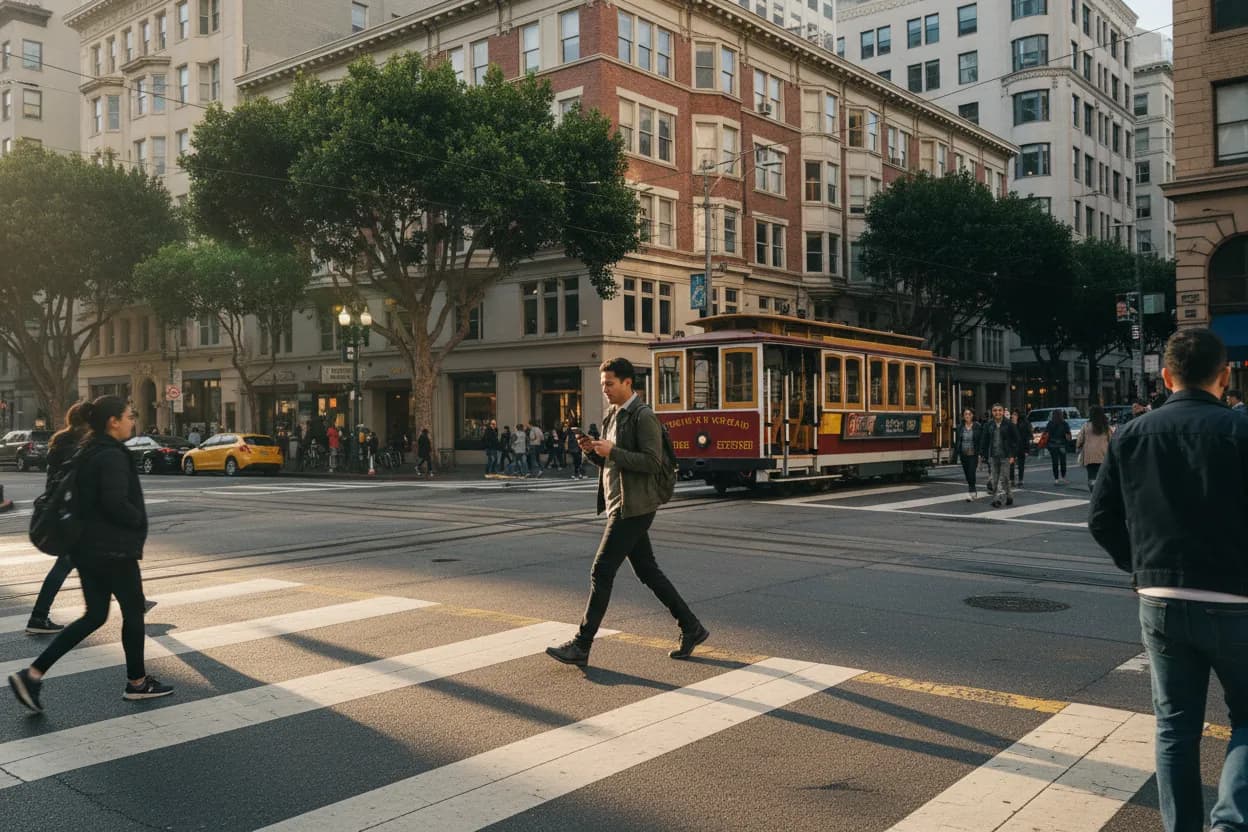
Recheck everything right before you go. SFMTA’s alerts and service updates show that conditions move, and the current page already points to upcoming Muni service changes starting Aug. 29, so a plan built on an earlier screenshot can age quickly. If you are relying on a specific route, timing, or transfer, confirm it again on the official page instead of trusting memory.
The same rule applies to other city pages. SF Travel may present a security verification step, and the Rec and Park site may need another try when it does not render cleanly, so treat incomplete loading as a signal to keep checking, not to assume the information is settled. The safest sports-social plan is the one that survives a final live check.
Tags: #AskKarpo #BeforeYouGo #SanFrancisco #Muni #TransitCheck #SportsNight #CityPlan #PublicAccess #GroupOuting #BackupPlan #NeighborhoodPlans #CrowdCheck #MarinersVsYankees #LocalLife
Sources consulted: sftravel.com · sfmta.com · sfrecpark.org
All trademarks are the property of their respective owners.
Ask Karpo first
Ask Karpo first if you want the plan cut down to the useful parts. For a mariners vs yankees night in San Francisco, Karpo can help you pressure-test transit, crowd tolerance, and a backup meet-up point so the outing stays public, simple, and movable.