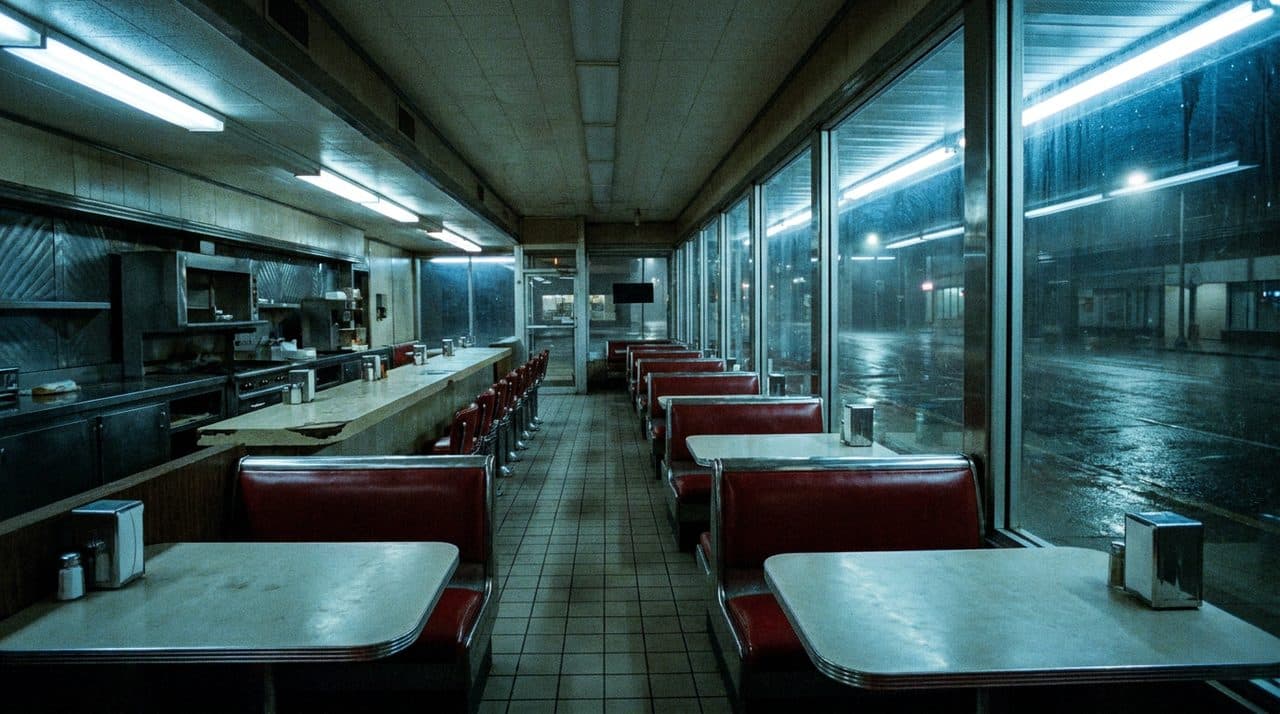
You slide into a booth with electrical tape holding the vinyl together and the Mariners are up in the fifth, silent except for the occasional crack of bat on ball that you imagine because the TV mounted above the coffee station has no volume. The griddle hisses. Someone's midnight becomes someone else's breakfast at this Astoria Greek diner where the door never locks and the West Coast games play out in pantomime under lights that make everyone look slightly unwell.
The Fluorescent Wash Makes Everyone Equal
The lighting here doesn't forgive. It's that particular shade of institutional white that flattens faces and turns coffee into something darker than it should be. You sit under it anyway because it's three in the morning or six or noon—time moves differently when a place doesn't close—and the game is on and you've got nowhere else that wants you at this hour. The booths run along the windows facing the avenue, vinyl cracked in patterns that suggest decades of weight and restlessness. Across from you, a guy in hospital scrubs stares at his phone. Two booths down, someone's asleep with their head on their folded arms, and nobody bothers them. The unspoken rule: if you ordered something, you can stay as long as the coffee holds out.
Baseball Without Commentary Becomes Something Else
The screen shows the Orioles pitcher shaking off signs. You watch his mouth move, talking to himself or to God or to the catcher, and you'll never know which. Without announcers parsing every pitch, the game becomes pure geometry—the diamond, the angles, the way bodies move in space. You start noticing things: how the third baseman shifts two steps left before the pitch, how the Mariners dugout empties and refills in waves you can't hear. The cook flips eggs in your peripheral vision, and the rhythm matches somehow—the crack of shell on griddle edge, the slide of spatula, the pause before the flip. Someone at the counter asks for ketchup. The waitress moves like she's done this shift a thousand times, because she has.
The Menu Reads Like a Treaty Between Cultures
You can get moussaka until dawn. You can also get disco fries, a western omelet, or a gyro plate that arrives on an oval platter big enough to serve a small family. The menu is spiral-bound plastic, pages sticky with age and syrup, offering both spanakopita and a patty melt with the same level of commitment. Nothing costs enough to make you think twice. The Greek side of the kitchen and the American diner side have been in negotiation for so long they've stopped arguing—now they just coexist, baklava next to apple pie in the refrigerated case by the register, both looking a little tired under the glass. You order the avgolemono soup because it's technically morning and you need something that feels like care. It arrives with oyster crackers in a separate packet and a lemon wedge on the rim.
The Regulars Have Their Own Gravitational Pull
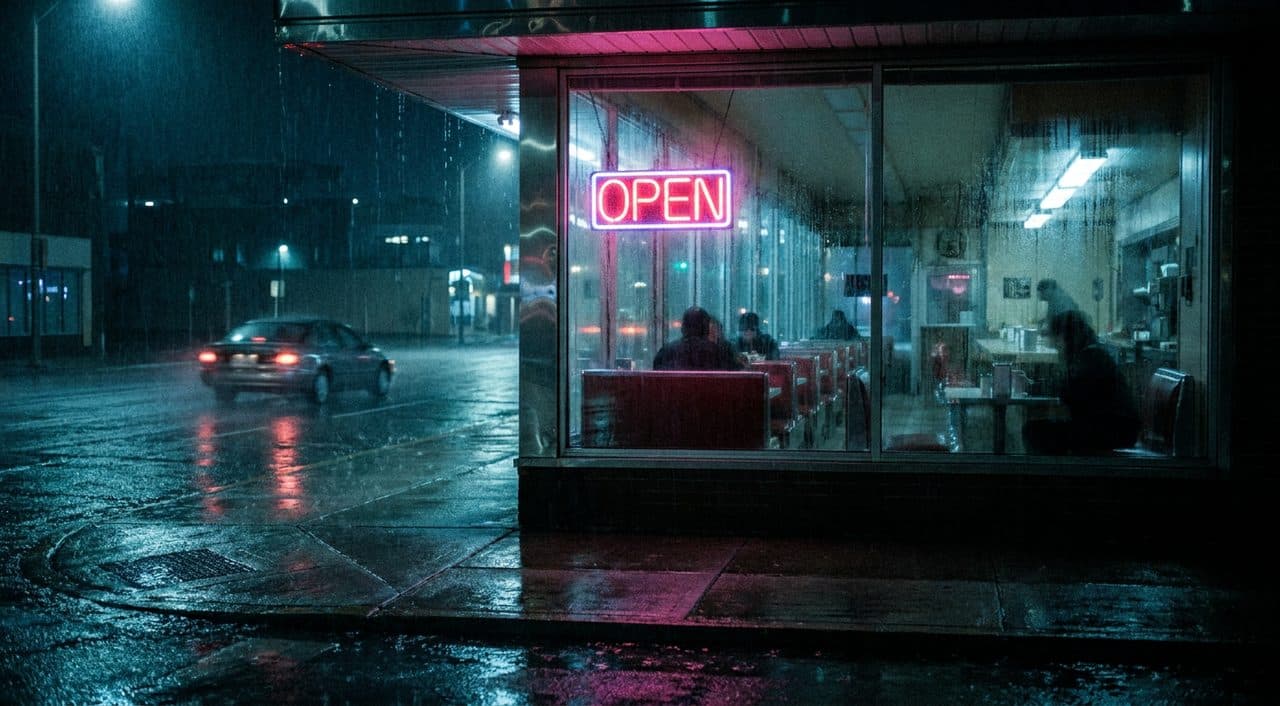
There's a man who comes in after his shift driving for one of the app services, always takes the corner booth, always orders eggs over easy with extra toast. You recognize him not by his face but by the way he arranges his phone, keys, and wallet in a precise line on the table before he eats. There's a woman who brings her laptop and camps out during the dead hours between bar close and sunrise, nursing a cup of coffee that gets refilled without her asking. She types in bursts, then stares at the baseball game, then types again. You're not a regular yet but you could be—that's the thing about places like this. Show up enough times at the wrong hour and eventually you're part of the furniture, another body in the fluorescent wash, another person watching silent baseball and waiting for the city to wake up or go back to sleep.
The Griddle Never Stops, Even When It Should
Behind the counter, the flat-top runs hot all night. You can hear the sizzle from your booth, smell the butter browning and the onions going translucent for someone's hash browns. The cook works with the efficiency of someone who stopped thinking about the motions years ago—crack, flip, scrape, plate. There's a small TV mounted above his station, angled so he can watch while he works, but he never looks at it. Maybe he's seen enough baseball. Maybe he's just focused on not burning the bacon. The exhaust fan rattles in a way that suggests it's been rattling since the previous decade and will continue rattling until someone decides it's worth fixing, which is to say forever. A busboy emerges from the kitchen with a gray tub of clean mugs and starts restocking the coffee station. The game goes to commercial—you can tell by the way the screen switches to brighter colors and faster cuts—and nobody looks away.
The In-Between Hours Have Their Own Population
The crowd shifts in waves. After midnight, it's service industry people still wired from their shifts, nurses and bartenders and line cooks who need to decompress before they can think about sleeping. Around four, the insomniacs arrive, the ones who've given up on their beds and want to be around other humans even if nobody's talking. By six, the early commuters start filtering in, grabbing coffee and a roll before they catch the train. You can map the city's rhythms by who's sitting in these booths, what they order, how long they stay. The baseball game provides continuity—it started on the West Coast when most of the city was already asleep, and it'll finish around the time the first wave of real morning people arrive, the ones who went to bed at a reasonable hour and woke up refreshed. You're not one of them. You're here for the in-between, the hours when the city admits it never really stops, when a Greek diner in Astoria becomes a holding pattern for people who don't fit the regular schedule.
Practical Notes
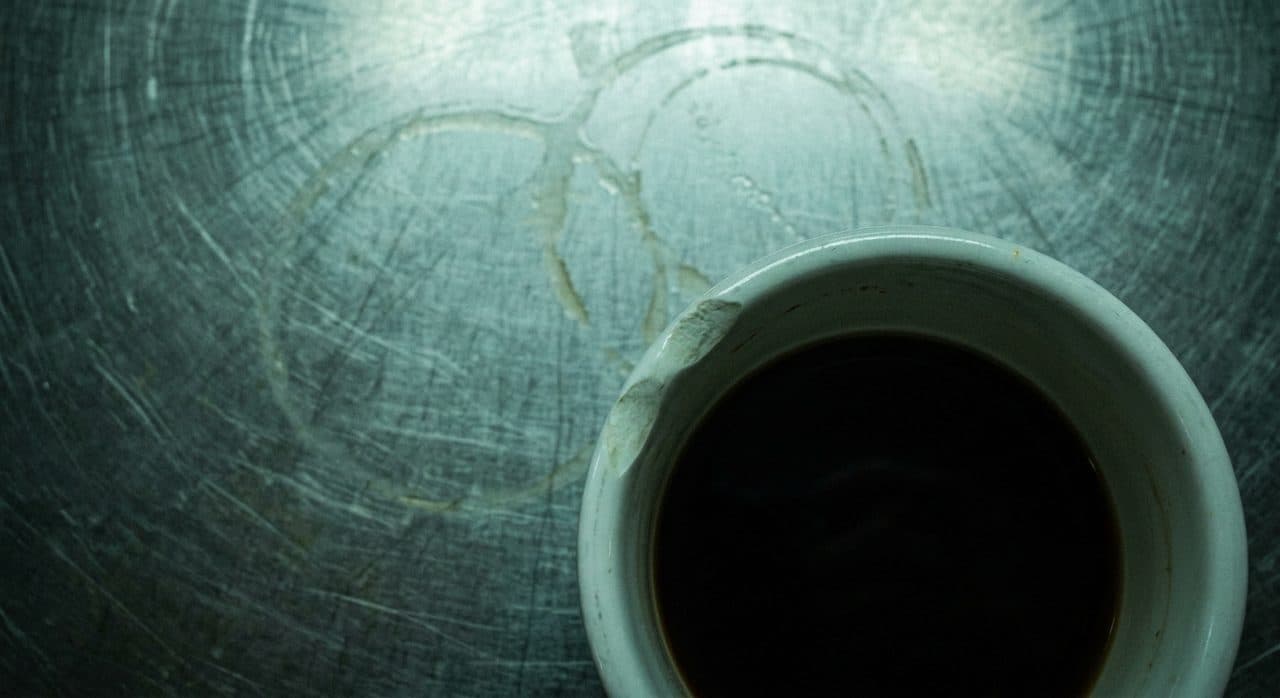
The diner sits on a stretch of Astoria where the neighborhood's Greek roots still show in the bakeries and social clubs, close enough to the train that you can hear it rumble past if the door opens. It's open around the clock every day, which is the entire point. No reservations, no dress code, no judgment. Cash is easier but they take cards. Expect to spend less than you would almost anywhere else in the city for a full meal. The coffee is endless and comes in heavy ceramic mugs that hold heat. If you're coming for the late West Coast games, aim for weeknight matchups when the crowd thins out and you can claim a booth with a clear sightline to the TV. Weekend nights get busier with the bar-closing overflow. The Q train drops you within a few blocks. Street parking exists but requires patience and possibly divine intervention.
Tags: #PullUpAChair #AstoriaEats #LateNightDining #GreekDiner #NewYorkAfterDark #QueensFood #24HourDiner #BaseballSeason #InsomniacLife #DinerCulture #AstoriaQueens #NYCNightOwls #WestCoastBaseball #FluorescentNights #ThirdShiftLife
Sources consulted: eater.com · timeout.com · infatuation.com
All trademarks are the property of their respective owners.


