 Stern Grove Festival: Free Sunday Concert Events in Sunset District's Eucalyptus Bowl
Free Things to Do
Mariners Game Today SF Sensory-Friendly Waterfront Route with Audio Streaming
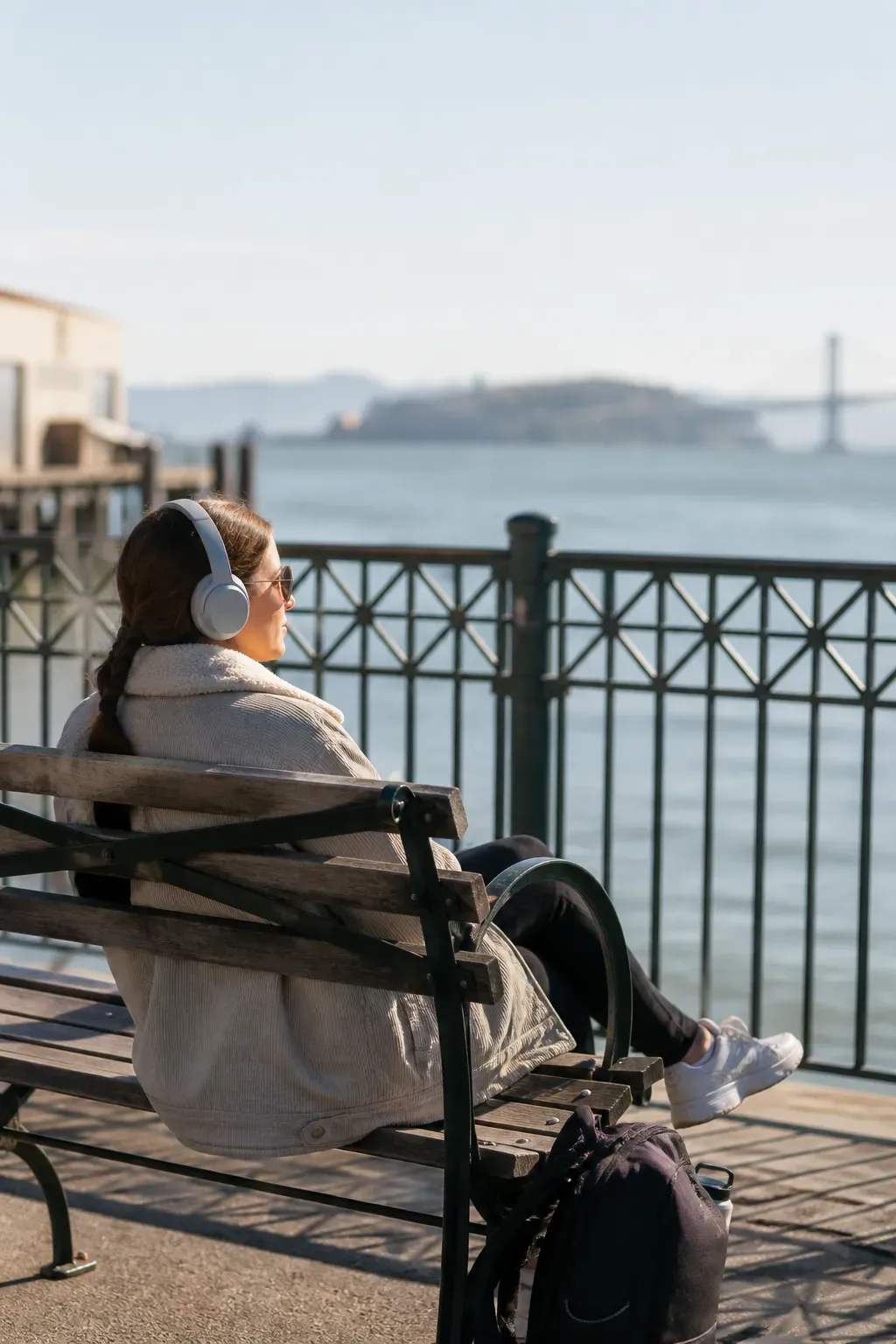
A quiet waterfront listening plan for baseball fans who want movement, benches, and exit options. Build a flexible Embarcadero walk around game audio without treating the city like a sensory obstacle course.
If you are searching mariners game today because you want the score, the broadcast, and a reason to get outside without joining a loud bar crowd, San Francisco’s waterfront can work as a free, self-paced listening route. The point is not to chase the busiest baseball atmosphere; it is to stay connected to the game while keeping control over sound, light, pace, and escape options. Use the Embarcadero as the main spine, keep the walk modular, and decide before you start whether today is a short reset, a longer game-length stroll, or a hybrid plan with an indoor backup. SFMTA frames San Francisco as a city served by walking, Muni, biking, driving, taxis, and accessibility resources, so the practical move is to treat transportation as part of your sensory plan, not an afterthought.
Do you prefer shorter 2-mile loops or longer 4-mile routes, and are covered rest spots important for sun sensitivity? Share any specific sensory triggers, and we'll map a personalized route with one quiet indoor backup location.
Choose the Calm Version Before You Leave
Start by deciding what kind of stimulation budget you have, then make the route fit that limit. A 2-mile version is best when you want fresh air and one or two innings of audio, not a full outing. A 3-mile version gives you more room to pause, turn back, and restart without feeling like the day failed. A 4-mile version only makes sense if your headphones, shoes, weather check, hydration, and return plan already feel boringly predictable. For sensory-friendly walking, boring is useful; it means fewer decisions when the sidewalk gets louder than expected.
Before leaving, check three things in this order: your game audio source, SFMTA travel and transit updates, and the National Weather Service San Francisco Bay Area page. SFMTA’s current update page is the right place to look for walking, transit, parking, driving, bicycle, and accessibility advisories before committing to a waterfront plan. On August 6, 2026, that page also lists city advisories such as Outside Lands for August 7-9, 2026 and the Pistahan Parade for Saturday, August 8, 2026, which matters because large events can shift transit and crowd patterns even if your walk is elsewhere. The NWS page currently highlights heat-related warnings and advisories in the broader region, so do not assume waterfront air will solve heat, glare, or fatigue by itself.
Use The Waterfront As A Volume Dial
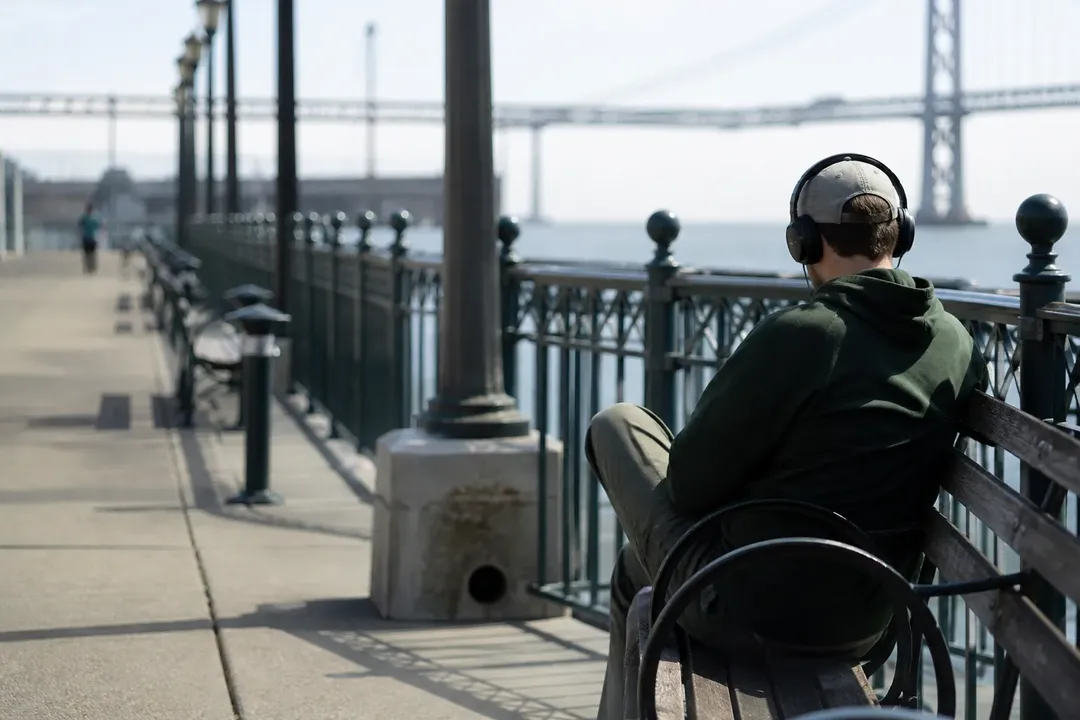
Think of the Embarcadero route as a volume dial rather than a fixed itinerary. The closer you stay to transportation nodes, crossings, food lines, and event flows, the more likely you are to meet sudden noise. The farther you shift toward open stretches with clear sightlines, the easier it is to regulate pace and stop without blocking people. For a calm game-listening walk, give each block a simple rating while you move: green means you can hear the broadcast comfortably, yellow means the sidewalk is workable but tiring, and red means it is time to pause, cross away, or shorten the plan.
The best sensory strategy is to make turning around feel normal. If you are following mariners game today on audio, you do not need to complete the route to complete the experience; you need enough walking to feel settled and enough signal to stay connected. Keep one ear open if that helps with situational awareness, use lower volume near intersections, and choose a walking side where you can step aside without being trapped in a stream of people. Supportive friends can help by matching pace, keeping conversation optional, and treating quiet as the default instead of asking for constant updates.
Build Rest Stops Into The Score
Use natural baseball breaks as permission to stop. Between innings, during pitching changes, or when the broadcast goes to ads, look for a bench, wide edge, plaza-like opening, or quieter wall line where you can reset your nervous system. The article cannot promise specific bench availability, restroom access, or crowd levels because those change by maintenance, events, and time of day. What it can give you is a decision rule: never wait until you are overloaded to look for a rest point. Choose the next pause while you still feel steady.
Restroom planning should be handled as a verification step, not a hopeful guess. Before the walk, check current city restroom maps or posted public facility information, then pin only the options you are willing to use. If a restroom is closed, crowded, or unclear, do not make that the moment where the route becomes rigid. Shorten the route, move toward transit, or switch to an indoor backup. A free outing is still successful if it protects your afternoon instead of forcing you through a plan that looked better on a map than it felt in your body.
Keep Transit And Library Backups Ready
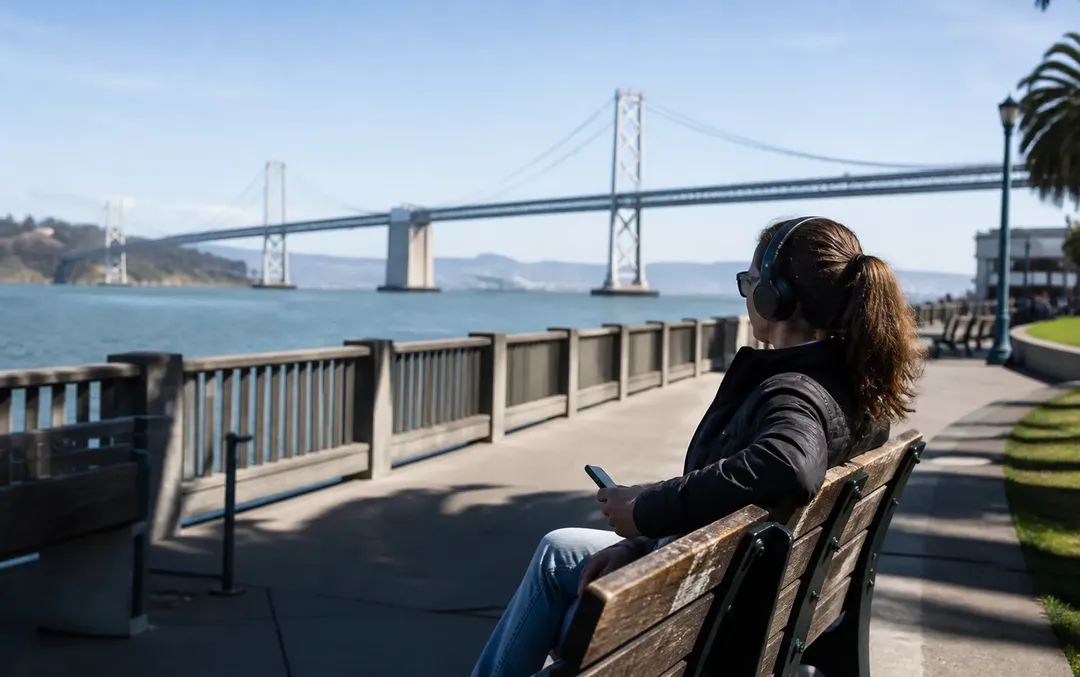
SFMTA says its transportation options include Muni, walking, biking, driving, taxis, and accessibility information, which makes it reasonable to design a route with multiple exits. If you arrive by Muni, decide in advance which stop area is your return point and which alternative you will use if service is delayed or the sidewalk is too busy. If you bike, plan where you are comfortable slowing down, locking up, or switching to walking. If you are meeting a friend, choose a low-pressure rendezvous rule: if one person needs to stop, the walk stops.
For an indoor reset, San Francisco Public Library locations can be backup anchors, but verify hours and conditions before relying on them for streaming. The Mission Bay Branch is listed at 960 4th Street, San Francisco, CA 94158, with Thursday hours of 10-6 in the supplied SFPL extract; the Main Library is listed at 100 Larkin Street, San Francisco, CA 94102, with Thursday hours of 9-8. Those are not waterfront benches, and they are not a guarantee of a quiet alcove, available seating, or perfect connectivity. They are practical fallback candidates when outdoor stimulation becomes too much and you need a public indoor environment to reassess.
Make It A Repeatable Free Routine
The real value of this plan is repeatability. Once you find the version that works, save it as your default San Francisco game-walk template: short loop for low energy, medium out-and-back for a normal broadcast, longer segment for days when the city feels easy. Keep notes on where sound spikes, where wind interferes with audio, where shade appears useful, and where you prefer to pause. Over time, the route becomes less about novelty and more about confidence, which is exactly what many neurodivergent and quiet-preference fans need from free things to do.
Before each game day, repeat the same checklist: confirm the broadcast source, check SFMTA updates, scan weather alerts, verify any library backup hours, and choose a maximum walking distance you are willing to abandon without guilt. That structure lets you enjoy mariners game today without needing the city to be perfectly calm. San Francisco will still have traffic, events, tourists, construction, and sudden noise. Your advantage is that the plan is flexible enough to bend before you do.
Tags: #SanFrancisco #FreeThingstoDo #SensoryFriendly #WaterfrontWalk #BaseballAudio #Embarcadero
Sources consulted: Source 1: sfmta.com · Source 2: sfpl.org · Source 3: sfmta.com · Source 4: weather.gov
All trademarks are the property of their respective owners.
Ask Karpo first
Ask Karpo to turn this San Francisco idea into a current plan for your date, budget, companion, transit preference, and energy level. Karpo can narrow the route and flag what to verify before you go.
Ask Karpo for more information.
Keep reading
- Stern Grove Festival: Free Sunday Concert Events in Sunset District's Eucalyptus Bowl
 Unveiling Free Events at the Museum of the African Diaspora SoMa
 Free Local Events Happening This Week: Yerba Buena Gardens Festival Outdoor Music