 Mediterranean Food Near Me in Fort Greene: Miss Ada's Garden and Hummus
Neighborhood Guides
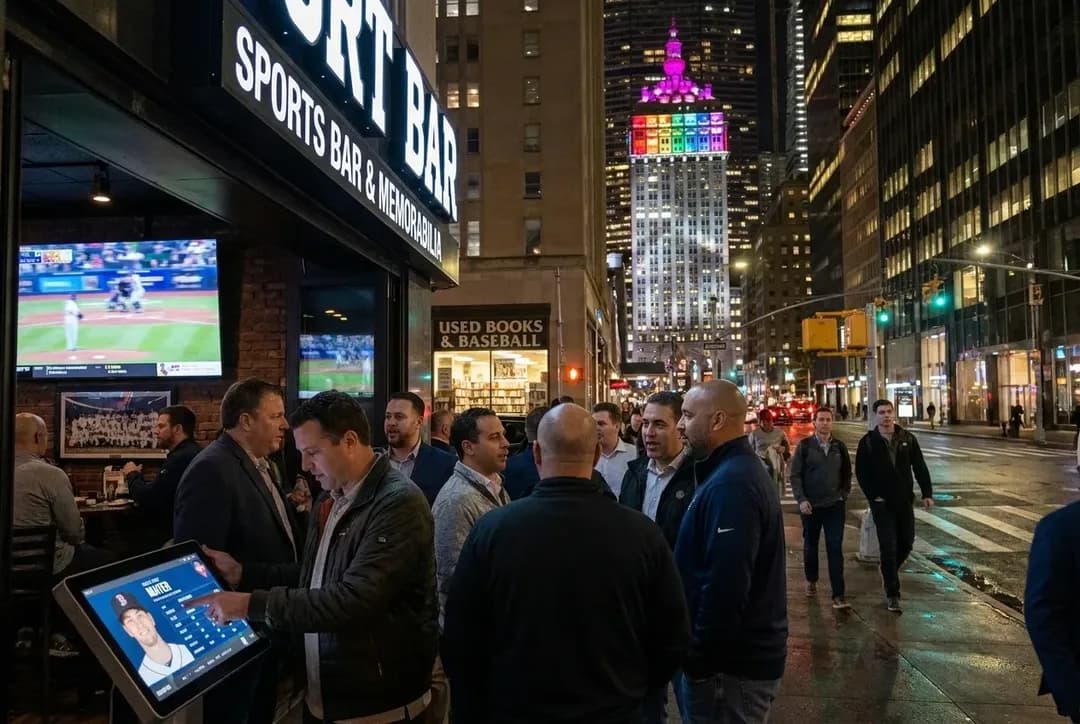
Marcelo Mayer Prospect Talk: NYC Neighborhoods for Minor League Discussion
Navigate NYC's best neighborhoods for in-depth baseball prospect analysis and Marcelo Mayer farm system conversations. Compare districts by memorabilia density, viewing venues, and meetup culture for serious minor league followers.
For baseball prospect analysts seeking community around detailed discussions of players like Marcelo Mayer and farm system development, New York City offers distinct neighborhood ecosystems that cater to this specialized interest. The challenge isn't finding casual sports bars—it's identifying areas where serious prospect followers congregate, where shops stock obscure baseball literature, and where weeknight conversations dive into OPS+ projections and defensive metrics rather than highlight reels. This guide examines five NYC neighborhoods through the lens of a detail-obsessed analyst looking for both resources and community, comparing transit accessibility via MTA lines, the concentration of relevant retail, and the organic meetup culture that develops around niche baseball interests. Whether you're tracking a Red Sox shortstop prospect's development or debating organizational depth charts solo or with a small group after work, the neighborhood you choose shapes access to both information sources and like-minded discussion partners.
Text Karpo your starting point, timing, group size, and priorities for a NYC plan tailored to this exact situation, with one realistic backup before you leave.
Upper West Side: Baseball Literature Density and Quiet Bar Analysis
The Upper West Side presents a tradeoff between extensive used bookstore inventory and limited dedicated baseball memorabilia retail. The neighborhood's concentration of independent and used bookshops along Broadway and Amsterdam Avenue between 72nd and 96th Streets historically stocks baseball biography and statistical analysis titles, though you'll need to verify current inventory by visiting during weekday evenings since stock rotates unpredictably. The area's bars tend toward quieter establishments where laptop use and extended conversations are tolerated, but you sacrifice the dedicated MLB Network multi-screen setups found in more sports-centric districts.
Transit access via the 1, 2, 3 lines makes weeknight visits straightforward from most boroughs, and the residential character means fewer weekend crowds competing for table space during your prospect research sessions. The neighborhood attracts an older demographic of baseball traditionalists who appreciate farm system discussions grounded in historical context, though spontaneous meetups are rare—you'll likely need to coordinate through online forums before arriving. Verify bar television policies before settling in, as many establishments prioritize general programming over sports channels, and staff may not accommodate channel change requests during non-peak hours.
Park Slope: Meetup Culture Versus Retail Scarcity
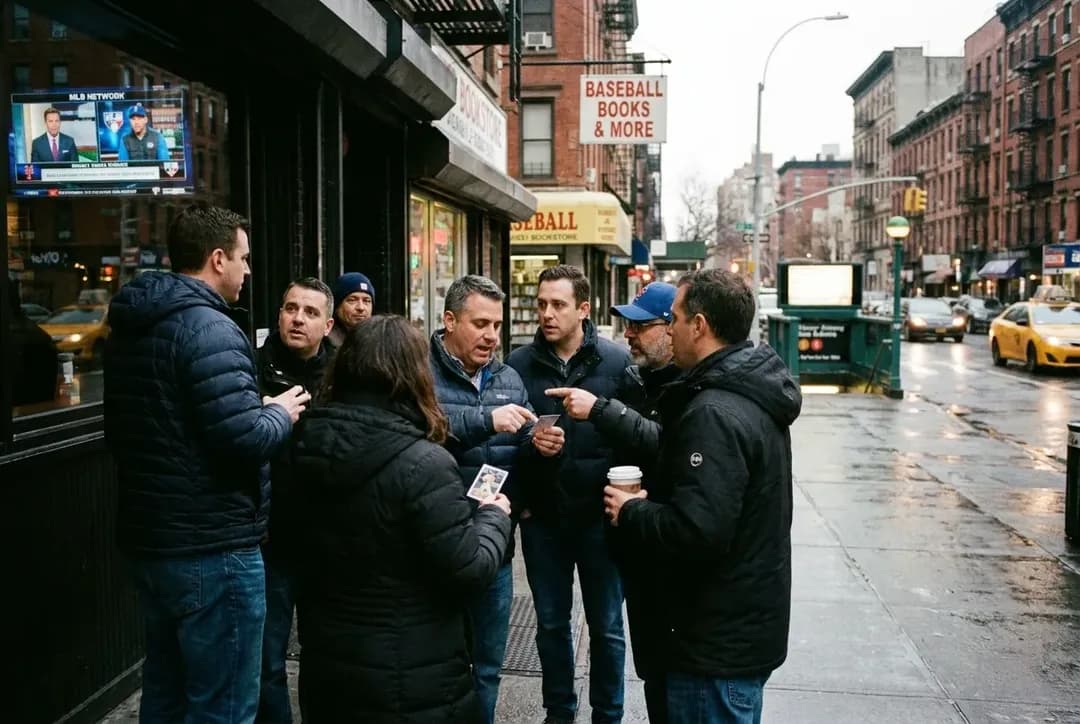
Park Slope offers Brooklyn's strongest organic meetup culture for niche hobby groups, with several bars along 5th and 7th Avenues hosting informal weeknight gatherings that occasionally include baseball prospect enthusiasts. The neighborhood's community board culture and residential stability foster recurring small-group discussions, though you'll need to identify specific venues through online baseball forums or social media groups rather than expecting visible signage advertising prospect talk nights. The retail tradeoff is significant: baseball memorabilia shops are essentially absent, and you'll rely on general bookstores with limited sports sections or plan separate trips to Manhattan for specialized purchases.
The F and G train access from Park Slope stations makes post-work arrival feasible, though service changes on the G line in 2026 may affect your routing—check MTA alerts before committing to a regular meetup schedule. The neighborhood's bars typically feature moderate television presence without the overwhelming multi-screen sports bar atmosphere, creating space for conversation while still allowing game or MLB Network viewing. This environment suits analysts who prioritize discussion over passive watching, but if you need access to specific broadcasts or multiple simultaneous games, you'll find the setup frustrating compared to dedicated sports venues in other districts.
Midtown East: Memorabilia Concentration and Commuter Timing
Midtown East between Lexington and Third Avenues from the 40s through the 50s concentrates the city's highest density of baseball memorabilia shops and sports collectible retailers, making it the obvious choice for browsing prospect cards, signed minor league items, and specialized publications. The commercial character means most shops maintain consistent weekday hours that align with post-work visits, though you should verify closing times since some retailers end business by 7 PM. The neighborhood's bar scene skews toward commuter-focused establishments with strong sports television infrastructure, including MLB Network access and staff familiar with channel requests, but the transient evening population makes recurring meetup culture difficult to establish.
Multiple subway lines (4, 5, 6, 7, and shuttle connections) create excellent transit convergence for groups gathering from different boroughs, and the commercial density means backup venue options if your first choice is crowded. The tradeoff is atmosphere: these bars prioritize turnover and accommodate large after-work crowds, so finding quiet corners for detailed statistical discussions requires strategic timing—arriving immediately after 5:30 PM or after 8 PM when the first wave departs. The neighborhood lacks the used bookstore presence found on the Upper West Side, so your research materials will skew toward new releases and premium collectibles rather than obscure historical texts.
Astoria: Balanced Access with Verification Requirements
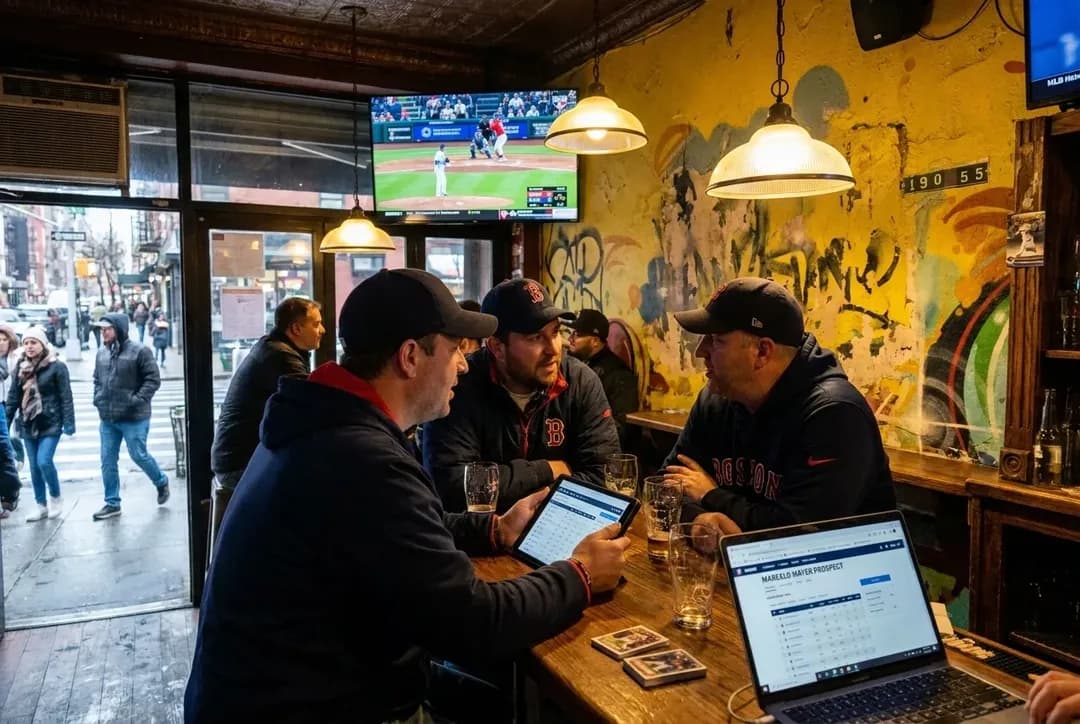
Astoria presents a middle-ground option with moderate baseball retail presence, neighborhood bars that accommodate niche hobby groups, and residential stability that supports recurring meetups without the commercial intensity of Manhattan. The N and W train access along 30th Avenue and Steinway Street creates a defined corridor where several sports bars maintain MLB Network packages, though you'll need to scout specific venues in person since online listings rarely specify channel availability beyond major networks. The neighborhood's Greek and Balkan sports bar tradition means strong television infrastructure, but soccer often takes precedence during international competition periods—verify baseball viewing priority before committing to a venue for regular prospect discussions.
Baseball memorabilia retail is limited to one or two shops rather than a concentrated district, requiring targeted trips rather than browsing expeditions, but general bookstores occasionally stock baseball titles in their sports sections. The neighborhood's appeal lies in its community-oriented bar culture where regulars establish niche interest groups, and staff become familiar with recurring small gatherings. If you're seeking to build a consistent weeknight prospect discussion group rather than dropping into established meetups, Astoria's social infrastructure supports that development better than transient Manhattan districts, though you'll invest more time in the initial community-building phase.
Financial District: Weeknight Availability Against Weekend Abandonment
The Financial District offers a stark weeknight-versus-weekend tradeoff that suits prospect analysts with rigid weekday schedules but creates challenges for flexible timing. Monday through Thursday evenings, the area's sports bars around Stone Street and Water Street maintain full operations with extensive television setups and post-work crowds that include finance professionals who follow baseball prospects as a hobby adjacent to their analytical day jobs. This creates natural conversation opportunities with strangers who appreciate statistical depth, though the competitive professional atmosphere may feel intense compared to more relaxed neighborhood bars. The district essentially empties on weekends, with many establishments closing or operating on reduced schedules, eliminating this option for Saturday research sessions.
Baseball memorabilia retail is minimal, and bookstores are nearly absent—this neighborhood functions purely as a discussion and viewing venue rather than a resource-gathering location. Transit convergence is exceptional with 1, 4, 5, R, W, and J/Z lines all providing access, making it the easiest destination for groups coordinating from scattered boroughs, though late-evening service should be verified through MTA alerts before planning sessions that extend past 9 PM. The Financial District suits analysts who prioritize finding other serious followers over accumulating physical baseball resources, and who can commit to consistent weeknight timing rather than needing schedule flexibility.
Tags: #baseballprospects #NYCneighborhoods #sportsbarsNYC #baseballmemorabilia #minorleaguebaseball #nichehobbygroups #baseballdiscussion #prospectanalysis #NYCtransitaccess #neighborhoodguides
Sources consulted: Source 1: nycgovparks.org · Source 2: new.mta.info · Source 3: nypl.org · Source 4: a816-health.nyc.gov
All trademarks are the property of their respective owners.
Ask Karpo first
Ask Karpo to turn this NYC idea into a current plan for your date, budget, companion, transit preference, and energy level. Karpo can narrow the route and flag what to verify before you go.
Ask Karpo for more information.
Keep reading
- Mediterranean Food Near Me in Fort Greene: Miss Ada's Garden and Hummus
 Places To Eat Near Me in Chelsea: The Market Fills a Nabisco Factory
 Seafood Near Me in the East Village: The Mermaid Inn's Dollar Oysters