Manhattanhenge transforms New York City into a cinematic spectacle twice a year, offering photographers a fleeting yet unparalleled opportunity. This phenomenon, occurring when the setting sun precisely aligns with Manhattan's east-west street grid, bathes the urban canyons in a radiant golden glow. For a few minutes, the entire sun or its half-disk is perfectly framed between skyscrapers, creating an iconic visual. This guide is crafted for the discerning photographer aiming to capture this breathtaking event in 2026 with precision and artistry, ensuring you're prepared for every technical and logistical detail.
Want to ensure you hit every mark for your Manhattanhenge shot, from ideal street corners to precise timing? Text Karpo for real-time, low-friction planning assistance.
Understanding the Manhattanhenge Phenomenon
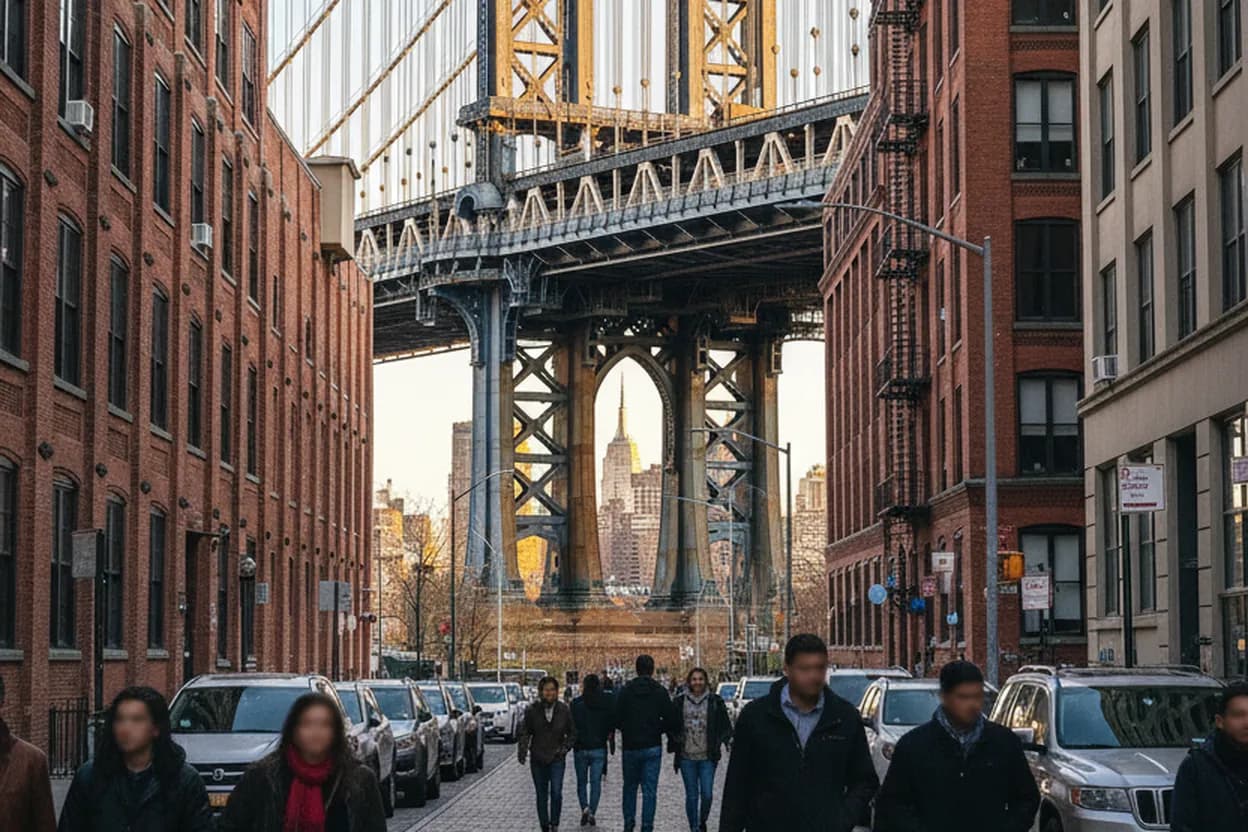
Manhattanhenge, a term coined by astrophysicist Neil deGrasse Tyson, is an astronomical event where the setting sun aligns perfectly with Manhattan's street grid. This alignment, often likened to Stonehenge's solar synchronization, is a direct result of the Commissioners' Plan of 1811, which set the city's grid at approximately 29 degrees east of true north. Because of this specific tilt, Manhattanhenge does not occur on the summer solstice itself, but rather a few weeks before and after, allowing for the sun to be perfectly framed between the city's towering structures.
The phenomenon creates a stunning 'glowing corridor' effect down the cross streets, illuminating both the north and south sides of Midtown's avenues. It's a remarkably photogenic moment, lasting only about 13 to 15 minutes, making precise planning and execution crucial for any photographer. There’s also a lesser-known 'Reverse Manhattanhenge' around the winter solstice, when the rising sun aligns with the grid, offering a different, often less crowded, photographic opportunity.
Key Dates and Times for 2026
For 2026, Manhattanhenge offers four distinct photographic opportunities across two periods. The 'Full Sun' alignments, where the entire solar disk is visible between the buildings, are scheduled for Friday, May 29, at 8:13 PM ET and Saturday, July 11, at 8:20 PM ET. These dates are typically the most sought-after for capturing the classic, blockbuster image of Manhattanhenge, though they also attract the largest crowds.
Additionally, 'Half Sun' alignments, where only the top half of the sun is visible as it dips below the horizon, provide equally dramatic and stunning photographic potential. These are set for Thursday, May 28, at 8:14 PM ET and Sunday, July 12, at 8:21 PM ET. While perhaps less iconic, these days can offer a slightly more relaxed viewing experience compared to the full sun events while still delivering captivating light and composition for your lens.
Strategic Locations for the Perfect Shot
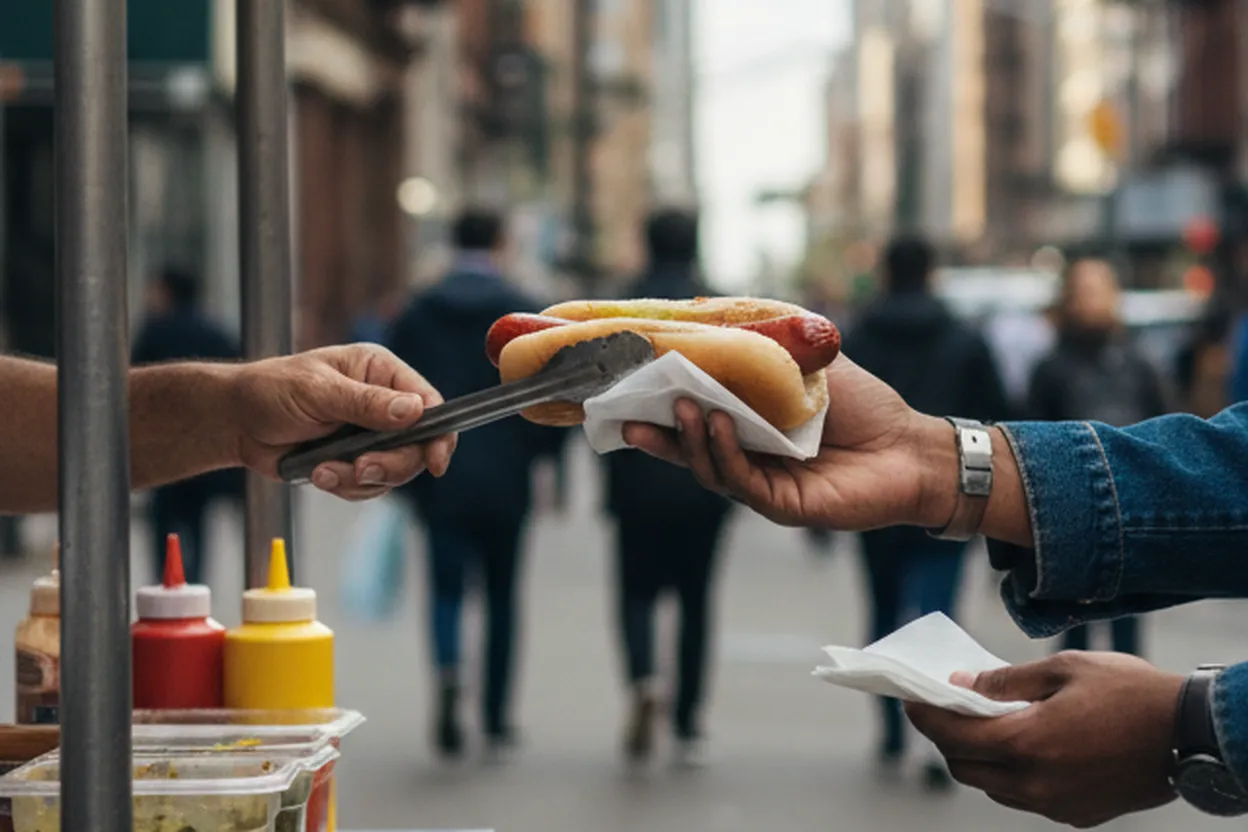
Selecting the right vantage point is paramount for a successful Manhattanhenge photograph. While any east-west cross street with an unobstructed view towards New Jersey can work, certain locations offer superior framing and perspective. The Tudor City Overpass on 42nd Street is often considered the 'holy grail,' providing an elevated, dead-center view that can frame the Chrysler Building alongside the setting sun. However, this spot gets aggressively crowded, often requiring arrival at least two hours in advance.
Other highly recommended locations include 34th Street near the Empire State Building for an iconic backdrop, 14th Street near Union Square for its wide expanse and dynamic street life, and 57th Street for framing against modern skyscrapers. For a unique perspective that includes the entire Manhattan skyline, consider crossing the East River to Hunter's Point South Park in Long Island City, Queens, where you can capture the sun setting into the grid from a distance.
Essential Camera Gear and Settings
Given the fleeting nature of Manhattanhenge, having your gear prepped is critical. A telephoto lens (e.g., 70-200mm) is highly recommended; it compresses the background, making the sun appear larger and more dramatic against the urban landscape. While tripods are generally useful for stability, the dense crowds at popular spots might make handheld shooting (with image stabilization, if available) a more practical approach. Consider a monopod or a sturdy, compact tripod if you can secure a less congested position.
For camera settings, aim for a narrow aperture (f/11 to f/16) to achieve a crisp 'starburst' effect from the sun's rays and ensure overall sharpness. Keep your ISO as low as possible (100-200) to minimize noise, as the intense light from the sun will provide ample illumination. When focusing, avoid pointing directly at the sun; instead, focus on the sharp edges of the buildings that frame the street. This technique ensures your architectural elements are razor-sharp while the sun still shines brightly.
Navigating Crowds and Securing Your Spot
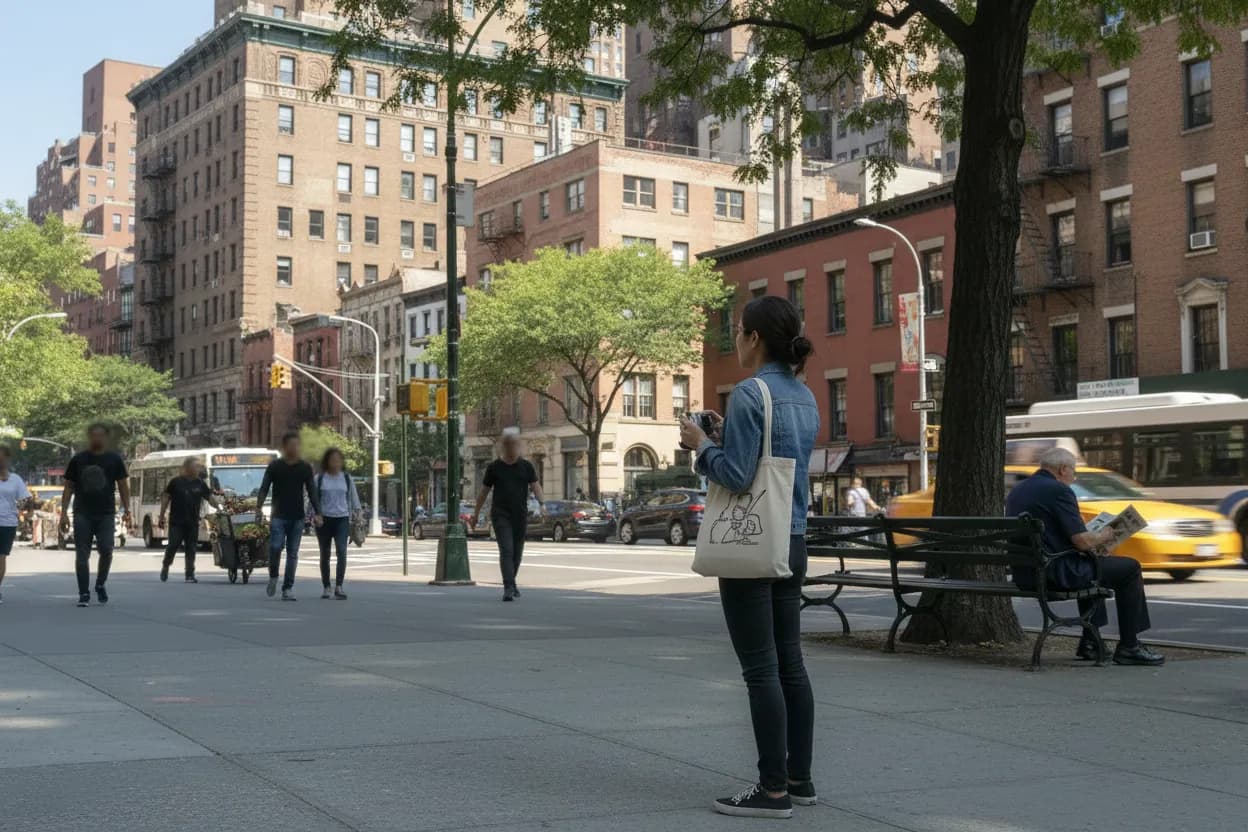
Manhattanhenge has become an increasingly popular event, drawing significant crowds, especially to prime viewing locations like the Tudor City Overpass. To secure a desirable spot, plan to arrive well in advance—at least 30 to 45 minutes before the scheduled alignment for less popular spots, and up to two to three hours early for the most coveted viewpoints. Being prepared to navigate dense crowds is essential; maintain situational awareness, especially if you plan to step into the street (which many do, though caution is advised).
Consider scouting your preferred location a day or two before the event to understand the sightlines, potential obstructions, and crowd flow. If you prefer a less crowded experience, the 'Half Sun' days or lesser-known cross streets might offer a more relaxed atmosphere. Alternatively, exploring locations across the East River, like Hunter's Point South Park, can offer stunning, unobstructed views without the intense competition for space within Manhattan itself.
Beyond the Sunset: Capturing the Urban Context
While the direct alignment of the sun is the main event, Manhattanhenge also presents unique opportunities to capture the broader urban context. The golden light spilling down the avenues transforms the city, creating dramatic shadows and highlights that can be incorporated into street photography. Look for silhouettes of pedestrians, yellow cabs, or iconic city elements against the radiant backdrop. Capturing the reaction of the crowds themselves can also be a compelling photographic narrative, showcasing the collective awe inspired by this natural phenomenon.
Experiment with different focal lengths and compositions. A wide-angle lens, while not ideal for the 'massive sun' effect, can capture the expansive glow across the skyline or the entire street scene. Don't be afraid to adjust your perspective, shooting from slightly elevated positions, or focusing on reflections of the light in windows. The beauty of Manhattanhenge extends beyond the sun's disk; it's about the city's transformation under its unique illumination.
Final Preparations and Verification
Before heading out, ensure all your camera batteries are fully charged and you have ample memory card space. Pack light but bring essentials: a lens cloth, extra batteries, and perhaps a small snack and water. Dress comfortably and be prepared for potentially warm weather in May and July. Given the crowds, personal safety and awareness of your surroundings are paramount. It is advisable to verify the exact times and any potential last-minute changes to viewing guidelines closer to the dates, especially through official city or astronomical institution websites.
Remember that the alignment phenomenon is brief, so practice quick adjustments to your camera settings and framing. Have a clear idea of the shots you want to achieve. Lastly, enjoy the experience. While capturing the perfect photograph is the goal, witnessing Manhattanhenge is a memorable event in itself. Be flexible, adapt to the conditions, and allow for some spontaneous creativity. For the most up-to-date information on any potential changes or specific advisories, always check official sources before you go. #BeforeYouGo
Tags: #Manhattanhenge #NYCPhotography #FreeThingsToDoNYC #UrbanPhotography #PhotographersGuide #Manhattanhenge2026 #NYCevents #CityscapePhotography #Astrophotography #NewYorkCity #CaptureTheMoment #AskKarpo #BeforeYouGo #StreetPhotography
Sources consulted: Source 1: theexploreist.com · Source 2: realstoursnyc.com · Source 3: newyorkcityfeelings.com · Source 4: vivereny.com · Source 5: newsbreak.com
All trademarks are the property of their respective owners.
Ask Karpo first
Tell Karpo your date, group size, budget, and starting neighborhood. We’ll check current access, timing, transit, and the cleanest plan for Manhattan streets before you head out.