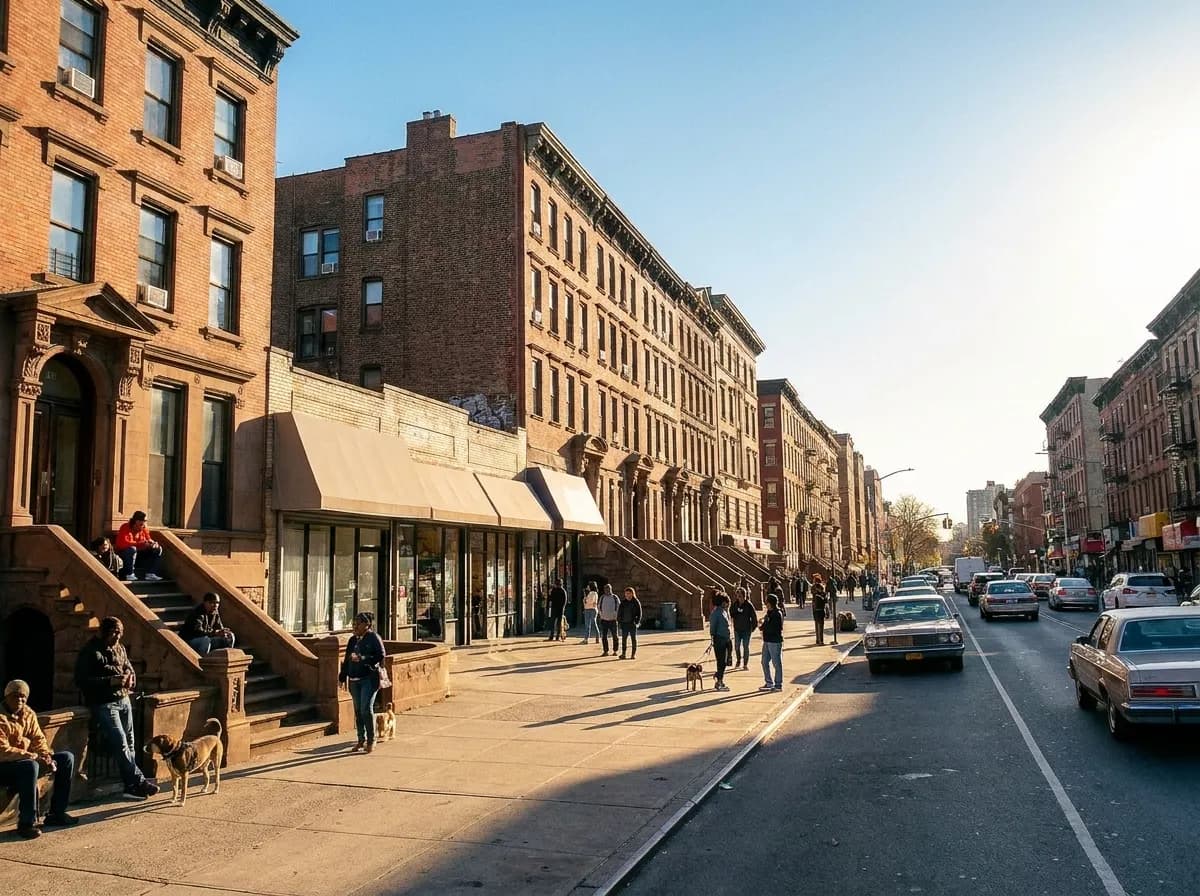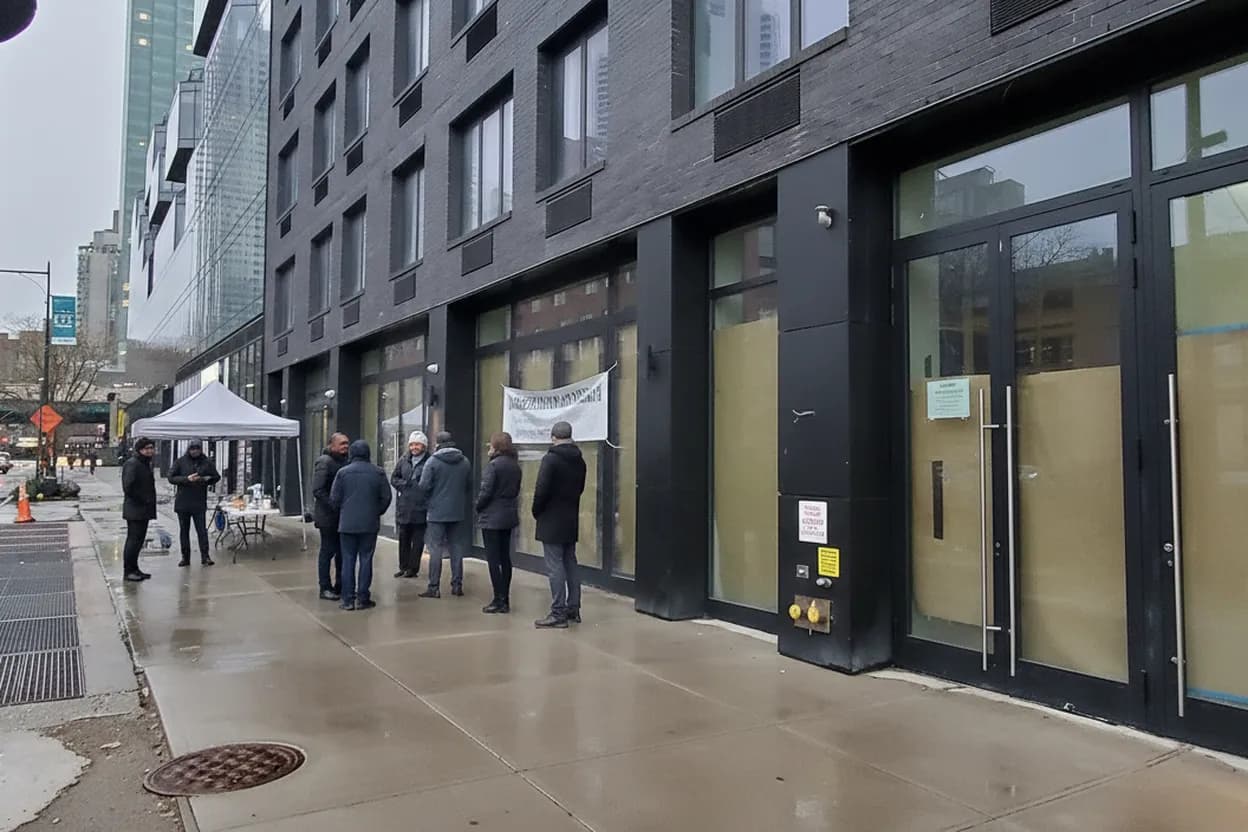
Securing affordable housing in Manhattan can seem like a daunting challenge, but New York City's Housing Connect portal offers a structured pathway to income-restricted apartments. This system, officially managed by the NYC Department of Housing Preservation and Development (HPD) and the NYC Housing Development Corporation (HDC), provides a centralized platform for eligible New Yorkers to apply for below-market-rate units. For 2026, understanding the application process, eligibility criteria, and common pitfalls is crucial for potential applicants aiming to navigate the competitive landscape effectively and increase their chances of securing a home.
Want a personalized strategy that works for you? Text Karpo "Manhattan Housing Lottery" for tailored advice and real-time updates on lotteries matching your profile.
Understanding the NYC Housing Connect System
NYC Housing Connect serves as the centralized portal for all affordable housing lotteries across the five boroughs, including Manhattan. It functions as a randomized selection process, where eligible New Yorkers submit applications for income-restricted units. After an application window, a computerized lottery assigns log numbers to all complete and eligible entries, determining their position in line for review. This system aims to provide equitable access to affordable housing, with new developments and rehabilitated units regularly posted.
The process typically involves several stages, starting from the lottery opening, followed by application submission, random selection for log numbers, document review for those selected, and finally, an interview and lease signing. It is important to note that receiving a log number does not guarantee housing; it merely invites applicants to begin the comprehensive verification process. Many lotteries receive thousands of applications for a limited number of units, making volume application a key strategy.
Creating and Maintaining Your Housing Connect Profile
The first essential step is to create a free and accurate account on housingconnect.nyc.gov. This single profile will be used for every lottery application you submit, making its completeness and accuracy paramount. Your profile must precisely reflect your household information, including every individual who will reside in the apartment, and all sources of income for every adult household member. This includes wages, salaries, self-employment income, Social Security benefits, child support, and investment income, calculated before taxes and deductions.
Regularly updating your Housing Connect profile is critical, especially if there are changes to your income, household size, or contact information. An outdated profile can lead to disqualification during the document review stage, even if you receive a low log number. Ensure all details are current before applying to any lottery, as this proactively addresses potential discrepancies that could arise later in the process.
Navigating Income and Asset Limits
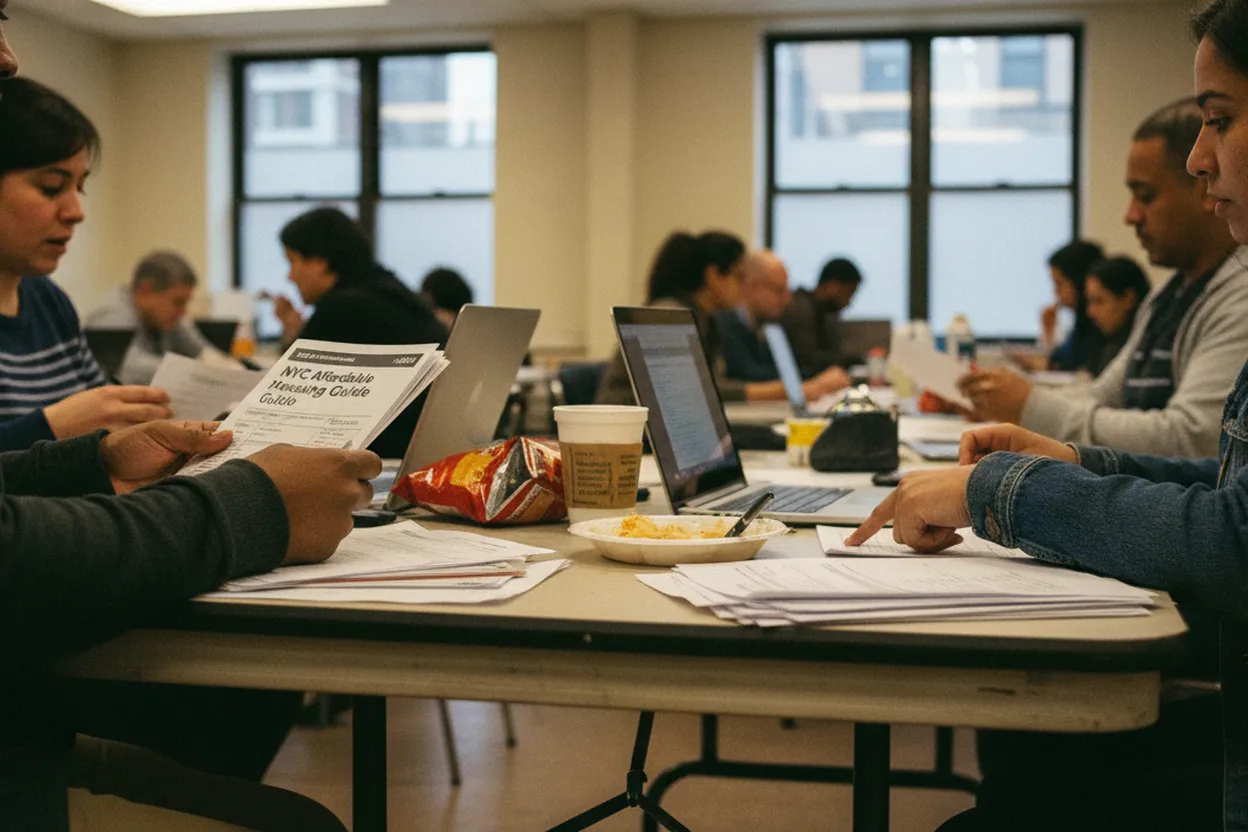
Every affordable housing lottery unit in Manhattan, and across NYC, is tied to specific income and asset limits, based on the Area Median Income (AMI) bands and household size. These ranges can vary significantly, from extremely low-income (around 30% AMI) up to middle-income tiers (as high as 130% AMI for some lotteries). Your household's gross income must fall precisely within the specified minimum and maximum range for a particular unit to qualify. Misreading or miscalculating these limits is a primary reason for application rejection.
Beyond income, many lotteries also impose an asset limit. This means that having too much in savings or investments can disqualify an applicant, even if their income meets the requirements. While retirement accounts are often exempt, owning residential property within 100 miles of NYC is typically disqualifying. Applicants should understand both income and asset requirements for each lottery they consider, as undisclosed assets or income discovered during document review will lead to automatic disqualification.
Strategic Application Submission
Once your profile is accurate and you've identified lotteries in Manhattan that match your eligibility, the next step is to submit your application. You can apply online through NYC Housing Connect, by mail, or in person at the developer's office, as specified in the lottery listing. It is crucial to submit only one application per lottery; duplicate applications, even if using different methods, will result in disqualification of all your entries for that specific development. The timing of your submission within the application window (typically 60-90 days) does not impact your chances, as selection is random, not first-come, first-served.
To maximize your chances, a volume strategy is often recommended: apply to every lottery you legitimately qualify for, as there is no limit to the number of lotteries you can enter. Carefully read each listing to understand building amenities, rent ranges, income requirements by household size, and application deadlines. Consider applying to lotteries in multiple neighborhoods or for larger units, as these may have less competition, potentially improving your odds of receiving a favorable log number.
Leveraging Preference Categories
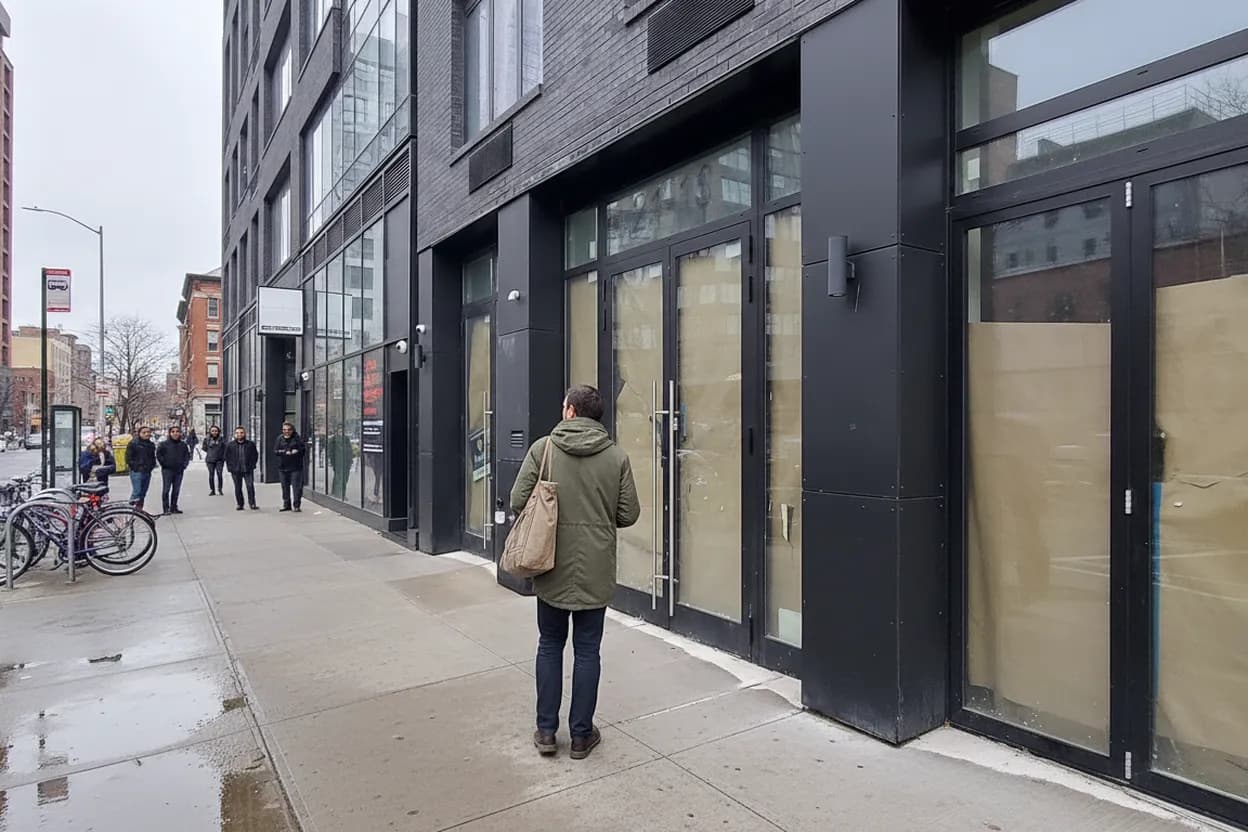
NYC affordable housing lotteries often allocate a significant portion of units to applicants who meet specific preference categories. These preferences can dramatically improve your chances of selection before the general applicant pool is considered. Common preference categories include living or working within the community board district where the building is located (often 50% of units), municipal employees (5%), and individuals with mobility, vision, or hearing disabilities (typically 2-5%). Veterans may also receive preference in some buildings.
It is essential to identify and claim every preference category for which you legitimately qualify. For instance, if you live or work in the community board district of a Manhattan lottery, ensure this information is accurately reflected in your Housing Connect profile and application. Claiming these preferences can significantly boost your position in the randomized selection process, potentially leading to a lower log number and an earlier review of your application.
Preparing for Document Review and Interview
If your log number is reached, you will be contacted for document verification and an interview. This stage is where many applications are won or lost. You will need to provide extensive documentation, including the last two years of tax returns, recent pay stubs, an employer letter stating your salary, proof of other income, government-issued photo ID, proof of NYC residency (e.g., utility bill, lease), and documents verifying household composition (birth certificates, Social Security cards). Financial documents like bank statements and a credit report will also be required.
The most common reason for disqualification at this stage is incomplete or missing documentation, or discrepancies with your initial application. It is highly advisable to organize all required documents in advance, ensuring they are current and accurate. Respond promptly to all requests for information or interview invitations, as missing deadlines can result in losing your spot. Be prepared for a background and credit check; while a perfect credit score isn't required, a history of evictions or poor financial management can impact approval.
Verifying Your Potential New Home and Lease
Being approved for an affordable housing unit is a significant step, but it is crucial to conduct due diligence before signing a lease. This involves more than just accepting the apartment offered. You should verify the building's public record for any open HPD violations, complaint history, or patterns of neglect by the landlord. Resources that pull official NYC data on building conditions can provide valuable insights, ensuring you are moving into a well-maintained property and not committing to a multi-year lease in a problematic building.
Before signing the lease, understand that you generally cannot choose your specific floor or view; units are assigned based on your log number and household size. You will typically be required to pay a security deposit, usually equivalent to one month's rent. Read the lease carefully, ensuring all terms are understood. If you reject an offer, you may be moved to the bottom of the list for future consideration, and a second rejection could lead to permanent disqualification from the lottery program. Always verify all details on the official NYC Housing Connect website or with HPD directly.
Tags: #ManhattanHousing #AffordableNYC #HousingLottery #NYCHousingConnect #RentStabilized #AMI #ApplicationTips #NewYorkHousing #HPD #HDC #CommunityBoard #2026Housing #AskKarpo #BeforeYouGo
Sources consulted: Source 1: nychousinglottery.com · Source 2: nycpaycheckcalculator.com · Source 3: weverit.com · Source 4: nyc.gov · Source 5: nychousinglottery.com
All trademarks are the property of their respective owners.
Ask Karpo first
Tell Karpo your date, group size, budget, and starting neighborhood. We’ll check current access, timing, transit, and the cleanest plan for NYC Housing Connect before you head out.