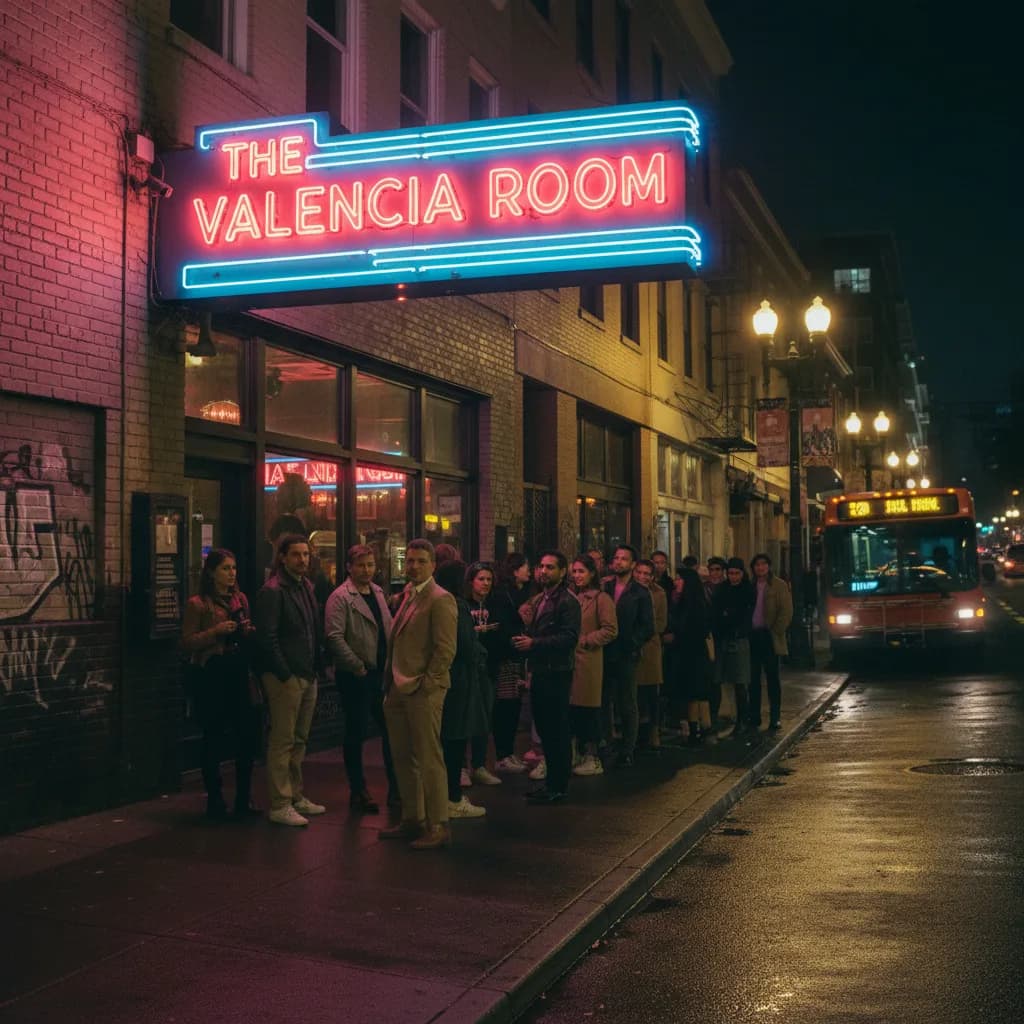
 Mission Concerts: The Valencia Room's Pulsating Beat on Valencia Street
Bars & Nights Out
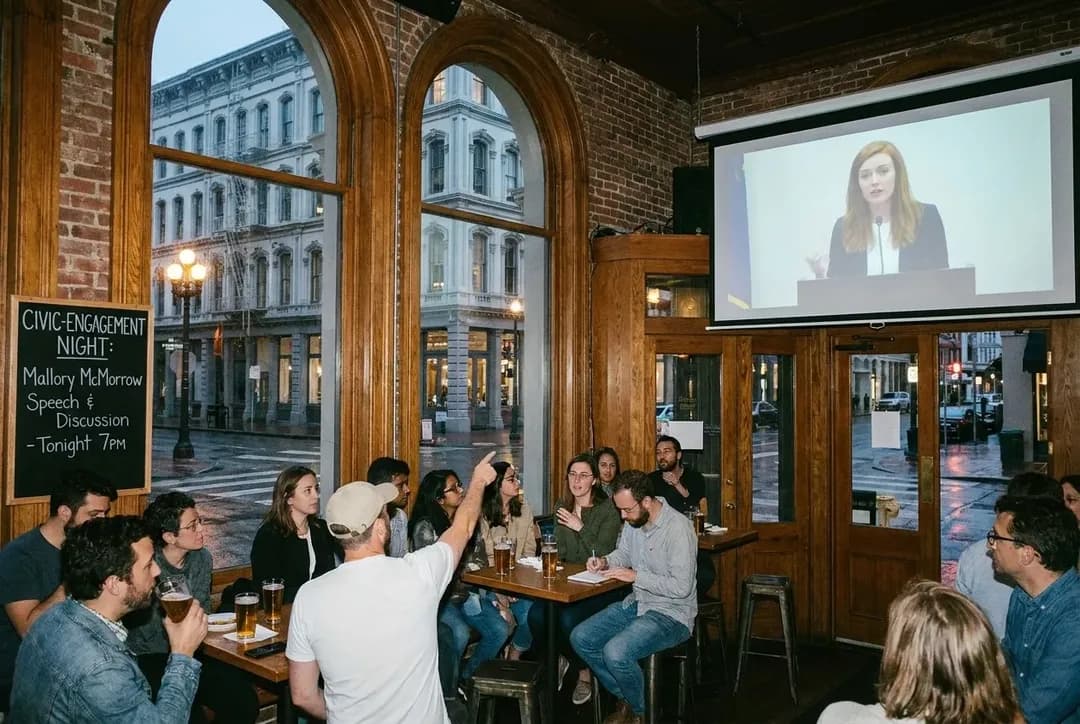
Mallory McMorrow Viral Speech: SF Bars With Civic-Engagement Screening Nights
San Francisco bars occasionally host civic-engagement screening nights where patrons analyze viral political moments like the Mallory McMorrow speech. Political science students and rhetoric enthusiasts gather to dissect legislative discourse in social settings that blend nightlife with democratic participation.
When a political speech goes viral, it often sparks conversations far beyond legislative chambers—and in San Francisco, some bars transform those moments into curated screening events where patrons gather to watch, discuss, and analyze civic discourse. The mallory mcmorrow viral speech from Michigan's state senate became one such cultural touchstone, circulating widely as an example of legislative rhetoric that resonated beyond its immediate policy context. For political science graduate students seeking environments that combine analytical rigor with social engagement, these screening nights offer a distinctive alternative to campus seminars or solitary video review. The format appeals to those who want to examine persuasive techniques, framing strategies, and rhetorical devices in real time, often with classmates or fellow researchers who bring diverse interpretive lenses. Unlike traditional academic settings, bar screenings introduce ambient variables—crowd reactions, informal commentary, varying audio quality—that complicate but also enrich the analytical experience, forcing viewers to consider how context shapes reception and meaning.
Text Karpo whether you want moderated discussion or just screening, your preferred SF neighborhood, and your available weeknight. We'll send two bars hosting Mallory McMorrow speech screenings with format details, plus one campus event if you prefer academic setting.
Verifying Event Schedules and Screening Formats Before Committing
Civic-engagement screening nights operate on irregular schedules that rarely follow predictable patterns, making advance verification essential for anyone planning to attend. Some bars announce events through social media channels or email lists only days before they occur, responding to breaking political moments or viral content that captures public attention. Others partner with activist organizations or academic groups to curate monthly series, but even these can shift based on legislative calendars or news cycles. Graduate students accustomed to fixed seminar times should confirm not just the date but also the start time, expected duration, and whether the event includes structured discussion segments or remains an informal viewing experience.
The screening format itself varies significantly across venues, affecting how suitable the event is for serious rhetorical analysis. Some bars simply project C-SPAN footage or YouTube clips onto a wall with minimal introduction, leaving interpretation entirely to individual viewers who may or may not engage with neighbors. Others invite guest speakers—former campaign staffers, communications professors, community organizers—to provide framing remarks before the screening and facilitate discussion afterward. For students working on specific research questions about persuasive techniques or audience reception, understanding whether the event offers moderated analysis versus ambient viewing determines whether the outing serves academic purposes or functions primarily as social engagement with political content.
Transportation Logistics for Weeknight Evening Events Across Neighborhoods
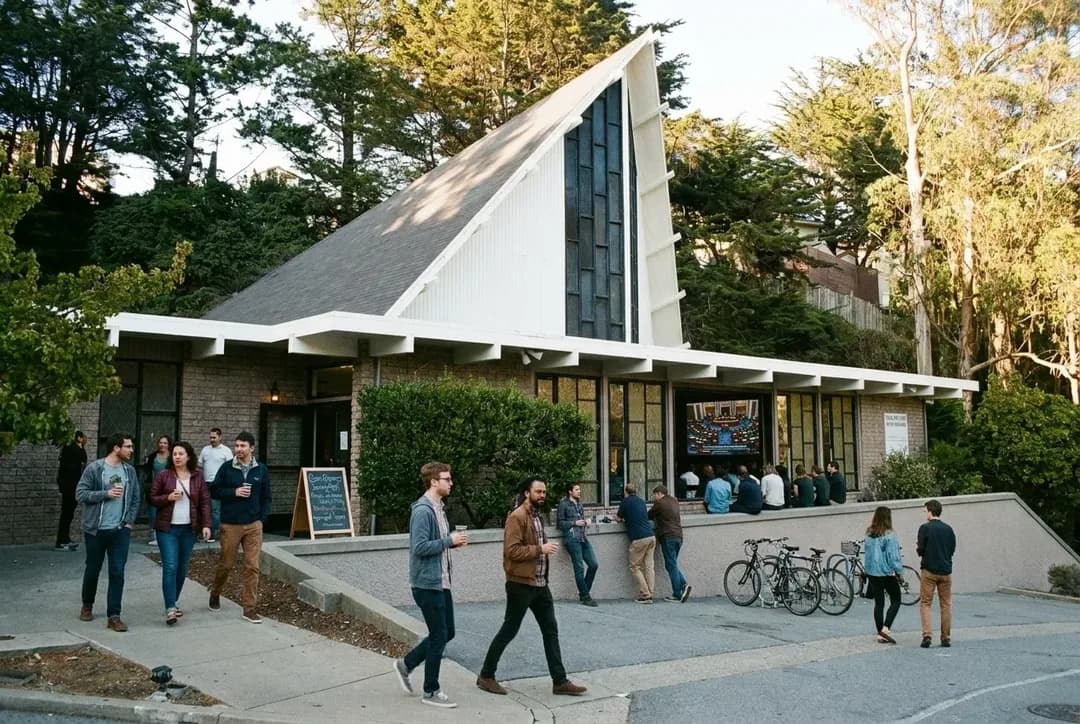
San Francisco's transit network, operated by SFMTA, provides multiple options for reaching bars in different neighborhoods, though weeknight evening service patterns require attention to timing and route planning. Muni buses and light rail lines connect most commercial corridors where bars cluster, but frequency decreases after early evening rush periods, and some routes shift to limited schedules by mid-evening. Political science students attending screenings that might run past scheduled end times face the tradeoff between leaving early to catch reliable transit or staying for post-event discussions while accepting longer waits or alternative transportation home. Checking real-time Muni schedules through the SFMTA trip planner before departure helps identify which routes offer consistent service during the expected return window.
Bars hosting civic screenings tend to concentrate in neighborhoods with established nightlife infrastructure—Mission, Hayes Valley, North Beach, the Castro—where multiple transit lines converge and walking routes between venues remain well-lit and populated even on weeknights. Students traveling from university areas or residential neighborhoods should map not just the direct route to the venue but also backup options if initial plans falter due to delays or unexpected service changes. Biking offers flexibility for those comfortable navigating San Francisco's hills and traffic patterns, though secure bike parking near bars varies by location. The decision between transit modes often hinges on whether the evening includes only the screening or extends to additional stops, and whether traveling alone or coordinating with classmates who might share ride costs.
Balancing Analytical Focus With Social Bar Environments
Attempting advanced rhetorical analysis in a bar setting introduces inherent tensions between the focused attention academic work demands and the social dynamics that define nightlife spaces. Background noise from other patrons, music between segments, and the general atmosphere of casual conversation can fragment concentration, making it difficult to track subtle argumentative structures or note specific word choices that merit closer examination. Graduate students accustomed to pausing, rewinding, and annotating video in controlled environments must adapt their analytical methods to linear, real-time viewing where missing a moment means losing access to that textual evidence. Some researchers bring notebooks or tablets to capture immediate impressions, but dim lighting and crowded seating often make detailed note-taking impractical.
The social dimension, however, offers analytical opportunities unavailable in solitary study—immediate access to diverse audience reactions that illuminate how different viewers interpret the same rhetorical moves. A classmate might notice framing techniques you overlooked; a stranger's spontaneous comment might reveal assumptions about political communication that inform your understanding of public reception. These informal exchanges can generate insights about rhetoric's real-world effects that complement formal textual analysis. The tradeoff requires deciding whether the event serves primarily as data collection—watching the speech itself—or as ethnographic observation of how political discourse circulates and gets interpreted in social settings. Students pursuing the latter approach might intentionally deprioritize detailed speech analysis in favor of observing crowd dynamics, conversational patterns, and the ways viral content gets collectively processed.
Contextual Framing and the Question of Curatorial Responsibility
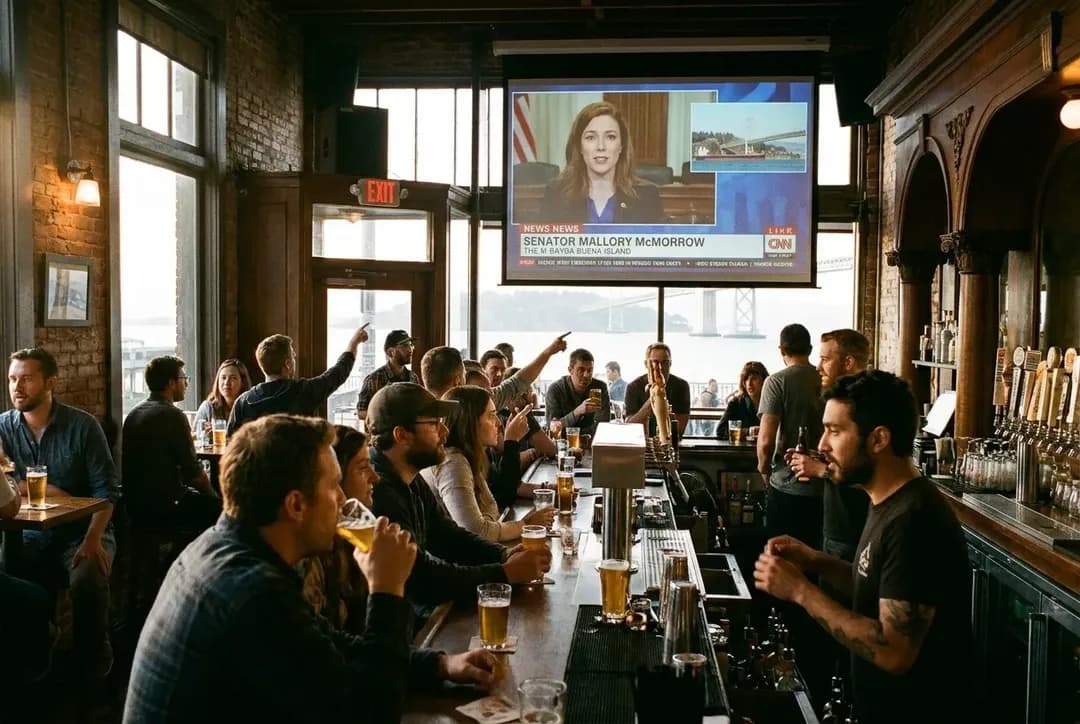
Whether bars provide historical context, biographical background, or analytical framing before screening political content significantly affects how viewers—especially those unfamiliar with the specific legislative moment—understand what they're watching. Some venues treat viral speeches as self-explanatory cultural artifacts, assuming audiences arrive with sufficient background knowledge to interpret the rhetoric without guidance. This approach privileges viewers already embedded in political discourse communities while potentially alienating those seeking entry points into civic engagement. Graduate students analyzing rhetoric benefit from understanding the original legislative context, the specific policy debates that prompted the speech, and the broader political environment that shaped its reception, but bars rarely provide comprehensive briefing materials.
The absence of curatorial framing raises questions about responsible presentation of political content in commercial spaces. Without context about what preceded a viral moment or what legislative outcomes followed, viewers might extract memorable quotes or emotional beats while missing substantive policy implications or the speech's actual effectiveness within its institutional setting. For students conducting research, this gap between viral circulation and legislative reality becomes itself an analytical subject—how does decontextualized viewing shape political understanding, and what responsibilities do venues have when hosting civic content? Some bars address these concerns by partnering with organizations that provide expert commentary, while others embrace the unmediated viewing experience as more authentic to how most people encounter political content online. Attendees should clarify beforehand whether the event includes contextual support or requires self-directed background research.
Who Benefits Most From Civic Screening Events and Who Might Find Them Limiting
Civic-engagement screening nights particularly serve graduate students and politically engaged residents who value communal viewing experiences and seek social venues aligned with their intellectual interests. For those tired of analyzing political rhetoric in isolation or wanting to test interpretations against diverse perspectives, these events create low-stakes environments where academic interests intersect with nightlife culture. The format works well for people comfortable with ambient distractions, flexible about analytical depth, and interested in how political content functions as social currency in urban progressive spaces. Attendees who enjoy debating ideas over drinks, who see bars as legitimate civic spaces, and who don't require complete control over viewing conditions will likely find these screenings rewarding.
Conversely, researchers requiring detailed textual analysis, comprehensive note-taking, or the ability to pause and review specific moments will find bar screenings frustratingly inadequate for serious academic work. The format also assumes a certain comfort level with nightlife environments, alcohol-centric social spaces, and the informal power dynamics that shape who speaks and gets heard in group discussions. Students with accessibility needs, those avoiding alcohol, or people uncomfortable in crowded, noisy settings might prefer organizing private screenings with classmates or attending library-based civic events that offer similar content in different environmental contexts. The decision to attend ultimately depends on whether the goal is rigorous individual analysis, exposure to collective interpretation processes, or simply combining political interest with social plans—each valid but requiring different venue expectations and analytical compromises.
Tags: #civicengagement #politicalrhetoric #SanFranciscobars #screeningevents #graduatestudents #politicalscience #weeknightactivities #publicdiscourse #rhetoricalanalysis #communityviewing
Sources consulted: Source 1: sf.gov · Source 2: sfmta.com · Source 3: sfpl.org · Source 4: sf.gov
Please drink responsibly. Must be of legal drinking age.
All trademarks are the property of their respective owners.
Ask Karpo first
Ask Karpo to turn this San Francisco idea into a current plan for your date, budget, companion, transit preference, and energy level. Karpo can narrow the route and flag what to verify before you go.
Ask Karpo for more information.
Keep reading
- Mission Concerts: The Valencia Room's Pulsating Beat on Valencia Street
 Happy Hour Near Me in Union Square: Pacific Cocktail Haven’s Inventive Elixirs
 Bourbon & Branch Tenderloin: Happy Hour Near Me, a Speakeasy Sanctuary