Major events and tickets in San Francisco follow a pattern that is more legible than in most American cities, because the venue inventory is small and unusually top-heavy. There is one modern arena, one large outdoor festival footprint, a handful of theatres in the two to three thousand range, and then a long tail of clubs under a thousand. There is very little in between, which means demand does not distribute smoothly — it either clears instantly or it never fills.
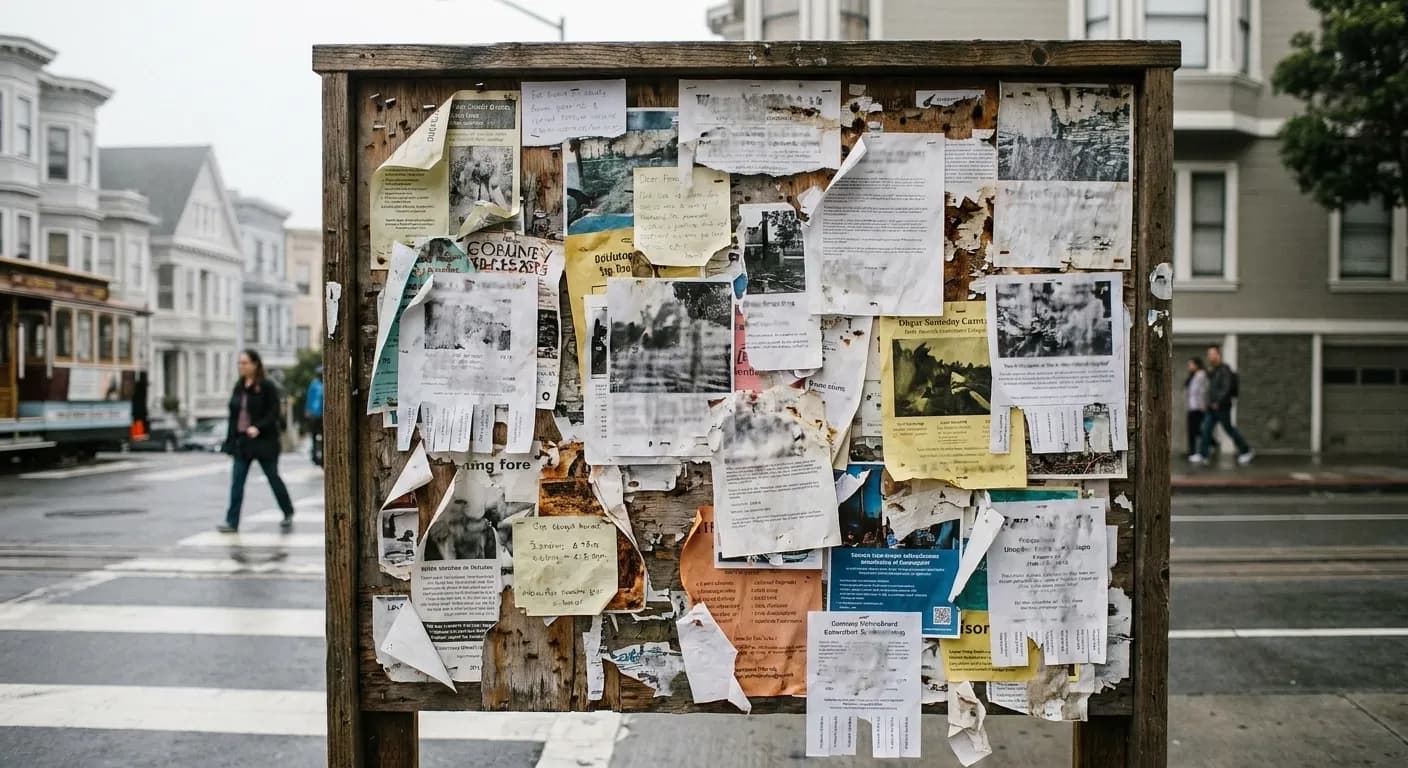
On-sale times and presale codes are scattered across a dozen places. Ask Karpo what is going on sale near you this week.
The arena tier behaves like every other arena
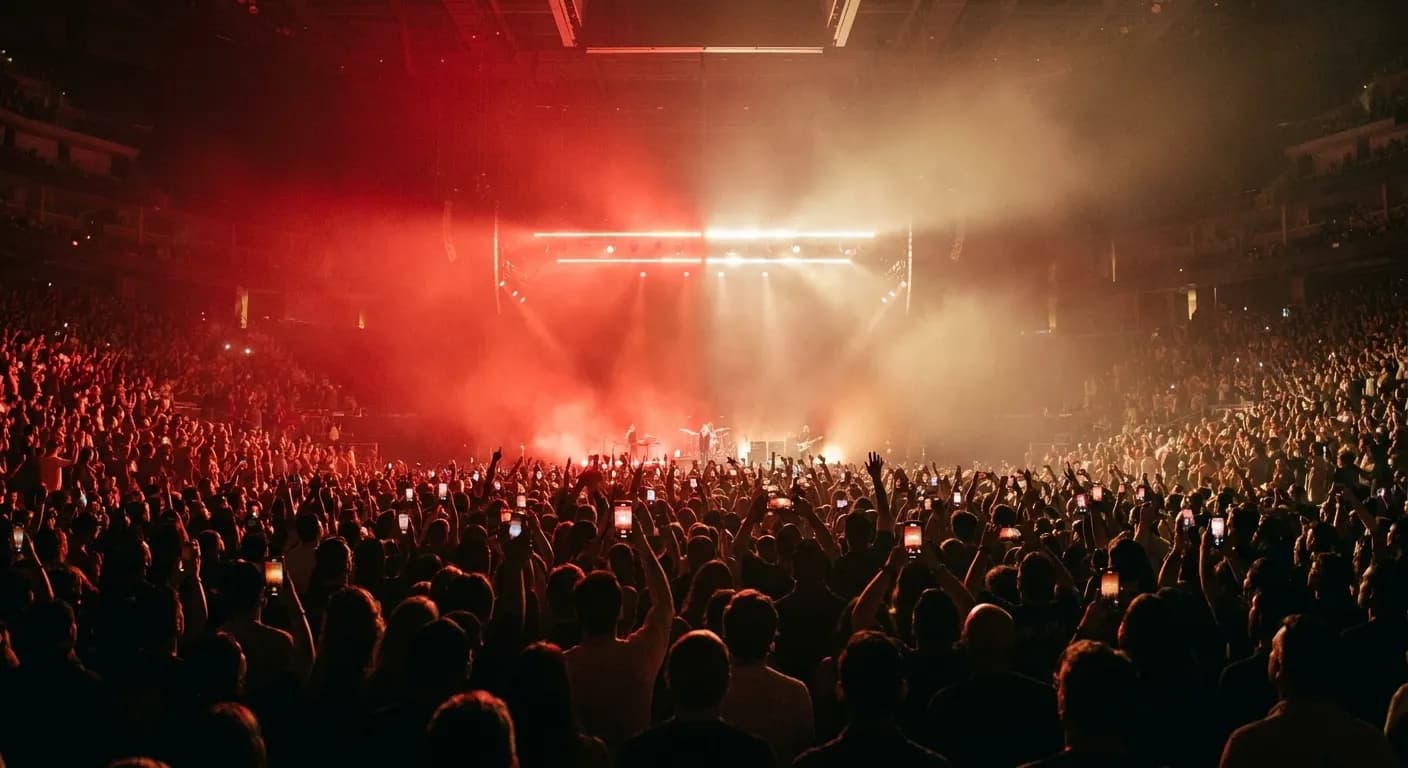
Chase Center in Mission Bay handles the largest touring acts and the Warriors, and for these events the standard rules apply: presales absorb most of the good inventory, the general on-sale is a formality for anything in high demand, and the resale market determines the real price within about ninety seconds of the on-sale opening. Nothing about San Francisco makes this better or worse than Chicago or Boston.
What is specific to here is the transit situation. The Muni light rail runs directly to the arena and is dramatically faster than driving out of Mission Bay after an event. Factoring that in changes which seats are worth paying for, because leaving a minute early to beat a car park is worth less than it is elsewhere.
The mid-sized theatres are where things actually sell out
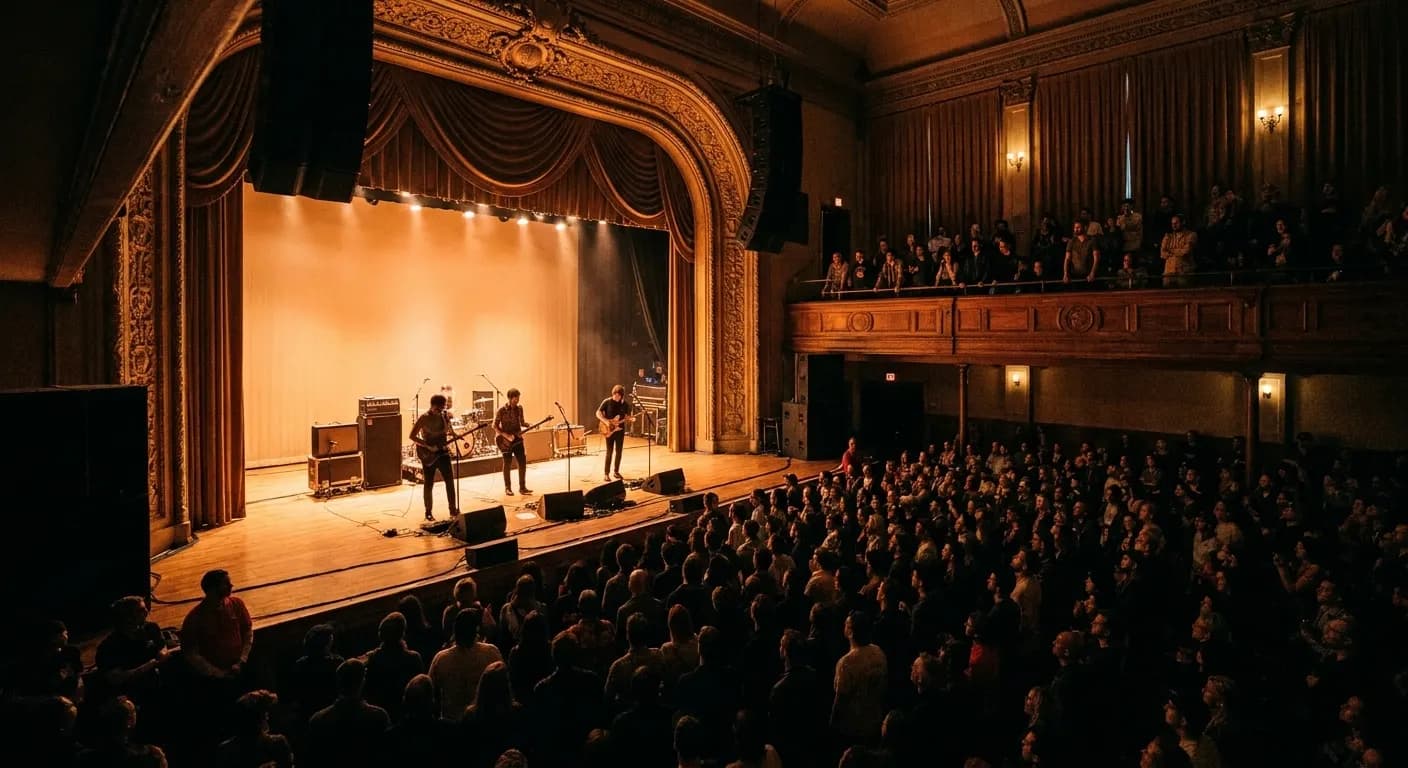
The Fillmore, the Warfield, the Great American Music Hall, Bimbo's and the Independent are the venues that define live music here, and they are all small. The Independent holds a few hundred. The Great American holds around six hundred. When a rising act books one of these rooms, the show is genuinely gone in minutes, and there is no larger room in the city for them to move to short of jumping to the Fox in Oakland or the Masonic.
The practical implication is that the mid-sized shows are the ones worth setting an alarm for, not the arena shows. An arena show will have inventory on resale at or near face value the week of the event, because the supply is enormous. A sold-out club show will not.
The festival calendar and its quirks
Outside Lands in Golden Gate Park is the anchor of the summer calendar and it operates on a different model entirely — tickets go on sale long before the lineup is announced, at a discount, and people buy them on faith. That early-bird window is the cheapest the festival ever is, and it closes fast. Waiting for the lineup means paying more for worse inventory.
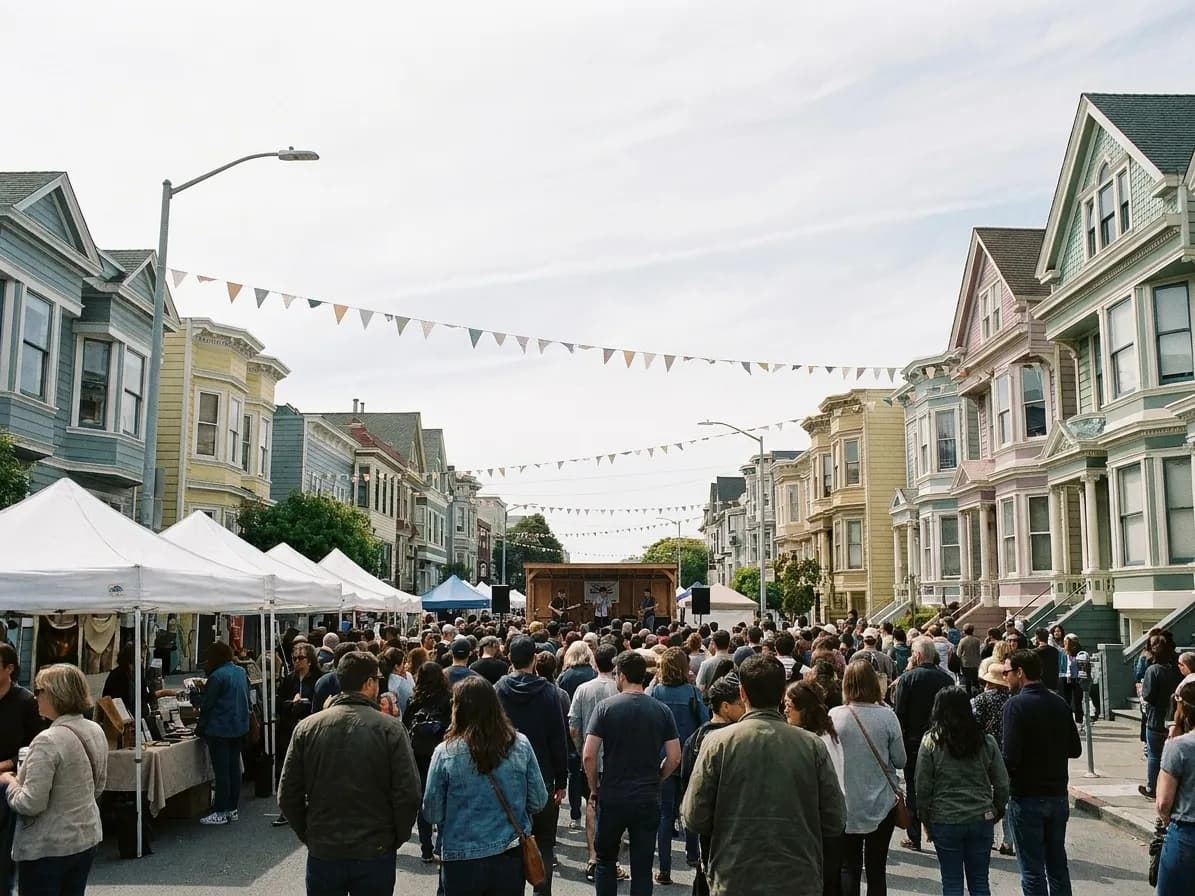
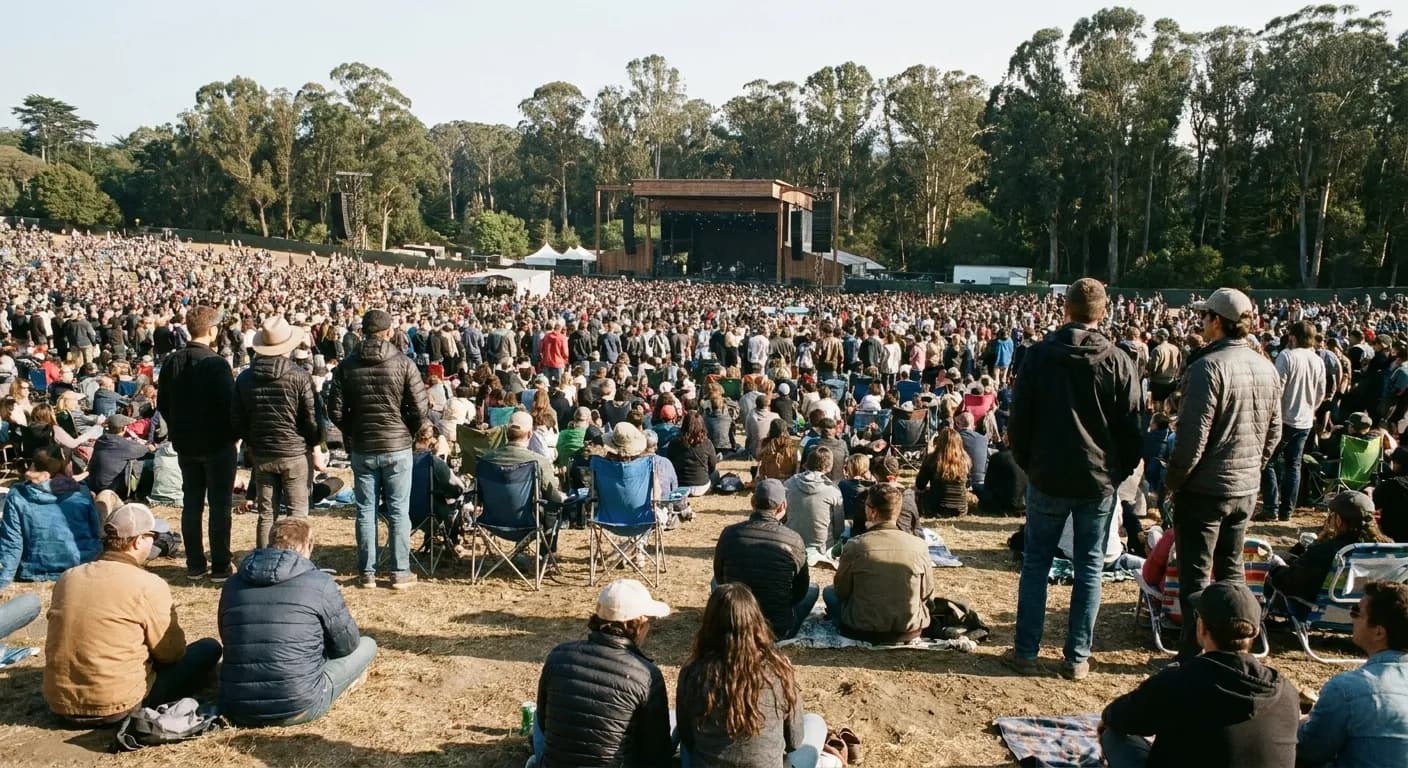
The city's free and low-cost festival tradition is the counterweight and it is substantial: neighbourhood street fairs through the warmer months, free concert series in the parks, and the long-running summer performance season out in Stern Grove. These do not sell out because they do not sell, but the good ones require arriving hours early for a spot, which is its own kind of queue.
Sport, and the two different problems it presents
Warriors tickets are expensive and consistently available on resale, because the season is long and season-ticket holders sell what they cannot use. Giants tickets at Oracle Park are the opposite proposition — the ballpark is large, the schedule is enormous, and a weekday game in April can be one of the cheapest evenings in the city. The famous view over the right field wall from the promenade outside is still free to stand at, in rotating slots.
For anything involving a marquee opponent or a weekend date, treat it as a concert rather than a game. The pricing behaves the same way and the resale market behaves the same way.
Theatre, opera and the subscription calendar
The performing arts venues around Civic Center operate on a completely different clock to everything above. Subscription seasons are sold in the spring for the year ahead, which means the best seats for the opera, the symphony and the ballet are committed long before single tickets go on sale. What remains gets released in blocks, and there is a persistent supply of returned subscriber seats that surfaces in the final week.
Both the symphony and the opera run discounted programmes for younger audiences and same-day rush tickets, and the ballet does something similar around its longer runs. These are the cheapest good seats in the city by a wide margin and they are chronically under-claimed, largely because the people who would benefit most do not know the schemes exist.
When resale actually helps
Resale is useful in exactly two situations in this city. The first is large-venue events close to the date, where sellers with unsold inventory drop below face in the final forty-eight hours. The second is when a show adds a second night — the first night's resale price usually falls the moment the second is announced, and a lot of people miss that window.
It is not useful for the small clubs, where prices only go one direction, and it is worth paying attention to which venues operate their own official exchange. Those exchanges cap prices at face value and are the only genuinely safe way to buy a sold-out club ticket in San Francisco. If a venue offers one, it is always worth checking the exchange twice on the day of the show rather than once.
Tags: #SanFrancisco #SFEvents #Tickets #ChaseCenter #TheFillmore #OutsideLands #GreatAmericanMusicHall #OraclePark #SternGrove #LiveMusicSF #BayArea #Concerts #EventGuide
All trademarks are the property of their respective owners.
Ask Karpo first
Ask Karpo which major events near you in San Francisco still have tickets, what the venue capacity is, and whether waiting until the week of the show is likely to help or hurt.