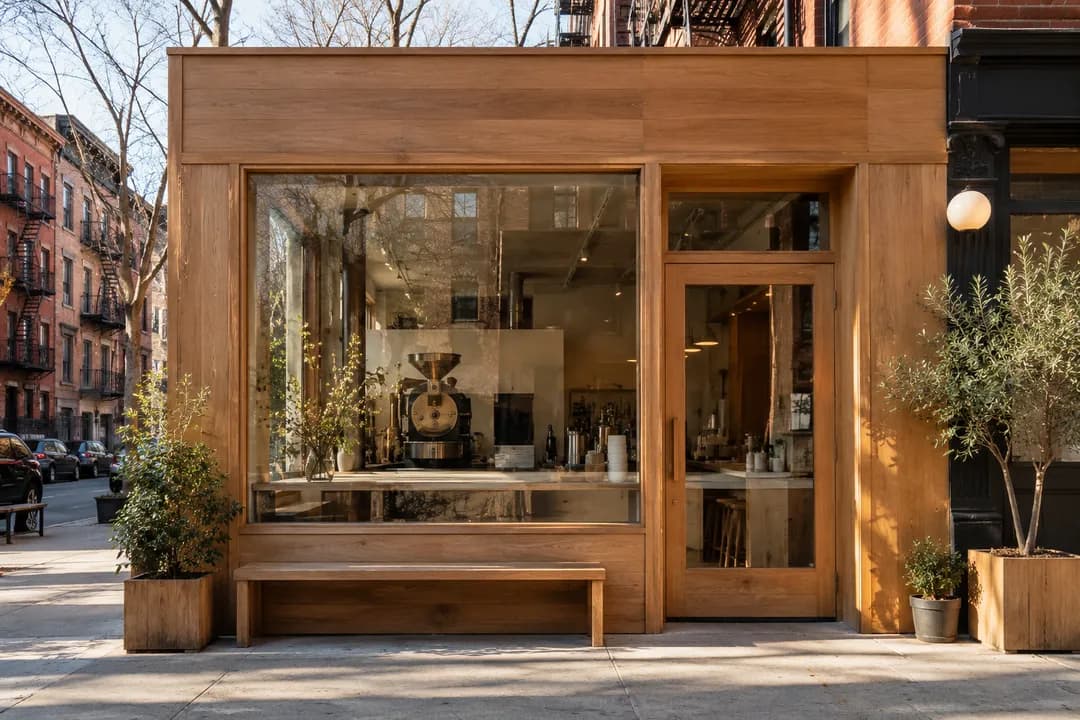
 Coffee Roaster Near Me in Williamsburg: Oslo Coffee Roasters on Bedford
Coffee & Dessert
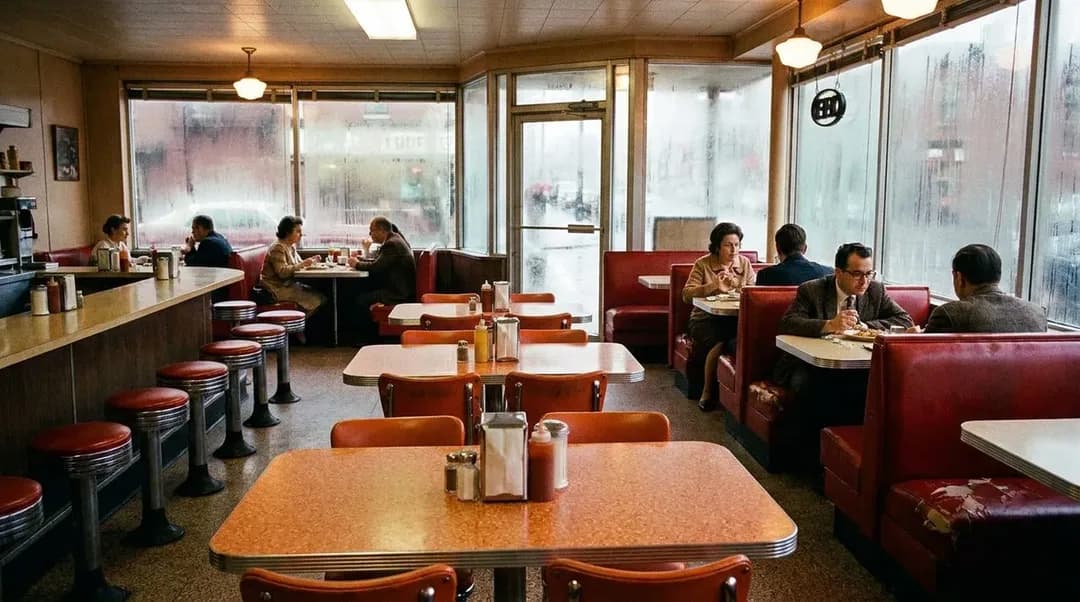
Lu's Sweet Shoppe's diner booths when the pierogi steam fogs the windows
The vinyl booths and Polish comfort plates at this Greenpoint luncheonette deliver the most transportive hour—when regulars speak Polish, pierogi arrive steaming, and the neighborhood feels like another era.
There's a particular kind of January afternoon in Greenpoint when the light goes pewter by three o'clock and the cold presses against plate glass like it has nowhere else to go. That's when Lu's Sweet Shoppe—equal parts luncheonette, time capsule, and neighborhood living room—becomes the only place worth being. The pierogi steam meets the winter air in fat clouds that cling to the windows. The vinyl booths, patched here and there with duct tape since 2019, creak under the weight of regulars who've claimed the same seats for decades. It's one of the city's free things to do in the sense that sitting, watching, and absorbing three generations of Greenpoint life costs nothing but the price of entry: a plate of food and the good sense to linger.
The back corner booth and the physics of comfort
Real estate at Lu's operates on its own micro-economy. The booth in the back corner near the kitchen stays warmest because of the heat escaping from the pierogi station, and on sub-freezing days that makes it prime real estate. You'll know it by the slight shimmer in the air, the way your fingers thaw before you've even peeled off your gloves. It's a small grace, the kind cities rarely offer without asking something in return.
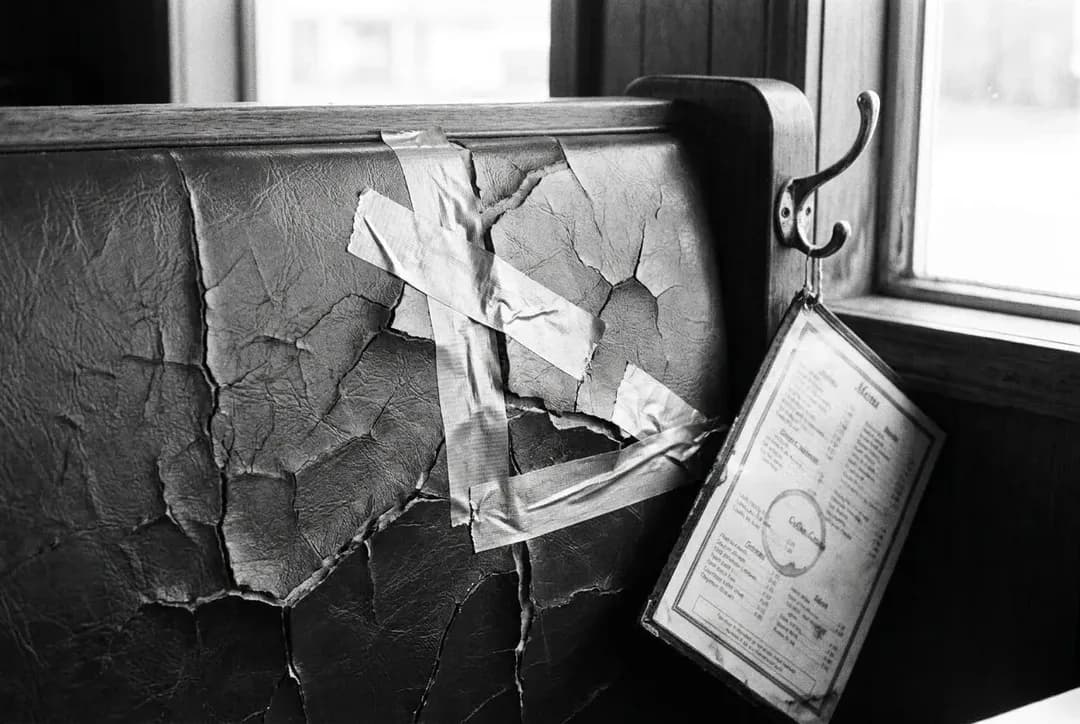
The booth itself tells its own story: red vinyl gone burgundy in the high-traffic zones, a strip of silver duct tape running along the seam where the backrest meets the seat. It's been there since 2019, and no one's bothered to replace it because replacement would mean something new, and new is not the currency here. The Formica tabletop bears the kinds of scars that come from decades of forks, coffee cups, and elbows. You sit down and immediately understand why people fight for this spot.

The afternoon court, where Polish still holds sway
The lull between 2:30 and 4:30 p.m. is when Lu's sheds its lunch-rush energy and settles into something quieter, more intimate. This is when the regulars who've been coming for decades hold court, often speaking Polish with the staff in a cadence that turns the diner into a kind of transnational living room. The language rises and falls, punctuated by laughter that sounds the same in any tongue.
You don't need to understand the words to read the scene. There's the man in the navy peacoat who takes his coffee with three sugars and leaves his newspaper folded to the crossword. The woman who sits alone near the window, her pierogi plate pushed to the side while she works through a paperback with a cracked spine. The staff moves between tables with the easy fluency of people who know every order before it's spoken. It's a master class in the art of the regular, that vanishing urban species.
This is Greenpoint at its most itself—before the neighborhood became shorthand for a certain kind of Brooklyn aspiration, when Polish bakeries and social clubs formed the backbone of the street grid. Lu's has held that thread longer than most, and in the winter of 2026 it feels less like nostalgia and more like stubbornness. The good kind.
Pierogi timing and the poetry of the batch
There's an unspoken hierarchy to the pierogi here, and it hinges on the clock. Orders placed before 3 p.m. on weekdays come from a batch made that morning—the dough still tender, the potato filling almost molten when you cut into it with the side of your fork. Later orders pull from the lunch batch, reheated on the flattop with a slick of butter that gives the edges a faint crispness. Both are good. One is transcendent.
The difference is subtle but legible, the kind of thing you notice only if you've spent enough afternoons here to develop opinions. The morning batch has a softness that doesn't survive the second heat. The filling releases steam in a way that fogs your glasses if you lean in too close. It's the kind of detail that separates eating from paying attention, and Lu's rewards the latter.
Why winter sharpens the experience
Lu's works year-round, but winter gives it an edge. The contrast between the cold street and the warm booth, between the gray light outside and the yellow incandescent glow inside, turns the space into something more than the sum of its parts. The windows fog from the inside out, obscuring the street just enough to make you feel untethered from the rest of the city's demands.
There's also the fact that winter slows the neighborhood down just enough to make the afternoon lull feel earned rather than accidental. The pierogi taste better when you've walked ten frozen blocks to get here. The coffee—served in heavy white ceramic that holds heat longer than it has any right to—becomes less a beverage and more a handwarmer with benefits. You stay longer because leaving means bracing for the cold again.
What the duct tape knows
The duct tape on the booth seam has been there long enough to become part of the furniture, literally. It's a small monument to the economics of running a place like this—where replacing a booth means raising prices, and raising prices means risking the regulars who make the place what it is. So the tape stays, and the booth stays, and the whole ecosystem holds.
It's also a tell. Lu's isn't trying to be anything other than what it's always been. There's no Edison bulb renaissance happening here, no chalkboard proclaiming local sourcing or small-batch anything. The tape says: we're still here, and we're not apologizing for the years. In a city that bulldozes its own history on a quarterly basis, that kind of defiance reads as radical.
The view from the booth
Sit long enough and the parade begins. The after-school kids who pool their dollars for french fries. The couple who sit on the same side of the booth, thighs pressed together, sharing a slice of apple pie. The solo diner with the laptop who nurses a Coke for two hours while the staff pretends not to notice. Lu's operates on a generosity of space that's increasingly rare—a willingness to let people be without rushing them toward the exit.
From the warm back booth, you're both in the scene and outside it, observer and participant at once. The kitchen noise—the hiss of the flattop, the clatter of plates, the occasional burst of Polish—becomes a kind of soundtrack. The windows stay fogged. The radiator clanks. The afternoon stretches and doubles back on itself. This is what it means to find your corner of the city and defend it, one pierogi at a time.
Practical notes
Lu's Sweet Shoppe operates as a neighborhood fixture in Greenpoint, Brooklyn. The nearest subway access typically includes the G train; street parking follows standard metered rules. Hours tend to span breakfast through early evening, though it's wise to verify directly before planning a visit. The space is small, with limited accessibility—a step at the entrance and tight aisle clearance between booths. Bring cash as a backup, though card payment is generally accepted. Dress for the weather; the walk from the train is part of the ritual. Late 2026 finds the menu steady, the booths unchanged, and the afternoon lull still the best-kept secret on this stretch of the neighborhood.
Tags: #PullUpAChair #LusSweetShoppe #GreenpointEats #NYCDiners #PolishFood #Pierogi #WinterInBrooklyn #NeighborhoodGems #NYC2026 #BrooklynWinter #LuncheonetteLife #GreenpointBrooklyn #CityLiving #DinerBooth #AfternoonRitual
Sources consulted: Greenpoint, Brooklyn · Pierogi · Greenpoint Business District · Greenpoint Transit · Polish Restaurants NYC
All trademarks are the property of their respective owners.
Ask Karpo for more information.
Keep reading
- Coffee Roaster Near Me in Williamsburg: Oslo Coffee Roasters on Bedford
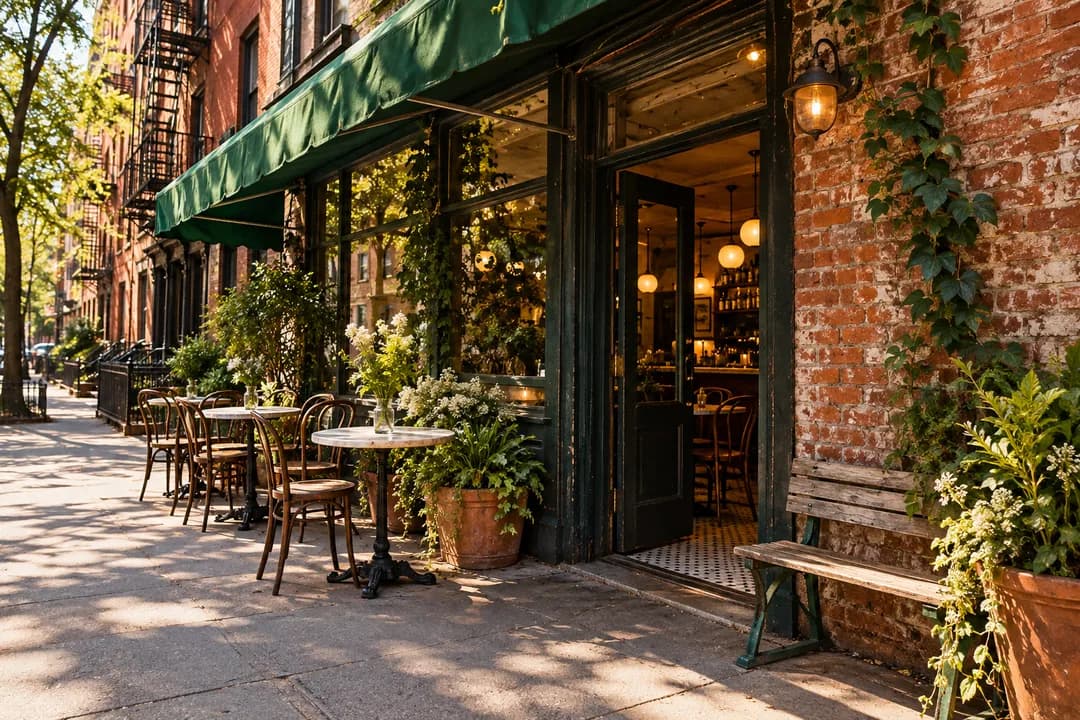 Coffee Roaster Near Me in East Village: Abraço Crafts Traditional Roasts
 Coffee Roaster Near Me in Bushwick: Variety Coffee Roasters at Wyckoff