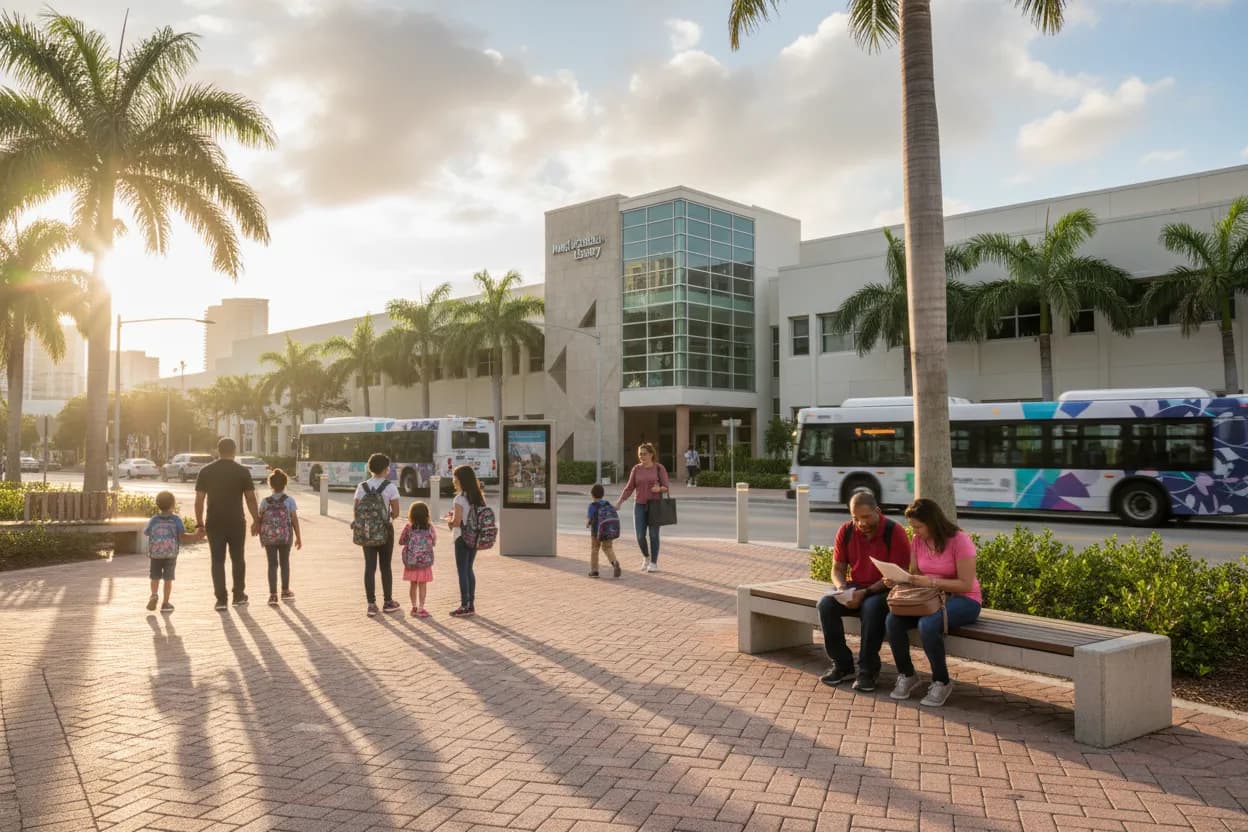
The phrase luke bronin may be moving through your feed today, but Miami readers do not need to treat a trending name as a local fact. For a back-to-school week, the better move is to turn the headline into a short, verifiable errand: confirm what is actually being reported, use public resources that can be checked before you leave, and build a study plan that survives a closed branch, a transit alert, or a crowded afternoon. This guide does not assume a Miami appearance, endorsement, event, or private access. It treats the search interest as a prompt to practice the same habit students need all semester: slow down, compare sources, and make a realistic city plan.
Want a quick check before you leave home? Text Karpo with the headline, your neighborhood, and whether you need transit, library access, or a quiet backup for a school-day task.

Turn curiosity into a research question
Start by separating the name from the claim. If you searched luke bronin because a headline sounded urgent, write one plain question before clicking further: What is being claimed, who is reporting it, and does it affect anything I need to do in Miami today? That framing keeps a national or out-of-market story from becoming a false local plan.
For students, parents, and teachers, this is also a useful back-to-school drill. A name in a headline is not proof of a local event, a school connection, or a public appearance. Treat it like a source-checking assignment: identify the original report, note what it actually says, and avoid repeating details that are not supported by a primary or official source.
If the answer has no practical Miami connection, your city plan can still be productive. Use the search moment to complete one school-week task: gather background reading, compare coverage, download library materials, or set up a transit route to a public study stop.
Start with a reliable public resource
For a research stop, the Miami-Dade Public Library System is the cleanest starting point because its official site gives readers several verifiable actions: account login, library card information, a branch finder, an “Open Now” tool, and online resources. Those are the kinds of pages to check before making a trip, not after you have already parked or boarded.
The library system also lists eContent for digital books, audiobooks, movies, music, and more, available free with a library card. It also points users to online newspapers and magazines. For a student trying to understand why a public name is in the news, those official library resources can be more useful than a comment thread.
Build your first checkpoint around access, not vibes. Confirm whether you have a card, whether you can use digital resources from home, and which branch is open now. The official library notice says the Miami Lakes Branch and South Dade Regional Libraries are closed for construction, renovations, and improvements, so do not make either your only study plan without checking the latest notice.
Compare primary reporting before opinions
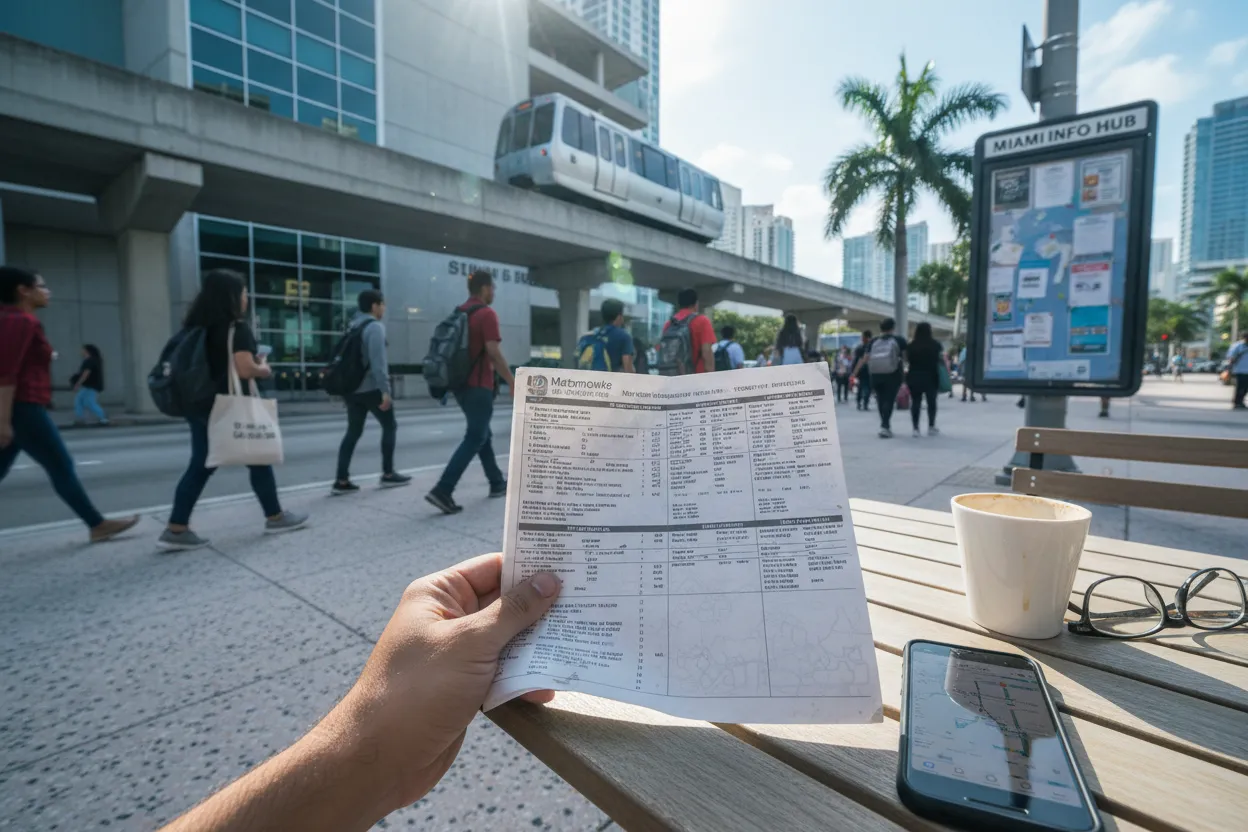
A verification-first approach means reading in layers. First, find the source that appears to have the original reporting. Second, compare it with another credible report. Third, use opinion, social video, or commentary only after you know the basic facts. That order matters when a name like luke bronin appears in a headline detached from context.
Use the library’s online newspapers and magazines as a structured place to look for coverage, especially if you are helping a student practice media literacy. The point is not to chase every take. The point is to identify what can be confirmed, what is attributed, and what remains unknown.
Do not fill gaps with Miami assumptions. Unless an official or primary report says a person is appearing here, affiliated with a local institution, or connected to a specific local event, leave that out of your plan. A good city guide should help readers move through Miami more confidently, not manufacture a reason to show up somewhere.
Choose a study stop that fits the task
Match the study location to the job. If you only need to read articles and take notes, check whether digital library access is enough from home. If you need a quieter table, public computer access, or help navigating resources, use the library site’s branch tools and “Open Now” option before choosing where to go.
For students moving around Miami-Dade, transportation should be part of the assignment plan. The county transportation page says full-time students ride Metrobus and Metrorail for half the price. Because fare eligibility and details can change, verify the current requirements on the official transit pass or transportation pages before depending on that discount.
If your route includes county transit, use the official trip planner, rider alerts, service updates, and transit tracker. The GO Miami-Dade Transit mobile app is listed as a way to plan a trip, track a ride, purchase a mobile pass, and more. Treat those tools as part of your homework setup, especially during the first weeks of school when timing mistakes multiply.
Add one low-cost reset nearby
A back-to-school plan needs a reset, not just a destination. Keep it simple and verifiable: a second open library branch, a digital-resource fallback from home, or a shorter transit route if the first one becomes inconvenient. The library’s eContent can serve as a no-extra-stop option if your goal is to keep reading, listening, or watching assigned material without extending the trip.
Avoid building the reset around an unverified attraction, crowd, or rumor. The official parks extract available here returned a page-not-found result, so this plan does not rely on parks hours, amenities, or access claims. If you want a park break, check the current official page separately before promising it to a student or group.
The best backup choice is the one you can execute in five minutes. Save the library location page, keep your account login ready, and know which transit alert page you will check. If the first branch is closed, the bus is delayed, or the study room is busier than expected, you still have a public, low-friction way to keep the school task moving.

Verify hours and access before leaving
Make your final check close to departure. For library access, confirm branch status, hours, and any patron notices on the Miami-Dade Public Library System site. The official notice about Miami Lakes Branch and South Dade Regional Libraries shows why this matters: construction, renovations, and improvements can remove a familiar stop from your plan.
For transit, check rider alerts, service updates, the trip planner, and the tracker. Miami-Dade’s transportation page also lists elevator and escalator status, which matters for families with strollers, students carrying instruments or projects, and riders who need accessible paths. The county also lists accessible transit services and complaint resources for disability access concerns.
Pay special attention to dated service notes. The transportation page states that on Saturday, Aug. 15, Metromover service will begin operating at 2 p.m. while upgrades continue. Since today is Wednesday, Aug. 12, 2026, anyone planning a weekend downtown study trip should verify the latest Metromover update before leaving and keep a Metrorail, Metrobus, or alternate route in mind.
Tags: #AskKarpo #BeforeYouGo #Miami #BackToSchool #MiamiDade #MDPLS #MiamiDadeTransit #StudentLife #MediaLiteracy #LibraryCard #TransitAlerts #StudyPlan #LocalLife #VerifyFirst
Sources consulted: mdpls.org · miamidade.gov · miamidade.gov
All trademarks are the property of their respective owners.
Ask Karpo first
Ask Karpo first when a headline feels louder than the facts. Send the claim, your Miami starting point, and your deadline. Karpo can help you sort what is verified, what still needs checking, and which public route or library backup to review before you go.