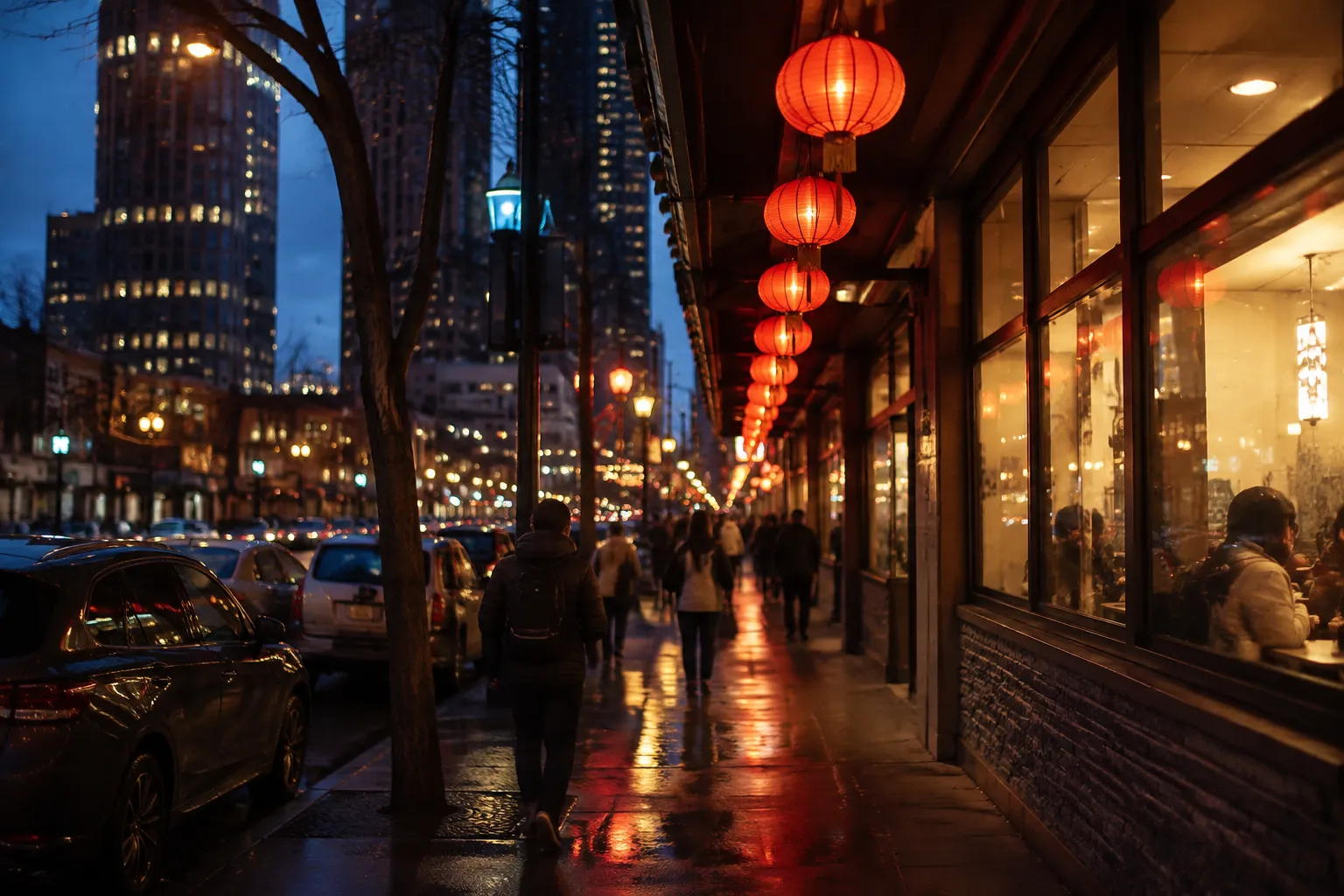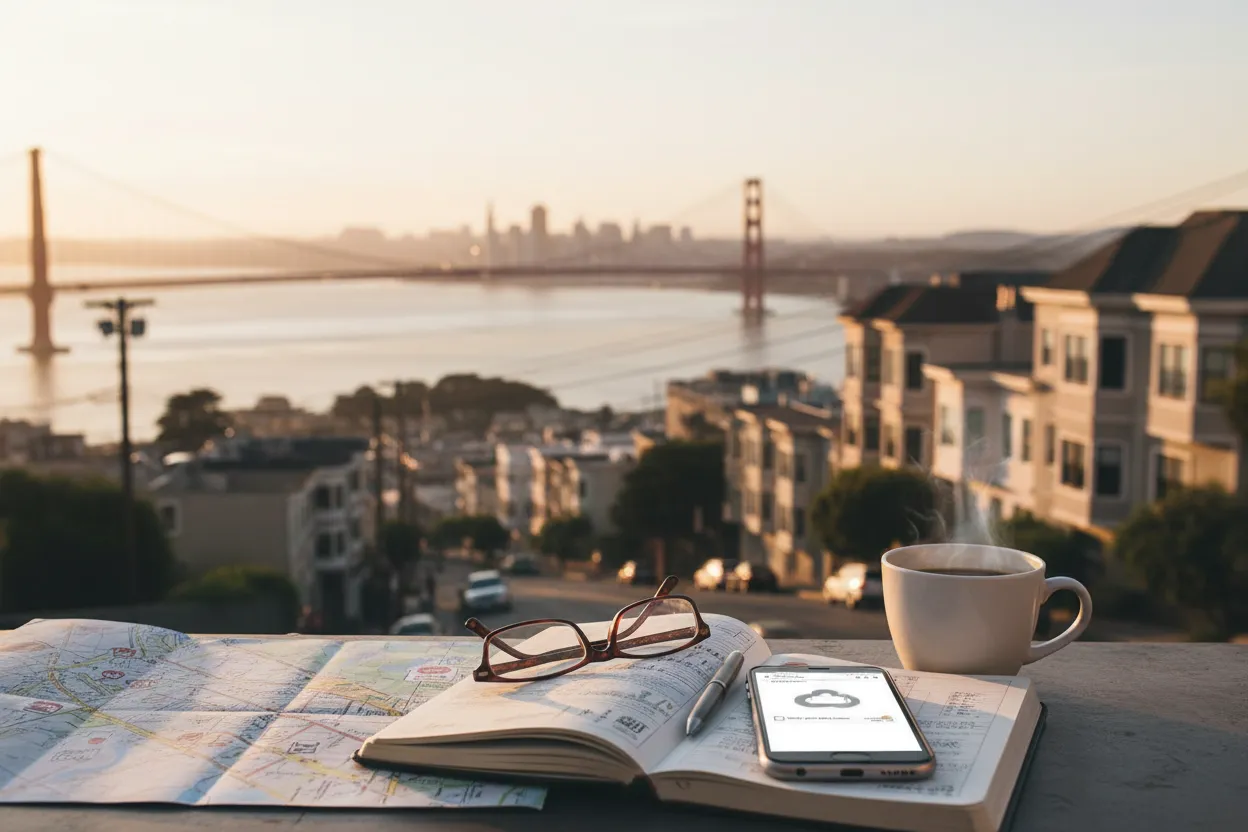
A search spike can be useful without becoming a wild-goose chase. If luis rengifo is the phrase that got your group talking today, treat it as a dinner conversation starter, not evidence that anyone is appearing in San Francisco or endorsing a restaurant. The safer move is to build a public, verifiable city plan: pick the kind of room your group can actually handle, check the restaurant’s official page, use San Francisco Department of Public Health resources for food-safety context, and route the trip through SFMTA before you leave. This guide is for the practical diner who wants a good night out in San Francisco with fewer surprises: less rumor, more confirmation; less wandering, more backup.
Want a second set of eyes before you commit? Text Karpo with the restaurant link, group size, timing, and transit start point, and ask for a quick verification pass.

Use the trend as a dinner conversation hook
The phrase luis rengifo may be the reason someone in the group chat suddenly wants a San Francisco night out, but do not turn a search term into a claim. There is no need to attach the phrase to a local appearance, a private party, a restaurant affiliation, or a promised event. Use it the way a good table uses sports, music, or local news: as a timely topic that gets people to agree on dinner.
That distinction matters because restaurants are public businesses with changing hours, private reservations, staffing limits, health requirements, and crowd patterns. A responsible plan starts with what can be checked. San Francisco’s Department of Public Health says it protects and promotes the health of all San Franciscans, and its environmental programs include restaurant food safety, inspection, permitting, and related measures. For diners, that means health-score and food-safety checks belong in the plan, not as an afterthought.
Set the expectation early: tonight is not a scavenger hunt. It is a restaurant outing in San Francisco with official checks before departure. If a friend sends a screenshot, ask for the official restaurant page. If someone says a place is open, verify it. If the plan depends on a special menu, access feature, or seating type, confirm that directly through the business’s official channel before anyone gets on Muni.
Choose the room before choosing the menu
In San Francisco, the room can matter as much as the plate. Before debating cuisine, decide what kind of environment your group needs: a quick counter stop, a sit-down room, a quieter table, an outdoor-facing setup, or a place where people can arrive in waves. This is especially important when the night starts from a trend, because hype pushes people toward names before they ask whether the room fits the actual group.
Make a simple access checklist. Does the official restaurant page describe reservations, walk-in procedures, entry conditions, seating limits, or accessibility details? If it does, read the current version rather than relying on older posts. If it does not, call or message the restaurant through its official contact path. Avoid assuming that a dining room can handle strollers, mobility devices, late arrivals, large parties, or split checks unless the business confirms it.
Food-safety verification should be just as normal as checking a menu. SFDPH’s public-facing role includes making sure food in San Francisco is safe for the public, along with food safety education, inspection, permitting, and related measures. For a restaurant-focused night, that is your cue to check official health information where available and to treat missing or outdated third-party claims with caution.
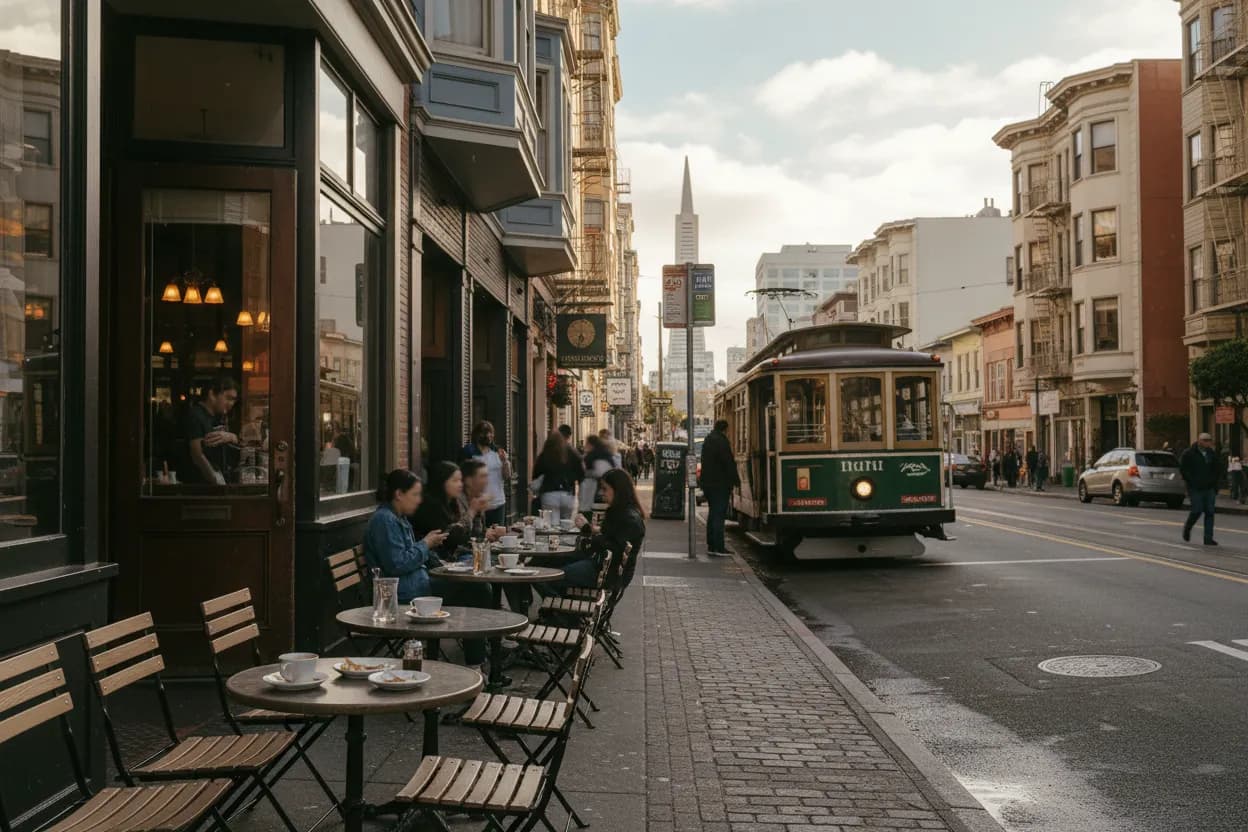
Match the market or hall to the group
A market or food hall can solve a common San Francisco problem: one person wants a full meal, another wants a snack, someone else is unsure, and nobody wants to spend the first half hour negotiating. The tradeoff is crowd risk. Multi-vendor spaces can be easier for mixed tastes but harder for seating, lines, noise, and meeting points. Decide whether flexibility is worth the uncertainty.
Use a two-window timing plan. First, set a target arrival window that gives the group enough time to find each other before ordering. Second, set a bail-out time. For example, if the first stop is too crowded, inaccessible, or confusing after your agreed waiting period, move to the backup rather than letting the night dissolve into sidewalk debate. The exact waiting period is up to your group, but the rule should be decided before arrival.
Do not assume every vendor keeps the same hours as the larger venue. Vendor hours, closures, service changes, and menu availability can shift. The official page for the hall, market, or individual vendor should be checked the day you go. If the vendor’s page and the venue’s page disagree, treat that as a reason to verify directly, not as a reason to guess.
Keep the first stop easy to reach
The first restaurant should be the easiest part of the night, not the most ambitious. SFMTA provides a Trip Planner and lets users plan by Muni, walking, biking, driving, and parking. Use that before you choose the final spot. A restaurant that looks perfect on a map can become a bad fit if the route is awkward for one person, requires too many transfers, or leaves the group exposed to delay without a simple alternative.
SFMTA also posts alerts, travel and transit updates, Muni routes and stops, maps, visitor information, and neighborhood transportation information. On August 12, 2026, its site shows current alert and update areas, along with calendar and service-change information. Because transit conditions can change, check the live SFMTA page close to departure instead of relying on yesterday’s route or a saved screenshot.
Build the route around the least flexible person. If someone is coming from work, school, a medical appointment, or a different side of the city, plan from that starting point. If accessibility is part of the decision, use SFMTA’s accessibility information and the restaurant’s official access details together. A good first stop is the one people can reach without turning dinner into logistics theater.
Save a nearby option for long waits
The backup is not a sign of pessimism; it is what keeps the night social. Pick a second restaurant or casual food option near the first stop before you leave. The backup should be easier, not more complicated: fewer access unknowns, simpler ordering, and a route your group can make quickly if the first place has a long wait or a changed service plan.
Crowd risk is highest when several variables stack together: a timely search hook, a popular dining area, limited seating, weather that pushes people indoors, and transit delays. You do not need to predict the whole city. You only need a decision rule. If the first stop cannot seat the group, if the line is longer than your agreed limit, or if the official information conflicts with what you find on arrival, switch to the backup.
Keep the backup public and ordinary. Do not frame it around a rumored guest, a supposed private table, or a claim that cannot be checked. If luis rengifo comes up at the table, let it stay in the conversation. The dinner plan itself should rest on open hours, transit access, health-safety awareness, and whether the group can sit down without stress.
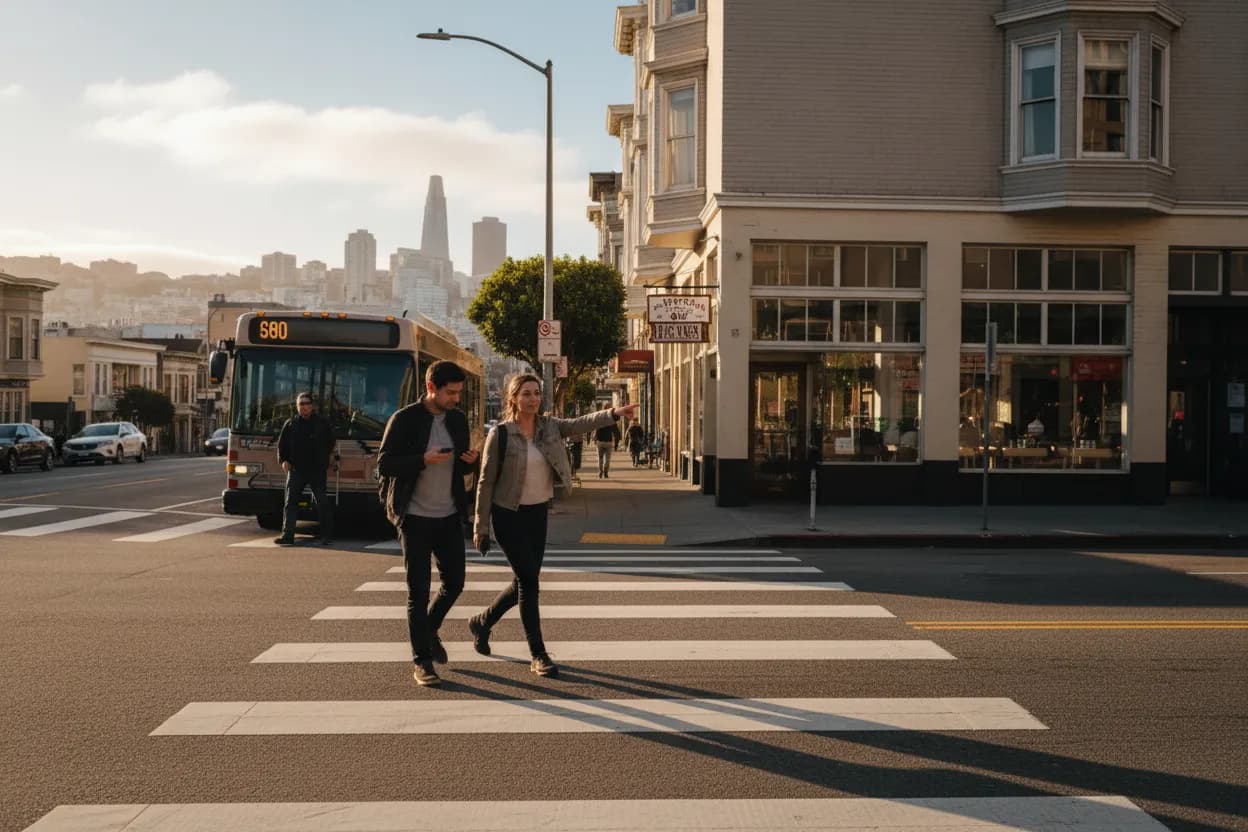
Verify vendor hours before leaving
The final check should happen the same day, ideally shortly before departure. Confirm the restaurant or vendor’s official hours, reservation status, service notices, address, entry instructions, and any access details your group needs. Then check SFMTA for route conditions and alerts. If you are driving or using a mix of travel modes, use the official transportation tools relevant to that choice rather than assuming curb access or parking will be simple.
For health and safety context, remember that SFDPH’s environmental work includes restaurant safety, inspection, permitting, and food safety education. That does not replace your own judgment on arrival. If a place appears closed, disorganized, or different from its official information, do not force the plan. Move to the backup, report serious public health concerns through appropriate city channels when warranted, and keep the night focused on the group’s well-being.
A clean San Francisco restaurant plan has four confirmations: the place is operating, the route works, the group can access the room, and the backup is close enough to use. Anything beyond that is noise. Trend phrases can bring people together, but official pages and current city information are what get everyone fed.
Tags: #SanFrancisco #SanFranciscoRestaurants #Restaurants #LocalGuide #DinnerPlan #Muni #SFMTA #SFDPH #FoodSafety #TransitTips #CityGuide #AskKarpo #BeforeYouGo #luisrengifo
Sources consulted: sftravel.com · sfdph.org · sfmta.com
All trademarks are the property of their respective owners.
Ask Karpo first
Ask Karpo first if the plan depends on a detail that can change: hours, seating, transit alerts, accessibility, vendor status, or a crowd-sensitive first stop. Send the official links and your timing, and make the backup decision before the group is already outside.