 Mediterranean Food Near Me in Fort Greene: Miss Ada's Garden and Hummus
Neighborhood Guides
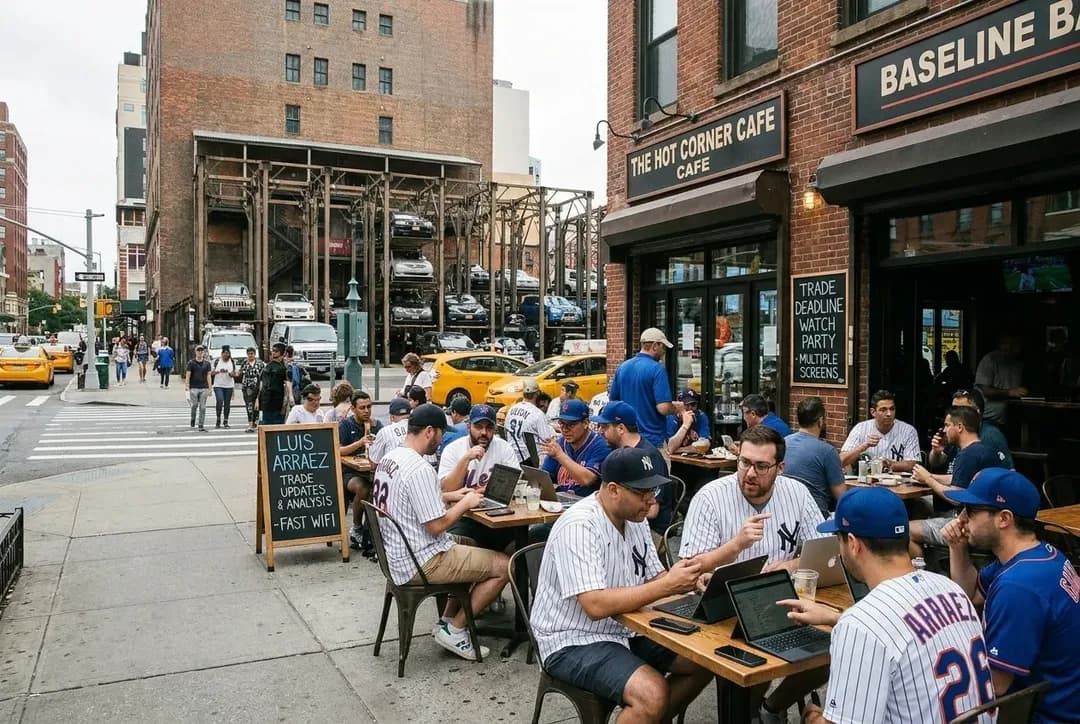
Luis Arraez Trade News: NYC Neighborhood Spots for Baseball Analysis
Navigate NYC's baseball-savvy neighborhoods where trade deadline analysts gather to dissect roster moves and player valuations. Compare venue density, crowd expertise, and connectivity across Manhattan and Brooklyn hotspots.
When luis arraez trade rumors accelerate during deadline season, serious baseball fans need more than casual sports bars—they seek neighborhoods dense with venues where analytical discussions thrive and WiFi supports live transaction tracking. New York City's geography creates distinct pockets where baseball knowledge concentrations vary dramatically, from Manhattan's Midtown clusters serving finance professionals who parse contract structures to Brooklyn enclaves where sabermetric enthusiasts debate defensive metrics over craft beer. This neighborhood-level analysis helps trade deadline followers identify areas offering multiple venue options within walking distance, allowing you to shift locations if one spot becomes too crowded or lacks the analytical depth you're seeking. The challenge lies in balancing venue density against crowd sophistication—some neighborhoods pack dozens of sports-friendly establishments into ten-block radiuses but attract primarily casual viewers, while others offer fewer total options yet consistently draw fans who understand arbitration timelines and prospect valuation frameworks.
Text Karpo your starting point, timing, group size, and priorities for a NYC plan tailored to this exact situation, with one realistic backup before you leave.
Midtown Manhattan's Concentration Trade-Offs
Midtown's density between 34th and 59th Streets creates the city's highest raw count of establishments with televisions and baseball coverage, but this volume introduces quality variance challenges for analytical fans. The neighborhood's daytime business population means many venues cater to quick-service lunch crowds rather than extended trade deadline sessions, and afternoon shifts often bring staff unfamiliar with why a utility infielder's contact rate matters. However, the sheer number of options within a six-block walk allows strategic venue-hopping—you might start at a quieter cafe with reliable WiFi for following beat reporter tweets, then migrate to a bar where the post-work crowd includes finance professionals accustomed to discussing player contracts as asset valuations.
The Penn Station and Grand Central corridors offer particular advantages for fans tracking multiple information streams simultaneously, as commuter traffic creates natural turnover that prevents single groups from dominating conversation. Venues near these transit hubs typically maintain strong connectivity to support business travelers, giving you backup options if your primary spot's WiFi falters during crucial announcement windows. The trade-off emerges in noise levels and seating availability during evening rush periods—arriving by 4pm often secures better positioning than waiting until traditional happy hour, though you'll need to verify individual venue policies about minimum purchases during extended stays.
Brooklyn's Park Slope and Prospect Heights Analytical Depth
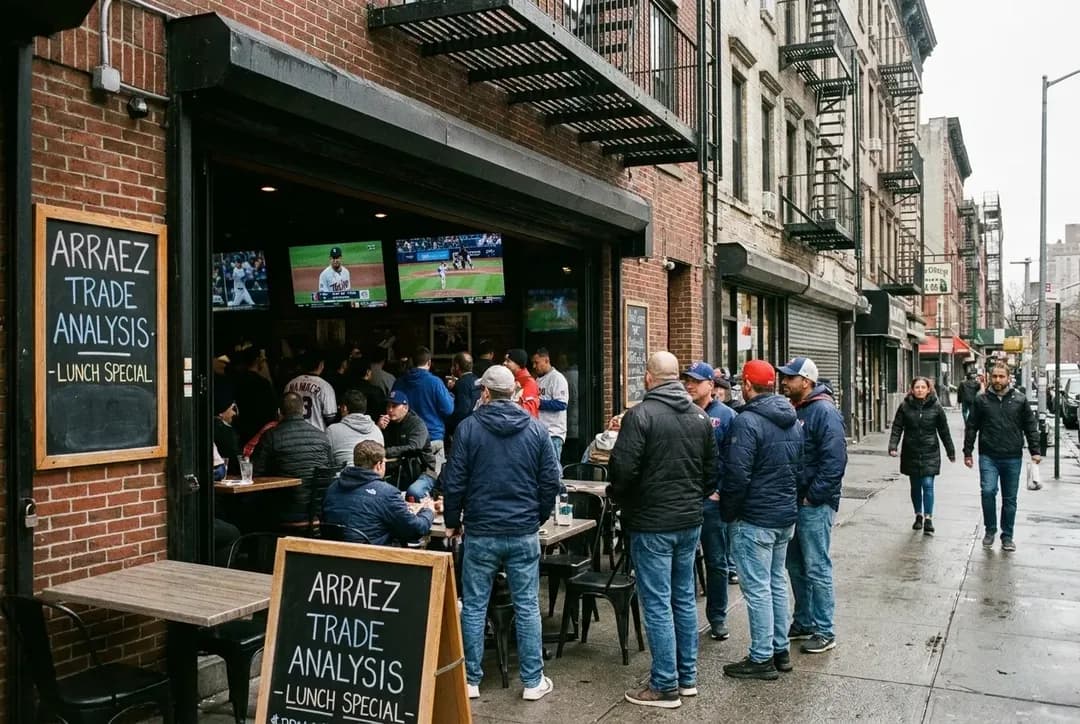
Park Slope's Seventh Avenue corridor and adjacent Prospect Heights blocks along Vanderbilt Avenue create a different density pattern—fewer total venues than Midtown, but higher concentrations of establishments where baseball conversations regularly reference advanced statistics and organizational strategy. The neighborhood's residential character means weekday afternoon options thin considerably, but evening and weekend availability brings crowds that often include media professionals, educators, and tech workers comfortable with data-driven sports analysis. This demographic mix produces environments where discussing a player's defensive runs saved or projected arbitration salary feels natural rather than niche.
The practical challenge involves walking distances between venues, as this area's options spread across a fifteen-to-twenty-block range rather than clustering tightly. Checking real-time crowding before committing to a specific location becomes essential, since a packed venue here might require a ten-minute walk to your backup option rather than a two-block pivot. The MTA's 2, 3, B, Q, and D train access throughout this zone helps, but weekend service changes can affect your ability to quickly shift neighborhoods if your initial choice disappoints. Fans prioritizing sustained analytical conversation over maximum venue density often find this trade-off worthwhile, particularly if they're willing to scout two or three spots during non-peak hours before deadline day arrives.
Upper West Side's Veteran Fan Concentrations
The Upper West Side between 72nd and 96th Streets offers a middle-ground density model with particular appeal for fans seeking historical context in trade discussions—this neighborhood's long-term resident base includes generations of baseball followers who remember previous deadline acquisitions and organizational patterns. Venues along Amsterdam and Columbus Avenues typically attract crowds capable of comparing current trade scenarios to franchise precedents from the 1990s or 2000s, adding depth that purely statistical analysis sometimes misses. The neighborhood's age diversity means you'll encounter both younger analysts focused on contemporary metrics and veteran fans who contextualize moves within longer organizational arcs.
WiFi reliability varies more significantly here than in business-focused Midtown, as many establishments prioritize neighborhood regular comfort over transient connectivity demands. Scouting your specific venue beforehand—perhaps during a weekend visit—helps identify which spots maintain strong enough connections for streaming live trade deadline coverage while following social media updates. The residential pace means fewer crowds competing for seats during weekday afternoons, but also less tolerance for large analytical groups dominating tables during dinner service. Solo analysts or pairs often navigate this environment more easily than groups of four or more trying to claim extended space.
East Village Venue Variety and Crowd Unpredictability
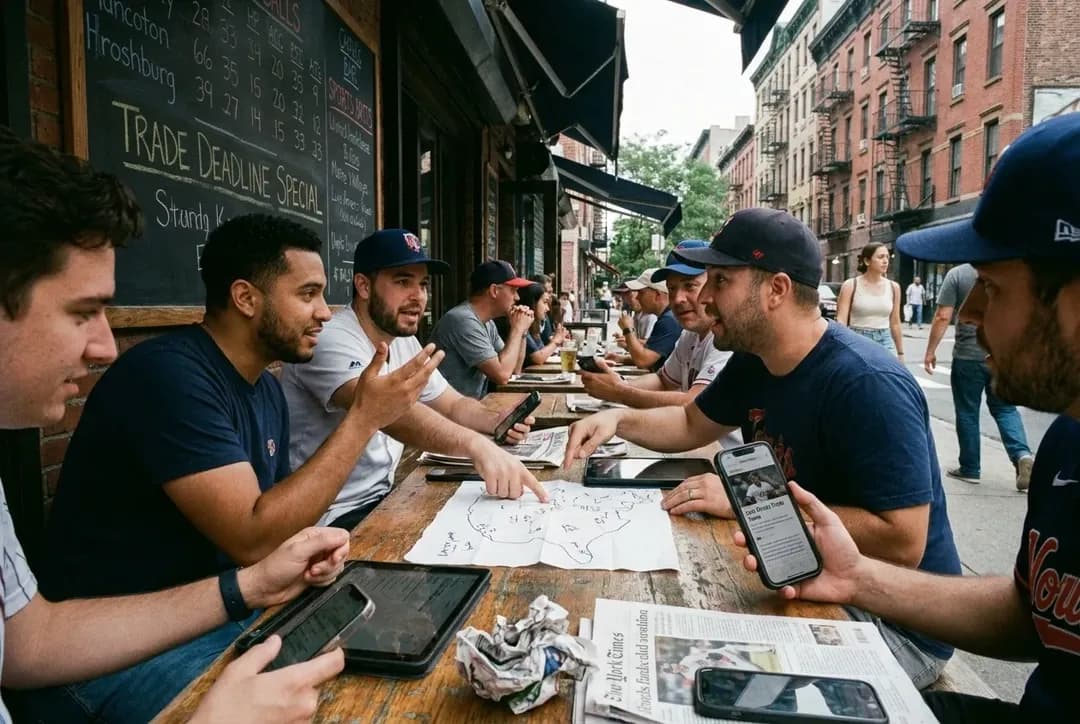
The East Village's dense establishment grid between 14th Street and Houston creates exceptional venue variety within compact walking radiuses, but crowd knowledge levels fluctuate more dramatically than in other high-density neighborhoods. A single block might contain a sports bar where patrons debate launch angle trends, a dive showing games without sound, and a craft beer spot where baseball serves as background rather than focus. This unpredictability requires more advance reconnaissance but offers advantages for fans with specific preferences—if you want deep analytical discussion, you'll find it, but you might also locate a quiet corner spot perfect for solo analysis with minimal social pressure.
The neighborhood's younger demographic skew and nightlife focus mean that optimal trade deadline timing differs from other areas—afternoon and early evening often provide better analytical environments than late-night hours when entertainment priorities shift. Multiple subway lines converging here (4, 5, 6, N, Q, R, W, L) make the East Village an effective backup destination if your primary neighborhood choice disappoints, though weekend service changes can affect these contingency plans. Fans comfortable with exploratory venue-hopping rather than predetermined single-location sessions often appreciate this neighborhood's density, accepting that finding your ideal spot might require checking two or three options.
Financial District's Weekday-Weekend Split
Lower Manhattan's Financial District presents the city's most dramatic density shift between weekday and weekend availability, creating strategic opportunities for trade deadline analysts willing to navigate this timing split. Weekday afternoons and evenings bring concentrated crowds of professionals accustomed to analyzing risk, contract structures, and organizational strategy—skills that translate directly to evaluating baseball trades. The neighborhood's business focus ensures robust WiFi infrastructure and table availability during the 2-5pm window before happy hour crowds arrive. However, weekend options contract sharply as venues catering to weekday office populations reduce hours or close entirely.
This timing dependency makes the Financial District ideal for fans tracking weekday trade deadline action but problematic for weekend speculation sessions. Venue density within the Fulton Street and Wall Street corridor allows efficient walking between options, and the area's transit hub status (served by twelve subway lines at various stations) provides quick escape routes if your session needs to relocate. The analytical trade-off involves crowd turnover—Financial District venues see more patron cycling than residential neighborhoods, which can refresh conversation perspectives but also interrupts sustained group discussions. Solo analysts following their own research threads often find this environment more accommodating than groups seeking extended collaborative analysis sessions.
Tags: #NYCneighborhoods #baseballbarsNYC #tradedeadlinewatching #sportsanalysisvenues #Manhattansportsbars #Brooklynbaseballspots #WiFisportsbars #baseballanalytics #NYCtransitaccess #neighborhooddensity
Sources consulted: Source 1: nycgovparks.org · Source 2: new.mta.info · Source 3: nypl.org · Source 4: a816-health.nyc.gov
All trademarks are the property of their respective owners.
Ask Karpo first
Ask Karpo to turn this NYC idea into a current plan for your date, budget, companion, transit preference, and energy level. Karpo can narrow the route and flag what to verify before you go.
Ask Karpo for more information.
Keep reading
- Mediterranean Food Near Me in Fort Greene: Miss Ada's Garden and Hummus
 Places To Eat Near Me in Chelsea: The Market Fills a Nabisco Factory
 Seafood Near Me in the East Village: The Mermaid Inn's Dollar Oysters