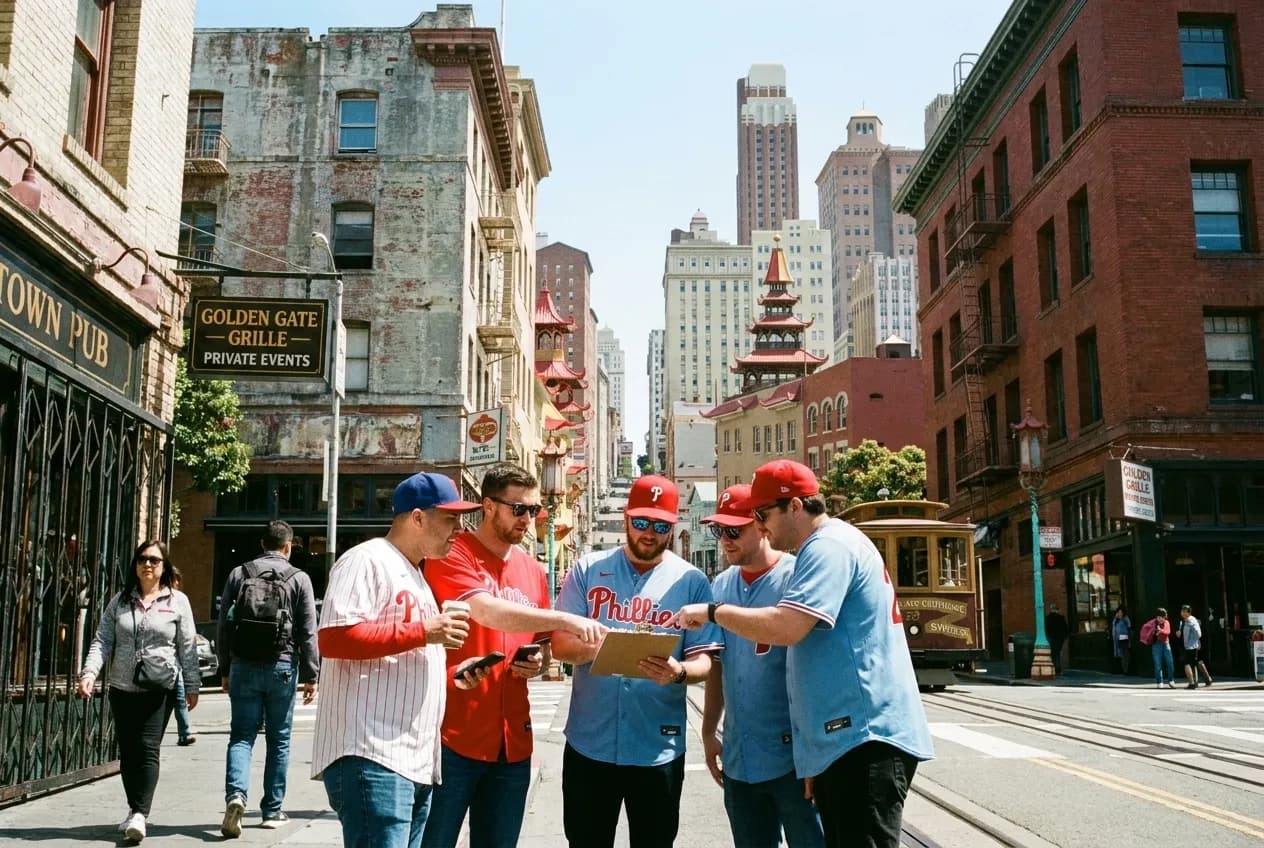
When rumors swirl about a potential trade, watch party organizers face a unique challenge: securing a venue for an event that might not happen on the expected date—or at all. For groups planning to gather around the luis arraez phillies storyline, the coordination complexity multiplies when you're managing twelve friends, deposit deadlines, and the possibility that debut timing shifts. San Francisco's sports bar landscape offers plenty of options for group viewings, but the excitement of a high-profile roster addition comes with cautious planning. The difference between a successful watch party and a logistical headache often comes down to asking the right questions before signing reservation agreements. This checklist walks through the verification steps and contingency decisions that help organizers balance enthusiasm with practical risk management.
Text Karpo your starting point, timing, group size, and priorities for a San Francisco plan tailored to this exact situation, with one realistic backup before you leave.

Capacity Confirmation and Space Layout Tradeoffs
Twelve people occupy different amounts of real estate depending on venue configuration. A bar with communal high-tops might comfortably fit your group around two tables, while a restaurant with booth seating could require three separate areas, fracturing conversation flow. Before committing, visit during a comparable time slot—weekend afternoon games draw different crowds than weeknight events—and observe sight lines to screens. Ask whether the venue guarantees your party stays together or whether late arrivals might be seated separately if the room fills. Some establishments cap group sizes at ten without moving into private event minimums, which trigger different pricing structures and deposit requirements.
Audio control becomes critical when multiple games air simultaneously. Confirm whether your group's screen will carry game sound or if you'll be reading closed captions beneath competing broadcasts. Venues near public transit—accessible via Muni lines per the SFMTA's citywide network—often experience higher foot traffic, which can mean noisier environments but also better backup transportation if designated drivers change plans. Weigh the energy of a packed room against the ability to hear play-by-play calls, and clarify whether audio requests made at booking time are honored when game day arrives.

Deposit Structures and Refund Policy Verification
Reservation deposits for group bookings typically range from per-person minimums to flat fees, but refund terms vary widely. Some venues offer full refunds with 48-hour notice, while others convert deposits to house credit rather than cash returns. When the event hinges on a trade that might be announced hours before first pitch—or postponed due to roster moves—standard cancellation windows may not align with your decision timeline. Request written confirmation of the refund policy, and ask specifically whether "event cancellation due to player availability" qualifies for exception handling. Venues experienced with sports viewings sometimes maintain flexible policies during trade deadline periods, but assumptions without documentation create friction when you need to cancel.
Consider splitting the deposit responsibility among attendees, but establish a clear communication chain for last-minute changes. If the debut gets pushed back a week, does your deposit transfer to the new date, or must you rebook and pay again? Some organizers hedge by reserving two potential dates with smaller deposits rather than one large commitment, though this approach requires venues willing to hold tentative blocks. The tradeoff between financial risk and guaranteed seating becomes more pronounced for weekend games, when prime spots book further in advance and cancellation penalties increase.
Menu Specials and Minimum Spend Negotiations
Group bookings often unlock game-day menu specials—discounted appetizer platters, pitcher pricing, or fixed-price packages—but these deals frequently carry minimum spend requirements. A venue might waive reservation fees if your party commits to a per-person food and beverage total, shifting the cost structure from upfront deposits to guaranteed orders. This arrangement works well when your group's appetite and budget align with the minimum, but it creates pressure if attendees arrive planning to nurse a single drink. Clarify whether the minimum is per person or per table, whether it includes tax and gratuity, and what happens if someone leaves early or the group size shrinks due to last-minute conflicts.
Ask whether game-day specials apply only during specific innings or throughout the event, and whether they're available if the game time changes. A 1 p.m. first pitch might fall under lunch pricing, while a rescheduled evening start could trigger dinner menus with higher per-item costs. Some venues extend happy hour rates for large groups regardless of clock time, but this courtesy isn't universal. Understanding the menu economics before committing helps you communicate realistic cost expectations to your group and avoid awkward bill-splitting disputes when the final inning wraps.

Transportation Coordination and Arrival Timing
San Francisco's transit network, managed by SFMTA, connects neighborhoods through Muni bus and rail lines, making carpool coordination less critical than in car-dependent cities. However, a group of twelve rarely arrives simultaneously. Decide whether your reservation holds tables for latecomers or releases space after a grace period—venues in high-traffic areas like the Mission or Marina often enforce strict arrival windows during peak hours. Sharing a meeting point one Muni stop before the venue gives stragglers a chance to catch up without the group losing its table, and it provides a backup plan if the venue is overbooked despite your reservation.
For groups arriving from different neighborhoods, the SFMTA trip planner helps identify common transfer points, but weekend service changes and event-day crowding can disrupt schedules. Build a 15-minute buffer into your arrival target, and designate one person to hold the table while others navigate delays. If your venue lacks nearby parking and some attendees insist on driving, confirm whether street parking restrictions ease on weekends or whether meter enforcement continues through game time. The tradeoff between transit convenience and driving flexibility shapes your venue shortlist, especially when considering post-game plans that might extend into evening hours.
Contingency Planning for Schedule Shifts and Roster Uncertainty
Trade rumors generate excitement, but they also introduce scheduling ambiguity. A player's debut might be delayed for rest days, travel logistics, or lineup decisions that aren't announced until hours before game time. When booking a venue, ask how much notice they need to shift your reservation to an alternate date, and whether doing so incurs fees. Some sports bars maintain a waitlist system that allows flexible rebooking during the same week, while others treat each date as a separate event requiring new deposits. If your group's availability is limited to specific days, prioritize venues with lenient rescheduling terms over those with slightly better screen setups but rigid policies.
Establish a group communication protocol for last-minute changes—a shared text thread or group chat where one person posts updates as news breaks. Decide in advance whether the watch party proceeds if the debut is confirmed but the game time shifts by several hours, or if a partial group constitutes enough critical mass to keep the reservation. The organizer role carries weight here: you're balancing individual schedules against collective enthusiasm, and clear contingency agreements prevent the frustration of scrambled plans. For groups mixing hardcore fans with casual attendees, setting expectations about flexibility early makes the difference between a memorable gathering and a coordination headache that dampens future event planning.
Tags: #watchpartyplanning #groupbookingsSanFrancisco #sportsbarreservations #PhilliesfansSF #eventcoordination #venuecancellationpolicies #groupviewingparties #SFMunitransit #gamedayplanning #depositrefundpolicies
Sources consulted: Source 1: sf.gov · Source 3: sfmta.com · Source 4: sfpl.org
All trademarks are the property of their respective owners.
Ask Karpo first
Ask Karpo to turn this San Francisco idea into a current plan for your date, budget, companion, transit preference, and energy level. Karpo can narrow the route and flag what to verify before you go.