When baseball analysts and fellow fans want to dissect topics like the luis arraez contract through weekend evening sessions, choosing the right Miami restaurant becomes as strategic as lineup construction. The city's dining scene presents three distinct venue categories—each with different approaches to table turnover, service pacing, and cultural acceptance of extended occupancy. Wynwood breweries feature communal seating that naturally accommodates group discussions, Coconut Grove waterfront establishments offer relaxed service tempos aligned with scenic dining, and Little Havana cafes embed within a domino-playing culture where lingering is traditional rather than tolerated. Verifying which environment suits your group's debate style, size, and intermediate-level analysis depth requires examining operational patterns, neighborhood rhythms, and the tradeoffs between atmosphere types. This decision impacts whether your luis arraez contract discussion unfolds comfortably across multiple hours or faces subtle pressure from turnover-focused service models.
Text Karpo your starting point, timing, group size, and priorities for a Miami plan tailored to this exact situation, with one realistic backup before you leave.

Wynwood Brewery Communal Table Dynamics and Group Debate Logistics
Wynwood's brewery district centers on shared seating arrangements where long communal tables naturally accommodate fluctuating group sizes and extended sessions. These venues typically operate on beverage-focused models rather than traditional table service, reducing server pressure for turnover since revenue derives from bar orders rather than seat rotation. The standing-and-sitting hybrid culture means groups can expand or contract as friends arrive at different times during weekend evenings, and the ambient noise level from surrounding conversations provides acoustic cover for animated contract debates without disturbing neighboring patrons. However, verifying specific brewery policies requires checking whether food truck partnerships or kitchen operations introduce meal-based timing expectations that could conflict with multi-hour stays.
The tradeoff analysis for brewery settings weighs social atmosphere against comfort limitations—metal stools and backless benches become less appealing after the second hour, potentially cutting debates shorter than planned. Intermediate baseball analysts should assess whether their group prioritizes energetic surroundings that fuel argumentative exchanges or whether physical comfort matters more for sustained concentration on contract details. Parking in Wynwood presents weekend evening challenges, so groups arriving via rideshare or using the free Metromover system (which operates until 10 p.m. according to official transit schedules) avoid the frustration of circling for spaces when debates run longer than anticipated. The brewery model works best for groups comfortable with self-service beverage runs and who view the venue as backdrop rather than full-service dining experience.

Coconut Grove Waterfront Service Patterns and Extended Dining Tolerance
Coconut Grove's waterfront restaurant corridor operates under different service economics than high-turnover urban districts, with many establishments pricing for longer stays and scenic value rather than table rotation volume. The neighborhood's historical identity as a leisurely dining destination means servers and management typically expect patrons to linger over water views, creating natural alignment with multi-hour baseball analysis sessions. Verifying individual restaurant policies still matters—calling ahead to explain your group plans a three-to-four-hour stay for sports discussion helps gauge whether staff welcome extended occupancy or prefer you arrive during off-peak windows when table pressure decreases. Outdoor patio seating particularly suits this purpose during weekend evenings when weather cooperates and sunset timing adds visual interest without requiring constant food orders to justify table occupancy.
The primary tradeoff involves cost versus duration—waterfront establishments generally carry higher menu prices that reflect location premiums, meaning groups should budget accordingly if social pressure to order multiple courses emerges during extended stays. Intermediate analysts debating contract structures might find the relaxed Grove atmosphere reduces argumentative intensity compared to energetic brewery settings, which could be advantage or disadvantage depending on group dynamics. Transportation logistics favor this area since metered street parking transitions to free evening availability in many Grove sections, and the neighborhood's walkable layout allows groups to relocate between venues if initial restaurant choice proves incompatible with debate duration needs. The service model works best for groups willing to maintain steady beverage orders and who value conversational comfort over high-energy surroundings.
Little Havana Cafe Culture and Domino-Playing Precedent for Lengthy Sessions
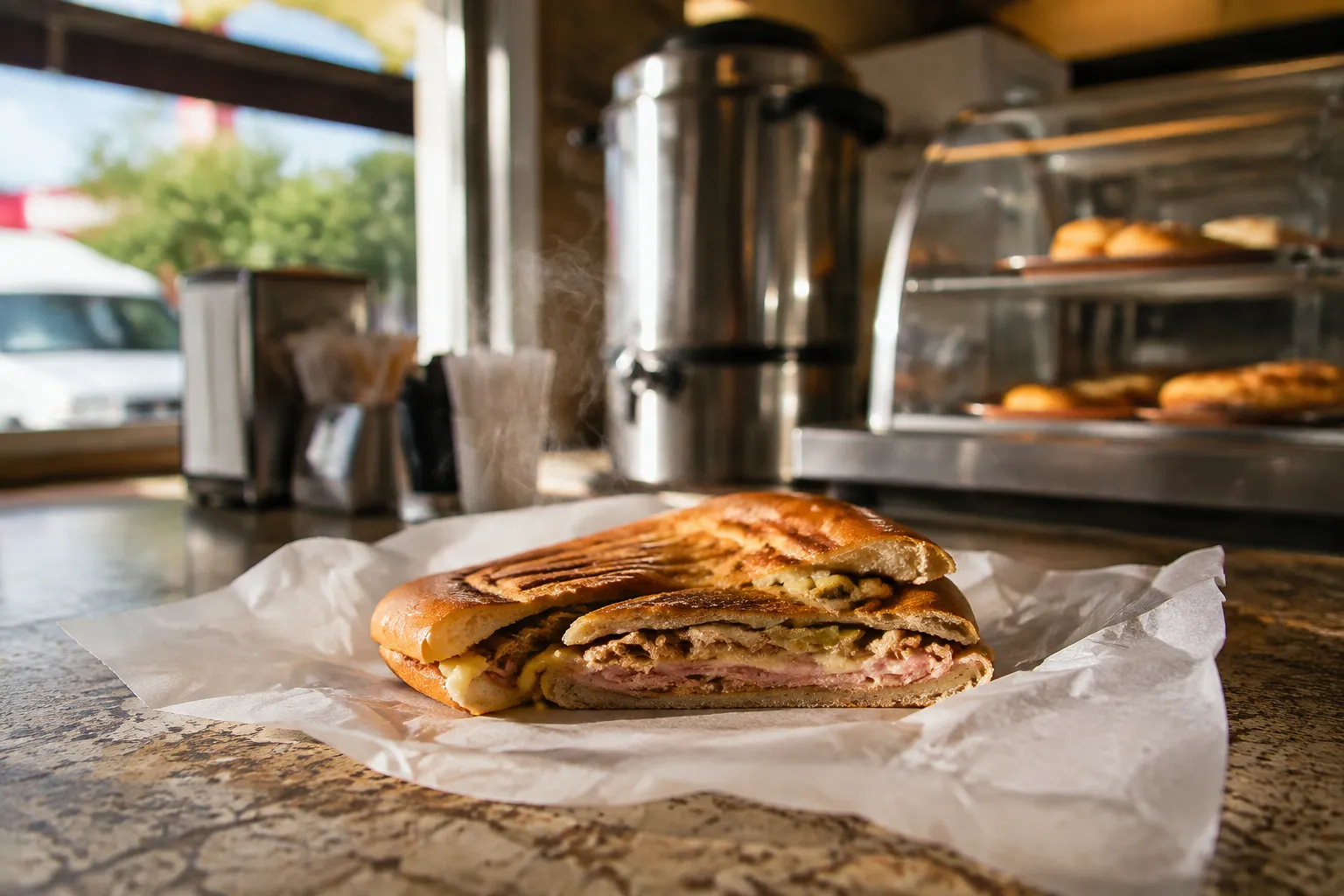
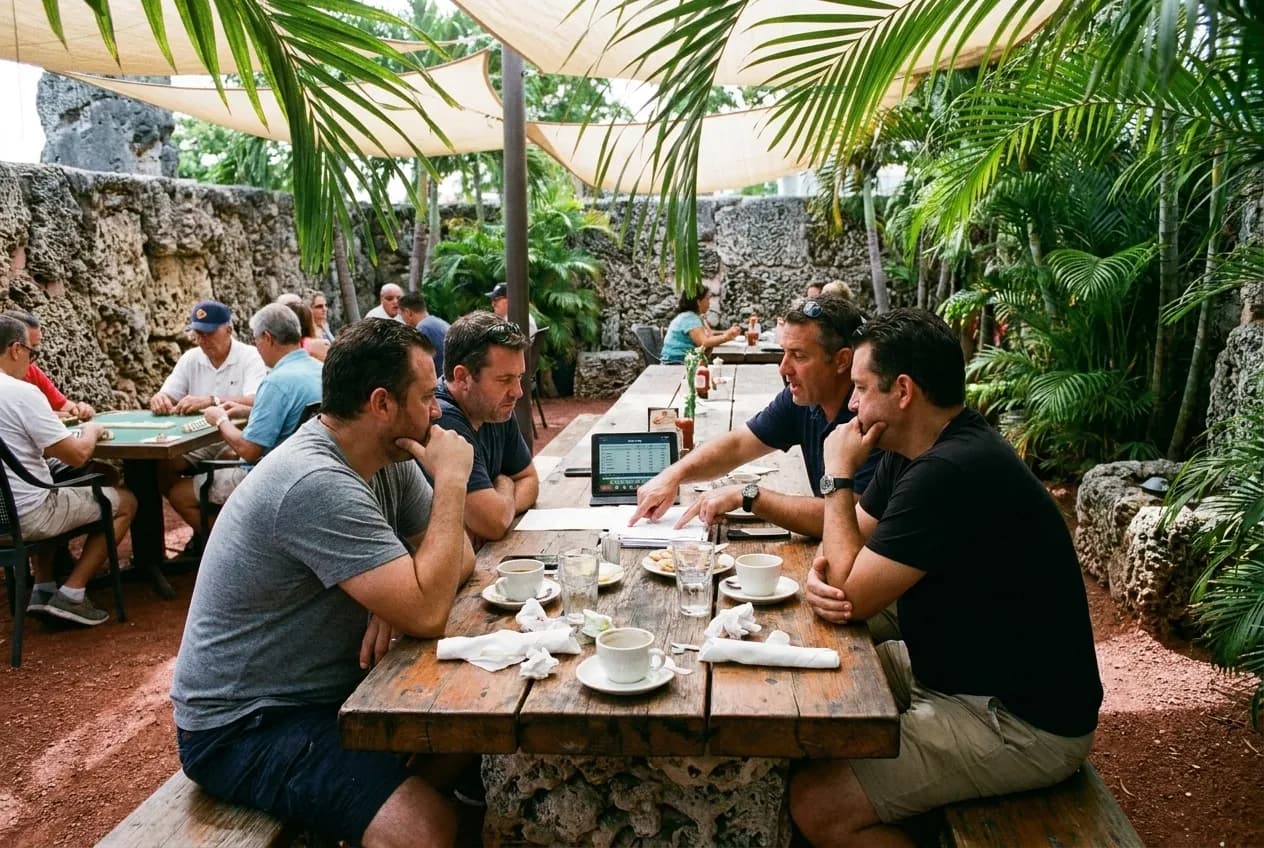
Little Havana's cafe landscape embeds within cultural traditions where Calle Ocho establishments have historically served as community gathering spaces for domino games, political discussions, and extended social sessions. This neighborhood context means many cafes operate with implicit understanding that table occupancy extends beyond typical restaurant timeframes, particularly during evening hours when domino tables fill and conversations stretch across multiple cafetero rounds. Baseball analysts benefit from this cultural precedent—the same tolerance extended to domino players naturally applies to groups engaged in sports debate, though verifying specific venue attitudes remains important since tourist-oriented establishments may operate under different service models than neighborhood institutions. The acoustic environment tends toward lively Spanish-language conversation and music, creating energetic backdrop without the craft-beer-focused demographics of Wynwood breweries.
Tradeoff considerations center on menu expectations and group composition comfort—Little Havana cafes typically feature Cuban cuisine and coffee-focused beverage programs rather than extensive beer or cocktail selections that might appeal to some baseball fan groups. The neighborhood's authenticity attracts analysts seeking cultural experience alongside their contract debates, but groups uncomfortable as obvious outsiders in Spanish-dominant spaces might feel self-conscious during extended stays. Parking along Calle Ocho follows typical urban patterns with metered street spaces and small lots, making weekend evening arrival timing important for securing convenient access. The cafe model works best for groups who appreciate strong coffee culture, don't require alcohol-focused beverage programs, and value being part of authentic neighborhood rhythm rather than segregated tourist dining experiences. Intermediate fans should assess whether their debate style matches the passionate conversational energy that characterizes Little Havana's social spaces.
Verification Steps for Confirming Multi-Hour Dining Acceptance Policies
Regardless of neighborhood choice, baseball analyst groups should implement verification protocols before committing to specific venues for extended contract debate sessions. Calling restaurants during non-peak hours (mid-afternoon on weekdays) allows conversations with managers rather than rushed host staff, and framing the inquiry as 'our group plans a three-hour sports discussion dinner—does your Saturday evening service accommodate that timeframe?' provides clear parameters for honest responses. Some establishments may suggest arriving before peak dinner rush or reserving specific sections that handle longer stays better than high-turnover zones, information that proves valuable for planning. Checking online reviews for phrases like 'felt rushed,' 'lingered comfortably,' or 'slow service' offers crowd-sourced data about actual turnover pressure versus stated policies.
The verification process should also address practical elements beyond philosophical tolerance—confirming table size availability for your group count, understanding whether reservations are accepted or required for weekend evenings, and clarifying any minimum spending expectations that might apply to extended occupancy. Groups using public transit should cross-reference restaurant locations against Metromover station maps and bus routes, since the system's 10 p.m. weekend closure time according to official schedules means debates extending past that hour require alternative transportation plans. Intermediate analysts might also verify venue Wi-Fi availability and cellular signal strength if the group plans to reference online statistics or contract databases during discussions, though this consideration matters less for purely conversational debate formats. The verification investment prevents mid-debate relocations when initial venue choice proves incompatible with group needs.
Matching Venue Characteristics to Debate Group Composition and Style
The optimal Miami restaurant choice for luis arraez contract debates depends heavily on group-specific factors that vary among baseball analyst circles. Groups with strong argumentative dynamics might thrive in Wynwood brewery energy where passionate exchanges blend into ambient noise, while analysts preferring methodical contract clause examination may need Coconut Grove's quieter waterfront settings for sustained concentration. Age demographics matter—younger fan groups often prefer brewery social scenes and don't mind communal seating trade-offs, whereas older analysts might prioritize Grove comfort and table privacy. Group size also influences venue fit, since parties of six-plus occupy significant brewery table length but represent standard reservation size for waterfront restaurants with dedicated group sections.
The companion dynamic of 'fellow fans' rather than casual friends or family means the group shares baseball knowledge baseline, allowing venues to be selected purely for logistical fit rather than needing to accommodate non-fan entertainment requirements. Intermediate analysis level suggests the group moves beyond surface statistics into contract structure discussions, arbitration implications, and comparative player value—conversations that benefit from environments supporting both animated debate and occasional quiet calculation moments. Weekend evening timing creates different venue availability patterns than weekday sessions, with Little Havana cafes potentially offering better table access than Grove waterfront spots facing tourist dinner crowds. The matching process ultimately requires honest group assessment of priorities—whether atmosphere, comfort, cost, cultural experience, or pure functional space for extended discussion ranks highest in the collective decision framework that determines where baseball contract debates unfold most productively.
Tags: #Miamirestaurants #Wynwoodbreweries #CoconutGrovedining #LittleHavanacafes #extendeddining #sportsbarsMiami #groupdining #baseballfans #weekenddining #communaltables #waterfrontrestaurants #Miamineighborhoods #restaurantpolicies
Sources consulted: Source 1: miamidade.gov · Source 2: miamidade.gov · Source 3: mdpls.org · Source 4: miamibeachfl.gov
All trademarks are the property of their respective owners.
Ask Karpo first
Ask Karpo to turn this Miami idea into a current plan for your date, budget, companion, transit preference, and energy level. Karpo can narrow the route and flag what to verify before you go.