 Mediterranean Food Near Me in Fort Greene: Miss Ada's Garden and Hummus
Neighborhood Guides
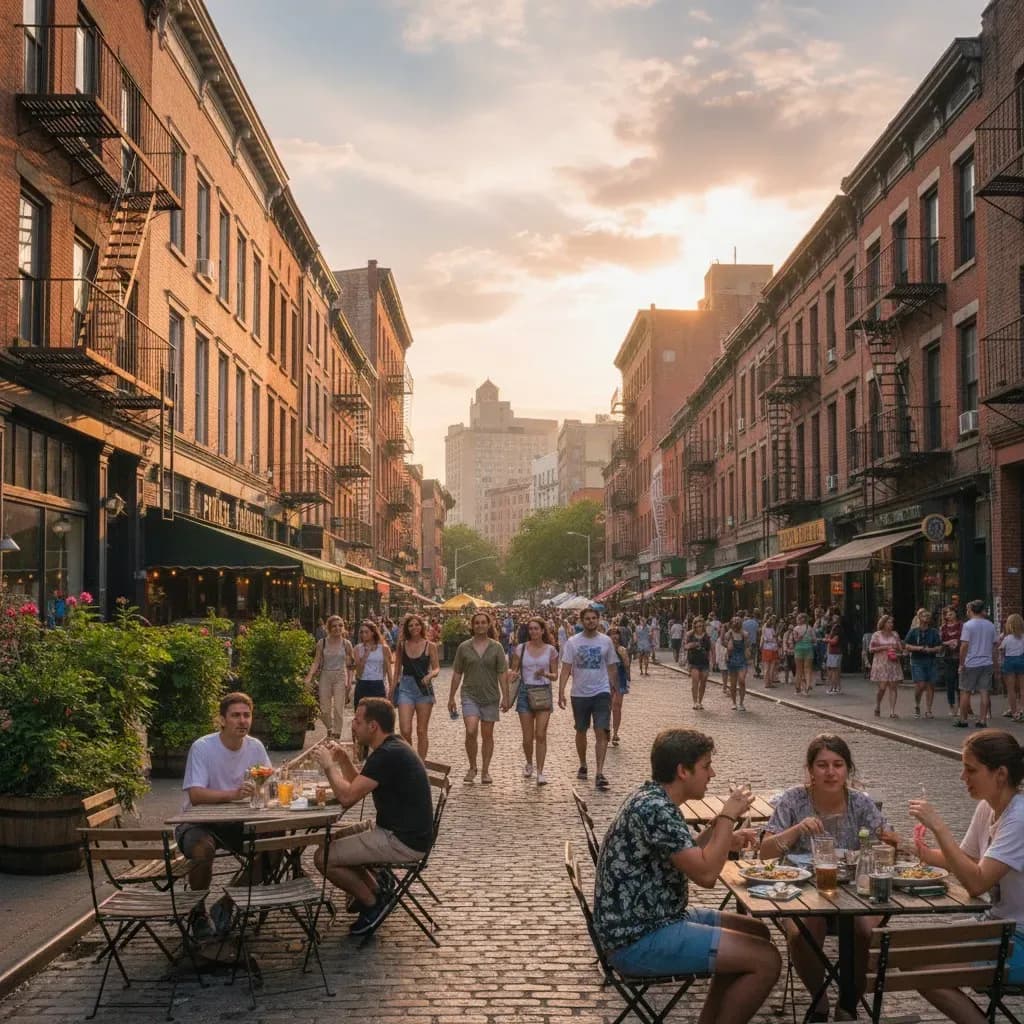
Lower East Side Summer Route for Food, Music, and Views
A neighborhood guide for building a Lower East Side day-to-night route with market food, museum context, waterfront air, and flexible nightlife.
A strong NYC neighborhood guide should not try to summarize the whole Lower East Side in one breath. It should give readers a route they can actually follow: food first, context second, waterfront air third, and a flexible night option if the group still has energy. This angle fits current local search behavior because it connects restaurants near me, events near me, and map-style planning into one saveable walk.
Ask Karpo for a current Lower East Side route with open-status checks, wait-time logic, waterfront timing, and a backup if the first food stop or event is too crowded.
Start at Essex Market when nobody has eaten
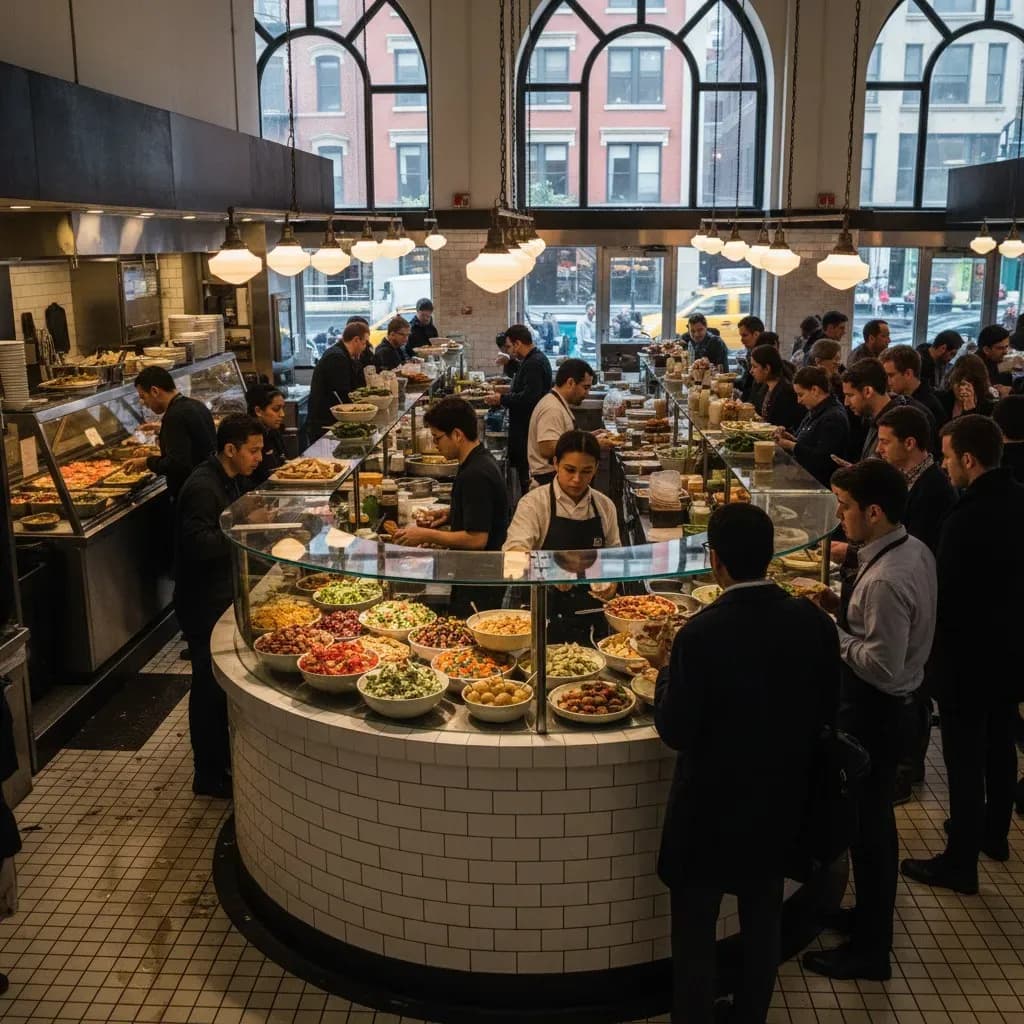
Essex Market is the most useful anchor because it is public, central, and flexible. Its official site lists vendors and market information, which makes it a safer starting point than picking one restaurant for a mixed group. People can split orders, browse, and decide whether the day is turning into a food crawl, a short walk, or a full night out.
For a practical guide, tell readers to use the market as a meeting point, not a final verdict on the neighborhood. Check current hours and vendor availability before going, especially around holidays or special events. If the market is packed, the Lower East Side still offers quick pivots into Chinatown, Orchard Street, or the waterfront.
Add history without making the route feel like homework
The Tenement Museum is the clearest official source for Lower East Side immigration and neighborhood context. Its public pages list tours, exhibits, and visitor information, and it works best when the article frames it as a way to understand the streets people are already walking. Do not invent tour availability; link readers to the official schedule and make booking status part of the plan.
This stop changes the tone of the route. Without context, the neighborhood can become only food and nightlife. With one verified cultural stop, the article earns more trust and gives readers a reason to save the guide beyond dinner.
Use Pier 35 as the heat-release valve
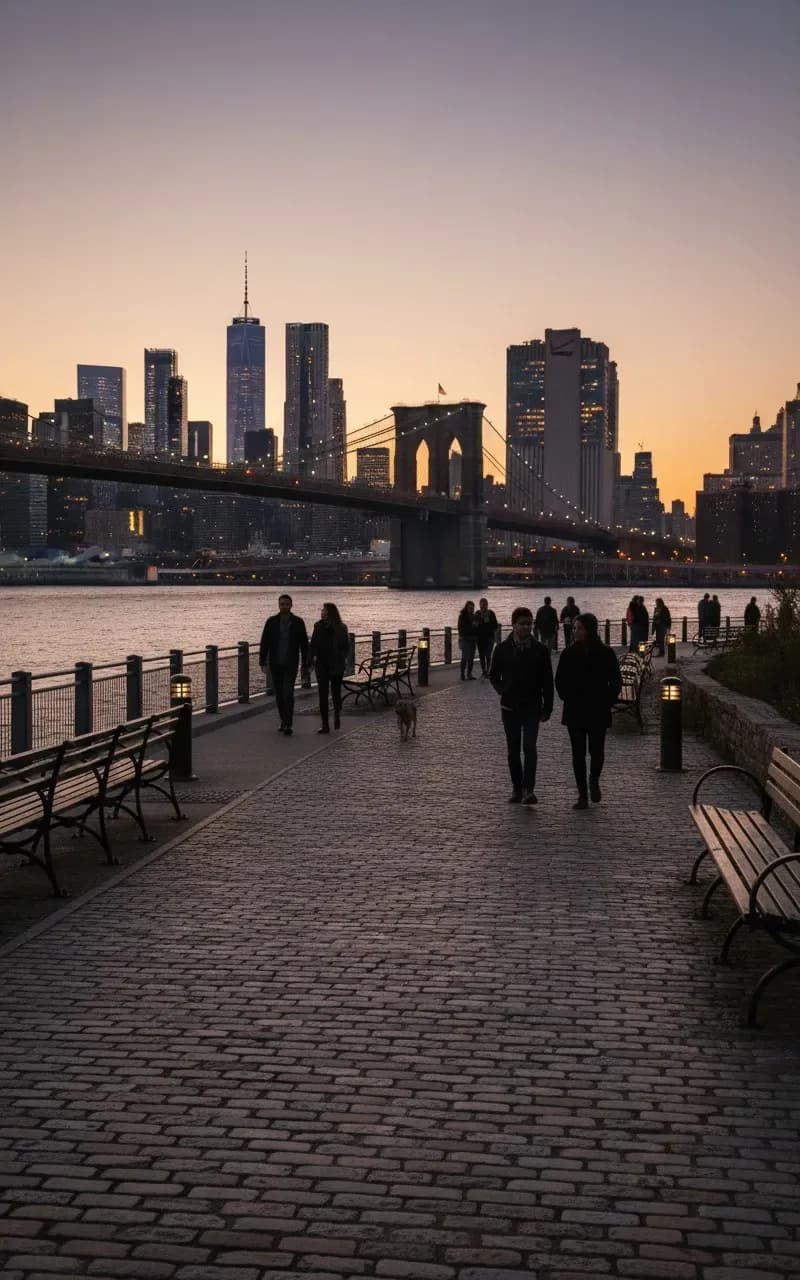
Pier 35 and the East River waterfront are useful in summer because they give the route air, views, and a pause between eating and nightlife. NYC waterfront conditions can change around construction, weather, and crowding, so the copy should keep the advice flexible: walk toward the river if the group needs space, then decide whether to continue north, south, or back inland.
A good neighborhood guide names the escape hatch. If the group is tired, the pier can be the ending. If the group is energized, it can be the reset before a bar, show, or dessert stop. That makes the plan feel like city life instead of a rigid itinerary.
Keep the night flexible around Orchard and Ludlow
Orchard, Ludlow, and the surrounding blocks can support dinner, drinks, small music rooms, and late dessert, but they also change quickly by day, season, and crowd. Avoid claiming a specific venue has space unless it has been checked. Instead, tell readers how to decide: choose a small-room bar if conversation matters, a louder room if the group wants energy, or a quick dessert if people need a soft landing.
This is also where Karpo can convert. A user who saves a neighborhood guide often needs the live version later: what is open, what is nearby, and what works now. The article should invite that action without sounding like a generic ad.
Build the route in three blocks
The simplest structure is food, context, and air. Food gives the group a reason to gather. Context gives the walk a point of view. Air keeps summer from becoming heavy. After those three blocks, the night can branch into drinks, music, dessert, or the train. That makes the guide useful for dates, visitors, and locals who do not want another overstuffed list.
For timing, start late afternoon if you want the day-to-night transition. Start earlier if you are booking a museum tour. Start later if the route is really dinner plus drinks. The neighborhood can handle all three, but the article should not pretend one schedule fits every reader.
How to pace the Lower East Side without overplanning
Treat Essex Market, the Tenement Museum, and the waterfront as three different energy levels. The market is flexible and food-led, the museum is time-specific and booking-led, and the river is open-ended and weather-led. Put the least flexible stop first. If a museum tour is booked, build around that start time; if no ticket is involved, use the market as the meeting point and let the waterfront determine how long the route continues.
The route also needs realistic walking behavior. Orchard, Ludlow, Essex, and the east-side waterfront look compact on a map, but summer heat, crowded sidewalks, and group indecision add time. Keep one cross-neighborhood jump optional rather than mandatory. If the group has already eaten and walked, a nearby dessert or music room is more likely to happen than a second ambitious destination. A neighborhood guide earns saves when it helps readers finish the plan.
Accessibility and comfort should appear in the decision logic, not as an afterthought. Verify the specific entrance, elevator or stair needs, seating expectations, and restroom access on official visitor pages before recommending a timed stop. For the outdoor portion, check weather and construction notices. A practical route gives readers permission to shorten the day: food plus history is complete, history plus the waterfront is complete, and all three are a bonus.
Practical notes
Check Essex Market hours, Tenement Museum tour availability, waterfront access, weather, and subway status before leaving. Keep the route compact, choose a backup food stop within a few blocks, and avoid blocking narrow sidewalks while deciding. If a venue is full, move quickly; the Lower East Side works best when the plan is flexible.
Tags: #LowerEastSide #NeighborhoodGuides #NYCNeighborhoods #EssexMarket #TenementMuseum #Pier35 #NYCFoodWalk #NYCViews #SummerInNYC #EventsNearMe #RestaurantsNearMe #NYCRoute #KarpoFinds #AskKarpo
Sources consulted: Essex Market · Tenement Museum · NYC Parks events · MTA service status
Please drink responsibly. Must be of legal drinking age.
All trademarks are the property of their respective owners.
Ask Karpo first
Want a Lower East Side route that still works with today's hours, heat, crowds, and your group's pace? Ask Karpo for a live neighborhood plan before you head out.
Ask Karpo for more information.
Keep reading
- Mediterranean Food Near Me in Fort Greene: Miss Ada's Garden and Hummus
 Places To Eat Near Me in Chelsea: The Market Fills a Nabisco Factory
 Seafood Near Me in the East Village: The Mermaid Inn's Dollar Oysters