 Lomita Japanese Bakery Cream Pan: $16 Strawberry Croissants
Coffee & Dessert
UFC 333 Watch Parties in LA vs. Staying Home: Which Actually Works Better
Fight night in Los Angeles means choosing between packed sports bars and your own couch—and the answer isn't obvious.
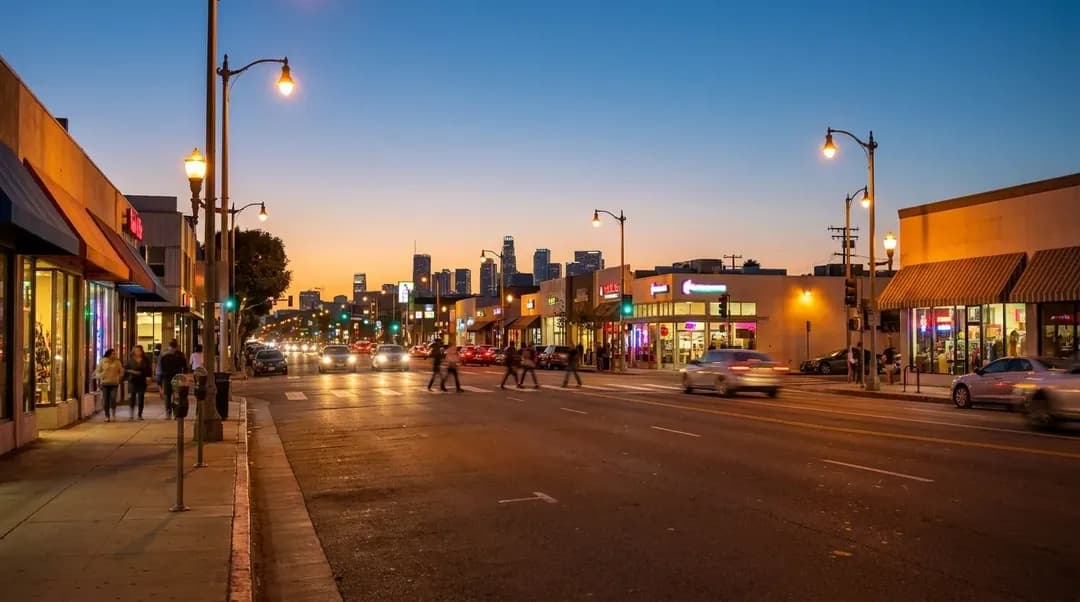
You've got UFC 333 on the calendar—Alexander Volkanovski versus Merab Dvalishvili, Movsar Evloev on the card, Petr Yan back in the octagon—and you're weighing whether to drive somewhere or just pull it up at home. In Los Angeles, that decision hinges less on the fights themselves and more on whether you're willing to deal with parking at a sports bar in Culver City at 7 p.m. on a Saturday, or whether your living room and a decent screen are genuinely enough. The romantic version involves a packed room, strangers yelling at the same moments you are, and walking out into cool night air still buzzing. The honest version involves circling for street parking, paying eighteen dollars for two beers, and missing the co-main because the bathroom line stretched past the kitchen.
Text Karpo right now for live bar capacity checks, parking intel near any venue showing UFC 333, and a backup plan if your first choice is slammed. It'll route you around game-time traffic and get you home without the usual post-event gridlock.
What fight night actually looks like in LA
Los Angeles doesn't have a single fight-night district the way some cities anchor around one arena. Instead, you've got clusters: sports bars near the Expo Line in Culver City, breweries with projectors in Arts District, corner pubs in Silver Lake that turn the volume up for big cards. For UFC 333, the draw is a main event that people actually care about—Volkanovski's name pulls casual fans, and Dvalishvili's wrestling style makes for arguments worth having in person. If you're going out, you're committing to the whole production: the drive, the negotiation over where to sit, the guy next to you explaining what a rear-naked choke is for the fourth time. If you're staying in, you're committing to making your own environment good enough that you don't feel like you're missing the experience.
The calculation changes depending on where you start. If you're already in Culver City or Mar Vista, a ten-minute walk to a bar showing the fights is easy. If you're in Echo Park or Los Feliz, you're looking at thirty-five minutes in the car each way, and the parking around any decent venue fills by the prelims. The Expo Line runs late, but the closest stop to most Culver City sports bars still leaves you with a twelve-minute walk, and if the card runs past midnight, you're waiting on an empty platform wondering if the next train is actually coming. None of this is prohibitive, but it adds friction that a big couch and a seventy-five-inch screen don't have.
The bar route versus the home setup
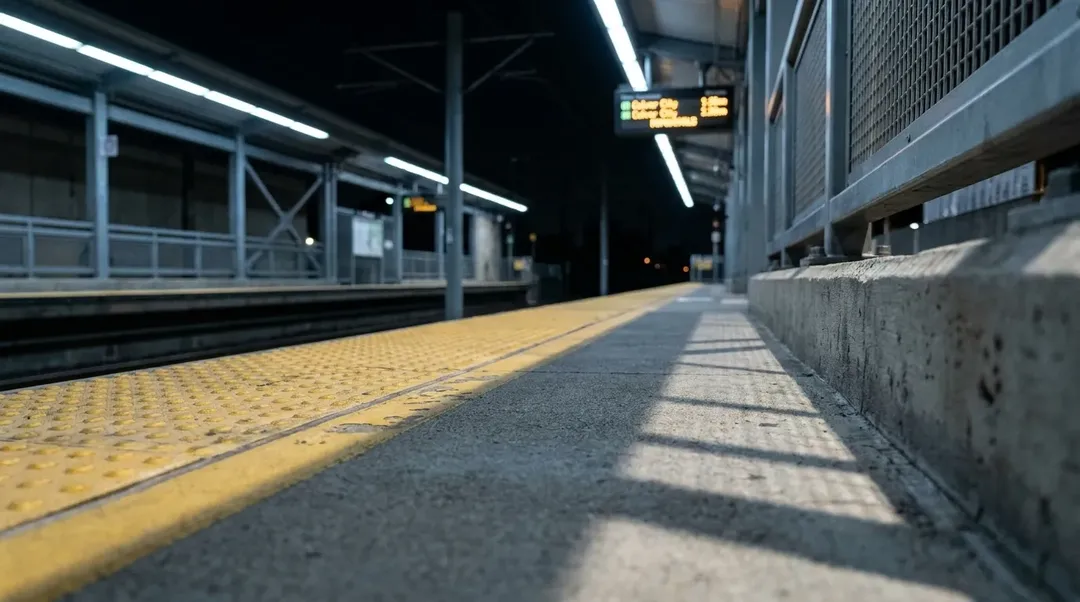
If you're driving to Culver City from anywhere east of La Brea, give yourself forty minutes on a fight night. The 10 is predictably jammed westbound between 6 and 8 p.m., and Washington Boulevard through Culver crawls once you're off the freeway. Street parking on the blocks south of Venice Boulevard near the main cluster of sports bars is free but competitive; you'll circle once, maybe twice. The city lots along Cardiff and Watseka charge six dollars for the evening, and they're a five-minute walk to most venues. If you're coming from the Valley, the 405 southbound past the 10 interchange is a parking lot—add twenty minutes to whatever your map app promises.
The advantage of going out is atmospheric. A room full of people reacting in real time to a knockout changes the stakes. You get the collective groan when a decision goes the wrong way, the eruption when Volkanovski lands clean, the kind of energy that doesn't translate through a screen. Culver City's sports bars—places like Joxer Daly's, Scarlet Lady, and a handful of newer spots along Washington—know how to stage a fight card. Multiple screens, decent sound, bartenders who understand that between rounds is when you order. The crowd skews toward people who know the matchups and have an opinion about whether Aaron Pico should've stayed in Bellator. It's not a casual hang; it's a scene built around the event.
Staying home means control. You pick the screen size, the volume, the snack situation. You pause for the bathroom without missing a round. You skip the prelims if they're boring, or you watch every undercard fight if that's your thing. In LA, where drive time is a tax on every decision, saving seventy minutes round-trip and eighteen dollars in parking and drinks is not nothing. The tradeoff is atmosphere. Your living room doesn't yell back. If the main event disappoints, you're alone with your disappointment, scrolling your phone instead of commiserating with strangers who also stayed up for this.
The hybrid option is a house party, but that requires someone willing to host and a group invested enough to show up on time. In practice, people trickle in during the prelims, someone brings the wrong beer, and by the co-main you're explaining the card to latecomers instead of watching. It works if your crew is dialed, but it's harder to organize than just picking a bar or staying solo.
What the evening actually costs
Going out for UFC 333 in Culver City costs between thirty and sixty dollars depending on how you drink and whether you eat. Most sports bars don't charge a cover for fight cards, but they expect you to order. Two beers and an appetizer runs thirty-five dollars before tip. If you're driving, add six dollars for parking in a lot, or factor in the time cost of hunting street spots. Gas from Los Feliz to Culver and back is maybe eight dollars. If you're splitting an Uber from east of La Brea, you're looking at twenty-five each way during surge pricing, so fifty round-trip per person. The Metro Expo Line is $1.75 each way, but the walk from the Culver City station to the bar district is fifteen minutes, and the late-night return can feel long.
Staying home costs whatever you're drinking and snacking on, plus the pay-per-view if you're buying it directly—usually seventy-nine dollars for a UFC pay-per-view. If you're streaming through a service you already have or splitting the cost with friends, that number drops. The math tips in favor of staying home if you're solo or with one other person. It tips toward going out if you've got a group of four or more and you're treating the night as a social anchor, not just a viewing session.
There's a hidden cost to both. Going out means losing two hours to transit and parking, and you're locked into the venue's timeline—you can't leave until the main event ends unless you want to feel like you wasted the trip. Staying in means you miss the communal energy, and if the card underdelivers, you're stuck with your own company and no crowd to soften the letdown. For UFC 333, with Volkanovski and Dvalishvili as the draw and a solid undercard, the risk of a boring event is lower, but it's never zero.
What to lock down before you commit
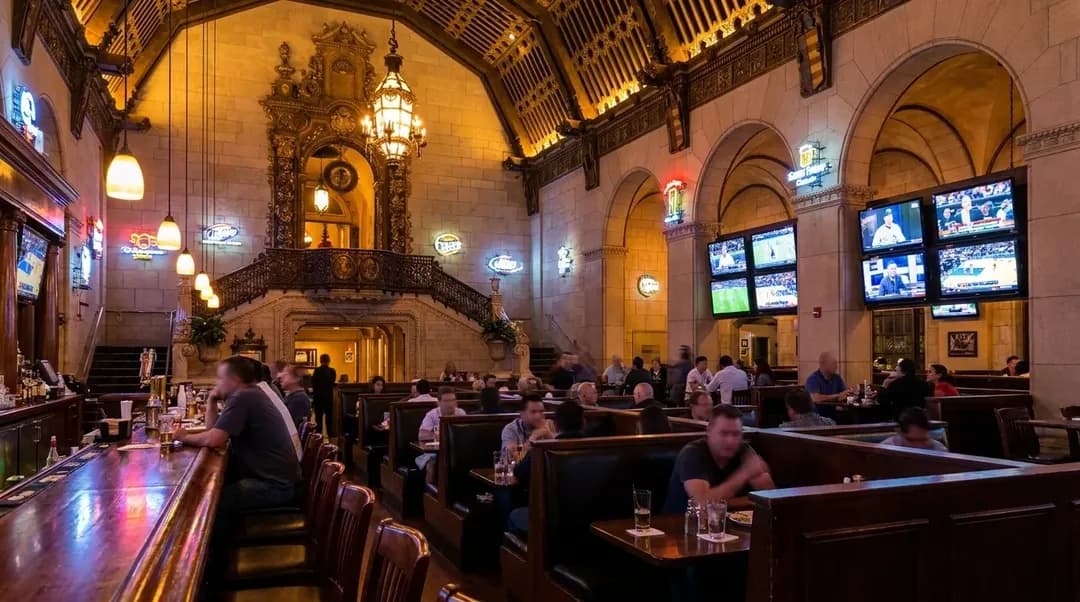
If you're going to a bar, call ahead or check their social media the afternoon of the fight to confirm they're showing UFC 333 and whether they're taking reservations. Some Culver City spots fill early for big cards and stop seating once capacity hits. If you're planning to eat, order food during the prelims—kitchens get slammed once the main card starts, and ticket times stretch to forty minutes. Arrive before the prelims end if you want a sight line to the main screens. The good seats—booths with a direct view, bar stools near the center screens—go to people who show up at 6:30, not 8:00.
If you're staying home, test your streaming setup before the event starts. Nothing kills the vibe faster than fighting with a login screen while the walkouts are happening. Make sure your internet can handle the resolution you want—LA's older apartment buildings sometimes throttle during peak hours, and a buffering main event is worse than no main event. If you're inviting people over, tell them a specific arrival time and mean it. Staggered arrivals turn a watch party into a reception line.
For either option, think about the exit. If you're at a bar in Culver City, the lot empties slowly after a big fight, and ride-share prices spike. If you drove, you're sitting in your car for ten minutes waiting to merge onto Venice Boulevard. If you took the Metro, check the last train time—the Expo Line's weekend schedule tapers after midnight, and if the main event runs late, you might be waiting thirty minutes on the platform. If you're home, the exit is easy, but the night ends abruptly. You turn off the TV and that's it. Some people prefer that. Others miss the slow decompression of a walk back to the car, the post-fight recap with strangers at the crosswalk.
The decision isn't about which option is objectively better. It's about what you're willing to trade. Going out for UFC 333 in LA trades time and money for atmosphere and the feeling that you were part of something happening in real time. Staying in trades that communal energy for control and convenience. Both work. Neither is wrong. The only mistake is choosing one and spending the night wishing you'd picked the other.
Practical notes
- Westside traffic peaks 6–8 p.m. on fight nights; add 20 minutes to any map estimate if you're crossing town.
- Street parking in Culver City near sports bars is free but competitive after 6:30 p.m.; city lots run $6 for the evening.
- Expo Line runs late on weekends, but the last train from Culver City can be as early as 12:30 a.m.—check the schedule if the card runs long.
- Most bars don't charge a cover for UFC events, but they expect consistent orders; budget $30–$60 per person for drinks and food.
- If staying home, test your streaming setup an hour before the prelims start to avoid login or buffering issues during the main card.
- Call ahead the afternoon of UFC 333 to confirm the venue is showing the fight and whether they're holding tables.
Tags: #karpo #losangeles #culvercity #ufc333 #fightnight #sportsbar #latraffic #expoline #volkanovski #mmanight #westsidela #lametro #coffeeanddessert #laparking #nightoutla
Sources consulted: Metro Expo Line schedule · City of Culver City parking · UFC official event info
All trademarks are the property of their respective owners.
Ask Karpo first
Text Karpo before you leave to check live crowd levels at sports bars showing UFC 333, compare drive time versus Metro timing from your starting point, and get parking options that won't leave you circling during the prelims. It'll also hold a backup venue if your first choice is packed and route you home after the main event without the usual post-fight gridlock.
Ask Karpo for more information.
Keep reading
- Lomita Japanese Bakery Cream Pan: $16 Strawberry Croissants
 Pasadena Japanese Bakery Wa-Iro: Hokkaido Flour Salt Rolls
 Gardena Japanese Bakery Nagomi Cake House: $5.50 Slices