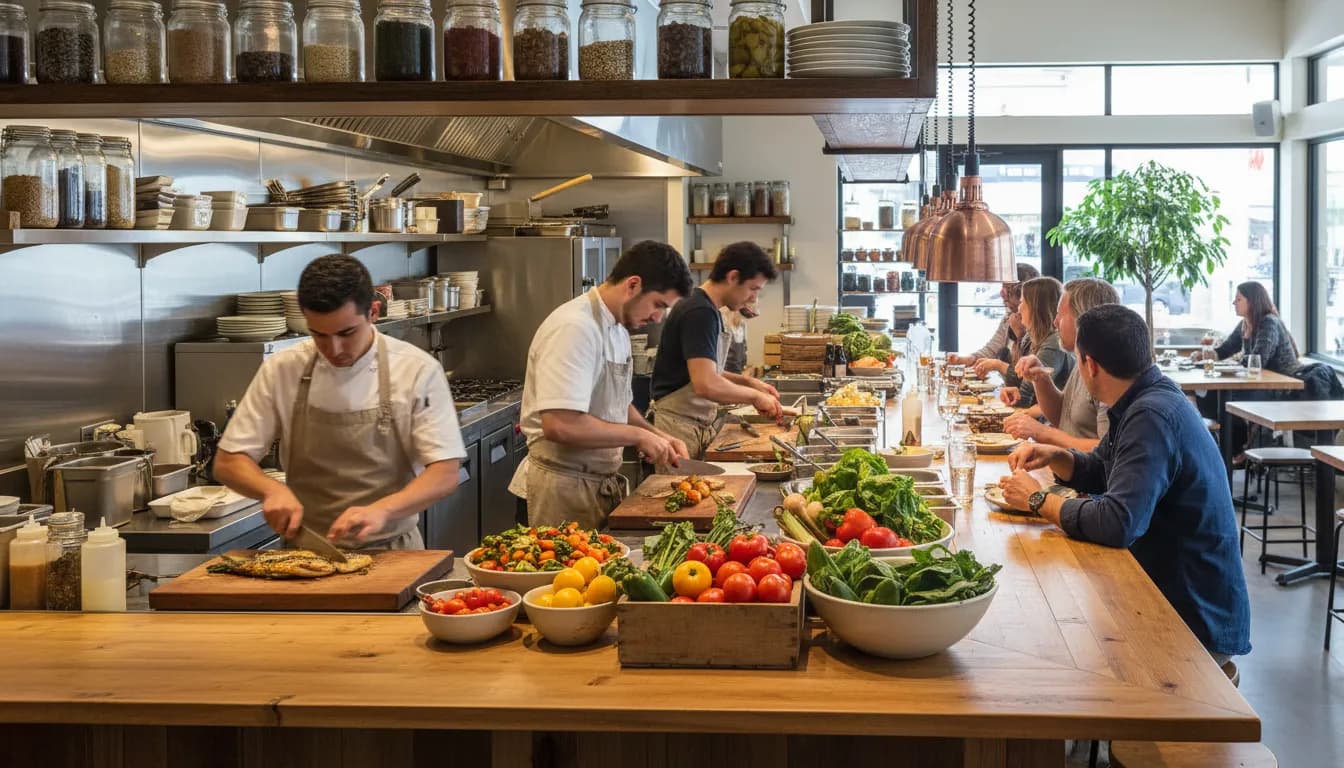
Los Angeles boasts a rich culinary landscape, attracting food lovers eager to savor flavors rooted in freshness and wholesomeness. Yet, the prevalence of ultra processed food in many eateries can pose challenges for those prioritizing health. This guide explores how to recognize restaurants that minimize ultra processed food, favoring natural, locally sourced ingredients instead. From bustling downtown spots to charming neighborhoods, you'll find insights on where to seek out authentic farm-to-table experiences and how to reach them efficiently. Whether you're a local or visiting, this article helps you make empowered dining choices that align with your wellness goals in LA’s dynamic restaurant scene.
Let’s dive into the best ways to spot dining spots that serve meals with integrity and fewer processed additives. Your palate and body will thank you.

Understanding Ultra Processed Foods in LA Dining
Ultra processed food, often laden with additives, preservatives, and artificial flavors, can diminish the nutritional value of meals. In Los Angeles, where food culture spans from street vendors to upscale restaurants, awareness around these ingredients is growing. Many diners seek transparency and quality, demanding meals that nourish rather than simply fill.
Restaurants that minimize ultra processed food usually highlight fresh produce, whole grains, and proteins prepared without heavy industrial processing. This approach often reflects a commitment to local sourcing, seasonal menus, and culinary techniques that preserve natural flavors. Knowing what ultra processed food entails helps you ask the right questions and read menus with a critical eye.
In LA’s context, avoiding ultra processed food doesn’t mean sacrificing taste or convenience. Instead, it invites diners to explore vibrant farm-to-table options and establishments where ingredient integrity is paramount. Awareness is your first step to enjoying healthier dining experiences in this diverse city.
Farm-to-Table Neighborhoods Emphasizing Fresh Ingredients
Certain LA neighborhoods are renowned for restaurants with a strong farm-to-table philosophy, reducing reliance on ultra processed food. Areas like Silver Lake, Venice, and the Arts District consistently present eateries prioritizing organic, locally sourced ingredients. These locales also foster a community atmosphere that encourages chefs to innovate with fresh produce.
Dining in these neighborhoods means you often encounter menus that change seasonally, reflecting availability and quality. Many establishments openly share their sourcing stories, inviting patrons to connect with food origins. This transparency reinforces trust and promotes healthier choices.
Exploring these communities also offers the chance to visit local farmers’ markets and specialty food shops, complementing your dining experience. From handcrafted breads to freshly caught seafood, these neighborhoods provide a vibrant backdrop for mindful eating.
Identifying Menus That Limit Processed Components
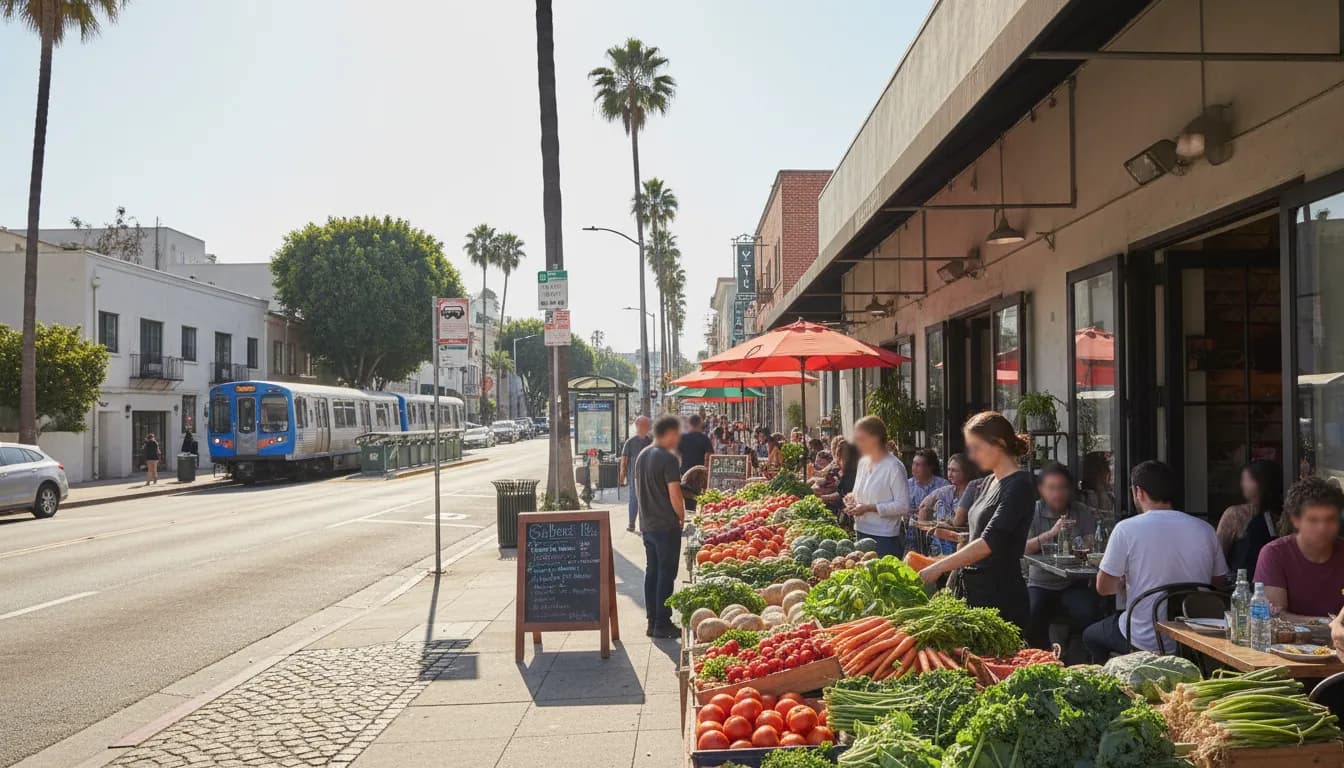
When choosing where to dine, look for menus that emphasize whole ingredients like vegetables, whole grains, and unrefined proteins. Avoid descriptions heavy on artificial flavors, pre-packaged items, or ambiguous terms such as 'flavorings' and 'preservatives.' Many health-conscious restaurants highlight their partnerships with local farms or organic producers.
Another sign is the presence of clearly defined cooking methods that emphasize freshness — such as roasting, grilling, or steaming — rather than deep-frying or microwaving pre-prepared meals. Restaurants that promote sustainability and environmental responsibility often align with reduced use of ultra processed foods.
Customer reviews can also offer insights. Diners appreciative of genuine flavors and ingredient quality often mention the freshness and thoughtful preparation of their meals. Combining menu scrutiny with community feedback helps you confidently select spots that prioritize your health.
Navigating LA Transit to Access Quality Restaurants
Los Angeles’s expansive metro and bus systems provide access to many farm-to-table neighborhoods. The Metro Rail’s Red Line serves downtown and the Arts District, while the Expo Line offers a direct route to Venice and Culver City. Utilizing public transit reduces carbon footprint and often eases parking hassles in busy areas.
Planning your trip using LA Metro’s official site ensures up-to-date schedules and route options. For example, Silver Lake is conveniently accessible via Metro’s bus lines connecting with the Red Line. Timing your visit during off-peak hours often results in a more relaxed dining experience.
Many restaurants are within walking distance from transit stops, but some neighborhoods benefit from bike-share programs or rideshare options for last-mile connectivity. Combining transit with active travel methods enhances your overall health-oriented outing.
Communicating Dietary Needs for Safe Dining
While many Los Angeles restaurants strive to minimize ultra processed food, individual dietary needs require proactive communication. Always inform staff about allergies, intolerances, or specific ingredient concerns to ensure they can accommodate your requests safely.
As menu terminology can sometimes obscure the presence of certain additives or processing methods, don’t hesitate to ask chefs or managers about ingredient sourcing and preparation. Many establishments are proud to discuss their practices and will gladly customize meals when possible.
Remember, your health and safety are paramount. Even when selecting restaurants known for fresh, whole ingredients, confirming details with staff provides peace of mind and helps maintain a positive dining experience without surprises.
Navigating Neighborhood Choices and Transit for Fresh Eats
When seeking restaurants in Los Angeles that focus on fresh, minimally processed ingredients, comparing neighborhood options can greatly enhance your dining experience. Areas like Silver Lake and Venice Beach boast a concentration of farm-to-table eateries known for transparent sourcing and seasonal menus. Verifying freshness is easier here as many venues display local farm partnerships or daily harvest details on their menus. Checking the latest reviews and restaurant social media can provide real-time insights into ingredient quality and any recent menu changes, helping you make informed decisions that align with your health goals.
Accessibility and timing are crucial factors when planning your visit to these neighborhoods. Public transit options such as the Metro lines and frequent bus routes provide convenient access without the stress of parking, though weekend service may vary, so planning ahead is advisable. Budget considerations also come into play; farm-to-table establishments often price dishes to reflect ingredient quality, so anticipating a moderate to high spend ensures a smoother experience. In case of inclement weather or transit delays, having fallback venues within walking distance or ride-share accessibility enhances flexibility, enabling you to stick to your commitment to avoid ultra processed food without disruption.
Practical notes
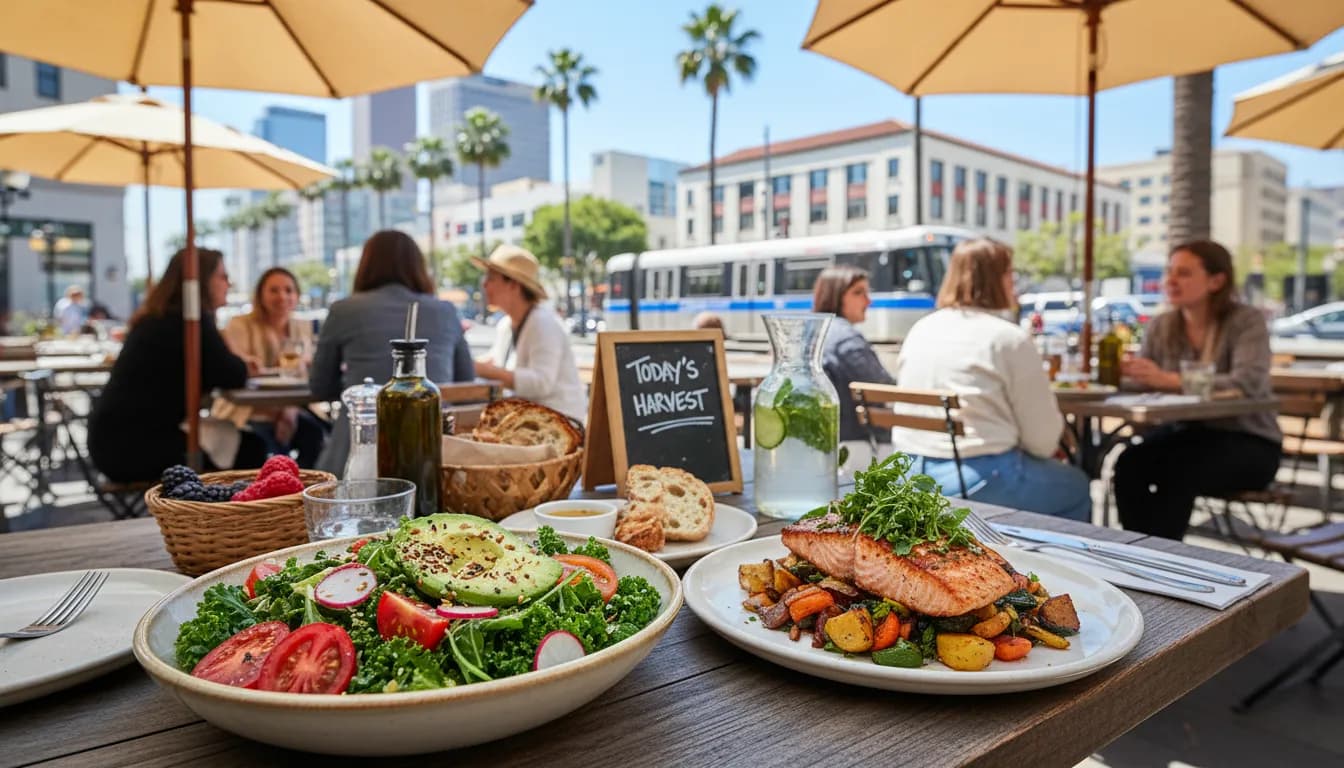
Los Angeles offers year-round mild weather conducive to exploring diverse neighborhoods known for fresh, minimally processed food options. Budget-wise, farm-to-table dining can vary from affordable cafés to upscale eateries; checking menus and reviews beforehand helps align expectations. Accessibility varies by area, but many restaurants comply with ADA standards; call ahead if needed. When using public transit, verify schedules on the LA Metro website to avoid delays, especially during weekends or holidays. For those consuming alcohol, remember California’s legal age is 21—plan responsibly and consider rideshare or public transit for safe travel.
Tags: #LosAngeles #LAfood #Healthyeating #FarmtoTable #FreshIngredients #CleanEating #EatLocal #SustainableDining #UrbanFoodies #LARestaurants #NaturalFood #TransitFriendly #MindfulEating #FoodTransparency #LocalFarms
Sources consulted: LA Metro · Discover Los Angeles · LA City Parks
All trademarks are the property of their respective owners.
Ask Karpo first
If you’re planning your next meal in Los Angeles and want to avoid ultra processed food, Ask Karpo first. We’re here to help you find the freshest, healthiest dining options tailored to your tastes and needs in this sprawling city.


