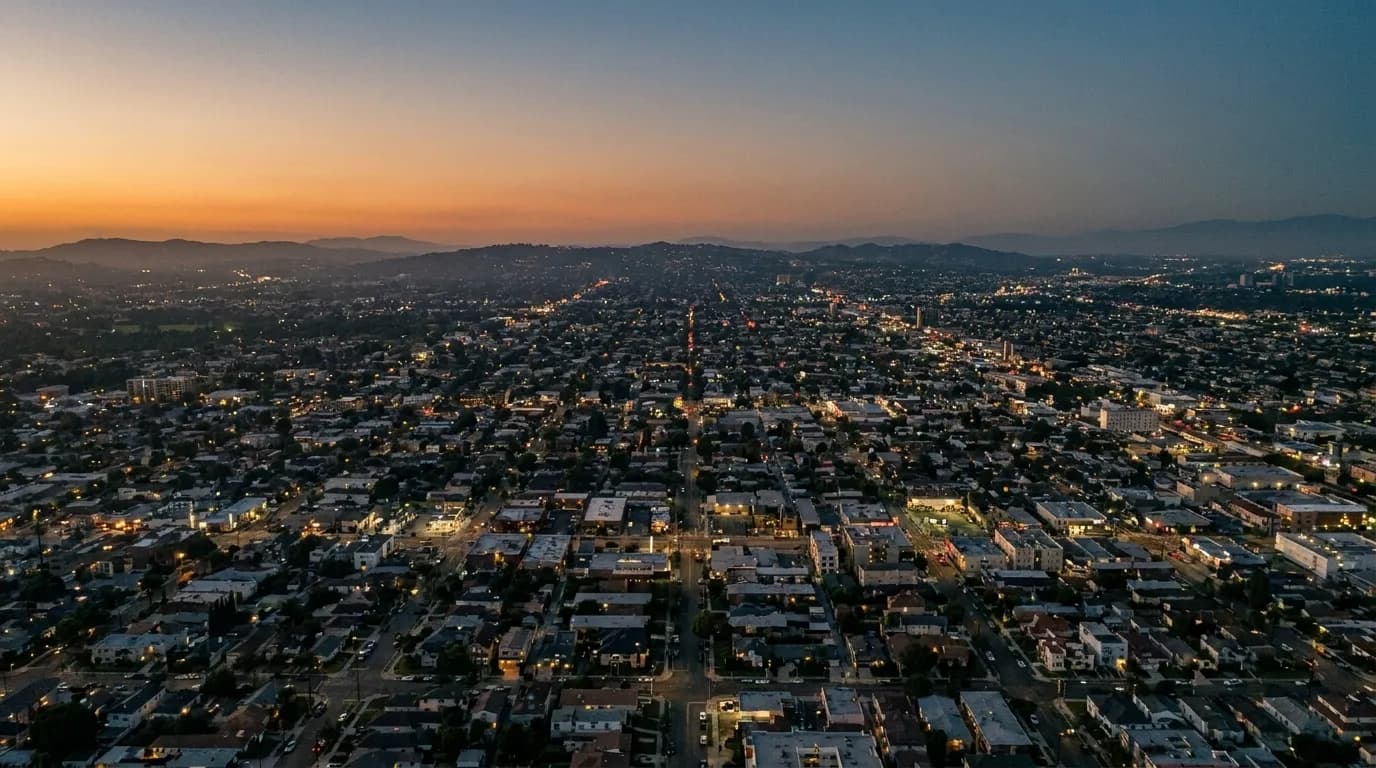
Ramen in Los Angeles is not one scene but four or five, separated by twenty minutes of driving and by fairly distinct traditions. The queues are real and they are also local — the wait at a counter in Little Tokyo, on Sawtelle, in Torrance or in the valley reflects that neighbourhood's demand rather than any citywide ranking. Working out where the best ramen in Los Angeles is means first working out which of these clusters you are willing to drive to.
The queue depends on the neighbourhood, not the ranking. Ask Karpo which counters near you are seating quickly right now.
The clusters, and what each is known for
Little Tokyo and the surrounding downtown blocks hold the highest concentration and the widest range, from long-established shops to newer arrivals. It is the most walkable of the clusters, which means you can queue at one and move to another four minutes away — a genuine advantage nowhere else in the county offers.
Sawtelle on the westside is the second, dense with noodle shops and the associated Japanese restaurants, and consistently busy because it serves both a residential population and the university nearby. Torrance and the South Bay hold several of the most respected counters in the region, including branches of Japanese chains that opened here first. And the valley, particularly the Sherman Oaks and Studio City stretch, has a solid and under-discussed set.
What the queue is actually measuring
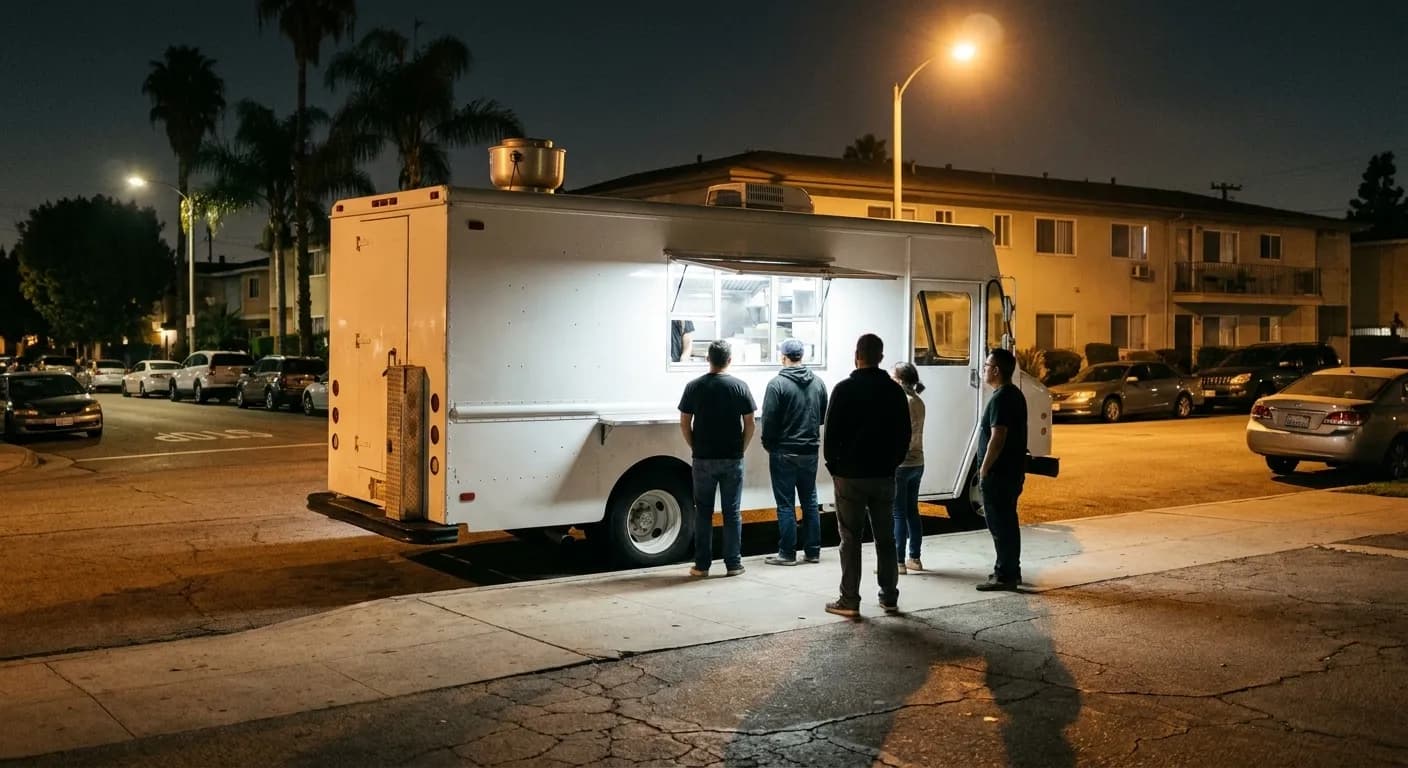
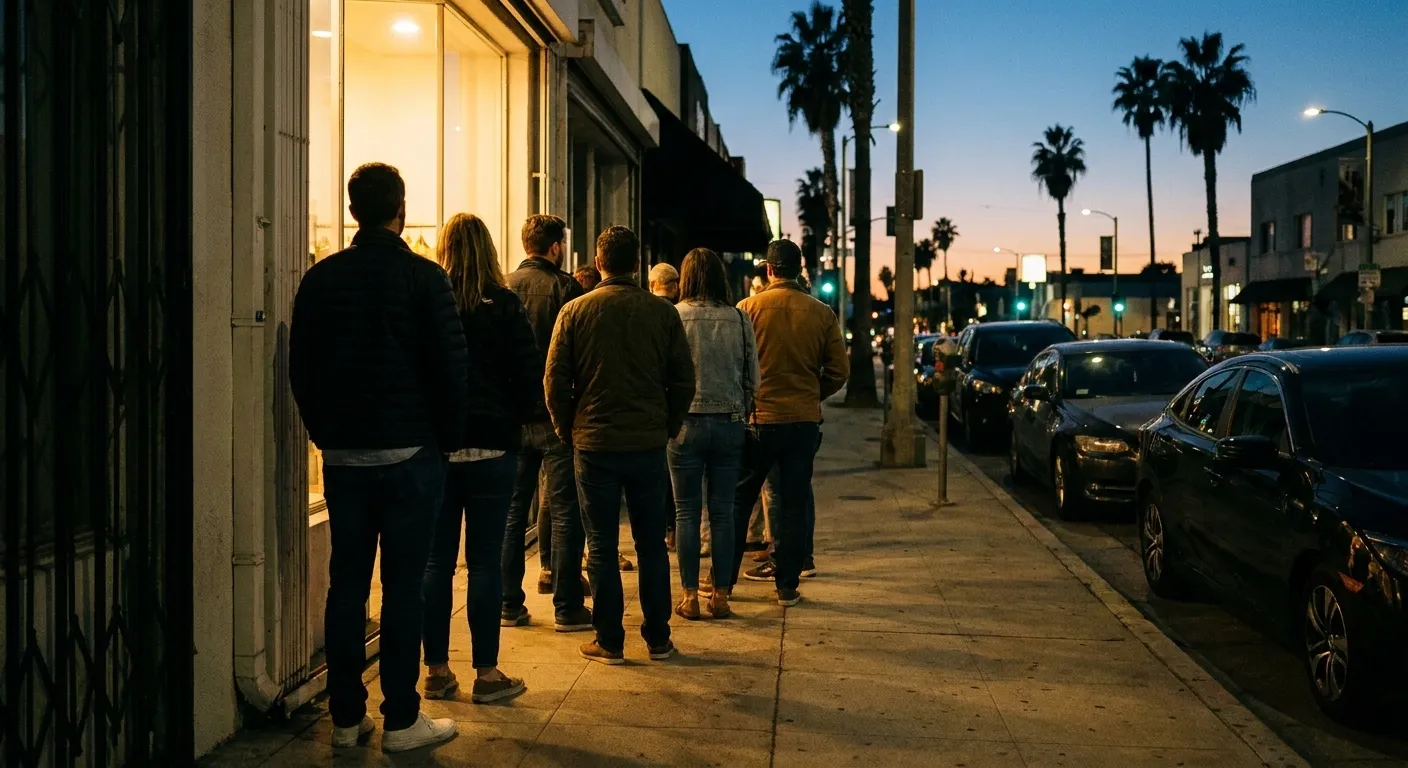
Seat count more than quality. These are ten to twenty-stool rooms, and a shop with a modest reputation and twelve seats will have a longer line than an excellent one with forty. It also measures the hour: ramen demand here is sharply peaked at lunch and again between six thirty and eight, and outside those windows the same shop is half empty.
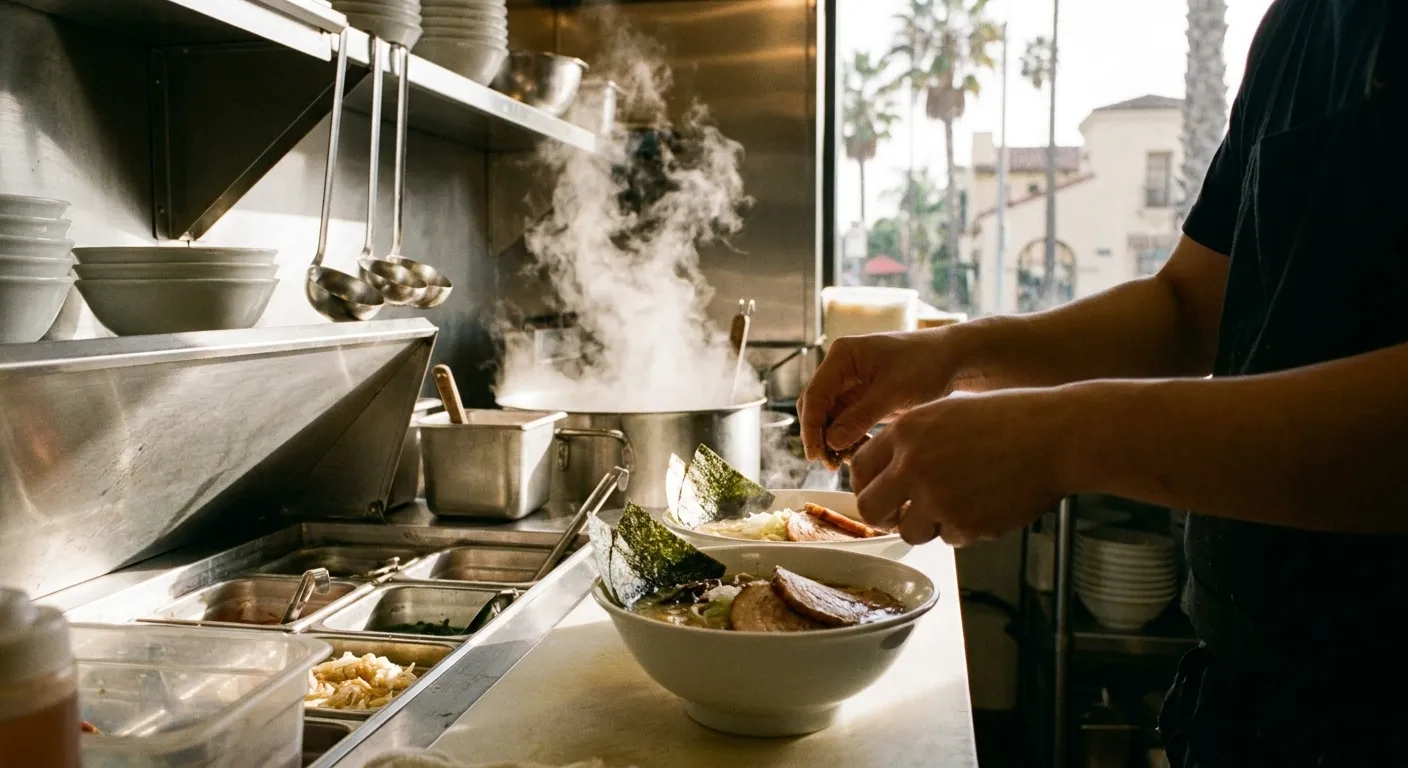
The third thing it measures is proximity to somewhere people already are — a mall, a cinema, a busy shopping street. A counter attached to foot traffic queues regardless of merit, which is why the shops on quieter blocks two minutes away are frequently both better and immediately available.
Timing that removes the wait
Eleven thirty or two at lunch; five thirty or eight forty-five at dinner. These are not tricks, they are simply the hours when the rooms are not full, and they convert a forty-minute wait into walking straight in at effectively every counter in the county. Given that a bowl takes twenty minutes to eat, the shifted hour is a good trade.
Rain helps enormously here for the same reason it does everywhere — the queueing happens outside. A wet Tuesday is the single best time to eat at the most contested counters in this city, and there are not many of those days, so it is worth using them.
Waitlists and the multi-shop approach
Several of the busier counters run a digital waitlist, and using it is the difference between standing on a pavement and sitting somewhere else until your table is ready. In Little Tokyo and on Sawtelle, where multiple shops sit within a few minutes' walk, joining two lists and taking whichever comes first is normal and reduces the expected wait considerably.
Parking is the constraint that people forget to include. A twenty-minute queue at a shop with a validated structure is a shorter total commitment than a five-minute queue at one where you circle for fifteen minutes looking for a space. In this city the parking situation is part of the wait, and factoring it in changes which counter is actually the fastest.
Reading a counter once you are inside
Noodles first. Firm, with a definite bite, cooked to order and ideally made in-house or sourced from a specialist. A shop that gets the noodles right and the broth merely good makes a better bowl than the reverse, which is not how most people rank ramen and is nonetheless true.
Then the tare and the fat — the seasoning base in the bottom of the bowl and the aromatic oil on top. These are where a kitchen's personality lives, and a broth that tastes flat despite being rich usually means an underdeveloped tare. And the egg: properly cured, jammy in the centre, seasoned through rather than just soaked.
Ordering and etiquette
Decide before you sit. Counters here turn on volume and the ten minutes spent reading a menu at a seat is ten minutes somebody outside is standing in the cold. Eat at a reasonable pace and do not linger over an empty bowl when there is a line — the shops that stay open late and keep prices sane are the ones whose customers understand this.
Order the shop's signature rather than the thing you always get. Most counters here do one bowl properly and three as insurance, and the signature is the one the kitchen is built around. Asking which one they are known for gets an honest answer and a better dinner, and it is a much better use of the queue than reading reviews in it.
The shops without queues
Every one of these clusters contains counters that are as good as the famous ones and have seats, and they are found by walking one block off the busy street. They tend to be older, plainer, and to have never courted attention, and they are frequently run by the same people who have been at it for fifteen years.
This is the most useful habit available in this category: when the queue at the shop you came for is thirty deep, do not join it and do not go home. Walk two minutes in any direction and try the counter with four people in it. In this city that gamble pays off far more often than it fails, and it is how most people find the shop they end up going to every month.
Tags: #LosAngeles #RamenLA #BestRamenLA #LittleTokyo #Sawtelle #Torrance #TheValley #LAEats #NoodleShop #NeighbourhoodGuide #SoCal #LAFood #RamenCounter
All trademarks are the property of their respective owners.
Ask Karpo first
Ask Karpo which ramen counters near you in Los Angeles have a wait right now, which run a remote waitlist, and where parking is easiest.