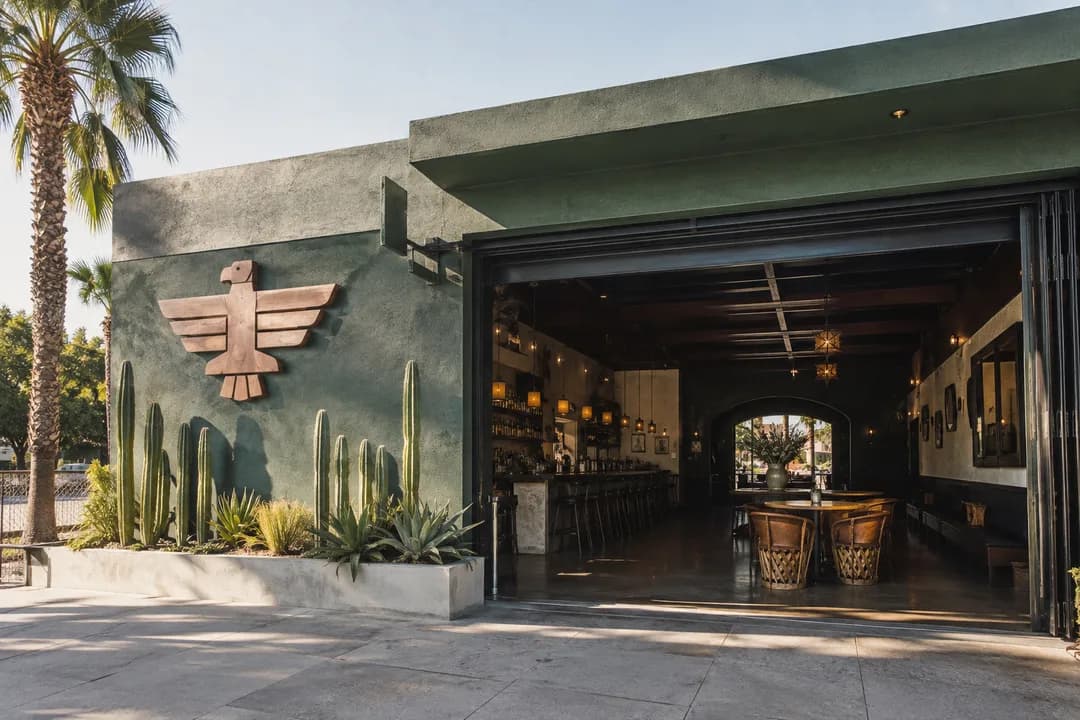
 Shuffleboard Bar Near Me in Los Angeles: Thunderbird Westside Guide
Bars & Nights Out
West Hollywood Live Music Near Me: A Night at The Troubadour
The Troubadour remains one of Los Angeles's essential live-music rooms, where close-range sound and a storied stage shape the whole night.
The room is intimate enough to make a new act feel immediate and established enough to carry the weight of its history without turning the evening into a museum visit. Its story is written into the proportions of the room: the stage is close, the crowd gathers with purpose, and the best view is usually earned by arriving ready to pay attention. The useful distinction is between visiting for the headline and staying long enough to notice the room's rhythm. Give the first order or first song time to land, pay attention to how regulars move through the experience, and leave a little space for an unplanned nearby stop. That extra margin turns a venue recommendation into a complete Los Angeles outing. It also makes the advice reusable: the right arrival window, the best companion, and the route home can matter as much as the famous item itself. Keep a short note about what worked so your next visit can be more specific.
Open the Karpo APP to plan timing, nearby stops, and a practical route around The Troubadour.
Why The Troubadour belongs on your Los Angeles list
Its story is written into the proportions of the room: the stage is close, the crowd gathers with purpose, and the best view is usually earned by arriving ready to pay attention. The most useful way to approach the room is to treat it as a living part of Los Angeles rather than a checklist stop. Look at the details around you: the furniture, the sound level, the way regulars order, and the small habits that make the venue feel settled in its neighborhood. Those details are often more revealing than a polished description. Come with one clear reason for visiting, then leave enough room for the place to surprise you. A good first visit should answer the basic question—what makes this venue itself?—while also giving you a reason to return at a different hour or with a different group.
What to order or do first
Keep food simple before the set and treat the show as the centerpiece; a nearby drink or quick bite works better than trying to turn the venue into a long dinner reservation. Start with the item or ritual that best explains the venue's personality, then add one contrast rather than ordering every famous thing at once. That keeps the meal or night readable and gives you a useful baseline for a second visit. Ask a server or bartender for guidance when the menu feels broad; a focused question about spice, texture, size, or pacing usually gets a better answer than asking for the single most popular item. Share when sharing makes sense, but do not turn the table into a performance. The goal is to notice what the kitchen or room does especially well, not to collect proof that you ordered enough.
Timing, lines, and room etiquette

Check the current ticket, door, and set details, then arrive with enough margin for lines and security rather than timing your entrance to the first note. Los Angeles schedules can change with concerts, neighborhood events, and the season, so confirm current hours and reservation details before leaving. Arrive with a plan for the first fifteen minutes: where you will wait, whether everyone in your party must be present, and whether you need a backup nearby. Inside, follow the room's tempo. At a counter, have your order ready; at a full-service table, let the staff set the pace. If you are visiting a legendary room, remember that regulars are part of its character. Be decisive, be gracious, and do not block the entrance while you decide what happens next.
A neighborhood walk to pair with it
Make the night a West Hollywood loop with a pre-show coffee or post-show snack, keeping the route compact so the concert remains the emotional center. Build the outing as a short neighborhood loop instead of a single pin on a map. Before the reservation, use the surrounding blocks to settle into the area's visual rhythm; afterward, choose a route that matches the energy of the meal or show. A ten-minute walk may be enough after a rich dinner, while a longer loop can turn a pre-show drink into a full evening. Karpo APP is useful here because it can connect the venue to a nearby coffee, bookstore, gallery, dessert stop, or quiet street without forcing you into a generic tourist itinerary.
Practical notes for a better visit
Wear comfortable shoes, bring only what the venue permits, and decide your meeting point before the crowd thickens; signal can be unreliable in a packed room. Keep the logistics simple and make the high-value choices early. Save the address and current service details, check the transportation plan, and decide whether the occasion calls for a reservation or a flexible walk-in. Dress for the room rather than for an imaginary version of it. If you are bringing visitors, explain the neighborhood and the venue's rhythm before you arrive; that turns uncertainty into anticipation. Most importantly, leave a little margin. The best Los Angeles evenings often include an unplanned extra stop, and a schedule packed to the minute leaves no space for it.
Why it stays worth returning to
The payoff changes with the bill. One night is about discovering a band, another about seeing a familiar artist in a room that still feels close enough to matter. The first visit gives you the headline, but repeat visits reveal the operating system: the quieter table, the better arrival window, the dish that works when shared, or the route that makes the whole neighborhood feel connected. That is the difference between consuming a recommendation and building local knowledge. Put The Troubadour on the itinerary when you want a specific Los Angeles experience, not just a dependable answer to where to go. Bring the right company, arrive with curiosity, and let the place do some of the storytelling.
Ask Karpo for more information.
Keep reading
- Shuffleboard Bar Near Me in Los Angeles: Thunderbird Westside Guide
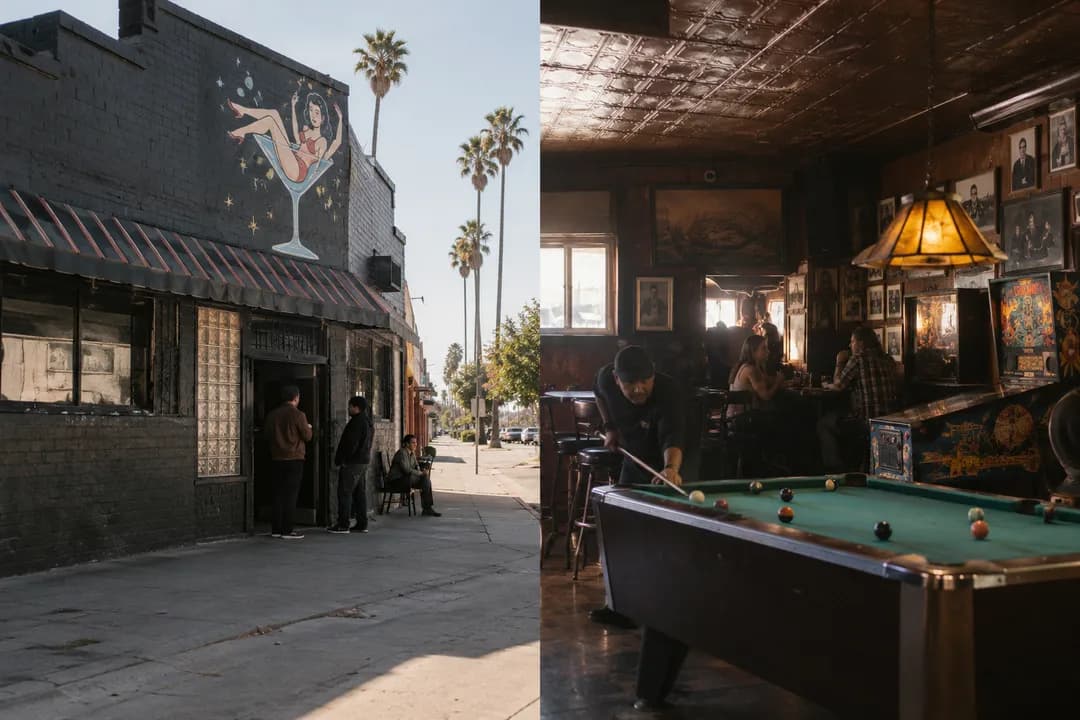 Shuffleboard Bar Near Me in Los Angeles: Tiny's Hi-Dive Westside
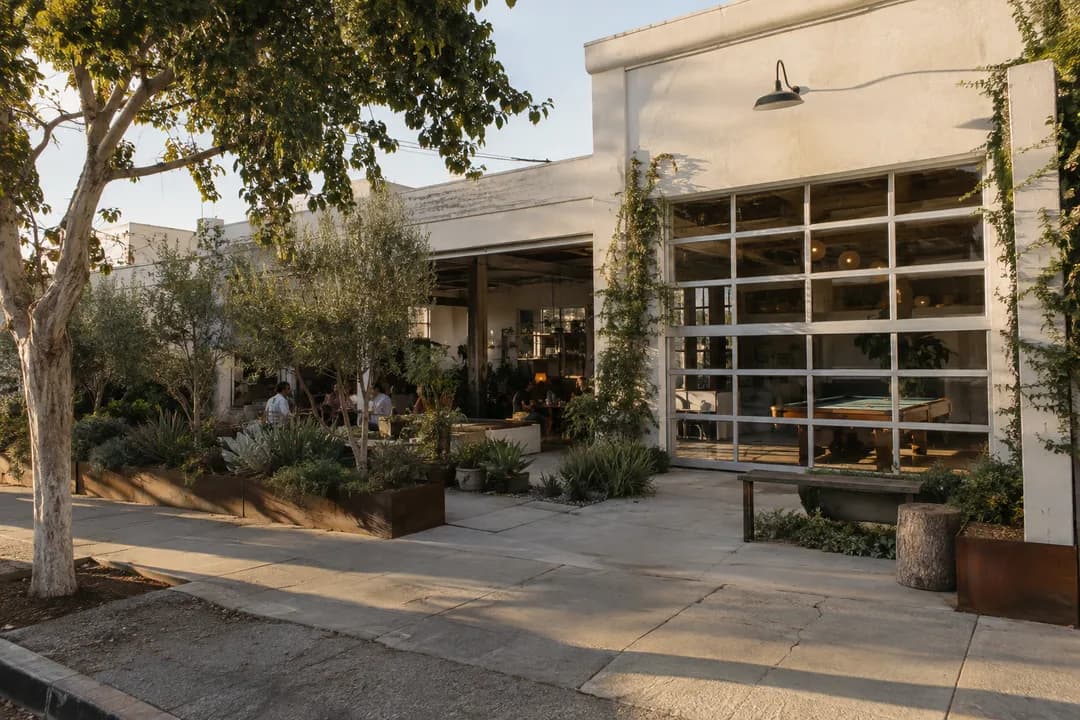 Shuffleboard Bar Near Me in Los Angeles: The Garage on Motor