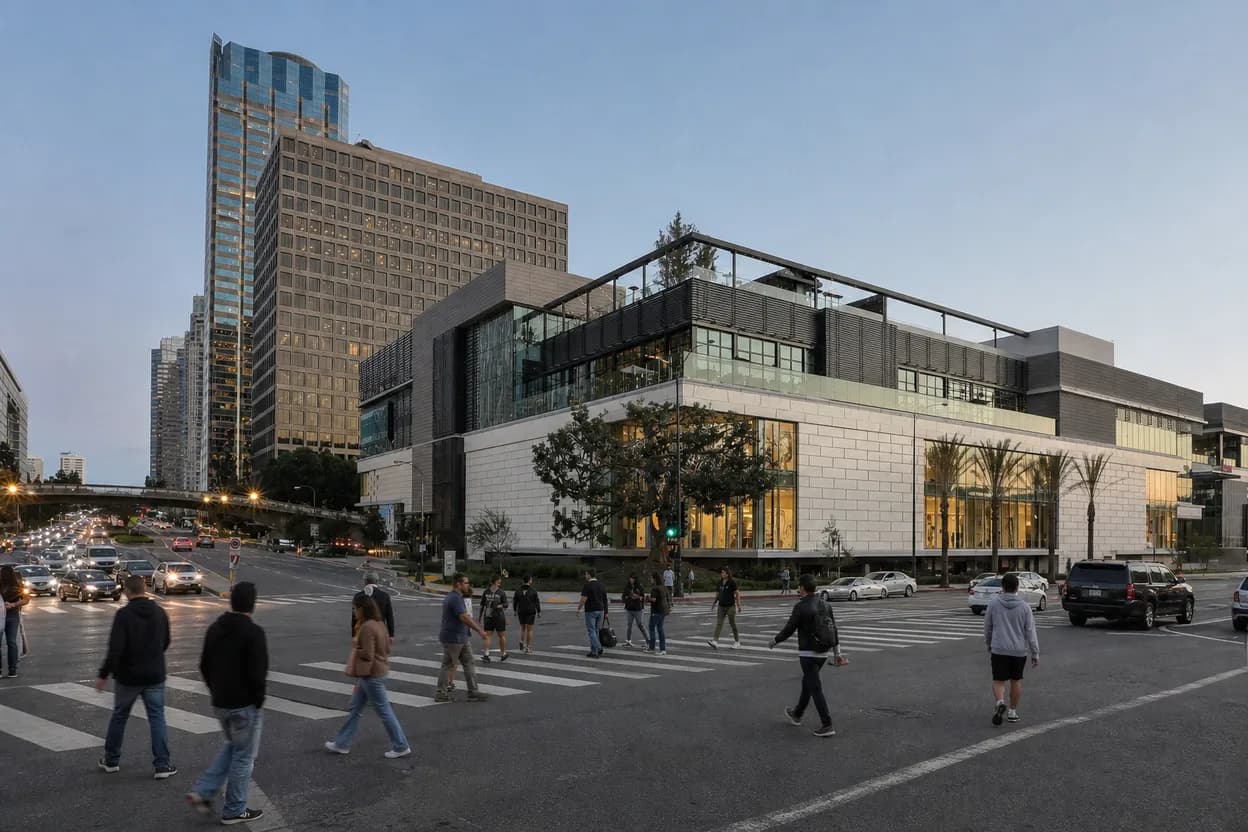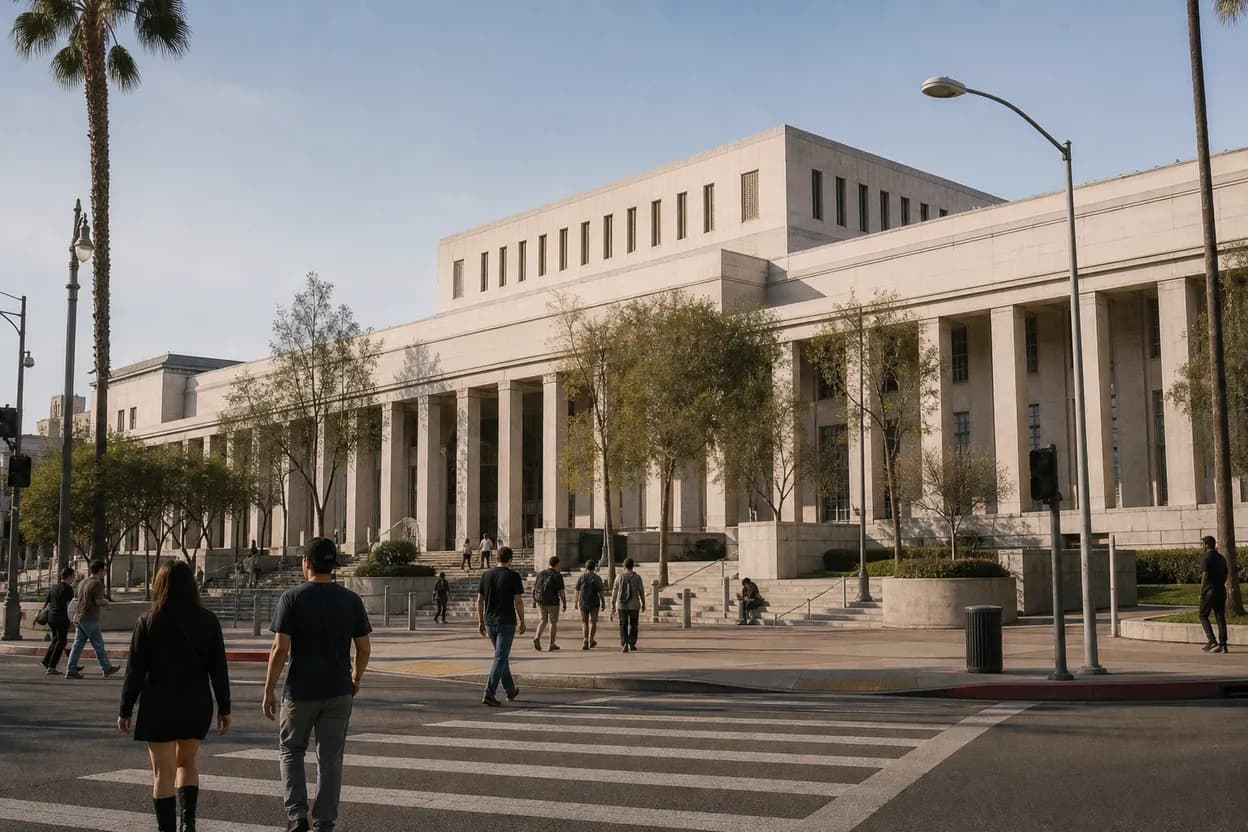
A political clip can travel from a livestream to a group chat before a student has opened the original source. In Los Angeles, the smarter back-to-school move is not to ban the conversation, but to slow it down somewhere built for verification. Central Library at 630 W. 5th Street gives students and parents a practical downtown base for checking claims, comparing commentary, and deciding what is worth sharing. On Thursday, August 6, 2026, the library lists weekday hours into the evening, which makes an after-school visit realistic. Treat hasan piker as the prompt, not the answer: the assignment is to separate primary evidence from reaction content.
Want a tighter downtown study route before you share the next political clip? Text Karpo for a Los Angeles Central Library check plan, transit backup, and source-comparison prompts.

Central Library Atrium Table For The First Clip
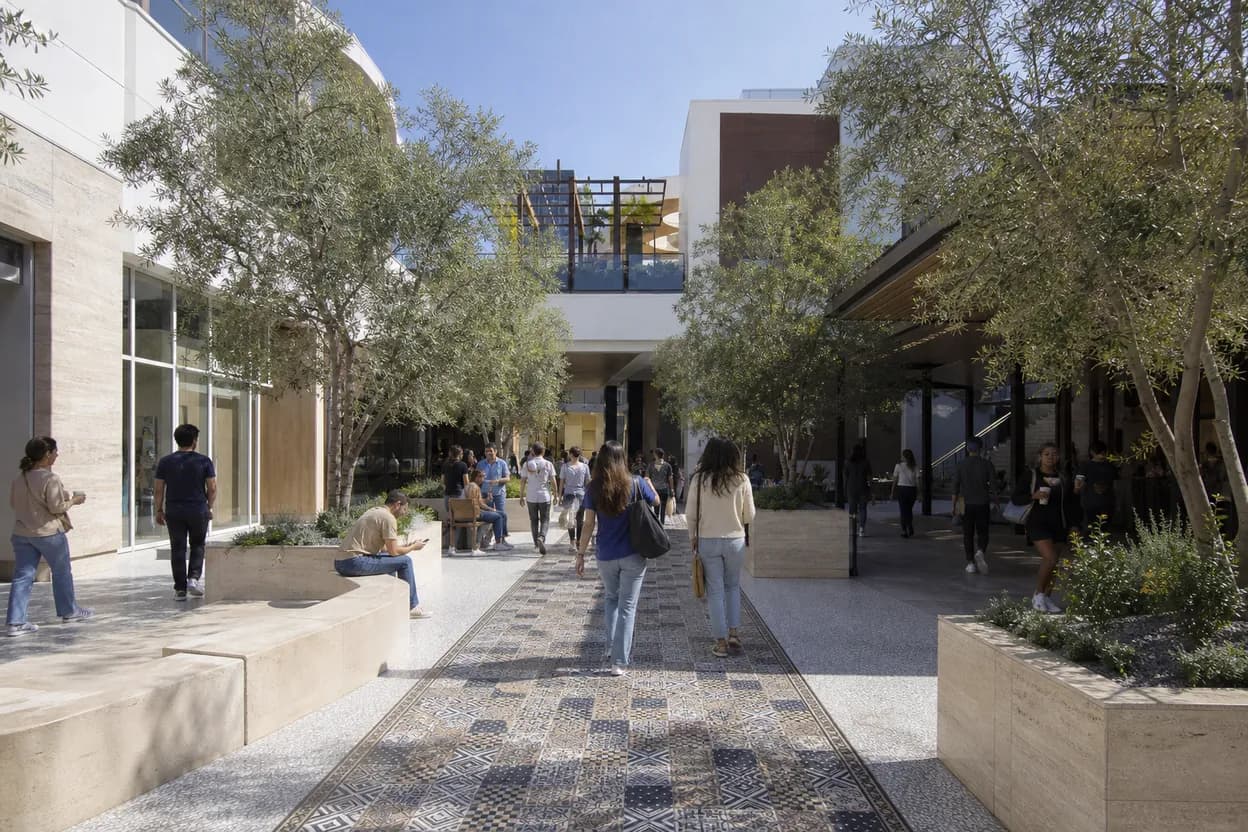
Start in the Central Library atrium or another open study area, then write down the exact claim the clip appears to make. Keep it plain: who is speaking, what happened, when it supposedly happened, and what evidence is shown on screen. This keeps the session from turning into a debate about personalities. A student can bring headphones, but a parent or classmate should read the transcript or captions separately before reacting.
The first failure mode is mistaking a stitched clip for the full exchange. If the video has edits, missing context, or a caption that adds a claim not spoken aloud, mark it as commentary until proven otherwise. Central Library’s size and seating make it useful for a two-person check, but popular areas can fill after school. If a table is not available, shift to a public computer, a subject department desk, or a quieter floor.
LAPL Research And Homework Page For Source Triage
Use the LAPL Research & Homework page as the backbone of the search, especially when the clip references policy, elections, courts, school rules, health claims, or international conflict. The library lists categories including newspapers, student sources, social studies and government, statistics, and U.S. government documents. Some resources are available from any computer with an LAPL card, while others require being inside a branch, so check access before promising a student they can finish from home.
A workable order is primary source first, reputable news second, commentary last. If a livestream references a bill, court filing, agency statement, or campaign result, look for the originating institution before searching social media reactions. Then use LAPL newspaper and periodical tools to see how multiple outlets describe the same event. The tradeoff is speed: this takes longer than scrolling, but it reduces the chance of repeating a misleading framing.
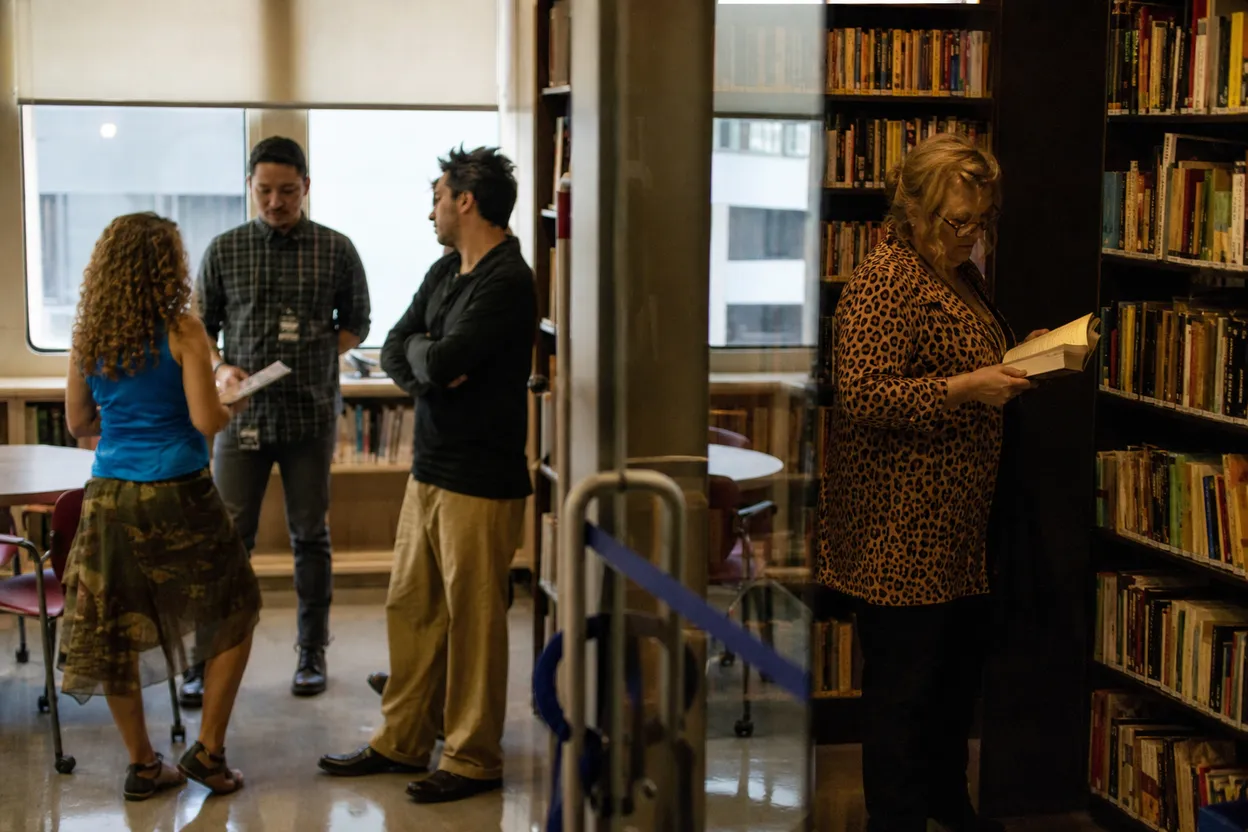
Pershing Square Station As The Transit Default
For many students heading downtown after school, Metro’s B and D Lines are the simplest rail anchor because they serve the downtown core and connect near Central Library through Pershing Square. Metro’s schedule page lists the B Line between Union Station and North Hollywood and the D Line between Union Station and Wilshire/La Cienega. Before leaving, check the current trip planner or service alerts, because rail work, delays, or station changes can affect the final walk.
The transit decision should account for heat, daylight, and attention span. On a hot Los Angeles afternoon, a shorter walk may matter more than the theoretically fastest route, especially with a parent carrying school bags or a student coming from practice. If the B or D Line is disrupted, use Metro’s current tools to compare nearby A, E, J, or bus options. Do not rely on last semester’s route if the visit is time-sensitive.
Library Card Login For Database Access
A library card changes the plan from casual browsing into actual research. LAPL’s database page marks many resources as available through the web with a library card, while some specialized tools are available only at a branch. Bring the card number and PIN, or leave time to ask staff what access is possible that day. If the student does not have a card, the session can still use public webpages, but the source range will be narrower.
Parents should resist turning the login step into a lecture. The useful move is to show how access changes the evidence available: a searchable news database, a reference source, or a student-oriented explainer can beat an algorithmic feed. If a database denies access, write down the title and the barrier. That becomes a practical backup note, not a dead end, and a librarian can often point to an alternate resource.
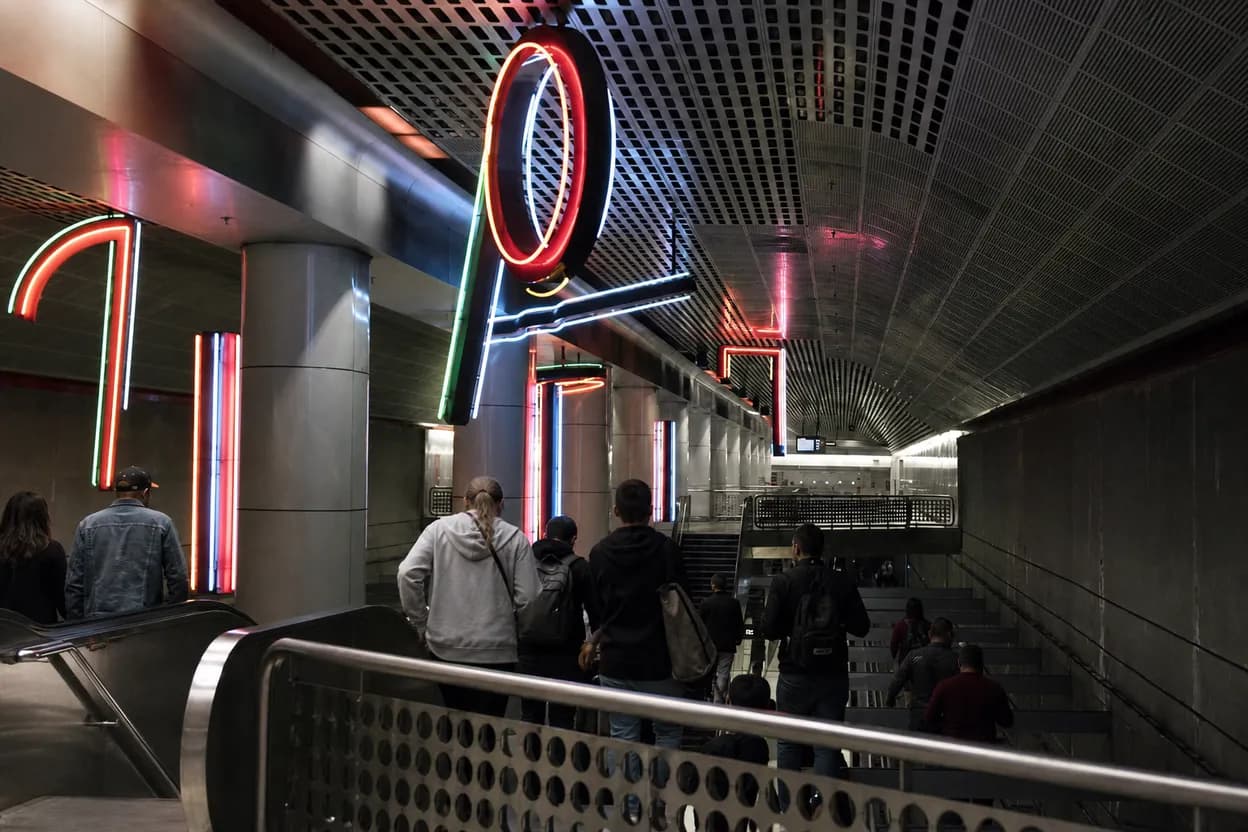
Teen'Scape Or Public Computers For Student Fit
Central Library lists Teen'Scape among its Central Library pages and public computers among branch services, which makes the venue useful for mixed student needs. A middle schooler may need a shorter, guided check of one claim; a high schooler can compare several sources and produce a short citation note. Keep the session to forty-five or sixty minutes unless it is attached to a real assignment, because media-literacy work gets worse when everyone is tired.
Accessibility matters in the pacing. Central Library lists Wi-Fi, public computers, ZoomText, mobile device charging, and low-vision service centers, so students should not have to rely only on a small phone screen. If reading dense articles is difficult, use captions, database abstracts, and librarian help to identify the main claim before digging deeper. The goal is not to finish every argument; it is to make one share-or-do-not-share decision responsibly.
Maguire Gardens Break Before The Second Pass
Build in a short reset at Maguire Gardens, the public park adjoining Central Library, before the second pass through the evidence. Political content is designed to reward fast certainty, and a break helps students notice whether they are defending a conclusion or checking a claim. Use the pause to ask one question: what would change your mind? If the answer is nothing, the session has become identity work, not research.
The second pass should look for absence as well as confirmation. If no primary source appears, say that clearly. If reputable outlets disagree, note what facts are shared and what interpretation differs. If the only available material is clipped commentary, the best decision may be to wait. That is a valid result for a back-to-school plan: not every viral moment deserves immediate reposting, especially when the topic involves politics or conflict.
Ask A Librarian Desk Before Posting
Before anyone posts a thread, shares a clip, or brings the claim to class, use LAPL’s Ask a Librarian option or an in-person service desk for a final source check. Ask a narrow question: where would I verify this policy, speech, court action, campaign statement, or news event? Librarians are not there to settle political arguments, but they can help identify stronger records, better databases, and search terms that avoid loaded wording.
The final action is simple: verify Central Library hours, room availability, database access, and Metro service on the day you go, then save the two strongest sources with dates. If anything important cannot be confirmed, say so in the post or do not share it. For a student or parent in Los Angeles, that habit is the real utility: fewer hot takes, more traceable evidence, and a cleaner way to discuss difficult news.
Tags: #AskKarpo #BeforeYouGo #LosAngeles #CentralLibrary #LAPL #MediaLiteracy #BackToSchool #StudentResearch #DowntownLA #CivicLearning #SourceCheck #MetroLA #TeenStudy #NewsLiteracy
Sources consulted: Source 1: lapl.org · Source 2: lapl.org · Source 3: metro.net · Source 4: newslit.org
All trademarks are the property of their respective owners.
Ask Karpo first
Tell Karpo your date, group size, budget, and starting point. We’ll check current access, timing, transit, and the cleanest Los Angeles plan for Los Angeles Public Library - Central Library before you head out.