 Vintage Furniture Store in Long Beach: Urban Americana Daily
Hidden Gems & Odd Finds
Erewhon Explained: How an LA Grocery Became a Status Symbol
A grocery chain charging $20 for smoothies became LA's most visible class marker—here's what you're actually paying for.
You're sitting in crawling traffic on La Brea, twenty minutes into what Google promised would be a twelve-minute trip, and someone in the passenger seat mentions stopping at Erewhon. If you've lived in Los Angeles long enough, you know this isn't just a grocery run—it's a cultural checkpoint, a place where organic produce costs what most people spend on dinner, and where being photographed holding a specific smoothie signals something about your tax bracket and your Instagram strategy. Erewhon started as a health-food store in Boston in 1966, landed in LA in the 1970s, and spent decades as a quiet macrobiotic shop before private equity and influencer culture turned it into the city's most visible class marker. The question isn't whether Erewhon is expensive—it demonstrably is—but whether you're going because you need something specific or because you want to be seen there.
Text Karpo before you make the drive to any Erewhon location. It'll confirm which store has the shortest wait, current parking availability, and whether that smoothie collaboration is still available—so you don't waste an hour in traffic for nothing.
What Erewhon actually is, and why it matters now
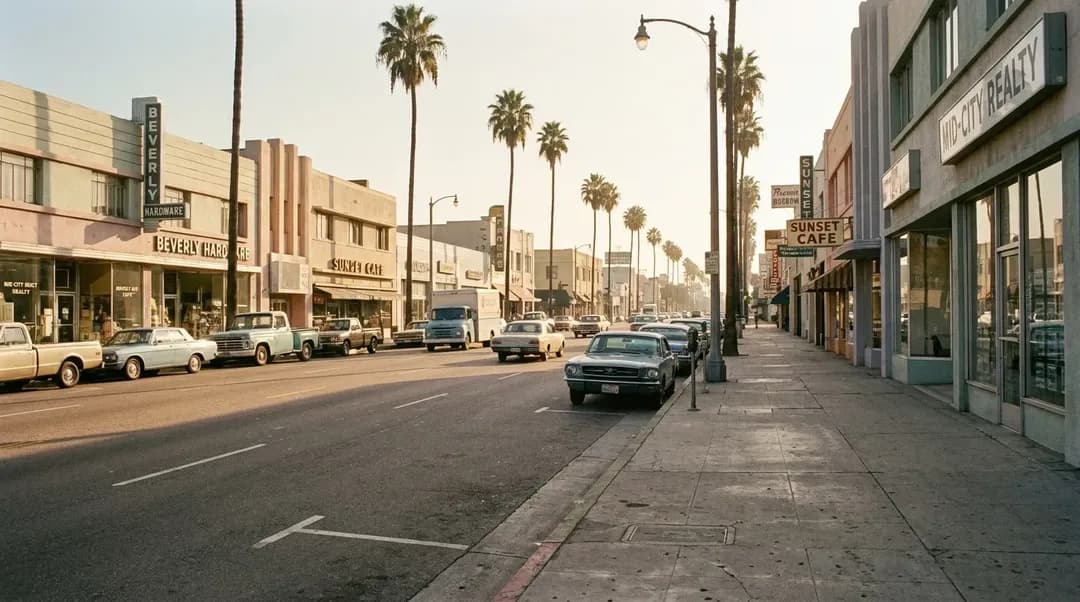
The original Erewhon Market on Beverly Boulevard still operates, but the chain now runs multiple locations across LA, each drawing a particular crowd. The Venice store on Pacific Avenue sees beach-adjacent wellness types and remote workers who treat the hot bar as an office cafeteria. The West Hollywood location on Beverly attracts the post-Equinox set and people who consider a $28 salad a reasonable Tuesday lunch. The Calabasas store functions as a town square for the San Fernando Valley's wealthier enclaves. What all these locations share is a layout designed to slow you down: prepared foods at the front, produce in the middle, packaged goods along the perimeter, every surface lit and styled to look like a set for a cooking show that never got picked up.
The Erewhon smoothie became the chain's signature product not because it tastes better than what you'd blend at home, but because it's expensive enough to photograph and post. Collaborations with celebrities and wellness brands—Hailey Bieber's strawberry-glaze skin smoothie, Bella Hadid's Kin Euphorics blend—turn a drink into a limited-time flex. These smoothies cost between $18 and $22, depending on add-ins, and the ritual of ordering one has become a minor genre of social content. You're not just buying adaptogens and collagen; you're buying proof you were there. The smoothie bar at most Erewhon locations runs a steady line from mid-morning through early evening, and if you're driving from Leimert Park or anywhere south of the 10, you're committing to at least an hour round-trip for a drink that will be gone in ten minutes.
The drive-time math and parking reality
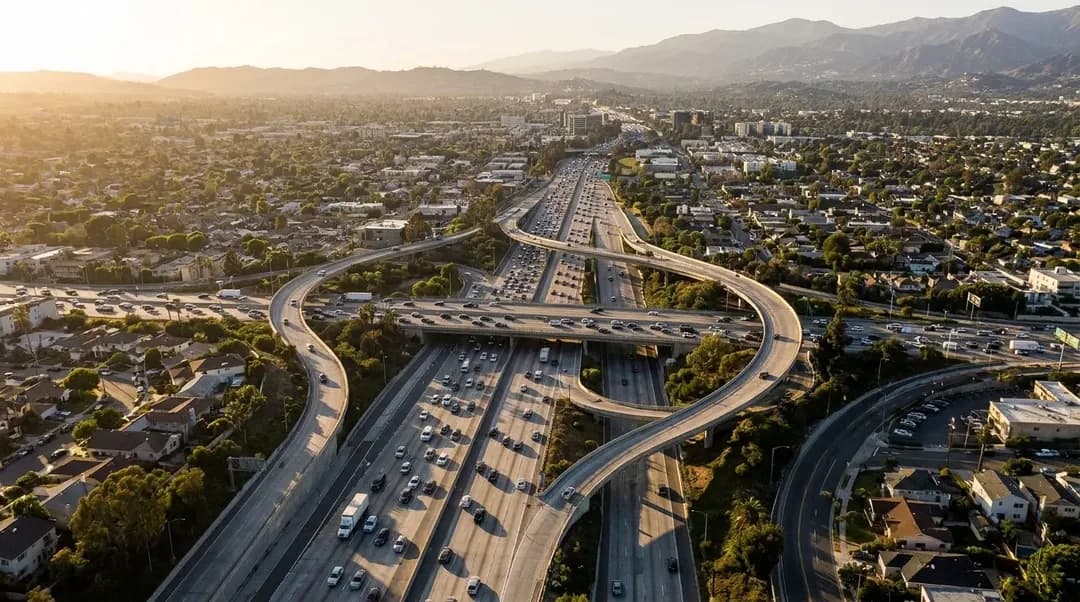
The nearest Erewhon to most of central and south LA is the Beverly Boulevard flagship, which sits west of La Brea in a stretch of the city where parking is theatrical. The store has a small underground lot that fills by 10 a.m. on weekends and stays full until after 7 p.m. Street parking on Beverly is metered, two-hour limits, and the surrounding residential blocks have permit zones that get enforced. If you're coming from Leimert Park or Inglewood, you're looking at 35 to 50 minutes depending on time of day—the 10 to La Cienega to surface streets is faster than it looks on a map, but La Brea southbound between Wilshire and Olympic becomes a parking lot every weekday between 4 and 7 p.m. The Venice location has more accessible parking but adds another fifteen minutes if you're starting from mid-city, and Pacific Avenue near Rose moves slowly any time the weather's decent.
There is no practical Metro route to most Erewhon locations. The Purple Line stops at Wilshire and La Brea, which puts you a ten-minute walk from the Beverly store, but if you're carrying groceries back on the train, you've chosen a harder path than driving. The other stores—Venice, West Hollywood, Calabasas, Pacific Palisades, Studio City—are all car-dependent. This is part of what makes Erewhon a status tell: going there assumes you have a car, time, and enough disposable income that a $47 grocery tab for three items doesn't register as a problem. If you're coming from east of the 110 or south of the 105, you're crossing the city for produce you could buy closer to home for a quarter of the price.
The calculus changes if you're already in the neighborhood for another reason. Stopping at Erewhon after a meeting in West Hollywood or on the way home from the beach in Venice makes more sense than a dedicated trip. But the store's layout and crowd flow are designed to keep you inside longer than you planned—narrow aisles, strategically placed sample stations, a hot bar that requires you to navigate past the bakery and the cold-pressed juice wall. Budget twenty minutes inside even if you're only picking up two things, and double that if the smoothie line is deep.
What the price tag actually buys you
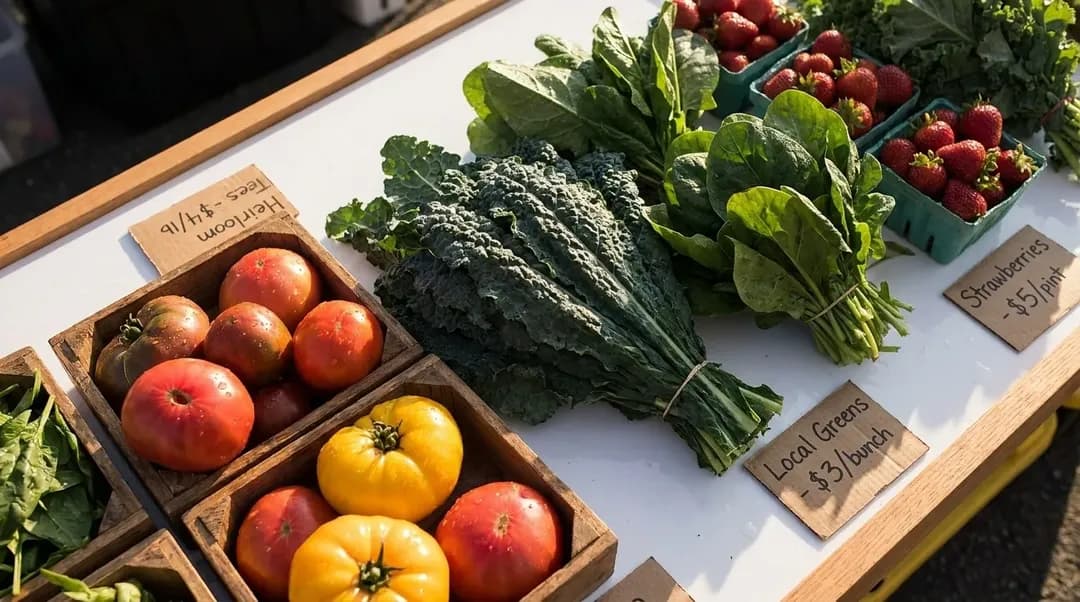
A single Erewhon smoothie costs roughly what you'd pay for a week of decent coffee. A pre-made salad runs $20 to $30. A jar of raw honey sits at $38. The produce section sells organic strawberries for $12 a pint and heirloom tomatoes for $18 a pound. The sticker shock is the point—Erewhon's pricing strategy is to make conventional grocery stores feel like compromises and Whole Foods look affordable. The justification is sourcing: organic, biodynamic, regenerative, local where possible, vetted for pesticides and antibiotics and a dozen other criteria that most customers will never verify. Some of this is real—the produce is legitimately high-quality, the prepared foods use better ingredients than most grab-and-go options. Some of it is theater: the branding, the lighting, the fact that the store feels like a place celebrities might shop, even though most celebrities have someone else do their shopping.
The prepared-food section is where Erewhon makes its operational margin. The hot bar charges by weight, and a full container easily hits $35. The sushi, made in-house, runs $18 to $28 per tray and moves quickly during lunch hours. The pizza, sold by the slice or whole, costs about what you'd pay at a sit-down restaurant. The argument for buying prepared food here instead of at a restaurant is convenience and the perception of nutritional superiority—everything is organic, nothing has seed oils, the ingredient list reads like a wellness influencer's grocery haul. Whether that's worth the premium depends on how much you care about those distinctions and how much time you're willing to spend in traffic to access them.
What is Erewhon really selling? It's selling a membership in a visible subculture, a way to signal that you've opted out of the conventional food system and into something more curated. The groceries are secondary to the social sorting. You can buy organic kale a mile away for a third of the price, but it won't come in an Erewhon-branded bag, and nobody will see you holding it. The chain has successfully turned grocery shopping into content, and content into aspiration, and aspiration into revenue. If you're going to Erewhon for the first time, understand that you're not just buying food—you're buying a kind of cultural real estate, a claim that you belong to the segment of Los Angeles that can afford not to think about grocery costs.
What to know before you commit to the drive
If you're determined to see what the fuss is about, go mid-afternoon on a weekday when the morning rush has cleared and the evening crowd hasn't arrived yet. The Beverly Boulevard store is the most accessible for first-timers because it has the full range of what Erewhon offers—smoothie bar, hot bar, extensive prepared foods, the whole produce section, the supplements and beauty products that line the back wall. Bring a reusable bag; the store charges for paper bags, and the branded totes are $15. Don't bring kids unless you're prepared to say no a hundred times—everything is at eye level, nothing is cheap, and the sample stations are designed to encourage impulse buying.
The smoothie bar has a separate line from the registers, and during peak hours that line extends past the produce section. If you're there specifically for a celebrity collaboration smoothie, check Erewhon's own Instagram before you drive—those menu items rotate out, sometimes with only a few days' notice, and there's nothing more LA than sitting in an hour of traffic for a discontinued menu item. The staff can tell you what's currently available, but they won't hold your place in line while you decide, so look at the menu board while you wait. Add-ins cost extra—collagen, adaptogens, protein powders—and they add up quickly. A base smoothie starts around $18; a fully loaded version can hit $25.
If you're coming from south or east LA, consider whether this trip serves a real need or whether you're going because the algorithm told you to. Erewhon has successfully made itself feel mandatory, but it's not. The groceries are genuinely high-quality, but so are the groceries at a dozen other LA stores that won't require you to burn an hour in your car. If you do go, treat it as an anthropological expedition, not a weekly errand. Buy one smoothie, walk the aisles, observe the other customers, and then decide whether the experience justifies the drive time and the cost. Most people who try Erewhon once either become regulars or never go back—there's not much middle ground, and that's by design.
Practical notes
- The Beverly Boulevard flagship has the most complete selection but the worst parking—arrive before 10 a.m. on weekends or after 7 p.m. to find street spots.
- Celebrity collaboration smoothies rotate frequently; verify current availability on Erewhon's Instagram before making a special trip.
- Budget $25–$40 per person if you're buying a smoothie and a prepared food item; grocery staples run 3-4x typical supermarket prices.
- No practical Metro access to most locations—this is a car-dependent errand, so factor drive time and parking cost into the true price.
- Mid-afternoon weekdays (2–4 p.m.) see the lightest crowds and shortest smoothie-bar waits.
- Bring a reusable bag or plan to buy one; paper bags cost extra and the branded totes are $15.
Tags: #karpo #erewhon #erewhonmarket #lagrocery #losangelesfood #lafoodie #beverlyblvd #venicela #westhollywood #theoddedit #latraffic #smoothiebar #organicla #lalifestyle #statusgrocery
Sources consulted: Erewhon official site · LA Metro trip planner
All trademarks are the property of their respective owners.
Ask Karpo first
Text Karpo before you leave to confirm which Erewhon location has the shortest current wait time and available parking. It'll also check whether that specific smoothie collaboration is still on the menu and suggest a faster backup if the drive time looks ugly. Ask for the last move home if you're planning to stop anywhere else afterward—Karpo will route you through the least-jammed surface streets.
Ask Karpo for more information.
Keep reading
- Vintage Furniture Store in Long Beach: Urban Americana Daily
 Vintage Furniture Store, Melrose Hill: Pop Up Home Weekends
 Santa Monica Framing Shop Since 1987: L.A. Art Exchange