You open your phone for the third time this morning, scrolling past headlines about super el niño systems and 2026 snow predictions, trying to figure out if today's the day to reschedule or if you can still make it across town. The el nino weather forecast has become the most-searched phrase in your browser history, not because you're a meteorology enthusiast but because Los Angeles weather in a strong el niño cycle demands a different kind of planning. Atmospheric rivers, flash flood warnings, and unusual precipitation patterns mean the difference between a twenty-minute drive and a two-hour parking-lot crawl on the 10.
Karpo can send you a live route with current drive times and parking options, plus a backup if your first choice is packed or closed early because of weather. Text it before you leave.

Why you're checking the el nino weather forecast again
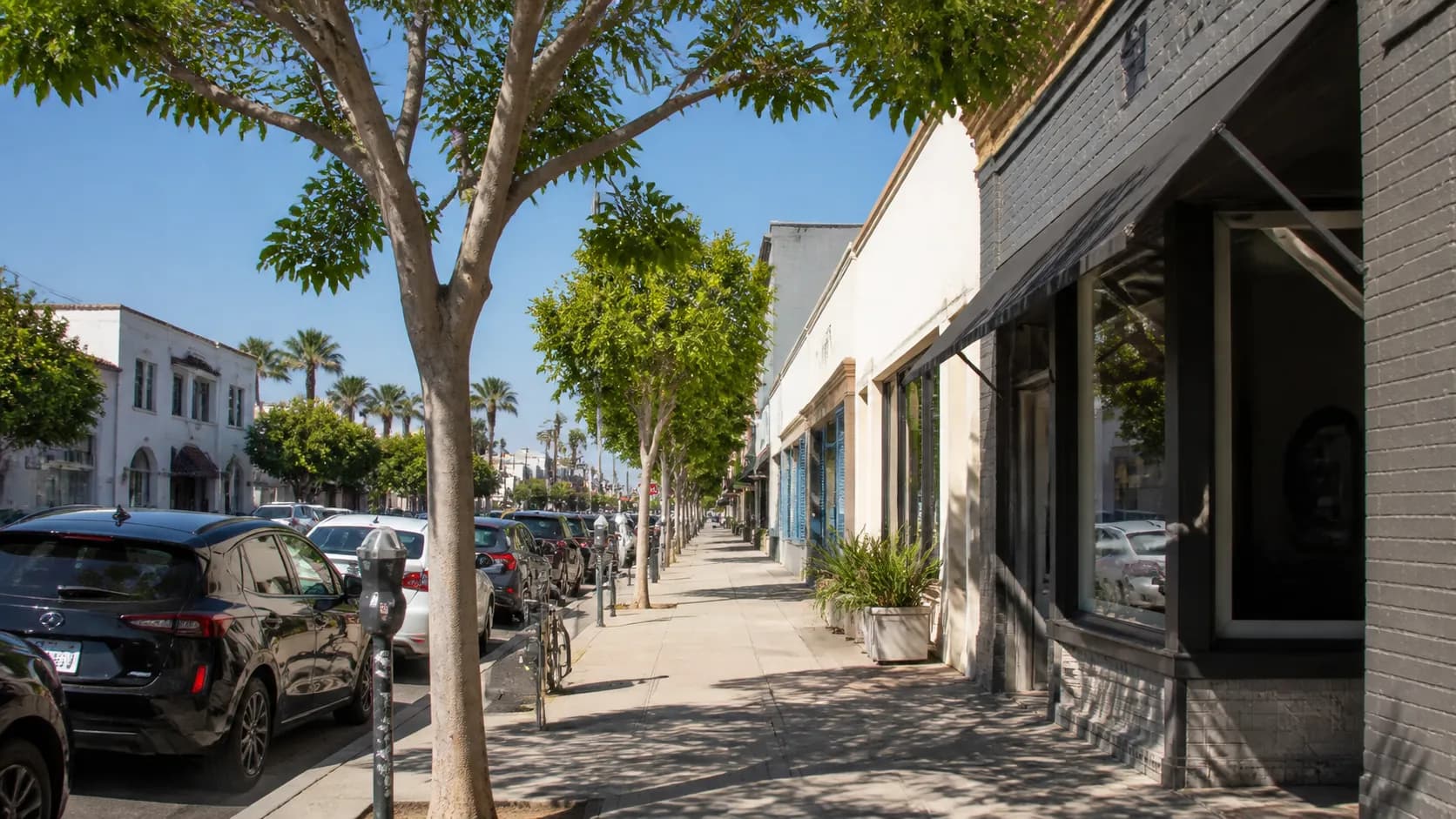
Culver City sits in the middle of that calculus. It's central enough that you can reach it from the Westside, Mid-City, or even Silverlake without committing to a full cross-county expedition, but far enough from the beach that you're not dealing with PCH closures when the surf kicks up. On a morning when the el nino weather forecast calls for intermittent rain and you need to sit somewhere warm with decent coffee and a window, the blocks around Washington and Culver boulevards offer more options than you'd expect. The neighborhood grew up around old studio lots, so the bones are dense and walkable once you're parked, and the commercial strips have the kind of storefronts with deep awnings that matter when you're moving between your car and the door in a downpour.
This is not about chasing a specific event or pop-up tied to el niño coverage. It's about what Los Angeles locals do when the weather turns unpredictable and you still want to leave the house: you pick a neighborhood with clustering, so one closed door or a full lot doesn't strand you, and you go somewhere you can linger without guilt. Culver City delivers that, and the el nino weather forecast becomes less a source of anxiety and more a reason to settle in with a cortado and a pastry while the sky decides what it's doing.
Two cafés, two moods, same five-block radius
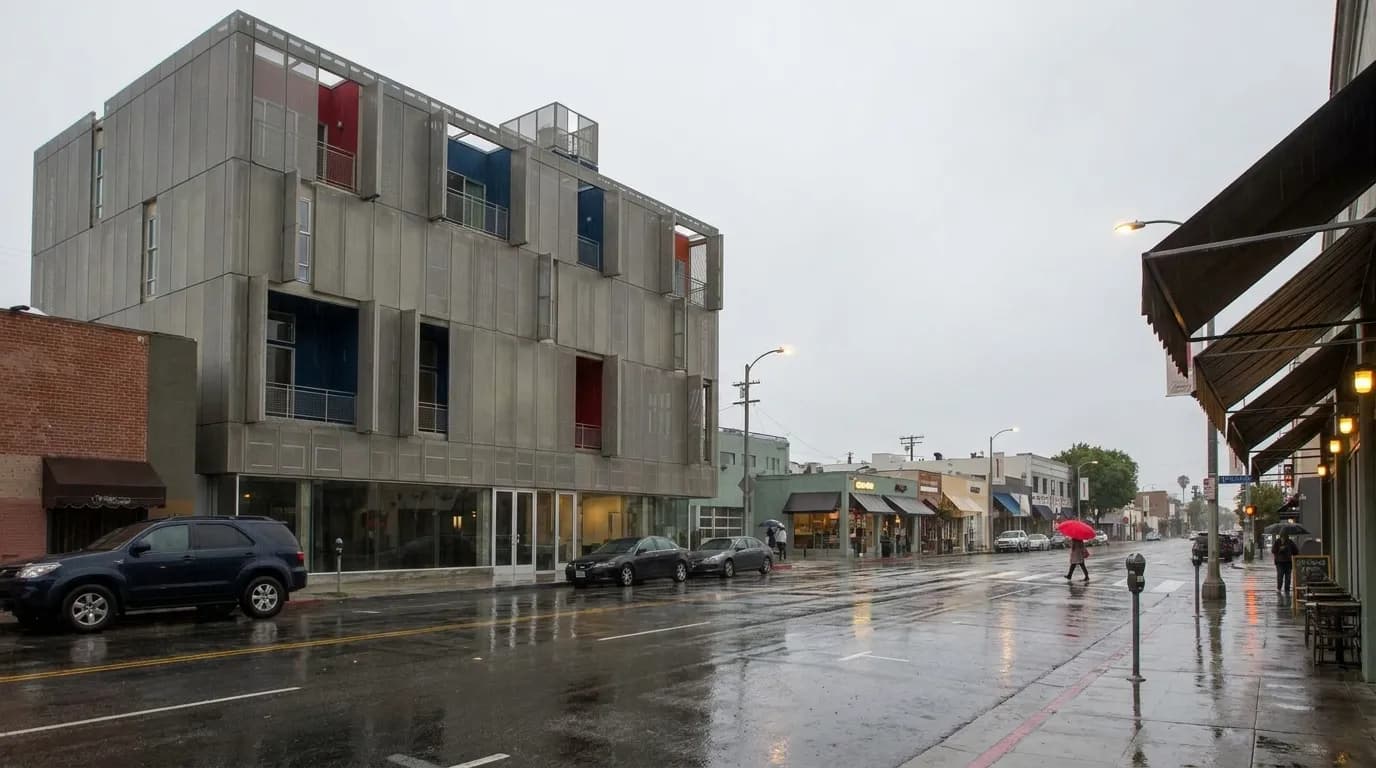
If you're coming from the east—Los Feliz, Highland Park, even downtown—take the 10 west to the Overland exit and drop south. On a clear day this is a twenty-minute shot; when the el nino weather forecast delivers and the rain actually arrives, add thirty minutes and the possibility that you'll need to loop around standing water near the Sepulveda underpass. Street parking on the residential blocks just north of Washington tends to open up after the morning school run, and it's free with no posted limits on most stretches. Culver City's municipal lots near the Ivy Station development charge, but they're covered, which matters if you're carrying a laptop or plan to stay through a squally afternoon.
Destroyer, on Culver Boulevard just west of the old Helms Bakery complex, is the anchor if you want a quiet corner and food that feels like a meal. The space is long and narrow, with concrete floors and blond wood tables that catch the north light. It's been here long enough that the staff knows the rhythm of a rainy weekday: people arrive in waves between weather cells, order a tartine or a grain bowl, and stay until the next break in the clouds. The coffee is Verve, pulled short and clean, and the pastry case runs to things like twice-baked almond croissants that hold up next to a phone full of el nino precipitation maps. Parking in the adjacent neighborhood is easier than it looks; the streets south of Culver Boulevard toward Jefferson are mostly residential and turn over quickly once you're past nine thirty.
If Destroyer feels too precious or the lot is jammed, double back to Sidecar Doughnuts on Washington near the Boulevard. It's a smaller footprint, more counter service, more in-and-out energy, but the windows are wide and the doughnuts are made in-house daily, which gives you a reason to stand at the rail and watch the weather roll through while you eat something with huckleberry glaze. The el nino weather forecast tends to spike search traffic on mornings when people are deciding whether to risk a longer errand, and Sidecar absorbs that uncertainty better than a sit-down spot: you can grab something, take it back to your car, and pivot if the radar looks worse. The parking here is tighter—metered spaces on Washington that fill fast—but the surrounding blocks between Culver and Venice have residential overflow if you're willing to walk three minutes in the wet.
Both places respect the local friction. Neither requires a reservation or a secret handshake. You can arrive at ten or at two, alone or with one other person, and the transaction is smooth. That matters in a city where the el nino weather forecast can turn a thirty-minute coffee into a three-hour refuge because the streets flooded and you're not driving home until the storm surge passes.
What the trip costs in time, money, and weather patience
From Mid-City or West Adams, count twenty-five minutes of drive time under normal conditions, forty-five if the el nino weather forecast has delivered and you're contending with slowed traffic and cautious drivers on La Brea or Fairfax. From Silverlake or Echo Park, it's closer to forty minutes via Sunset to the 10, longer if you take surface streets and hit the lights wrong through Koreatown. The Expo Line runs through Culver City with a stop at Culver City Station, a ten-minute walk north to the Washington Boulevard café strip, but the train schedule stretches to twenty-minute headways midday, and if you're carrying a bag or waiting on a platform in the rain, that buffer evaporates. Most people drive.
Parking cost depends on your tolerance for walking. Free residential spots are abundant two blocks off the main drags, metered spaces on Washington run two dollars an hour with a two-hour max, and the Ivy Station structure charges five dollars flat for the first two hours. If you're planning to stay through lunch and a second coffee while you monitor the el nino weather forecast updates, the structure makes sense; if you're darting in for a pastry and out, park on the neighborhood streets south of Culver Boulevard and save the meters for someone else.
Food and drink at Destroyer runs twelve to twenty-two dollars for a plated item, four to six dollars for coffee, six to eight dollars for pastry. Sidecar is cheaper: doughnuts are four to five dollars each, coffee three to five dollars, and you're out the door under fifteen dollars unless you're buying for a group. Both places take cards, no cash-only friction, and neither pressures you to order more than you want. If you're watching the budget and the el nino weather forecast has you planning multiple weather-wait stops across the week, Sidecar is the more sustainable repeat visit.
What to check before you leave your neighborhood

The el nino weather forecast updates hourly when systems are active, and the National Weather Service Los Angeles feed will tell you if flash flood warnings are posted for the Ballona Creek corridor, which runs right through Culver City and can back up the underpasses along Jefferson and Culver boulevards. If you see a flood advisory, delay the trip or pick a café farther from the creek. The city's public works department sometimes closes streets proactively when heavy rain is forecast; check the Culver City Twitter or Nextdoor for real-time closures before you route.
Destroyer's hours vary by day, and they've been known to adjust for weather or staffing; confirm they're open on their Instagram story or call ahead if you're driving more than thirty minutes. Sidecar keeps more predictable hours but can sell out of popular items by early afternoon, especially on weekends when the el nino weather forecast has kept people local and they're hitting neighborhood spots instead of driving to the coast. If you want a specific doughnut, get there before eleven.
The last move home matters more in el niño weather. If you arrived during a dry window and it's now pouring, wait it out. Both cafés tolerate lingering—Destroyer has seating designed for it, Sidecar has a covered sidewalk overhang where you can stand with a coffee and watch the runoff. Don't try to beat the rain on the freeway; the 10 westbound backs up fast when visibility drops, and the transition from the 10 to the 405 north is a particular mess in heavy weather because the lanes are narrow and the merge is blind. If the el nino weather forecast called for clearing by mid-afternoon and it hasn't, text someone your revised ETA and order another coffee. The staff has seen this before.
Practical notes
- Free residential parking south of Culver Boulevard; metered spaces on Washington fill quickly after 10am
- Expo Line stops at Culver City Station, ten-minute walk north, but midday headways stretch to twenty minutes
- Destroyer prices run higher; Sidecar is faster and cheaper if you're planning multiple stops this week
- Check National Weather Service LA for Ballona Creek flood advisories before routing through Culver City
- Both spots tolerate weather-wait lingering; don't rush the drive home if visibility is poor
- Confirm Destroyer's daily hours on their social channels; Sidecar sells out of popular items by early afternoon
Tags: #karpo #losangeles #culvercity #elninoweatherforecast #larain #lacoffee #coffeeandweather #destroyerla #sidecardoughnuts #elnio #laparking #midcityla #expoline #weatherplanning #localcoffee
Sources consulted: National Weather Service Los Angeles · City of Culver City · Metro Expo Line
All trademarks are the property of their respective owners.
Ask Karpo first
Before you leave, ask Karpo for a live route with current drive times from your neighborhood and parking options near Washington and Culver. It can also check if Destroyer or Sidecar has posted any weather-related closures or hour changes today, and suggest a backup café in Mid-City or Palms if the Culver City blocks are flooded or jammed.