 Waterfront Park Near Me: Swan Boats and Cherry Trees at Lake Balboa
Free Things to Do
Delta Flight DL1334 Emergency Return Search Spikes and a Free LA Day You Can Actually Plan
When flight disruptions dominate the news cycle, here's how to spend an unplanned day in Los Angeles without spending a dollar.
The phrase delta flight dl1334 emergency return trended hard enough this week that thousands of people who have never flown that route suddenly know its number. Aviation incidents move through search the way weather does—fast, specific, and unrelated to whether you were on board. But if you're reading this in Los Angeles with an afternoon that just opened up, whether because of a canceled plan, a delayed arrival, or simple curiosity about what people are searching, you have a city designed for exactly this problem: unstructured daytime hours and no budget to fill them.
If your plans shift last-minute or you need a real-time backup route across the city, text Karpo. It'll give you live transit windows, parking intel near Culver City, and a way home that accounts for evening traffic.
When the algorithm decides your afternoon
Los Angeles rewards the unplanned day better than almost any American city, as long as you respect its two governing forces: distance and the fact that nothing opens early or closes on a schedule you'd call predictable. The delta flight dl1334 emergency return search wave is a reminder that plans collapse, and when they do, the best move is not to replicate what you lost but to take what the city offers when you're already dressed and out the door. This is a plan for that window—free, public, and built around Culver City as a hub because it sits in the middle of transit options, walkable blocks, and the kind of parks that don't require a car to enjoy once you're there.
The Expo Line vs. driving yourself into a corner
Culver City has two personalities depending on how you arrive. If you drive, you'll find metered street parking on Washington Boulevard east of the Kirk Douglas Theatre, and it's free on Sundays but otherwise runs two hours for quarters you probably don't have. The city lot behind the Culver Hotel on Culver Boulevard is another option, though it fills by eleven on Saturdays when the farmers market runs. The lot empties by two, which matters if you're arriving mid-afternoon after a derailed morning. If you're coming from the Westside or Santa Monica, the drive is fifteen minutes without traffic and forty with it, and there is always traffic between noon and seven except on certain weekday mornings that you cannot predict.
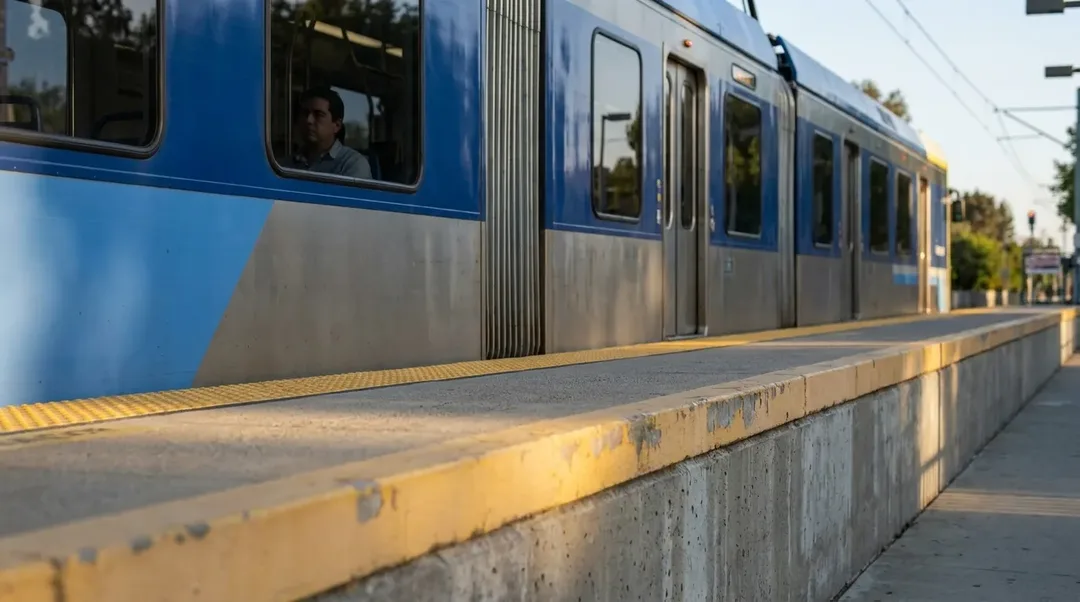
The Expo Line is slower in pure minutes but eliminates every variable. The Culver City station drops you on Washington Boulevard with direct access to the Ballona Creek bike path, the municipal park, and a walkable stretch of coffee shops and used bookstores that stay open past four. If you're coming from downtown, it's thirty-five minutes. From Santa Monica, it's twenty-two. The train runs every twelve minutes midday, every twenty after eight pm. The last eastbound train leaves Culver City at twelve forty-one am on weeknights, twelve fifty-three on Fridays and Saturdays, which gives you a firm cutoff if you're planning to stay through dinner somewhere else and loop back.
The decision between driving and riding the Expo Line comes down to whether you want to add a second destination. If you're planning to stay within a mile of Culver City—the park, the creek path, the downtown blocks—the train wins because parking is the friction point. If you want to add Kenneth Hahn State Recreation Area or the Baldwin Hills Scenic Overlook later, you'll need a car because the overlook parking lot closes at sunset and there's no transit that gets you back down the hill after that. The overlook is a fifteen-minute drive from Culver City, and the view is the best free one in the basin, but it's a separate commitment. Most people who try to do both end up spending an hour in the car and ten minutes at each place, which is the wrong ratio.
What the day actually costs in time and gas
Free does not mean frictionless. If you drive and park in Culver City for two hours, add another twenty minutes circling if you arrive after eleven on a weekend. If you take the Expo Line, you'll spend four dollars and fifty cents on a roundtrip day pass, which also covers any other Metro line or bus you want to hop that day—so technically not free, but cheaper than parking and gas combined if you're coming from more than ten miles away. If you're driving from the Valley, the 405 south to the 10 west to Overland is thirty-eight minutes in ideal conditions and ninety in bad ones, and bad ones happen between seven and ten am and again from three to seven pm. The Sepulveda Pass does not negotiate.
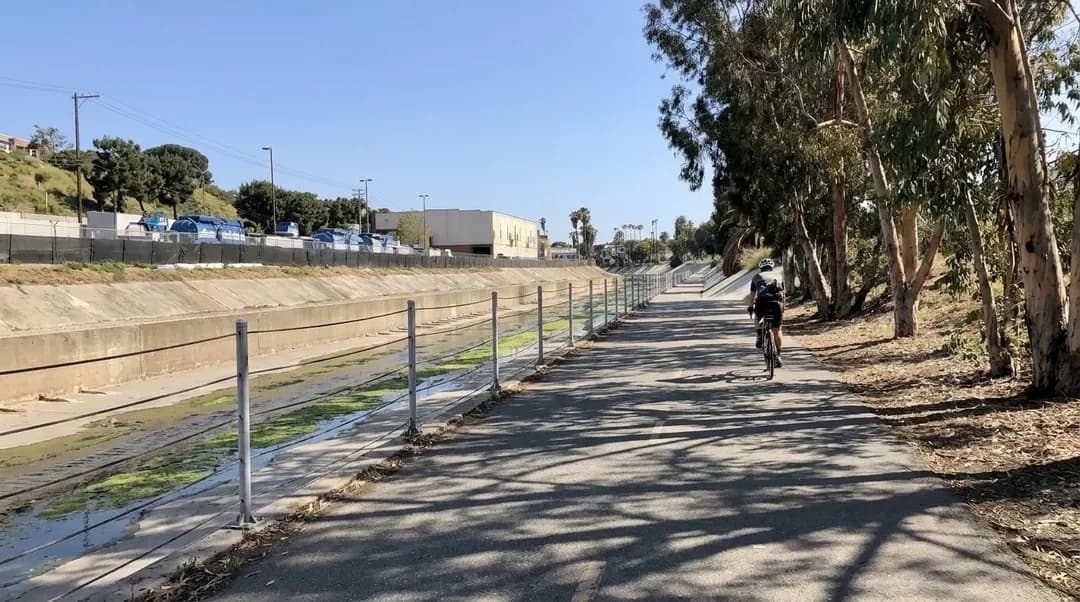
The Ballona Creek path runs from Culver City west toward the ocean and east toward downtown, and the section between the Expo Line and Syd Kronenthal Park is paved, flat, and lined with enough trees that it's usable even in direct sun until about two pm in summer. Locals know that the east-facing benches near the Duquesne Avenue bridge get shade first in the afternoon, and that the segment between Duquesne and Centinela has the fewest intersections, which matters if you're on a borrowed bike or walking without a clear endpoint. The path is free, open all day, and patrolled enough that it feels safe in daylight. After dusk, the lighting is inconsistent and the path empties fast.
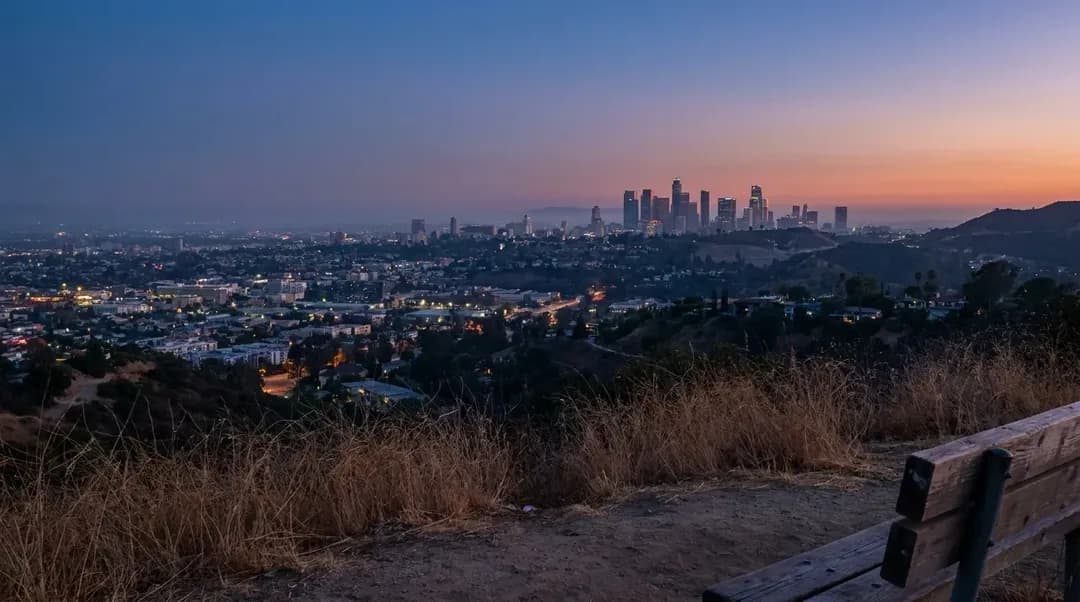
Kenneth Hahn is a different animal. It's 401 acres, most of it hills, and the main loop trail is three miles if you skip the spur to the overlook bench. There's no entry fee, the parking lot is large and free, and the views start immediately. The park's northern edge looks straight down at the Baldwin Hills oil field, which is still active and still jarring to see in the middle of a recreational area. The southern side faces downtown. The loop takes ninety minutes if you stop to sit, forty-five if you're moving. The park's restrooms near the main lot are open during posted hours, but those hours shift seasonally, so check the county parks website before you assume. If you're coming here after Culver City, you're adding an hour of drive time round trip and at least an hour on the ground, which turns a loose afternoon into a scheduled thing.
What to check before you get in the car or on the train
The delta flight dl1334 emergency return search trend will fade, but the problem it represents—plans that vanish and hours that open up—will not. Los Angeles works best for the unplanned day when you pick a single anchor neighborhood and let it sprawl from there, rather than trying to connect distant dots. Culver City anchors well because it has public space, food, and transit, and because it connects to two other free-access parks without requiring you to get back on a freeway.
Before you leave, confirm that the Expo Line is running its regular schedule. Metro posts alerts for weekend maintenance and weekday track work, and those alerts are not always early. If the line is running a bus bridge between two stations, your thirty-minute train ride becomes fifty minutes of stop-and-go on a shuttle, and the math flips back toward driving. Check the parking lot status at Kenneth Hahn if you're planning to add it—the county parks site lists closures for fire risk days, and those happen more often now than they did five years ago. If the air quality index is above 100, the Ballona Creek path loses its appeal because there's no shade for long stretches and the breeze off the channel doesn't cool the way it seems like it should.
The last thing to verify is your route home. If you drove and parked in Culver City, leaving between five and seven pm means you'll hit the worst of the westbound 10 or the northbound 405, depending on where you're going. Leaving at four or waiting until seven-thirty cuts that drive time nearly in half. If you took the Expo Line, the eastbound train back to downtown is reliably empty after eight pm, but the westbound train toward Santa Monica can be standing-room only until nine on weekends, especially in summer. The train schedule doesn't change, but the crowd does, and if you're carrying anything bulky or traveling with someone who needs a seat, timing matters. For the delta flight dl1334 emergency return searchers who ended up here looking for something else, this is what replaces a plan that didn't happen: a city that doesn't require tickets, a route you can adjust as you go, and a day that costs you nothing but time and attention.
Practical notes
- Expo Line day pass is $4.50 and covers all Metro transit until 3 am the next day.
- Street parking in Culver City is metered Monday–Saturday; free on Sundays; check posted two-hour limits.
- Ballona Creek path is well-lit only in sections; plan to finish before dusk if walking the eastern stretches.
- Kenneth Hahn parking lot is free but closes at sunset; confirm hours on the LA County Parks site before driving.
- Traffic on the 10 and 405 peaks from 3–7 pm; leave Culver City before 4 pm or after 7:30 pm to avoid the longest delays.
- The Expo Line's last eastbound train from Culver City leaves after midnight; check the Metro site for exact weekend times.
Tags: #karpo #losangeles #culvercity #freethingstodo #exposline #ballonacreek #kennethhahn #laparks #metrolosangeles #ladaytrip #deltadl1334 #emergencyreturn #laonabudget #laexplorer #publicspaces
Sources consulted: LA Metro Expo Line schedule · LA County Parks
All trademarks are the property of their respective owners.
Ask Karpo first
Text Karpo before you head out to confirm the Expo Line is running on schedule and to get a live route from your starting point to Culver City. It'll also tell you what's open along the Ballona Creek path today and suggest a backup if weather or air quality shifts while you're out.
Ask Karpo for more information.
Keep reading
- Waterfront Park Near Me: Swan Boats and Cherry Trees at Lake Balboa
 Waterfront Park Near Me: Tidal Swimming Beach at Long Beach's Colorado Lagoon
 Waterfront Park Near Me: Lighthouse Hill at Shoreline Aquatic Park