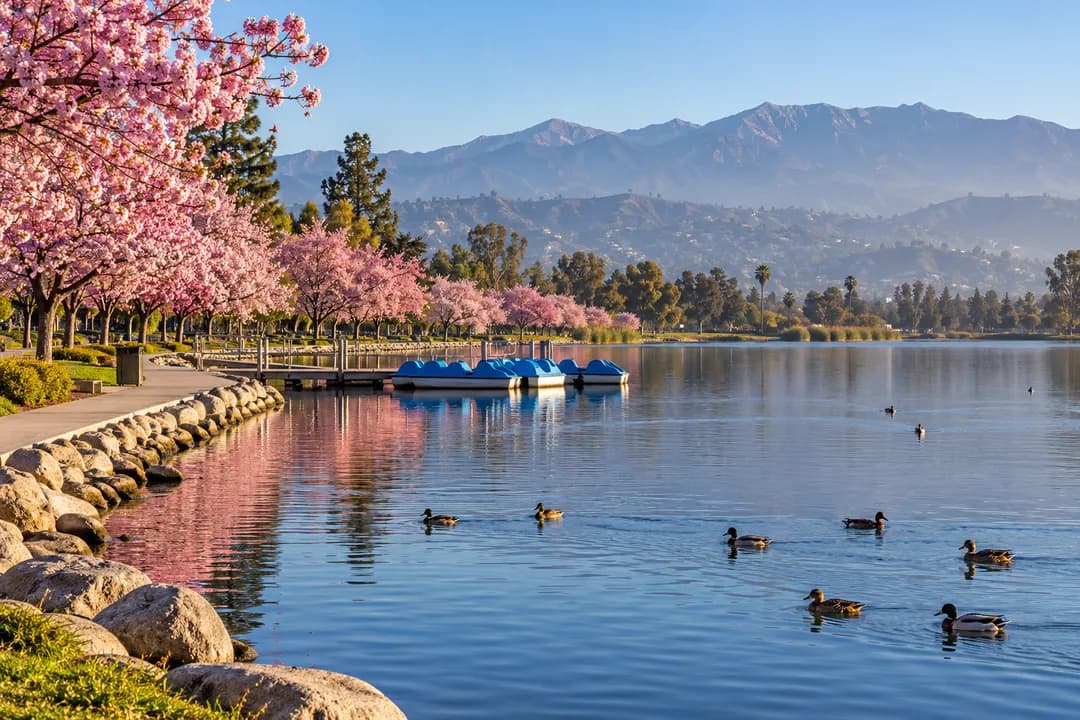
 Waterfront Park Near Me: Swan Boats and Cherry Trees at Lake Balboa
Free Things to Do
Christy Knowings, All That nostalgia, and a free LA night built around '90s Nickelodeon memories
When a childhood sketch show resurfaces in your feed, it can spark a surprisingly good evening—if you know where to go in LA.
Someone texts a clip of Christy Knowings from All That—the sketch comedian who played Miss Piddlin and a dozen other characters across the Nickelodeon show's late-'90s run—and suddenly three people are trading memories about Saturday night lineups, orange VHS sleeves, and the year Kenan Thompson seemed to be in everything. The search spike around Christy Knowings this month isn't a reboot announcement or a reunion special; it's the algorithmic churn of nostalgia, TikTok rediscoveries, and a generation realizing they can name the All That cast faster than they can remember their own phone numbers. In Los Angeles, where half the entertainment industry grew up on the same Nickelodeon block and the other half works three miles from where it was filmed, that kind of search often turns into a real evening: a free plan that leans into the mood without forcing a theme-park version of your childhood.
If you're piecing together a nostalgic route across LA on short notice, text Karpo for live options that match your timing and a realistic drive plan that accounts for current traffic and parking.
When a sketch show resurfaces in your group chat
The challenge is that nostalgia doesn't come with an address. You're not looking for an All That exhibit or a Christy Knowings mural. You're looking for a night that feels like the version of LA you imagined when you were twelve, watching sketch comedy shot on a Burbank soundstage, before you understood what traffic on the 101 actually meant. The good news is that Culver City—where Sony Pictures still anchors a neighborhood that blends studio history, walkable blocks, and a handful of free public spaces—gives you a starting point that doesn't require a car shuffle every forty minutes or a paid admission to justify the drive.
The Culver City studio walk, or the Griffith Park long view
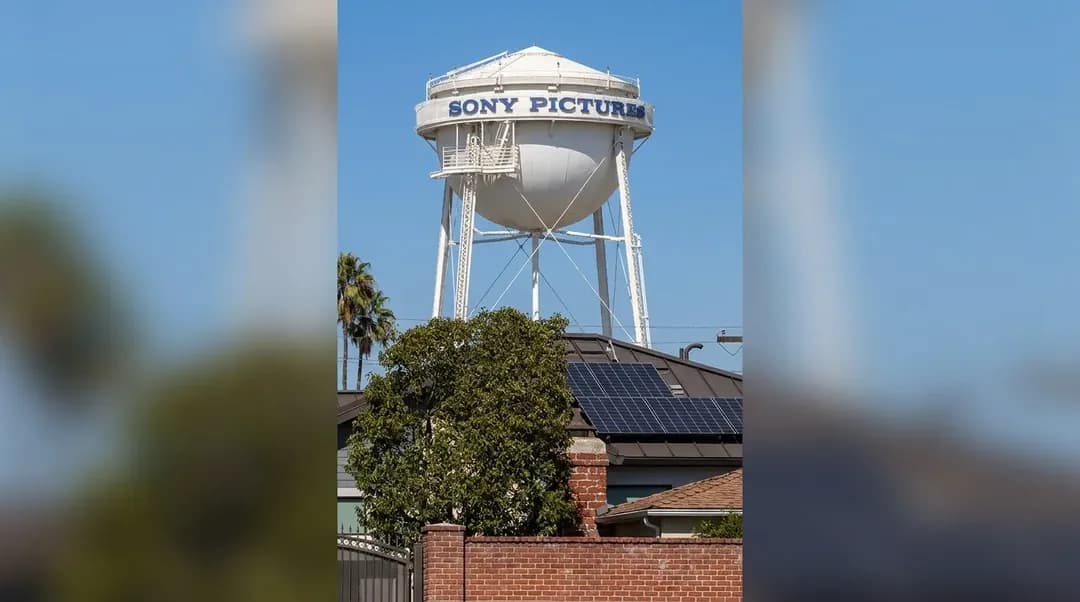
You have two real options for a no-cost evening that honors the spirit of the search without pretending you're visiting a Nickelodeon museum. The first is a Culver City loop that starts at the public sidewalks around Sony Pictures Studios on West Washington Boulevard, where you can walk the perimeter and see the water tower, the gate, and the same mid-century studio architecture that's hosted everything from The Wizard of Oz to modern game shows. All That was filmed at Nickelodeon Studios in Orlando and later on soundstages around LA, but Culver City is where you go when you want to be near the machinery of television without paying for a tour. The sidewalk is public, the light is good in the late afternoon, and you're a five-minute walk from the Culver City stairs—a free outdoor staircase workout on the hillside above the studio lot that gives you a quiet view of the neighborhood and a chance to reset before you move to the next stop.
From there, walk east along Washington to downtown Culver City, where the Culver Hotel and the Kirk Douglas Theatre anchor a few blocks of storefronts and benches. You're not here to spend money; you're here because this part of LA still looks like a place where people make things, and the streets are wide enough that you're not fighting for sidewalk space at dusk. If you want to extend the route, the Baldwin Hills Scenic Overlook is a fifteen-minute drive north and offers free parking and a staircase climb to a vista that shows you the basin, the hills, and the logic of the city's layout. It's a solid endpoint if your group wants a physical task and a panoramic reward, and it keeps the evening in the same southwest-LA corridor without adding an hour of freeway time.
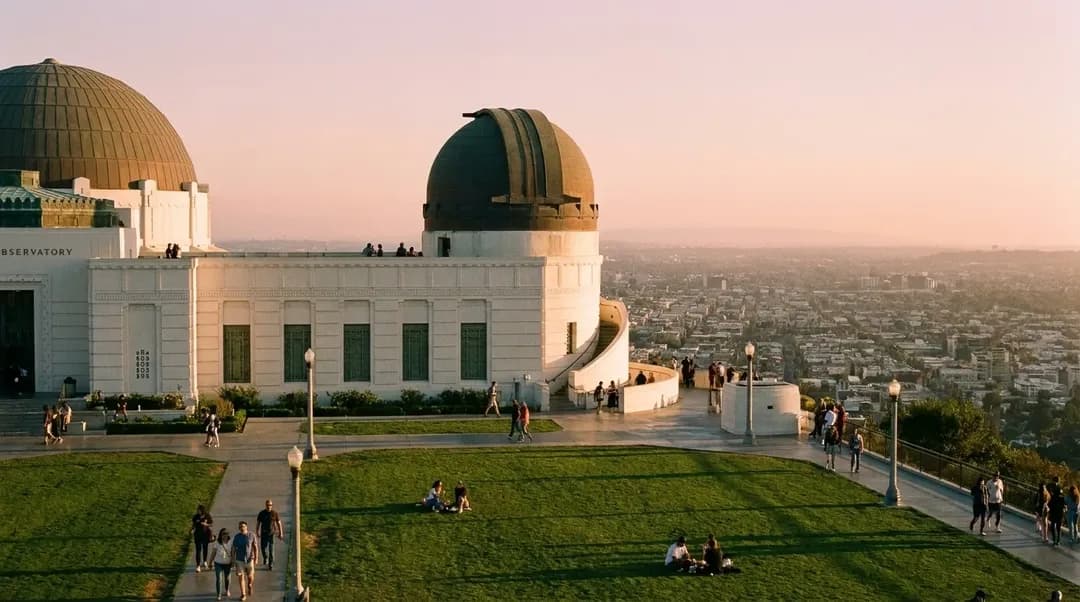
The second option skips Culver City entirely and anchors in Griffith Park, where you can park for free near the Griffith Observatory's lower lots (if you arrive before the evening rush) or along the residential streets on the east side of Vermont Canyon Road. The Observatory itself is free to enter, and the lawn on the south side is where you'll find people sitting on the grass, looking at the skyline, and talking through the kind of low-stakes plans that nostalgia inspires. The building's Art Deco lines and the Hall of the Sky exhibits inside feel like the version of LA that All That's audience imagined: a city of rockets, stars, and big public gestures. If the Observatory is crowded, the trails behind it—particularly the path toward the Greek Theatre and the bird sanctuary loop—are quieter and give you the same hilltop air without the tourist density. The challenge with Griffith Park is parking; if you're arriving after five on a weekend, plan to walk uphill from a side street rather than circling the main lot for twenty minutes.
What the evening actually costs you
Both routes are free in the admission sense, but they cost you time, gas, and the cognitive load of coordinating a group across LA's non-contiguous geography. If you're starting in Culver City, parking on the residential streets north of Washington Boulevard is free and usually available after six, though you'll want to check the posted street-cleaning signs before you commit. The studio perimeter walk takes about twenty minutes if you're moving at a conversational pace, and the Culver City stairs add another fifteen to twenty depending on how many times you loop the flights. Downtown Culver City is walkable from there, but if you're driving to the Baldwin Hills Overlook afterward, you're adding a short freeway segment or a longer surface-street route through Ladera Heights. The overlook parking lot is free, and the staircase climb to the summit takes about twenty-five minutes round-trip if you're not stopping for photos every third landing.
The Griffith Park route saves you the multi-stop logistics but trades them for parking uncertainty. If you're lucky and you arrive before five-thirty, you'll find a spot in the lower Observatory lots without circling. If you're not, you'll park on a residential street a quarter-mile downhill and walk up, which adds ten to fifteen minutes each way. The Observatory is open until ten most nights, and the outdoor areas stay accessible after that, so you have flexibility on timing. The trails behind the building are free, unlocked during daylight, and well-traveled enough that you're not hiking alone in the dark if you're finishing near sunset. The real cost here is the drive time: if you're coming from the Westside or the South Bay, Griffith Park is a forty-five-minute commitment in evening traffic, and the return trip down the 5 or the 101 can stretch to an hour if you're leaving after eight.
The invisible cost on both routes is the mismatch risk. If one person is coming from Pasadena and another from Santa Monica, Culver City is the geographic compromise, but it still means someone is driving thirty-five minutes and someone else is driving twenty. Griffith Park is central only if you define central as "equally inconvenient for everyone on the Westside." The move that makes either route work is committing to a single anchor point and asking people to arrive in a tight window—seven or seven-thirty, not "sometime after work"—so you're not spending the first half-hour of the plan waiting in a parking lot while someone texts that they're still on La Cienega.
What to confirm before you leave
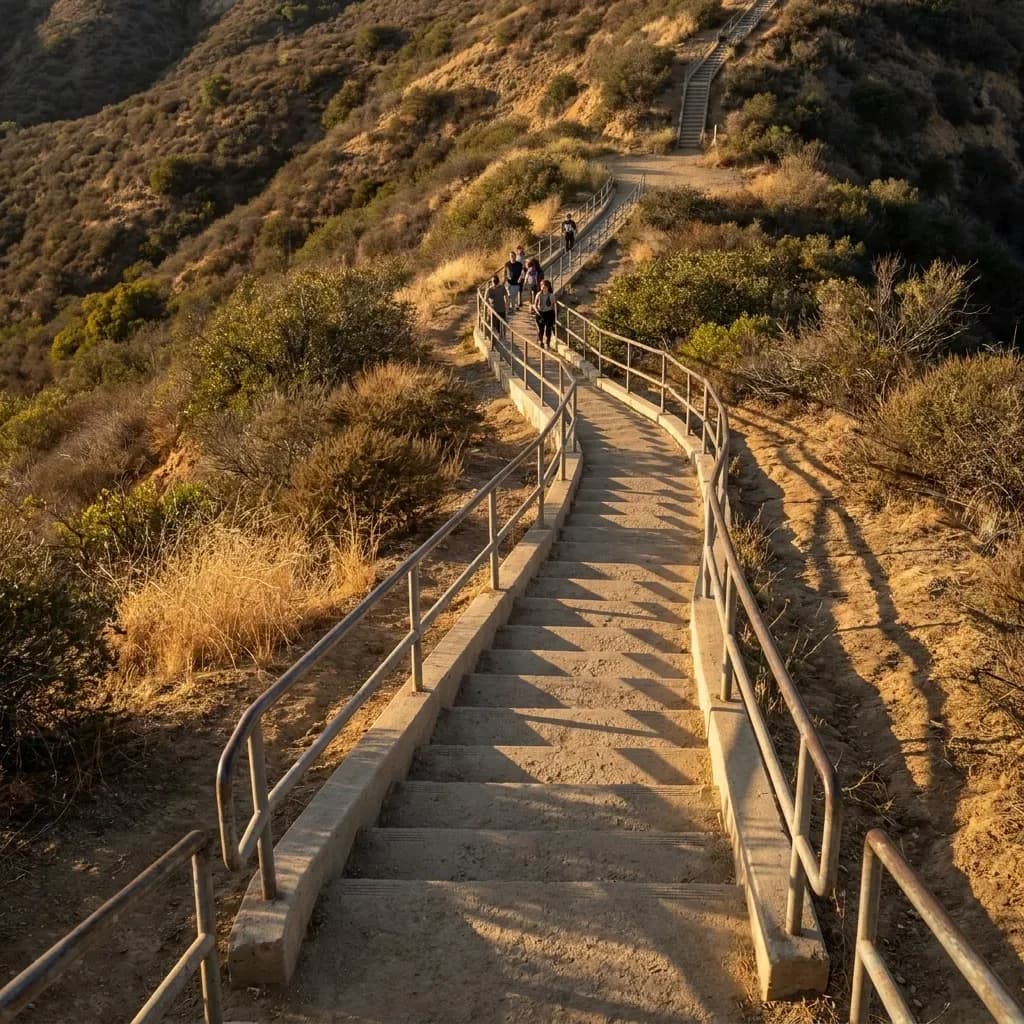
The Griffith Observatory's website posts real-time closure alerts and exhibit schedules, and it's worth checking before you drive, because the building occasionally closes for private events or maintenance without much advance notice. The outdoor grounds stay open, but if you're planning to walk through the Hall of the Sky or use the telescopes, confirm the hours. The Baldwin Hills Scenic Overlook closes at sunset, which in winter means you'll lose access to the stairs by five-thirty; in summer, you have until eight or later. The park's website lists the seasonal gate times, and they enforce them—if you're on the stairs when the ranger starts closing, you'll be asked to come down.
For the Culver City route, the studio perimeter is always accessible because it's a public sidewalk, but the Culver City stairs are technically part of a city park and have posted hours (usually dawn to dusk). In practice, people use them later, but the lighting is minimal after dark, so plan to finish the stair loop before full sunset if you want to see where you're stepping. Downtown Culver City's benches and storefronts are public space, but the area gets quieter after nine, and the restaurants that anchor the blocks close their patios by ten. If you're planning to sit outside and talk, aim to be there by seven-thirty so you're not the last group lingering under the streetlights.
The last move home depends on where you started. If you're in Griffith Park, the drive south on the 5 or west on the 101 slows significantly after eight, especially on weekends when people are leaving Los Feliz and Silver Lake. The surface route down Vermont to Wilshire is slower but more predictable. From Culver City, the 10 eastbound is stop-and-go until you're past Crenshaw, and the westbound lanes toward the beach towns stay thick until nine or later. The neighborhood streets through Mar Vista and Palms are a reasonable alternative if you're not in a rush, and they let you avoid the freeway headlight glare that makes the end of a nostalgic evening feel like a commute.
Practical notes
- Griffith Observatory parking fills by 5:30 p.m. on weekends; plan to arrive earlier or park downhill on residential streets.
- Baldwin Hills Scenic Overlook closes at sunset, which shifts seasonally—check the posted gate times before you drive.
- Culver City stairs have minimal lighting after dark; finish the loop before full sunset for safer footing.
- Street parking in Culver City is free after 6 p.m., but watch for posted street-cleaning restrictions.
- Evening traffic on the 10 and 101 adds 15–25 minutes to most routes; surface streets through residential neighborhoods are slower but steadier.
- Confirm Griffith Observatory's hours and any closure alerts on their website before you leave.
Tags: #karpo #losangeles #christyknowings #allthat #nickelodeon #freethingstodo #culvercity #griffithobservatory #90skids #nostalgianight #lafreeplans #baldwinhills #sketchcomedy #kenanthompson #lanostalgia
Sources consulted: Griffith Observatory · Baldwin Hills Scenic Overlook · City of Culver City Parks
All trademarks are the property of their respective owners.
Ask Karpo first
Before you commit to a route, text Karpo to check current conditions at Griffith Observatory or the Baldwin Hills Overlook, get a realistic drive-time estimate from your starting neighborhood, and confirm which parking areas are most likely to have space at your arrival time. Karpo can also suggest a backup plan if your first choice is crowded or closed.
Ask Karpo for more information.
Keep reading
- Waterfront Park Near Me: Swan Boats and Cherry Trees at Lake Balboa
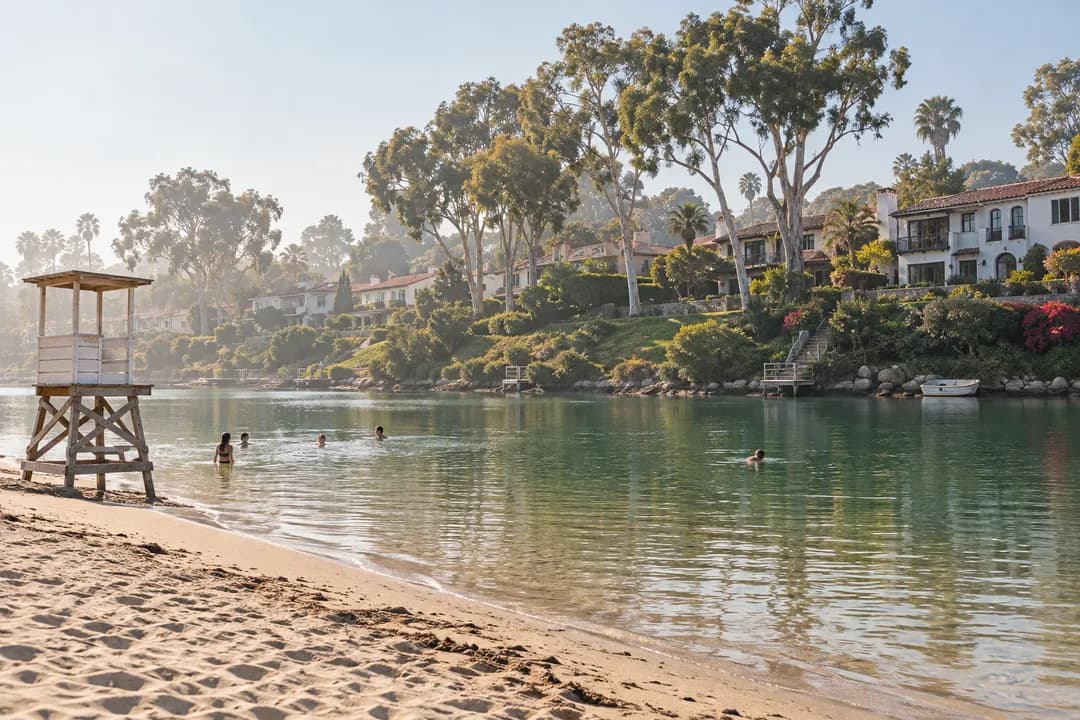 Waterfront Park Near Me: Tidal Swimming Beach at Long Beach's Colorado Lagoon
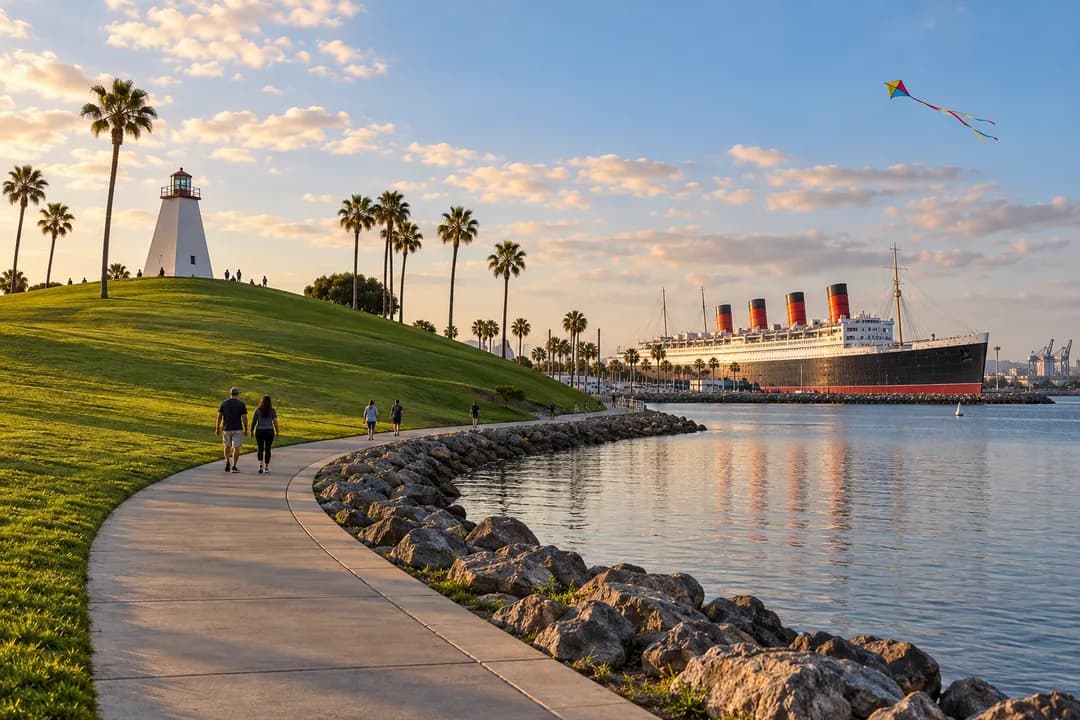 Waterfront Park Near Me: Lighthouse Hill at Shoreline Aquatic Park