Every city has restaurants people say you have to go to. In Los Angeles that recommendation carries a hidden cost that it does not carry in a dense city: getting there and back can be two hours of your day, and the second hour is worse because you are tired and it is dark. So the bar is genuinely higher here. A place is worth planning around only if it offers something you cannot get closer to wherever you happen to be, and a surprising number of famous names fail that test while several unfamous ones pass it easily.
Whether a place clears that bar depends entirely on where you are staying and what time you would be driving, which is not something a list can know. Tell Karpo where you are based and it will tell you which of these is actually a reasonable evening.
The test: is it available closer?
Most restaurants that get called essential in Los Angeles are excellent examples of a category that has other excellent examples nearer to you. A very good Italian restaurant on the Westside is not worth crossing the city for if there is a very good Italian restaurant twelve minutes away, however much better the first one is on paper.
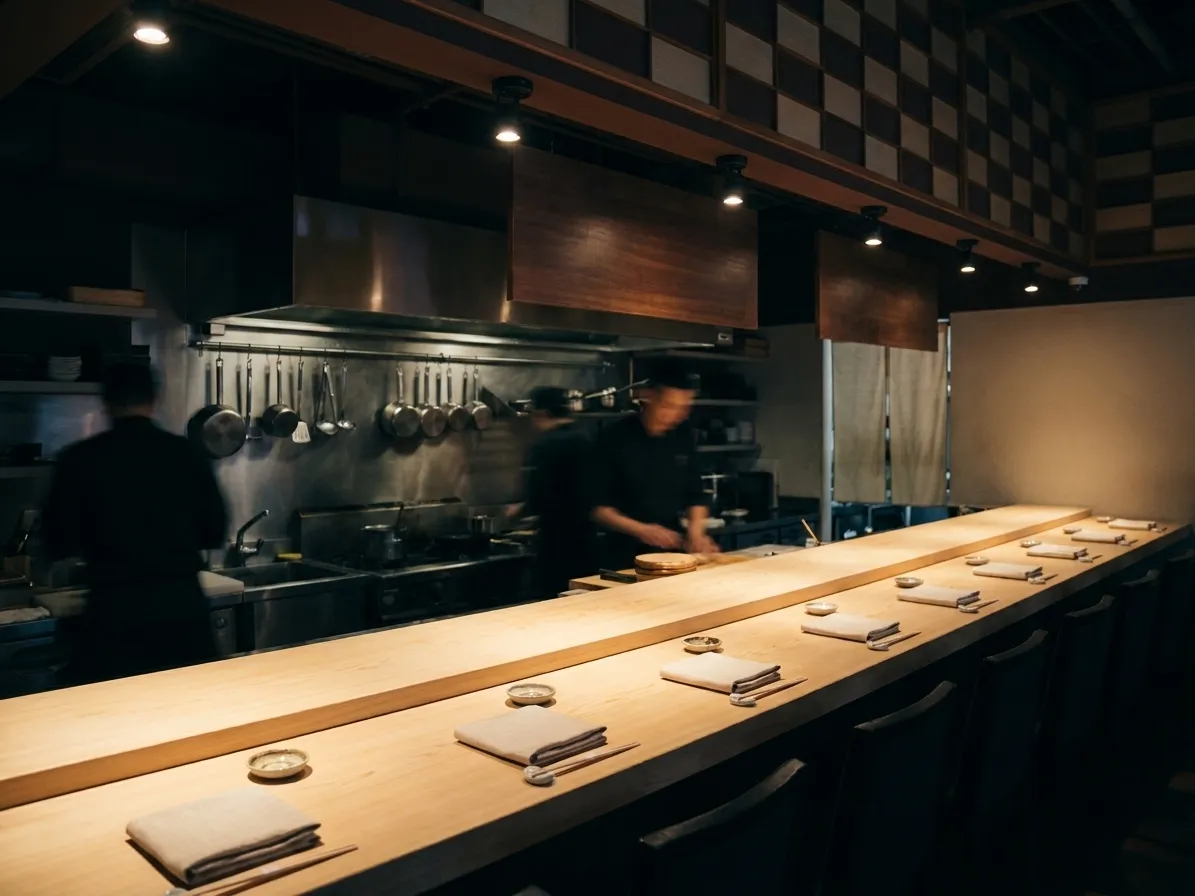
The places that pass are the ones doing something singular - a specific regional cuisine with only one or two practitioners in the county, a dish that a single kitchen has been refining for forty years, or a room that is itself the reason to go. That last category matters more here than most people admit.
The old rooms are the strongest case
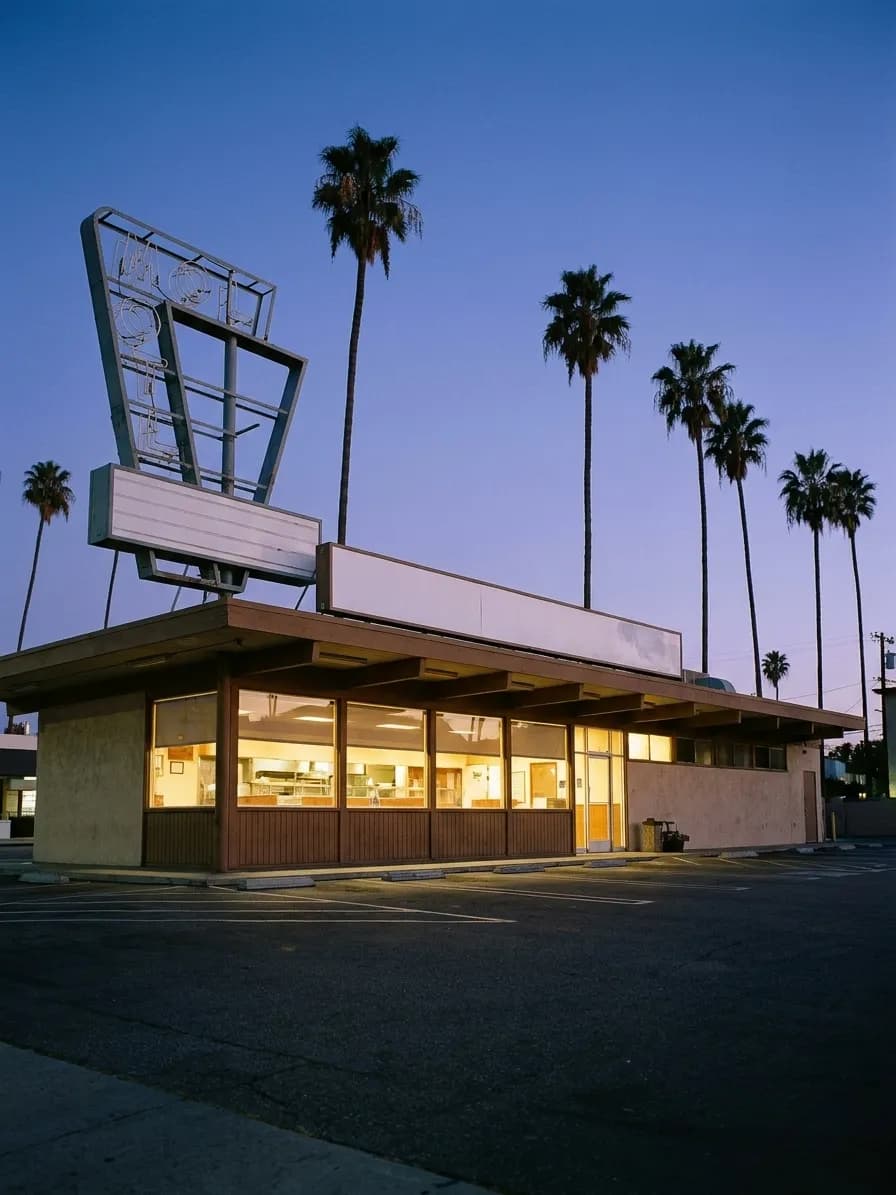
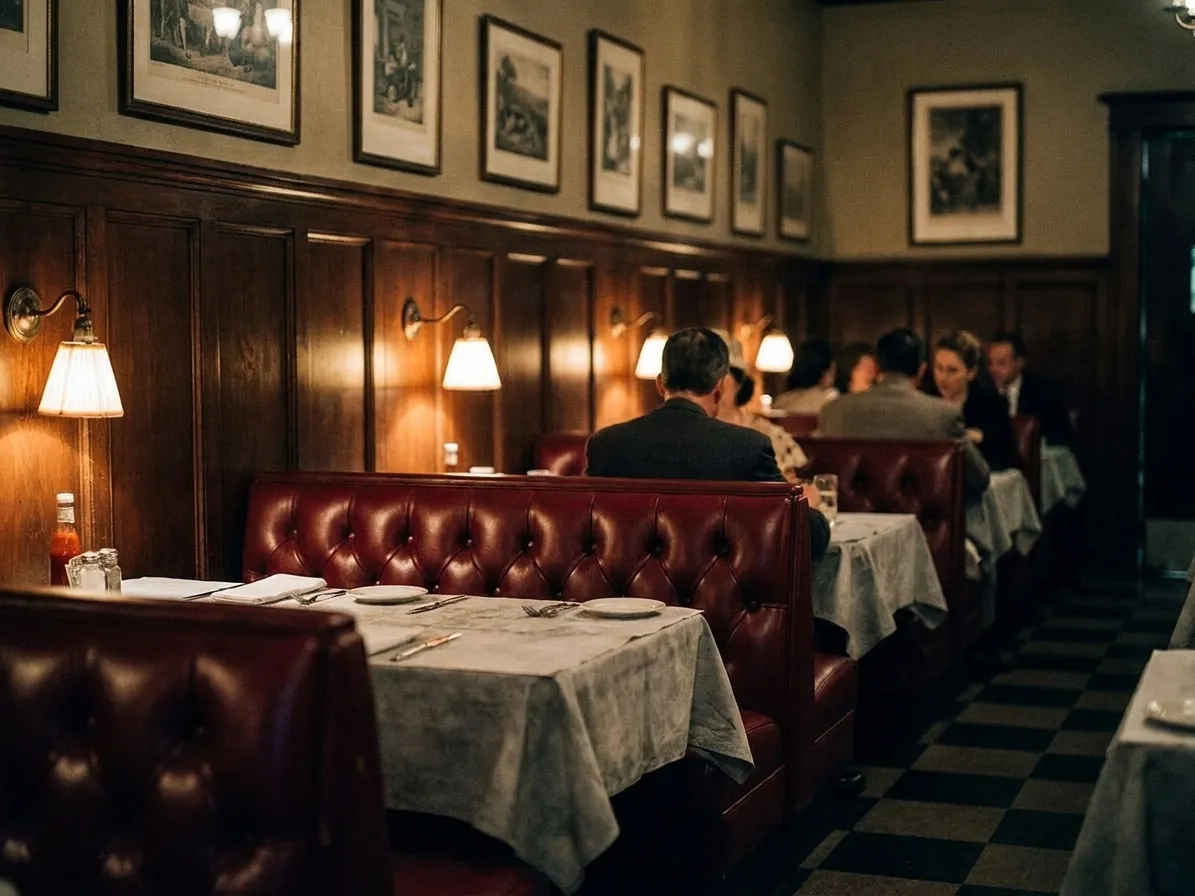
Los Angeles has a set of restaurants that have been running since the 1920s, 30s and 40s - dark wood, red leather booths, career waiters, a menu that has changed very little. The food at these ranges from genuinely good to beside the point, and that is not the reason to go.
You go because there are very few places left in America where you can sit in a room like that, and because in a city that demolishes its own history with unusual enthusiasm, these have survived. That is a thing you cannot get closer to home, and it is the clearest example of a restaurant worth planning a whole evening around.
Single-practitioner regional cooking
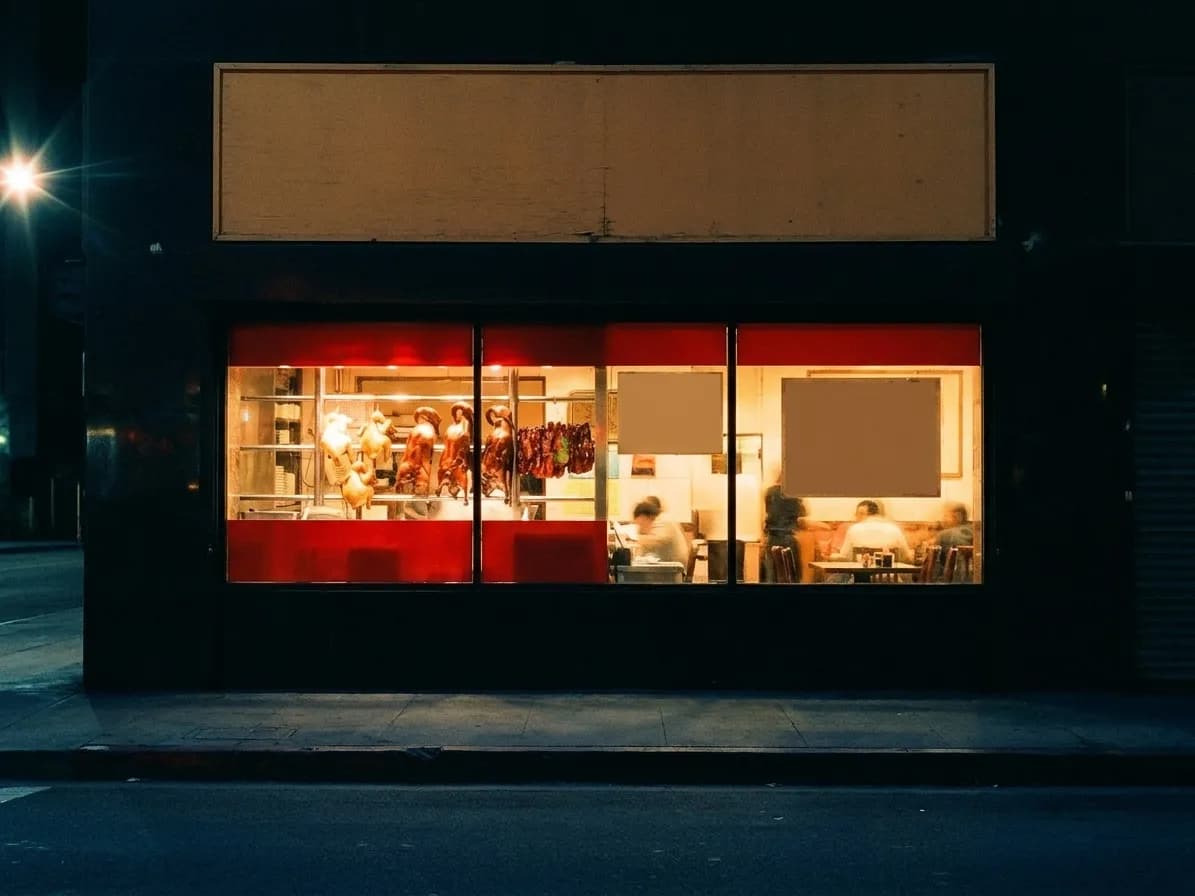
The second category that passes the test. There are cuisines represented in Los Angeles County by a handful of kitchens or fewer - specific Oaxacan and Yucatecan traditions, particular regional Chinese cooking in the San Gabriel Valley, Persian cooking around Westwood and Tarzana, Armenian in Glendale.
If you want that specific thing, there is no closer option, and the drive is not a choice. These are also generally inexpensive, which changes the arithmetic - an hour's drive for a forty dollar dinner for two is a different proposition from an hour's drive for a three hundred dollar one.
The San Gabriel Valley deserves its own day
Not a single restaurant but a region, and the strongest argument in the county for driving somewhere. The SGV - Monterey Park, Alhambra, San Gabriel, Rowland Heights and the corridors between - has the deepest concentration of regional Chinese cooking in North America, covering cuisines that most American cities have no representation of at all.
Treat it as a day rather than a dinner. Drive out mid-morning, eat three or four times across different cities, and come back after the evening rush has cleared. That structure turns the drive from a cost into the frame of the day, which is the only way long distances in this county stop feeling like a tax.
What generally fails the test
The restaurant that is famous for being difficult to book. The rooftop with the view, which is a view you can get from a public place for free. The chef-driven tasting menu of a kind that exists in every major city. Anything whose primary recommendation is that a particular person eats there.
None of these are bad and several are very good. They are simply not worth ninety minutes in a car when something of comparable quality is fifteen minutes away, and the honest version of a bucket list has to account for that.
Practical planning
Go at lunch where the option exists. The same kitchen at one in the afternoon is easier to book, cheaper, and the drive in both directions is outside the worst traffic - which can turn a three-hour commitment into ninety minutes.
If it has to be dinner, take the late slot rather than the early one. Nine o'clock means an easy drive out, a calm kitchen and clear roads going home. Seven o'clock means the tail of rush hour in both directions and the busiest hour in the room.
One per visit is the right number
The realistic recommendation for a four-day trip is one destination meal, not four. Build one day around a place that genuinely clears the bar - an old room, a regional kitchen, or a day in the San Gabriel Valley - and eat everything else within a short radius of wherever you are.
That produces a better trip than four long drives to four famous restaurants, and it is the structure that people who live here actually use. Nobody in Los Angeles crosses the city to eat four times a week; they do it occasionally, deliberately, and they plan the rest of the day around it.
Tags: #LosAngeles #BestPlacesToEatInLosAngeles #LAFood #BucketList #SanGabrielValley #LADining #LARestaurants #LATravel #ClassicLA #WhereToEatLA
All trademarks are the property of their respective owners.
Ask Karpo first
In a county this size, a bucket-list meal is a scheduling decision as much as a taste one. Ask Karpo what clears the bar from where you are staying, and what time to leave so the drive does not eat the evening.