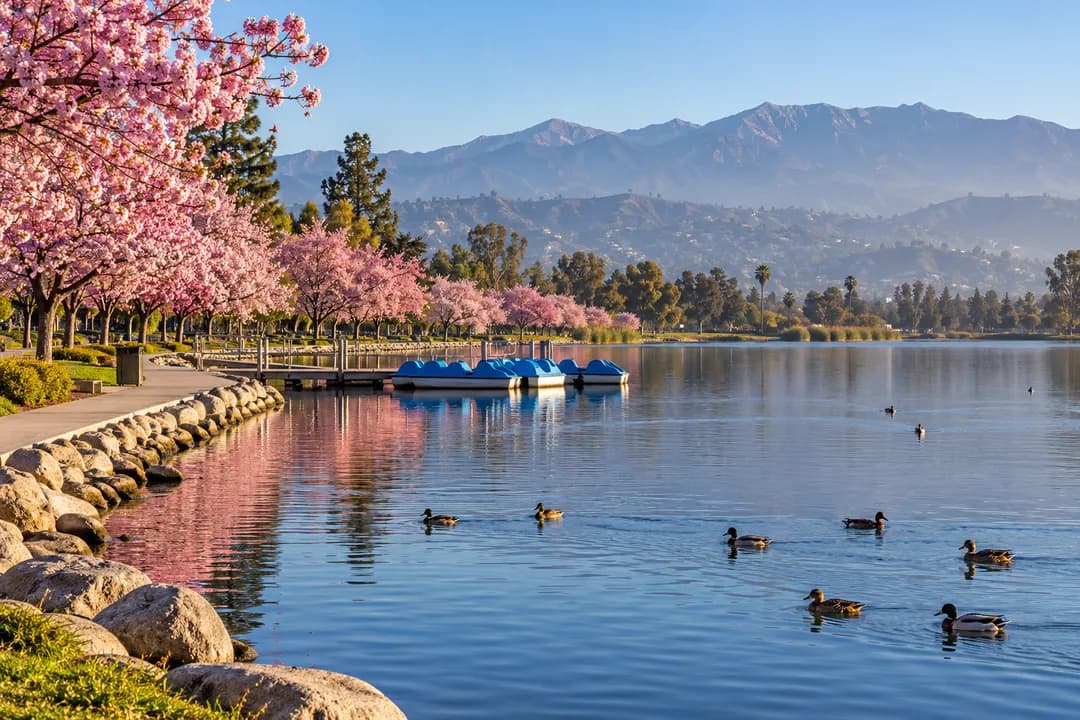
 Waterfront Park Near Me: Swan Boats and Cherry Trees at Lake Balboa
Free Things to Do
Best Tacos in Los Angeles: Trucks, Stands, and Omakase
LA's taco landscape runs from $2 truck carnitas to $200 omakase—here's how to navigate all three tiers in one week.
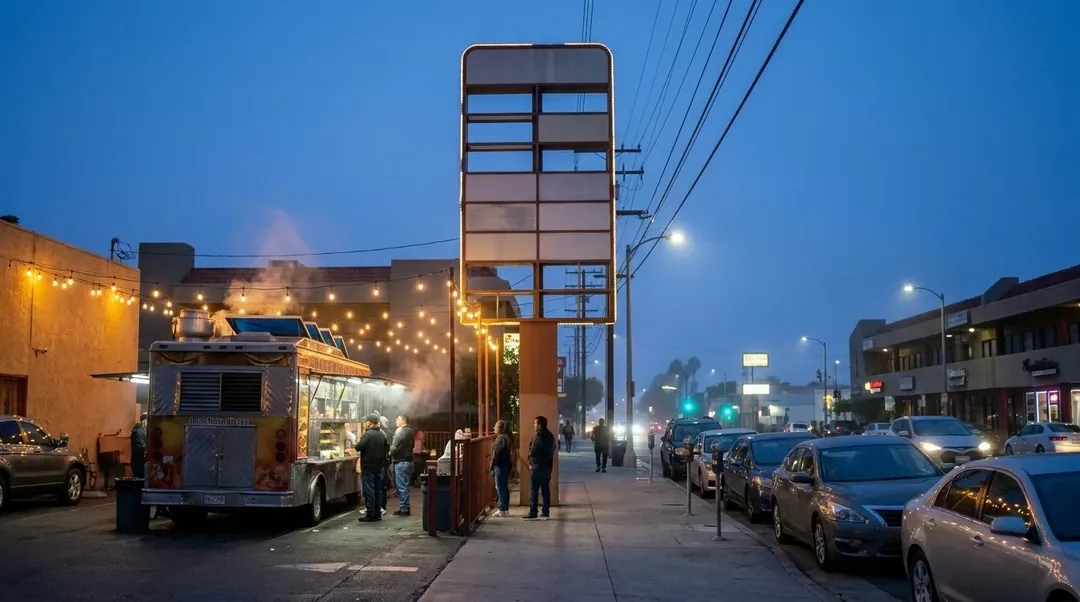
The best tacos in Los Angeles aren't in one neighborhood, and they're not even in the same price universe. A proper week of taco eating here means toggling between a lonchera parked on Sunset near Alvarado, a stand tucked behind a carnicería in Boyle Heights, and a twelve-seat omakase counter in West Hollywood where each bite costs what you'd spend on a dozen elsewhere. The city's taco culture spans that range honestly, and if you're serious about eating well, you'll hit all three formats. The friction is logistical: trucks move or sell out by 2pm, stands keep irregular hours and rely on cash, and omakase books out weeks ahead. You can't wing any of it.
Text Karpo before you drive cross-town for a specific truck or stand. It'll check if they're actually open today, give you a live route that skips the 101 backup, and surface a backup spot if your first choice is closed for a private event.
Three tiers, three different logistics problems
Start by acknowledging that the best tacos in Los Angeles trucks are almost never where Google Maps says they are at the moment you search. Mariscos Jalisco has a known corner on Olympic and Breed, but even established trucks take days off, shift an hour early when it's slow, or close for family events without updating Instagram. The stands—the walk-up windows and folding-table operations—are even less predictable. Many don't have websites. Some run Thursday through Sunday only. Others open at 10am or 6pm depending on who's cooking that day. Omakase, by contrast, is predictable but inflexible: you book through Resy or Tock, you arrive exactly on time, and if you miss your slot, you've lost a deposit.
The mistake people make is trying to tour all three formats in one night. You can't. A truck in Echo Park, a stand in East LA, and an omakase seat in WeHo are separated by 45 minutes of driving each, and that's before you factor in parking. Treat them as separate trips. Pick one anchor for the evening, build a single backup within ten minutes, and save the other formats for different nights. That way you're not racing the 10 freeway at 7:30pm hoping a truck is still set up.
If you anchor on a truck, pick one with a known corner
The best tacos in Los Angeles trucks fall into two groups: the famous ones that hold a corner five or six nights a week, and the smaller ones that rotate through three or four spots depending on foot traffic and permitting. Anchor on the first group. Mariscos Jalisco, Leo's Tacos, and Tacos La Güera all have reputations long enough that they show up even when the city's taco discourse churns. Leo's runs multiple trucks; the one on La Brea near Venice pulls a line until 2am on weekends. La Güera's truck on Hoover near Pico is a daytime operation, usually gone by 4pm. Mariscos Jalisco is the safest bet for a first visit: the fried shrimp taco is what people come for, and the truck is there almost every day it's not raining.
Parking is the variable. Most trucks set up on commercial blocks where you can find metered street parking after 6pm, but on Friday and Saturday those same blocks fill with bar traffic. If you're driving to a truck in Echo Park or East Hollywood, plan to circle once or park in a lot and walk three blocks. The truck itself is cash-preferred; some take Venmo or Cash App now, but don't count on a card reader working. Carry twenties. Lines move faster than they look because the menu is short and everyone orders the same three things.
For a backup, pick a second truck within a ten-minute drive that operates on a different schedule. If your anchor is a night truck, your backup should be one that starts at 5pm. If your anchor is known for weekends, your backup should run Tuesday through Thursday. This isn't about ranking quality; it's about having a plan when you arrive and the first truck isn't there. Check both trucks' Instagram pages the morning of—stories, not posts—because that's where last-minute changes get announced.
Stands require more local knowledge and a cash cushion
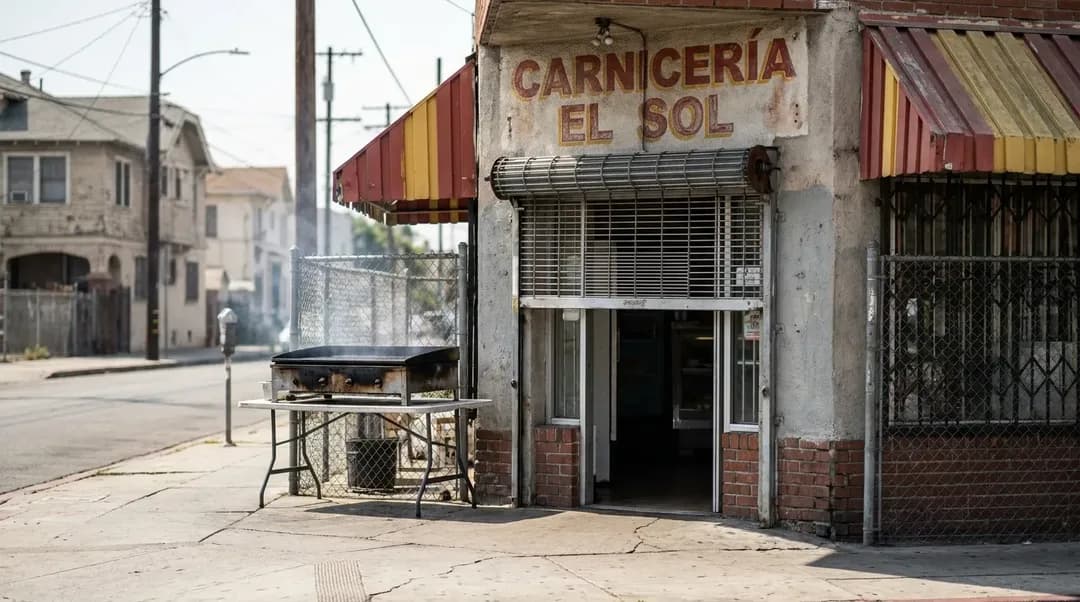
The best tacos in Los Angeles stands are harder to plan around because they're often attached to other businesses—a carnicería, a produce market, a corner store—and the taco operation runs on a separate, unwritten schedule. Some stands fire up a plancha at 11am and cook until the meat runs out. Others don't start until 6pm and stay open past midnight. There's no phone number to call, and if there's a social media account, it's run by a cousin who posts twice a year. You go on faith and local knowledge, or you text someone who tracks these places in real time.
Boyle Heights and East LA hold the highest concentration of these operations, but you'll find them in Pico-Union, Westlake, and parts of South LA as well. The taco itself is often simpler than what you'd get at a truck—corn tortilla, one or two meats, onion, cilantro, salsa—but the execution is cleaner because the cook is working a smaller menu and shorter prep cycle. Quality is high when the stand is busy, because the meat turns over fast and nothing sits. If you show up and there's no line, that's useful information: either it's too early, too late, or the word is already out that tonight isn't the night.
Bring cash, and bring more than you think you need. Stands rarely break large bills, and if you're buying for two or three people, you'll want enough to tip and to try a second round if the first is good. Parking on these blocks is often residential permit after 6pm, so read the signs carefully or park on a commercial corridor one block over and walk in. The value here is unbeatable—$2 to $3 per taco, often less—so even a cautious eater can try four or five styles and spend under $15. If you're planning this as part of a low-cost evening, a stand is the anchor; you're in and out in twenty minutes, and you've spent what you'd drop on parking near the omakase.
Book omakase a month out and verify the format before you pay
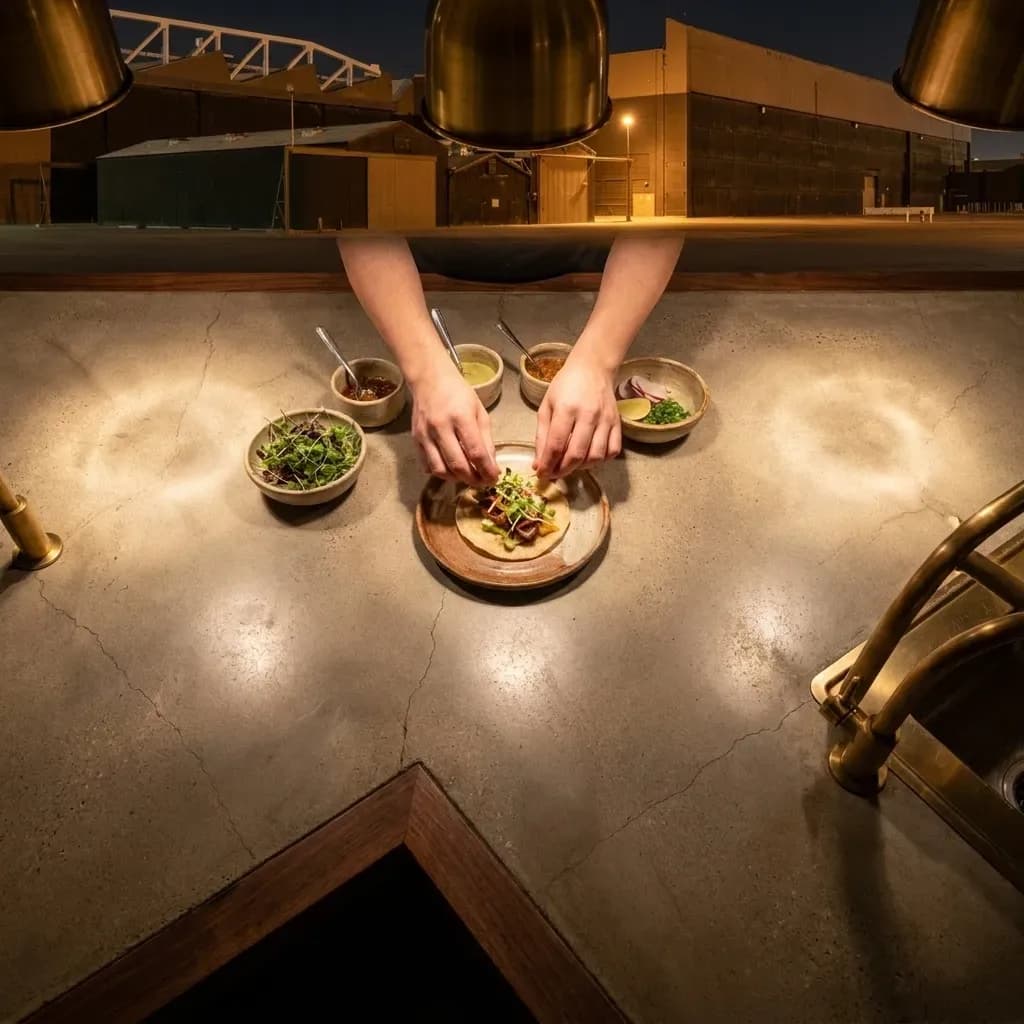
The best tacos in Los Angeles omakase are a different animal: a tasting menu, usually ten to fifteen courses, where the chef builds each taco in front of you and explains the sourcing, the technique, and the region it references. This is not a walk-in experience. You book through Resy or the restaurant's own site, you pay a deposit or the full price up front, and you arrive at the exact time on your reservation. The format is closer to sushi omakase than to street tacos, and the cost reflects that—$100 to $200 per person, sometimes more with beverage pairings.
Mexicali Taco Co. in Downtown and Damian in the Arts District both offer versions of this, though the format and frequency change depending on the chef's schedule. Some omakase nights are monthly pop-ups; others are a permanent Wednesday seating. Before you book, verify what's included: how many courses, whether drinks are part of the ticket price, and what the cancellation policy is. These dinners run ninety minutes to two hours, and they're structured so you can't skip a course or leave early without losing the thread of the meal. It's a commitment.
Parking near these spots is usually paid-lot or valet, and if you're coming from the Eastside or the Valley, budget forty-five minutes of drive time and another fifteen to park and walk in. The last Metro Red or Purple Line train leaves Downtown around midnight on weeknights, so if you're relying on transit, check the schedule before you book a late seating. Omakase is not a low-cost option, and it doesn't fit neatly into a 'free things to do' frame, but it's part of the honest answer to what the best tacos in Los Angeles look like in 2025: a city where the same food exists at radically different price points and levels of ceremony, and where knowing which format you're after is half the planning work. If you want to experience this tier, plan it as its own night and pair it with a walk around the Arts District or a drink in Little Tokyo afterward, so the evening has shape beyond the meal itself.
Practical notes
- Trucks: check Instagram stories the morning of; most post by 2pm if they're opening that night.
- Stands: bring $40 cash in small bills; many don't break twenties and almost none take cards.
- Omakase: book 3-4 weeks ahead on Resy or Tock; late cancellations usually forfeit the deposit.
- Parking: metered street spots are free after 8pm in most neighborhoods, but read the signs for permit zones.
- Drive time: budget 30-45 minutes between Eastside trucks, Downtown omakase, and Westside destinations during dinner hours.
- Backup plan: pick a second truck or stand within 10 minutes of your anchor that operates on a different schedule.
Tags: #karpo #losangeles #latacoscene #besttacosinlosangeles #tacotruck #tacostand #tacomakase #echopark #boyleheights #eastla #downtownla #freethingstodo #lowcostla #tacotuesday #streetfood
Sources consulted: Mariscos Jalisco · Resy Los Angeles · Metro Los Angeles schedules
All trademarks are the property of their respective owners.
Ask Karpo first
Text Karpo the name of a truck or stand you're targeting and ask if it's open tonight—it'll check the latest posts, verify the location, and suggest a backup if your first choice is dark. Ask for a route that avoids the 101 or the 10 during rush hours, and get a realistic arrival time so you're not guessing when the line will be manageable.
Ask Karpo for more information.
Keep reading
- Waterfront Park Near Me: Swan Boats and Cherry Trees at Lake Balboa
 Waterfront Park Near Me: Tidal Swimming Beach at Long Beach's Colorado Lagoon
 Waterfront Park Near Me: Lighthouse Hill at Shoreline Aquatic Park