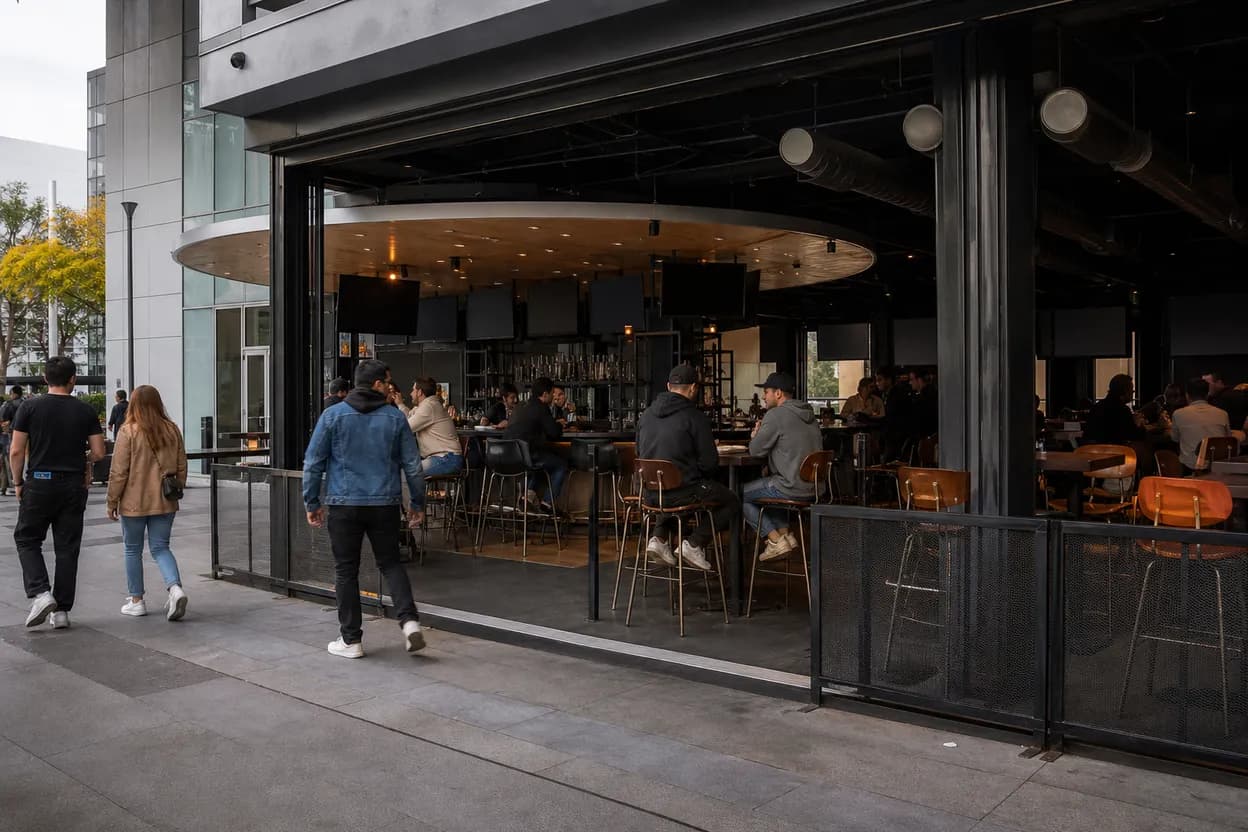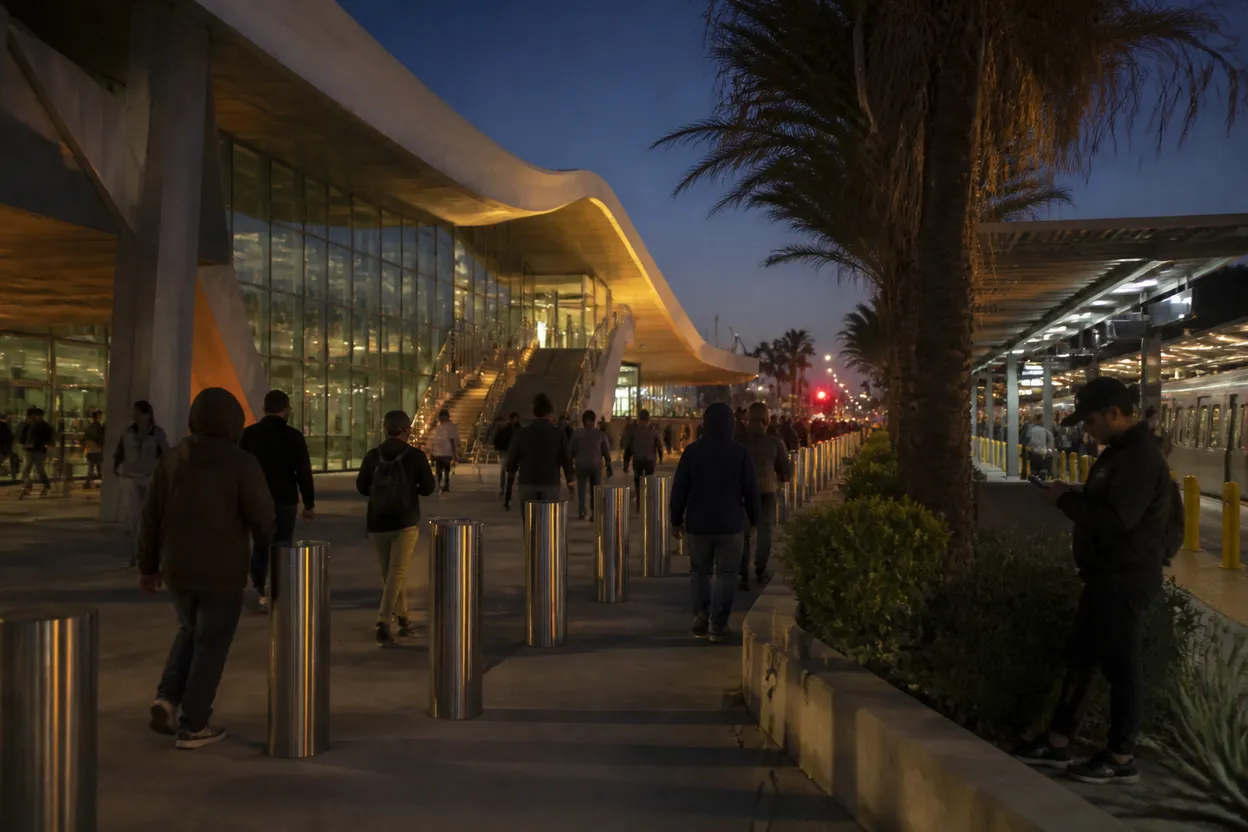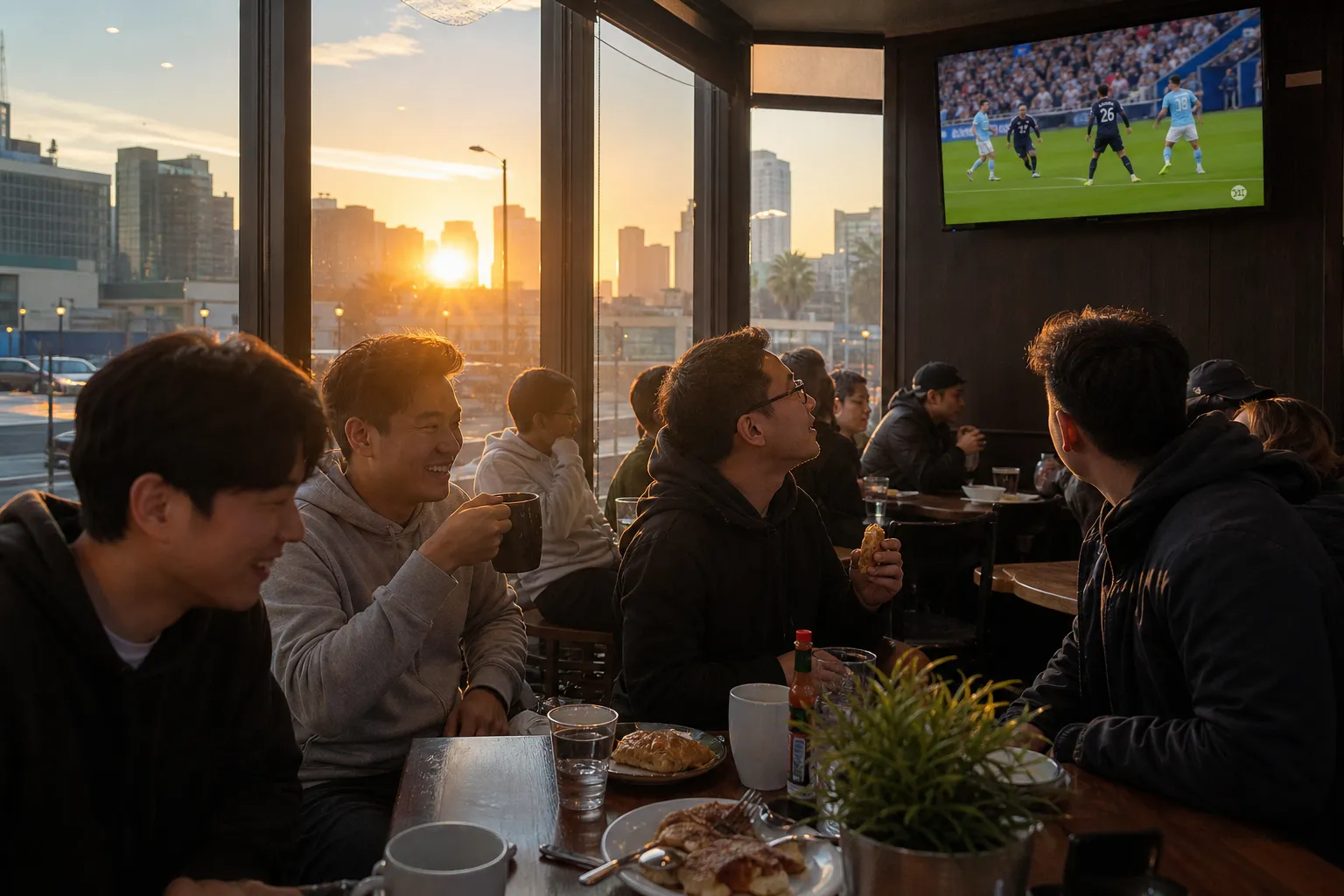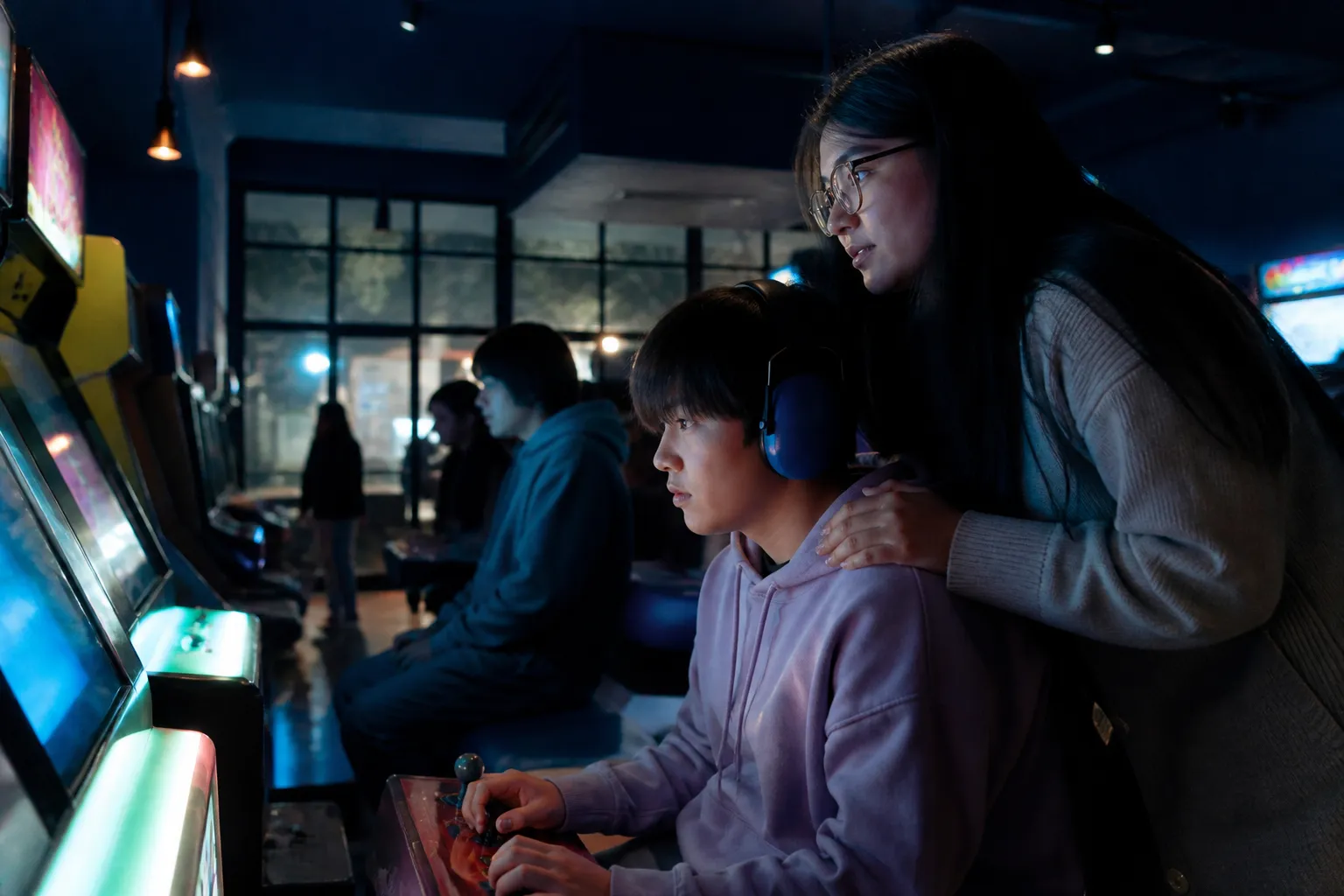
Search interest around lonnie walker can bring sports fans into Los Angeles gaming content, but this guide does not treat any athlete or NBA event as part of the local plan without explicit proof. For sensory-sensitive players, the useful question is simpler: which arcade, gaming cafe, or public gaming-adjacent stop can support a comfortable session with lower sound, softer lighting, staff who understand accommodation requests, and a crowd level that feels manageable? As of August 6, 2026, the supplied official city and transit information confirms useful planning anchors, including Metro trip tools, real-time arrivals, alerts, maps and schedules, accessible buses and trains, free transfers within two hours when tapping with TAP or a credit or debit card, Los Angeles Public Library branches including Pio Pico-Koreatown and Little Tokyo, and a city events calendar that can help avoid heavy event periods. It does not confirm specific arcade quiet-hour schedules, prices, addresses, lighting settings, or capacity rules, so every gaming stop on this map should be treated as a candidate until verified directly.
Which sensory factors most affect your comfort—sound levels, lighting intensity, or crowd density—and what game types do you prefer? Share your available weekday hours and transportation constraints, and we'll map sensory-friendly venues with a backup location for schedule changes.

Koreatown: Start With Transit And Confirmation Calls
Koreatown works best as a first search zone for solo gamers or small groups who want a central Los Angeles plan with backup public-space options nearby. The official library event directory lists Pio Pico-Koreatown as a Los Angeles Public Library branch location, which gives the neighborhood a public, low-pressure anchor for planning, waiting, or resetting before a paid gaming session. That does not mean the library is an arcade, and it does not prove any nearby business runs sensory-friendly hours. It simply gives the route a dependable civic reference point when comparing venues in the area.
For a sensory-friendly arcade or gaming cafe candidate in Koreatown, verify three things before leaving: whether the venue can reduce music or machine volume, whether lighting can be softened or at least explained in advance, and whether staff will respect a short accommodation request without turning it into a negotiation at the counter. The strongest fit is not necessarily the biggest game room. A smaller venue with clear staff communication, predictable crowd flow, and willingness to explain peak times may be better than a larger arcade with more games but no practical way to reduce stimulation. If the venue cannot confirm a quiet period, treat weekday morning or early afternoon as only a hypothesis, not a schedule.
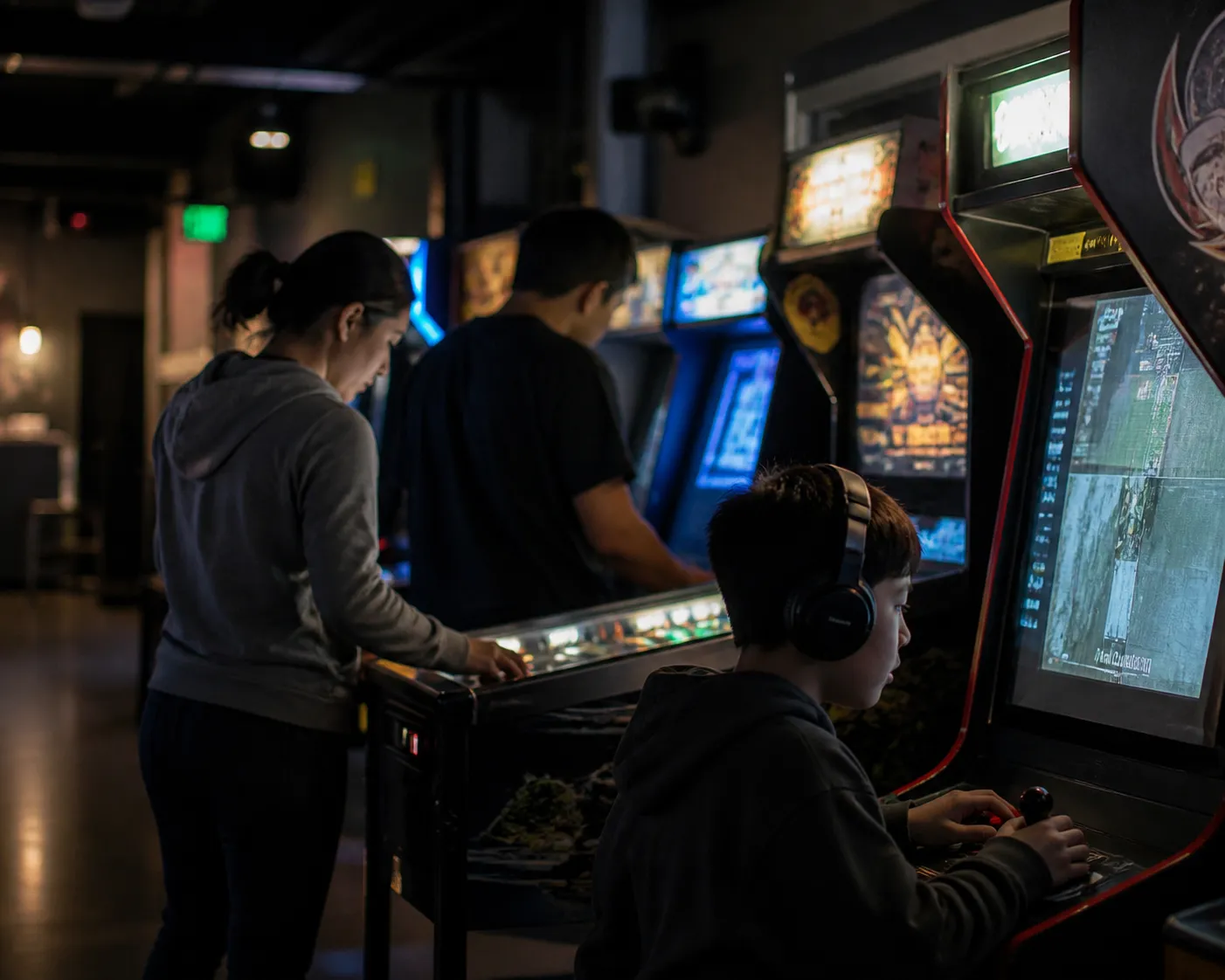
Little Tokyo: Use Civic Anchors Before Busy Social Windows
Little Tokyo is a useful second zone because the official library directory names Little Tokyo as a Los Angeles Public Library branch location, and the broader area is commonly used for cultural, food, and social outings. For this article, the grounded point is limited: Little Tokyo appears in the city library branch list, and it can function as a public-space anchor when building a low-stress gaming route. Any arcade, console lounge, or tabletop gaming stop nearby still needs direct verification for quiet hours, accommodation handling, pricing, and capacity limits.
This area is likely to appeal to small groups who want gaming to be part of a broader social outing rather than a long, enclosed session. That makes crowd timing more important. Check the Los Angeles events calendar before choosing a route, because official listings show that the city has many music, festival, film, museum, comedy, food, and arts events across August 2026, including weekend-heavy programming. A sensory-sensitive gamer does not need every event detail; they need to know whether the surrounding city will be unusually busy. If a Little Tokyo gaming stop cannot guarantee reduced sound or capacity control, choose a shorter first visit, arrive with a pre-set exit point, and keep a public reset location in the plan.
Culver City: Compare Comfort Against Game Selection
Culver City belongs on the map as a candidate zone, but the supplied official extracts do not provide a specific Culver City arcade, library branch, address, quiet-hour schedule, or accommodation policy. That means it should be handled as a research lane rather than a verified recommendation. The right way to evaluate Culver City is to call or message venues before going and ask for concrete answers: what games are available, which machines are loudest, whether staff can lower background audio, whether flashing-light games can be avoided, and whether a quieter weekday window is recognized by staff.
The tradeoff in Culver City may come down to variety versus control. A venue with a strong game mix can be exciting for sports and social users following lonnie walker or other NBA search topics, but excitement is not the same as accessibility. For sensory-friendly play, a smaller menu of games can be a better fit if the room layout is clearer, staff can identify low-noise stations, and exits or seating areas are easy to access. If the venue gives vague answers such as “it is usually fine,” mark it as unverified. If staff can describe their quietest times, noise policy, lighting conditions, and capacity approach, it becomes a stronger candidate for a first visit.
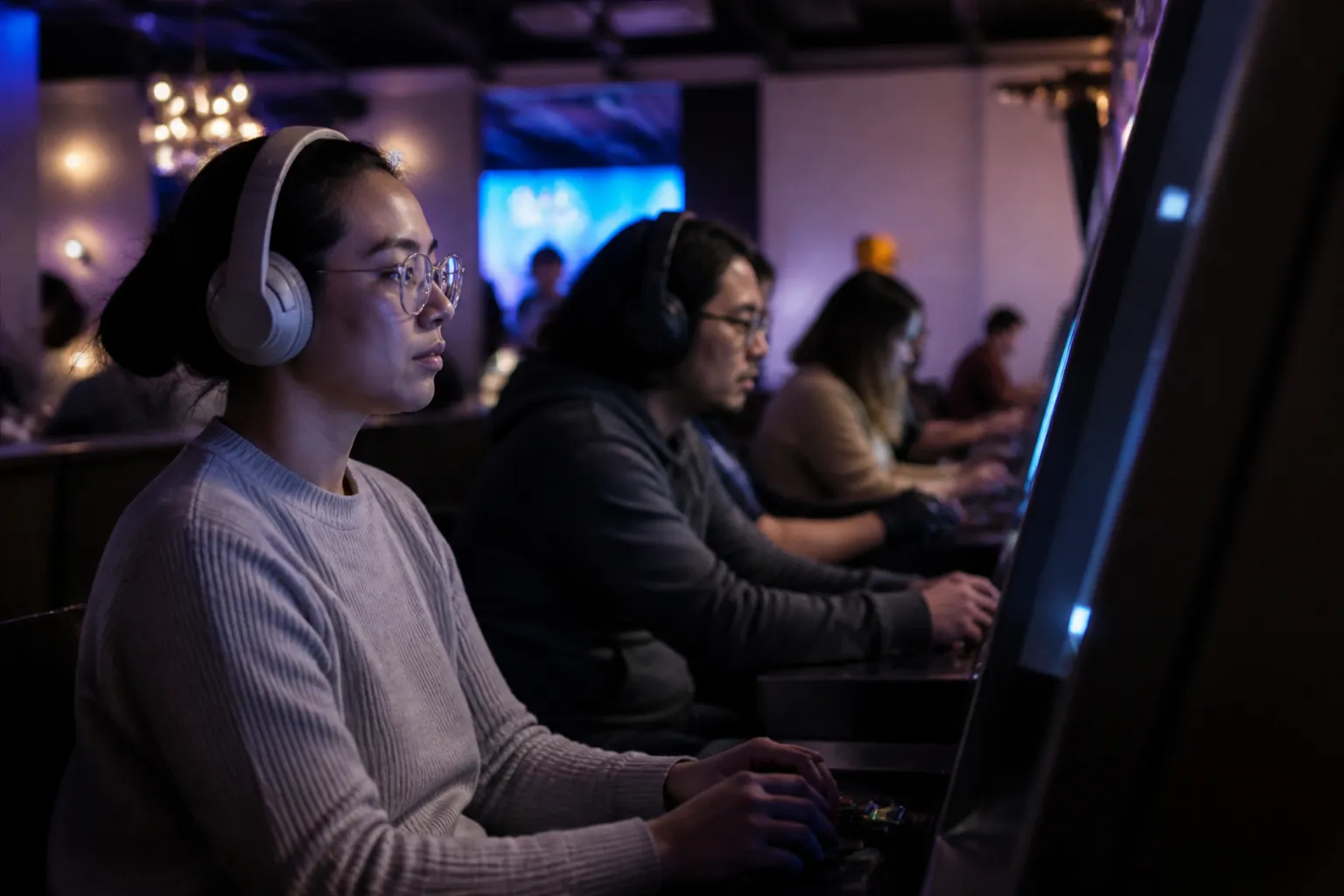
Metro-First Planning For Lower-Stress Movement
A sensory-friendly arcade plan should reduce uncertainty before the first game starts. Metro’s official rider information says Metro connects Los Angeles County by bus, rail, bike, van, and more, and offers tools for trip planning, real-time arrivals, alerts, maps, and schedules. That matters because long outdoor waits, missed transfers, and unclear arrival times can drain energy before a player reaches the venue. Build the route around confirmed service information, then choose the gaming stop that leaves the least complicated return path.
Metro’s official fare information also gives practical boundaries for planning: regular fare is listed at $1.75, the daily cap is $5 after paying for three rides in one day, the 7-day cap is $18, and transfers between Metro buses and trains are free within two hours when using TAP, credit, or debit payment. For accessibility, the official information says all buses and trains are wheelchair accessible, elevators and accessibility features are available at rail stations, and operators can assist with boarding ramps and securement. These facts do not guarantee a sensory-friendly experience on transit, but they help users compare whether a venue is worth the trip. The easiest plan is the one with fewer transfers, clearer return options, and enough buffer time to leave if the room feels too intense.
How To Score A Quiet-Hour Candidate
Use a simple three-part score before saving any venue to the map. First, environmental control: can the venue reduce sound, explain lighting, identify quieter machines, and avoid surprise announcements during the visit? Second, staff awareness: can the person answering the phone explain accommodation requests without confusion, and can they note the request for the team working that day? Third, crowd management: does the venue enforce capacity limits or at least understand when the floor is usually least crowded? None of these should be assumed from branding, neighborhood, or social media photos.
The best fit for this EOI slice is a place where sensory-sensitive players can engage with gaming hobbies without feeling watched, rushed, or trapped in a loud room. It suits solo gamers, pairs, and small groups who are comfortable doing a little pre-visit verification in exchange for a smoother session. Avoid treating online popularity as proof of comfort. A highly ranked arcade can still be a poor sensory fit if staff cannot describe the environment, while a less flashy gaming cafe can be more usable if it has predictable quiet periods and clear communication.
Tags: #LosAngeles #SportsSocial #sensoryfriendly #arcades #gamingcafes #quiethours #Metro #Koreatown #LittleTokyo #CulverCity
Sources consulted: Source 1: metro.net · Source 2: discoverlosangeles.com · Source 3: lapl.org · Source 4: lacountyarts.org
All trademarks are the property of their respective owners.
Ask Karpo first
Ask Karpo to turn this Los Angeles idea into a current plan for your date, budget, companion, transit preference, and energy level. Karpo can narrow the route and flag what to verify before you go.