 Waterloo Cozy Board Game Cafe Finder in South London
Weekend Plans
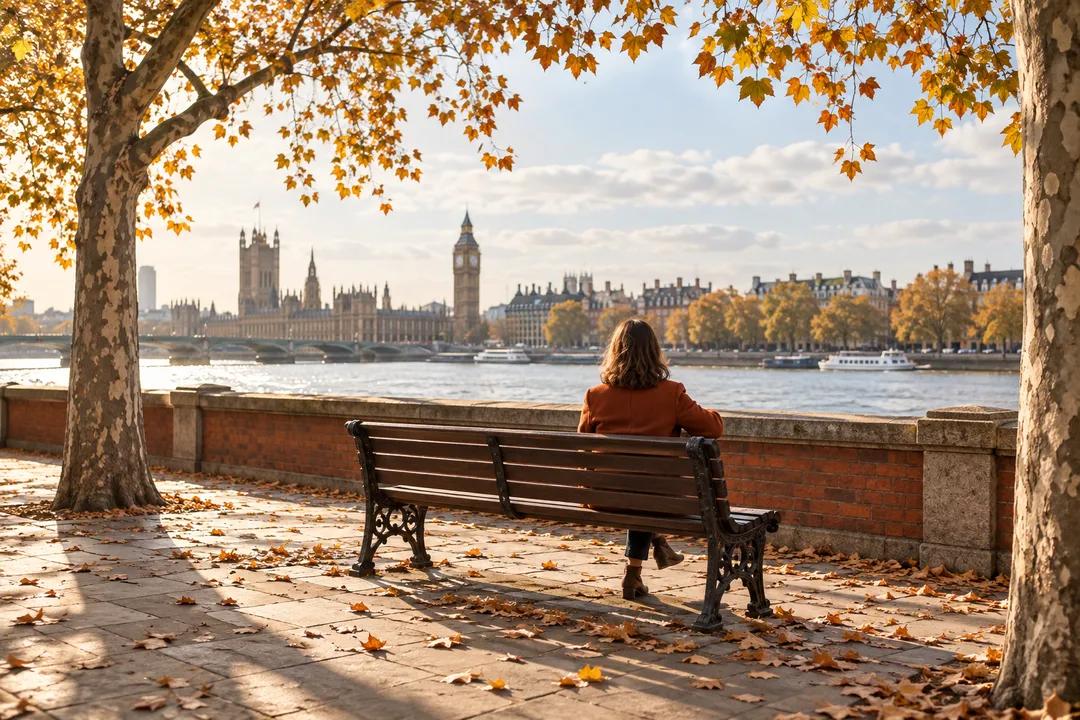
London Weekend Plan Builder for a Solo Saturday
Build a short London solo outing around the time and energy you have, with one worthwhile anchor, a comfortable pause and a simple route home.
A free Saturday afternoon can disappear into deciding what to do. You have enough time to leave the house, but not enough appetite for a cross-city expedition or a full itinerary. A London weekend plan builder is most useful here when you give it a small, honest brief: one person, a limited window, and a reason to go outside. Start with the afternoon you actually have, including the journey home, and let one worthwhile experience carry it.
Give the afternoon an edge
Begin with your finish time. Having to be home for a call is a firmer boundary than wanting to spend a few hours out. Work backwards from that commitment, leaving room for the return journey and a pause before you need to be available. If the outing only works when everything runs perfectly, it is too ambitious for this particular afternoon. A shorter plan can still contain a satisfying change of scene.
Then describe where you will begin at neighbourhood level. A starting point near Bloomsbury is a more useful instruction than simply saying London. You do not need to share your home address. Add whether you prefer to walk locally or would enjoy a journey as part of the outing. Those are different afternoons, and neither requires filling every available minute with an attraction. Your departure and return preferences should shape the suggestions from the start.
Pick the feeling before the category

Ask yourself what you want to feel afterwards. Rested, curious, pleasantly tired and creatively unstuck lead to different choices. Someone who needs quiet might enjoy looking closely at a small selection of objects, while someone who has spent the week sitting could prefer a longer walk with a single seated break. Naming the feeling prevents a list of popular places from taking over a much more personal decision.
Give your energy level the same attention as your interests. You might love exhibitions and still have no patience today for a large building, a crowded entrance or an hour of reading labels. Explain that difference in ordinary words. Say you want something visually interesting with permission to leave after a short visit. The useful constraint is how you want to participate, not a permanent label such as being an art person or an outdoors person.
Try a brief you could actually send
Open the Karpo APP and put the boundaries into one message: “I have Saturday afternoon to myself in London, starting near Bloomsbury and finishing at home before dinner. I want a quiet change of scene, a little walking and one place to sit. Suggest a small shortlist focused on looking or browsing, with no packed schedule.” Replace the location and time with your own details. This is a request for ideas, with no named venue or reservation implied.
Karpo's public introduction presents discovery as a conversation beginning with your mood. Use that opening to describe what matters instead of searching for a special planning form. The brief above is an example you can type, rather than a report of a completed London search. It leaves room to say what appeals, reject an unsuitable direction and narrow the question. Keep practical requirements in the conversation instead of expecting the word quiet to explain everything.
Compare three shapes of afternoon
A walk-first outing suits the person who wants to move before settling. Its anchor is the walk, and the seated stop gives you somewhere to end it. A browse-first outing reverses that relationship: one compact cultural or retail visit provides the reason to travel, and a short stroll lets the experience settle. A sit-first outing starts with food or a drink and treats everything afterwards as optional. Choose the shape before collecting more destinations.
Compare those shapes using your likely experience, not the number of stops. Would you resent arriving at an indoor venue while the daylight feels inviting? Would you feel stranded if the walk ended without somewhere comfortable to sit? Would buying lunch turn a low-spend afternoon into an expensive one? These questions reveal what needs to be included and what can disappear. None requires a promise about a particular cafe's seats, menu or opening hours.
Make stopping early part of the design
Choose one anchor and one possible extension. The anchor should make leaving home worthwhile even if you do nothing else. The extension can be a second activity, but it should not require you to cross a psychological finishing line and start planning again. Browsing after a walk is an extension. Adding an unrelated destination on the far side of the city creates another outing with another journey and another decision.
Give yourself a clear way to finish. It could be the moment you leave the main visit, reach the end of your chosen walk or finish the drink you intended to have. Solo time becomes easier to enjoy when stopping does not feel like failing an itinerary. If you are tired, go home with the afternoon already complete. If you still feel curious, use the extension without turning it into an obligation that crowds out the original reason for going.
Spend on the part you will notice
Separate essential spending from incidental spending before you choose. Your essential item might be admission to the main activity, while a snack is discretionary. For another person, a proper seated meal is the point and the activity should ask little of the remaining budget. State a personal spending ceiling in your own brief if you have one. A ceiling expresses your preference and should never be presented as a venue's advertised price.
Do the same with comfort requirements. Seating, toilets, step-free access and tolerance for noise can determine whether a short outing feels easy. Include the requirements that matter to you, then make your selection from information that actually answers them. An attractive photograph cannot establish accessibility, and a recommendation alone does not reserve a chair. Keeping those distinctions clear helps you choose a manageable afternoon without inventing assurances about places you have not selected.
Leave with one decision
Before closing the conversation, write your plan in a sentence you can remember: leave from your chosen area, do the anchor, take the optional pause and head back by your limit. Put the departure and return boundaries somewhere convenient for yourself. There is no need to turn the afternoon into a project with a long checklist. The details should support your attention once you are out, rather than demand it at every corner.
For a useful next step, tell Karpo in the APP which shape sounds right and which part feels excessive. “Keep the browse-first idea, shorten the walk and leave the second stop optional” is specific enough to move the planning conversation forward. You remain the person choosing the outing and making any arrangements. The result you are working towards is simple: a Saturday that feels different from staying in, with enough space left to enjoy your own company.
Ask Karpo for more information.
Keep reading
- Waterloo Cozy Board Game Cafe Finder in South London
 Shoreditch Cozy Board Game Cafe Finder in East London
 Brixton Cozy Board Game Cafe Finder for Warm London Days