 Waterloo Cozy Board Game Cafe Finder in South London
Weekend Plans
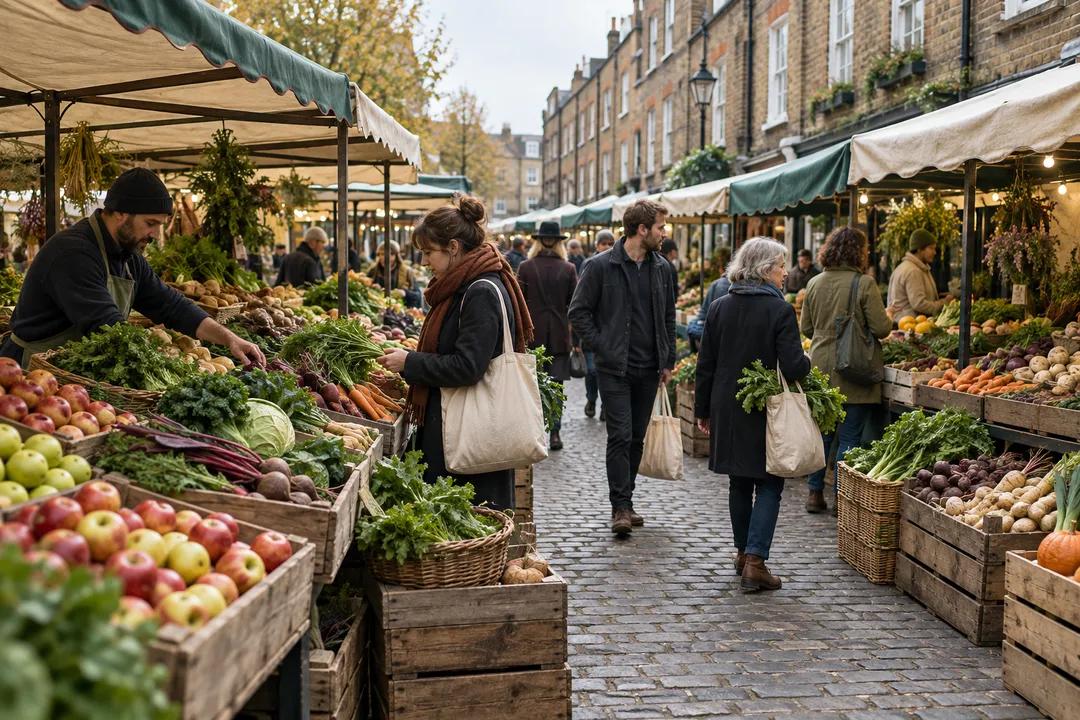
London Weekend Activity Comparator: 2 Market Routes to Pick
Compare two London market mornings by shopping, breakfast, bags, and travel. Choose the route that protects your main purpose and a comfortable trip home.
A London market morning works better when shopping and breakfast have separate places in the plan. Use a weekend activity comparator to choose between a food-led visit and a browsing-led walk, then decide where the bags, queues, and journey home fit. In the Karpo APP, start with your actual starting point and the morning you have available. The task is to choose a workable sequence, rather than collect a longer list of stalls.
Shopping first or breakfast first
Choose the reason for going before selecting a market. Someone buying vegetables wants time to browse, room for a shopping bag, and a direct journey home. Someone meeting friends over breakfast wants a reliable meeting place and somewhere to sit. These needs can conflict even when the same market appeals to both people. Describe the purpose in the request and give it priority over a famous name or a particularly attractive photograph.
Compare two complete versions of the morning. In the shopping version, put heavier purchases near the end and leave the meal optional. In the breakfast version, protect the time together and treat shopping as a short extension. Ask for the main disadvantage of each version as well as its attraction. A useful answer explains whether the compromise concerns carrying purchases, standing for food, or spending more of the visit travelling between stops.
Give the morning a real boundary
Your starting station and final destination matter more than a broad request for somewhere central. Say whether you are returning home, meeting somebody elsewhere, or continuing into the afternoon. Include the amount of walking the least comfortable person would accept. A market that looks convenient on a map can become awkward when the return trip involves bags and a second interchange. Those are comparison criteria you can supply before discussing particular stalls.
For example, a request might allow three hours between leaving home and returning, with a seated break somewhere in the middle. That is an illustrative personal limit, not a market opening schedule. Divide the available time into travel, browsing, eating, and spare time. If the proposed version fills every minute, remove an optional stop. Protecting a little unused time is more valuable than arriving at the second place after everyone has lost interest.
Compare the same basket of spending
Make the budget mean the same thing for both candidates. Include travel and anything you expect to eat, alongside purchases that are part of the outing. Keep groceries separate if they would have been bought anyway. Otherwise a shopping morning can appear expensive beside a coffee walk simply because the comparison mixes household spending with leisure spending. Tell Karpo which costs belong inside the decision and which should sit beside it.
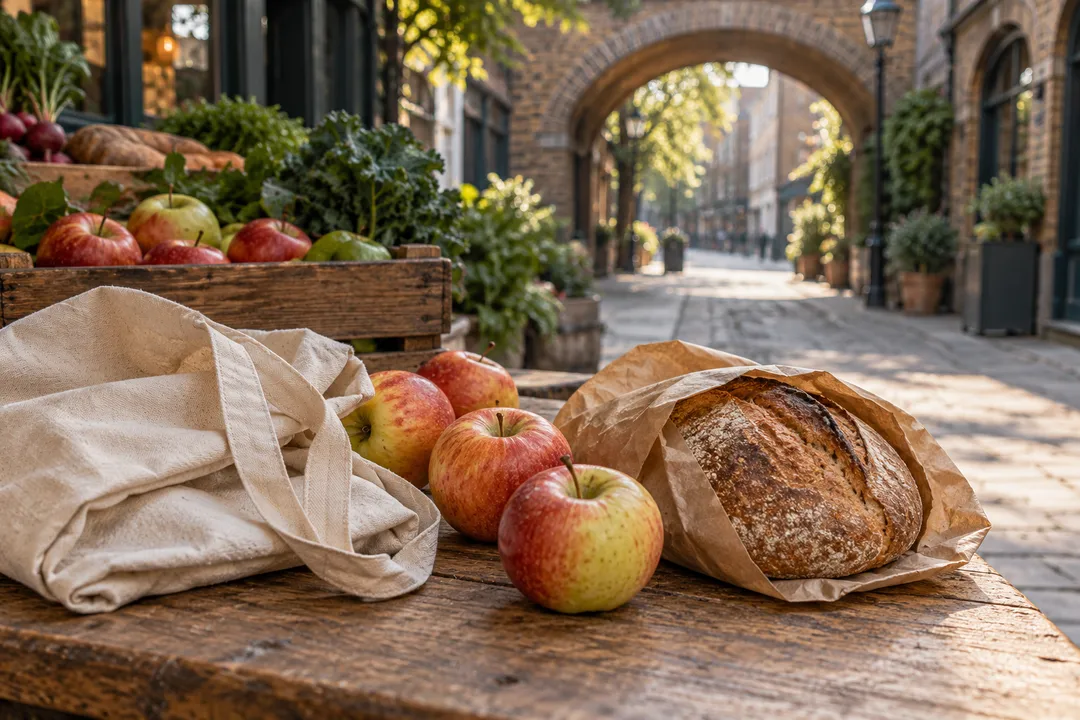
A clear instruction is to show planned spending, optional spending, and any amount still unknown. You can supply a personal ceiling without supplying invented stall prices. Where a seller has not provided a figure, leave that entry blank until you have actual information. The comparison can still explain the tradeoff between a short visit with one meal and a longer visit with several purchases. It should not turn an empty price field into a convenient estimate.
Make queue tolerance explicit
Waiting is part of the experience only when the group has chosen it. Ask each person whether the priority is a particular food or simply having breakfast together. If any suitable meal would do, an impressive queue is a poor reason to stay. Build a personal switching point into the plan, such as leaving a food queue when it would erase the browsing time. Present that threshold as your decision, rather than a prediction about a stall.
Keep a second food option close to the same route, but do not promise that it has seats or immediate service. The practical fallback can be a different kind of break: food to carry away, a shorter snack, or a meal after shopping. Name dietary requirements and whether everyone needs to eat together. These details make the alternatives meaningfully different and prevent the morning from becoming a search for one table that suits every requirement.
Think about what you will carry
A market route changes once you buy something bulky or delicate. Add the bag situation to the request: a small backpack, a wheeled bag, or only what you can carry comfortably. Put breakable purchases near the final leg and consider whether perishable food belongs in a morning followed by another long outing. This is a reason to prefer a simpler route even when a second market offers more choice on paper.
Weather also affects the practical value of a purchase-led visit. Carrying an umbrella and several bags leaves less freedom to browse or eat. Compare a short shopping loop with a more sheltered browsing alternative, and say which part of the experience you would miss in each case. Do not assume every arcade or neighbouring building provides public shelter. The fallback needs an actual destination once you move from comparing ideas to choosing where to go.
Try a request that produces a decision
An example prompt is: “Compare a London market morning for two adults starting from our home station. We mainly want fresh produce, one shared breakfast, and a direct return journey. Give us a shopping-first version and a breakfast-first version. Keep optional purchases separate from food and travel, and explain which version involves less carrying.” Replace the general starting point with your own and add the date before asking for particular destinations.
Read the answer for missing decisions. Has it explained where the meal falls, which visit is shorter, and what happens after a purchase? If both versions contain the same stops in almost the same order, ask for a more distinct alternative. One could emphasise a single market and the other a neighbourhood walk with a smaller shopping stop. More choices are useful only when they reveal a different way to spend the morning.
Practical Notes for the way home
Save the chosen order and meeting point somewhere everyone in the party can access. Keep the final leg visible, especially if one person will leave early or take the purchases home. A paper note is enough when that suits the group. The point is agreement: everyone should know whether breakfast or shopping is the protected part of the outing and which extra stop can disappear without an argument.
At the end, judge the morning by its original purpose. Bringing home the groceries comfortably and having a pleasant meal can be a better result than visiting every suggested stall. If the day starts late, shorten the browsing before removing the journey buffer. Use the comparison to make one choice, then leave enough attention for the market itself. A good plan should become less noticeable once the outing begins.
Ask Karpo for more information.
Keep reading
- Waterloo Cozy Board Game Cafe Finder in South London
 Shoreditch Cozy Board Game Cafe Finder in East London
 Brixton Cozy Board Game Cafe Finder for Warm London Days