 Waterloo Cozy Board Game Cafe Finder in South London
Weekend Plans
London Weekend Activity Comparator: Pick a Family Matinee
Compare a London family matinee with a shorter indoor outing by ages, seats, food, and the trip home. Protect a calm arrival before adding another stop.
For a London family theatre outing, choose the performance around the child and the return journey before adding lunch or another attraction. A weekend activity comparator can help you set a matinee beside an earlier family activity, using the ages, attention spans, and travel limits you provide. Begin in the Karpo APP with the date and the people attending. A plan that gets everyone home comfortably can be more successful than a fuller day with a famous show.
Start with the youngest audience member
Family is not a useful age category on its own. A preschool child, an older sibling, and an adult may want different kinds of performance and tolerate different amounts of waiting. State the children's actual ages and whether they have sat through a performance before. Add anything that affects comfort, such as sensitivity to sudden noise or a need to move regularly. These details belong at the start of the comparison, before a show becomes anybody's favourite.
Distinguish a preference from an admission condition. You can prefer a shorter show, but a published age restriction is a firm boundary. Treat information from the production or theatre as the basis for that decision. If a candidate lacks a stated policy relevant to your child, leave its suitability unresolved rather than treating silence as permission. The planning conversation can compare the information you have without pretending that every production welcomes every age.
Work backwards from the trip home
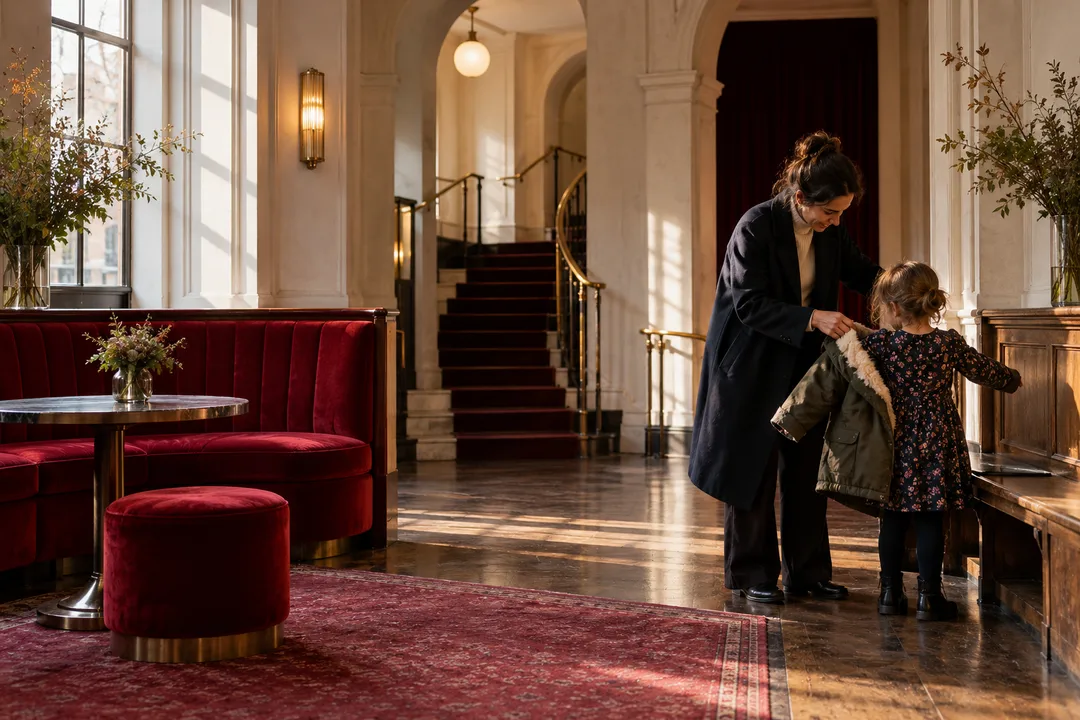
Decide when the family wants to be home and build backwards through the journey, leaving the theatre, and the performance itself. Include the time it takes to collect coats or move through a busy foyer. Those are planning allowances you choose, not reported queue lengths. A matinee can still produce a tiring evening when the venue is far from the final station or the children have already spent the morning travelling.
A useful comparison might put a theatre-only afternoon beside lunch followed by the performance. Make both versions finish at the same place so the difference is clear. Ask which extra part consumes the most energy and which could be removed. Avoid comparing a compact afternoon with an unrestricted full day: the larger plan will always look richer until its travel and recovery time are counted on the same basis.
Compare the seats as well as the story
The title of a production is only part of the purchase. A family also needs to think about sitting together, seeing the stage, and reaching the seats. Keep those concerns separate from a general preference for cheaper tickets. A lower advertised price does not tell you whether the seats available for your party meet its needs. Bring the actual seating choices into the conversation when you have them and describe any restriction that matters.
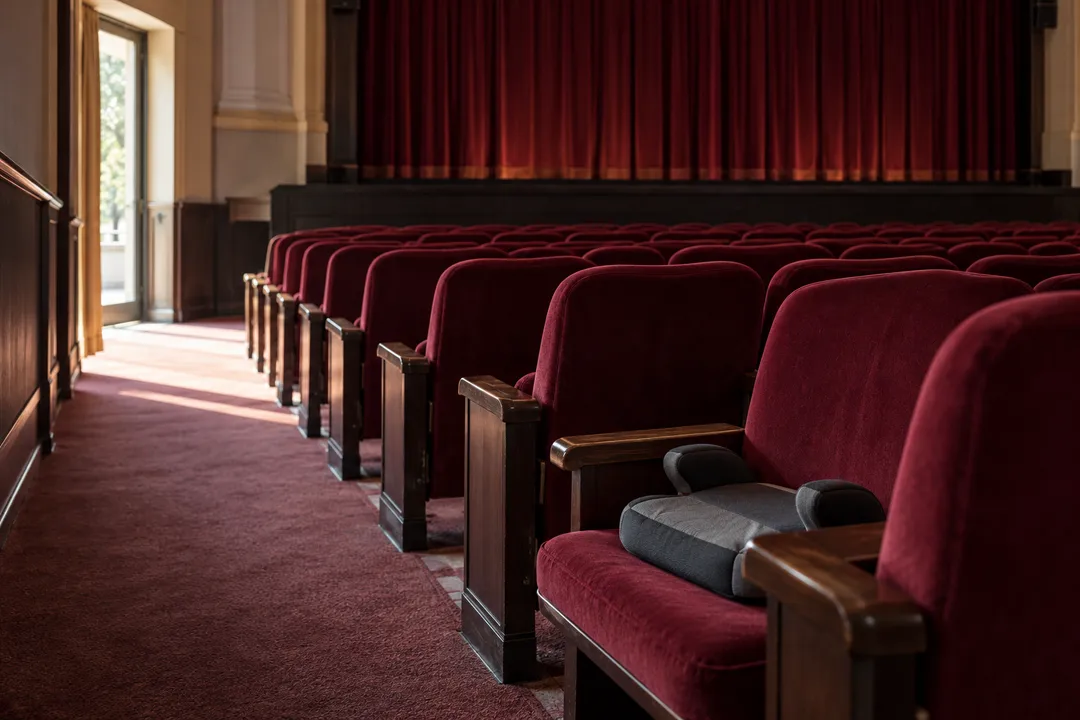
For an adult accompanying more than one child, arriving and leaving together can be a stronger priority than a small saving. For someone who may need a break, access to an aisle could matter more than proximity to the stage. These are examples of personal priorities, not claims about a theatre's layout. Ask Karpo to help compare the options you provide in plain language, and keep the final seat selection with the seller's seating information.
Put food where it reduces pressure
A meal before the show needs its own time, including the journey from the table to the entrance. Tell the assistant whether food is essential before sitting down or whether a snack followed by a later meal works better. Avoid treating an interval as a guaranteed lunch opportunity. A production might have no interval, and the amount of time or food available is a matter for that specific performance rather than a general theatre assumption.
Compare a nearby simple meal with eating earlier near your starting point. The first reduces travel after eating but adds a stop near the arrival deadline. The second can make the final journey less flexible but removes a restaurant decision at the theatre end. Ask which option creates fewer dependencies. Bringing suitable food is another possibility only where the venue's rules permit it; the plan should never quietly assume that outside food can enter the auditorium.
Make late arrival and breaks visible
A curtain time is a deadline, not the moment to arrive at the building. Choose an arrival allowance that fits the party's needs and the instructions on the booking. Then leave it untouched when adding optional activities. If an extra stop removes that allowance, cut the stop. The child gains little from an ambitious morning if the family reaches the entrance rushed and upset before the performance has even started.
Think about a break during the show before it becomes necessary. Where the production publishes information about re-entry, quiet spaces, or access arrangements, use that information in the decision. Do not infer that a seat near a door guarantees readmission. A family may reasonably choose a different activity if a child needs frequent movement and the performance cannot accommodate it. The comparison should make that tradeoff explicit without describing either choice as a failure.
Ask for two genuinely different afternoons
Try this example: “Help us compare a London theatre afternoon with a shorter indoor family outing. Our children are six and ten, and we want to be home for our normal evening routine. Use the performance details we provide, protect an arrival buffer, and include a simple food plan. Show what we give up by choosing the theatre.” The ages are illustrative; substitute your family details and any production information already in hand.
Look for a clear answer about suitability, effort, and timing rather than a persuasive description of the show. An unresolved age policy should remain unresolved, and a ticket suggestion should remain a suggestion until a purchase is complete. If the response adds several attractions, bring it back to the comparison you asked for. One protected experience and a workable journey are sufficient. A planning tool should make the decision easier to discuss with the family.
Practical Notes before the curtain
Keep the booking details, entrance instructions, and agreed meeting point together. The adult carrying the tickets should know the journey, while another adult can handle coats or snacks if that arrangement suits the party. These are simple ways to reduce the number of decisions made in a crowded foyer. Avoid assigning tasks to a child who is already anxious about entering a new space. A calmer arrival supports the experience you have chosen.
After buying tickets, rebuild the afternoon around the actual booking rather than leaving several competing versions in circulation. Keep a nearby low-effort pause optional and give the family permission to go straight home. The performance is the anchor; an extra museum visit is not required to justify travelling into London. The comparison has done its job when the adults understand the compromises and the children have a realistic picture of the afternoon.
Ask Karpo for more information.
Keep reading
- Waterloo Cozy Board Game Cafe Finder in South London
 Shoreditch Cozy Board Game Cafe Finder in East London
 Brixton Cozy Board Game Cafe Finder for Warm London Days