 Camden Korean BBQ Group Dinner Picker: Lockside Feasts
Restaurants
The City Weekday Lunch Meeting Spot Picker for Client Tables
A City of London client lunch goes best when you match the room to the deal, sit down before the noon rush and pick a table where nobody overhears the numbers.
A lunch meeting in the City of London is judged on two things the client will never mention: whether they could hear you, and whether they were back at their desk on time. The Square Mile has centuries of practice at feeding people who do business over a plate, from chop houses down medieval alleys to glossy rooms high above the streets. This weekday lunch meeting spot picker helps you match the room to the conversation, beat the crowd and keep the hour under control.
Start With the Purpose of the Lunch
Before thinking about food, decide what the lunch has to achieve. A first meeting with a prospective client needs a calm, slightly formal room where introductions do not have to be shouted. A long-standing relationship can handle a livelier tavern with bench seating and a bit of noise. A negotiation, a difficult update or anything involving figures calls for a table where neighbours sit far enough away that sensitive details stay between the two of you.
Write the purpose down in one line and let it decide everything else. Bankers, brokers and insurers have been using lunch this way since the coffee houses of the eighteenth century, when ships and cargoes changed hands across shared tables. The setting still sends a message. A white tablecloth says the meeting matters, a bustling chop house says you are comfortable together, and a hurried sandwich on a bench says neither.
Reading the Square Mile's Lunch Rhythm
The City empties and refills on a tight daily schedule. Office workers flood out of the towers in a single wave, and the popular rooms fill almost all at once. If you sit down a little ahead of that surge, you get a better table, a waiter with time to explain the menu and a quieter first course. Arriving in the thick of it means raised voices, slower service and a client checking the time.
Fridays feel different. Many people work from home at the end of the week, and some lanes that heave on a Tuesday become pleasantly quiet. That makes Friday a good choice for a relaxed catch-up but a poor one for showing off a buzzing venue. Mid-week remains the classic slot for a serious client lunch, when the dining rooms are full of people doing the same thing and nobody looks out of place in a suit.
Choosing Between Arcades, Alleys and Towers
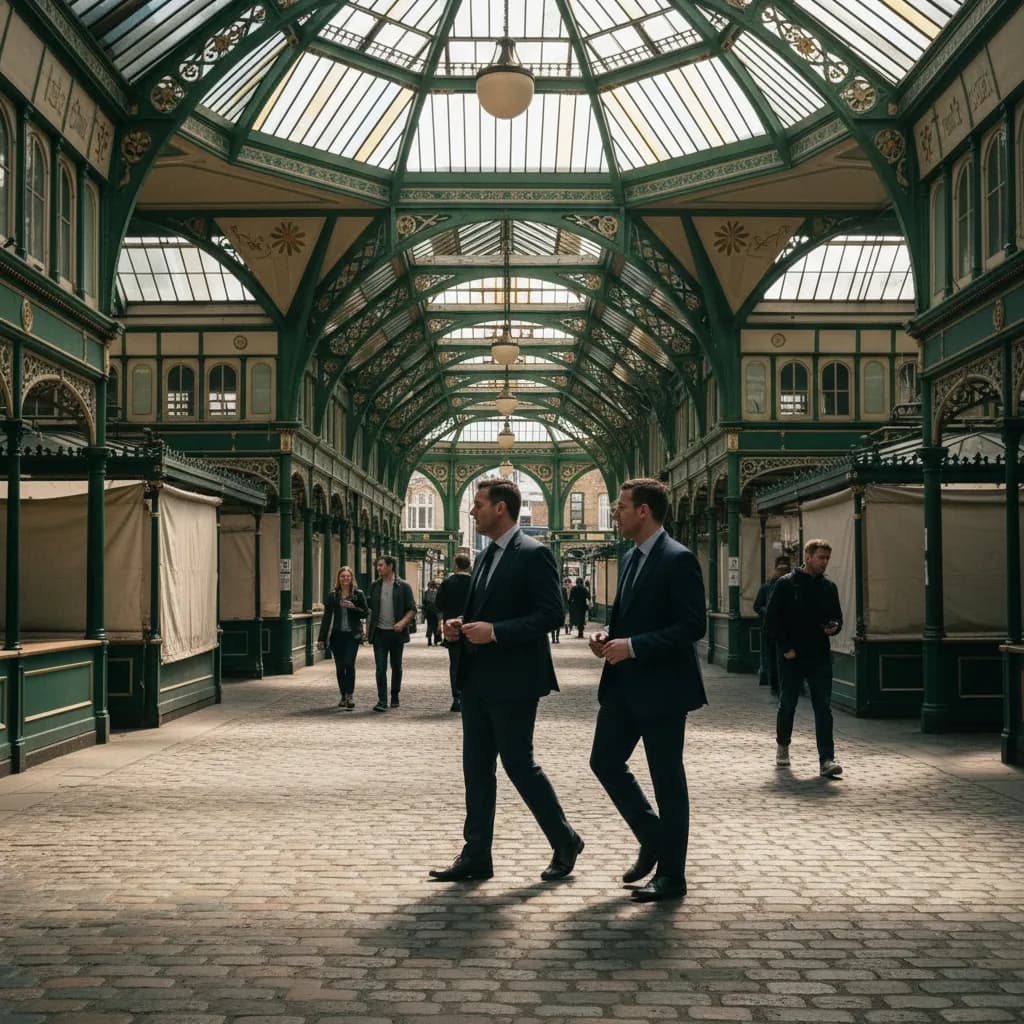
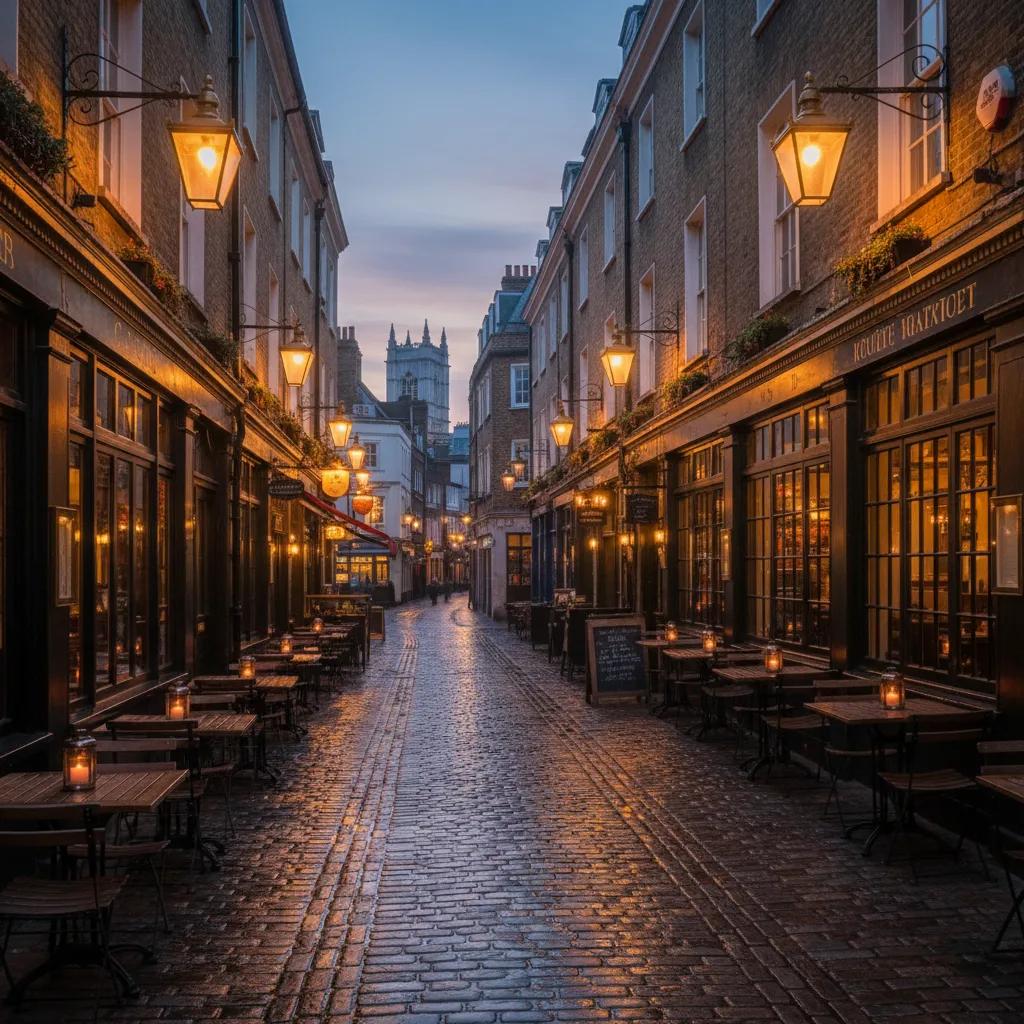
The City offers three broad kinds of lunch setting. The Victorian covered markets, with their painted ironwork and cobbles, are atmospheric and good for a first meeting where the venue itself becomes a conversation starter. The narrow alleys and courts around Cornhill and Bank hide old taverns and chop houses where traditions run deep and the mood is clubby. The modern towers offer polished rooms, views and the most privacy per table.
Match the setting to the guest rather than to your own taste. A visitor from overseas often loves the history of a lane that has fed merchants for generations. A local finance director who eats in the same postcode every day might prefer something calm and efficient over another wood-panelled tavern. When in doubt, ask your guest a single question about how they like to eat, and listen to the answer.
Picking the Right Table, Not Just the Right Room
Even a perfect restaurant can sink a meeting if the table is wrong. Avoid seats next to the bar, the kitchen pass or the door, where noise and draughts interrupt every sentence. A corner banquette lets two people sit at an angle, which feels more collaborative than staring across a narrow table. For three or four people, a round table keeps everyone in the same conversation instead of splitting it into pairs.
If you need privacy, many City dining rooms have small private rooms or semi-private alcoves designed for exactly this kind of lunch. Mention that you will be discussing business when you contact the venue, and staff who handle client lunches every week will usually steer you to the right spot. Arrive a few minutes before your guest so you can claim the seat facing the room and settle in.
Ordering So the Hour Stays Under Control
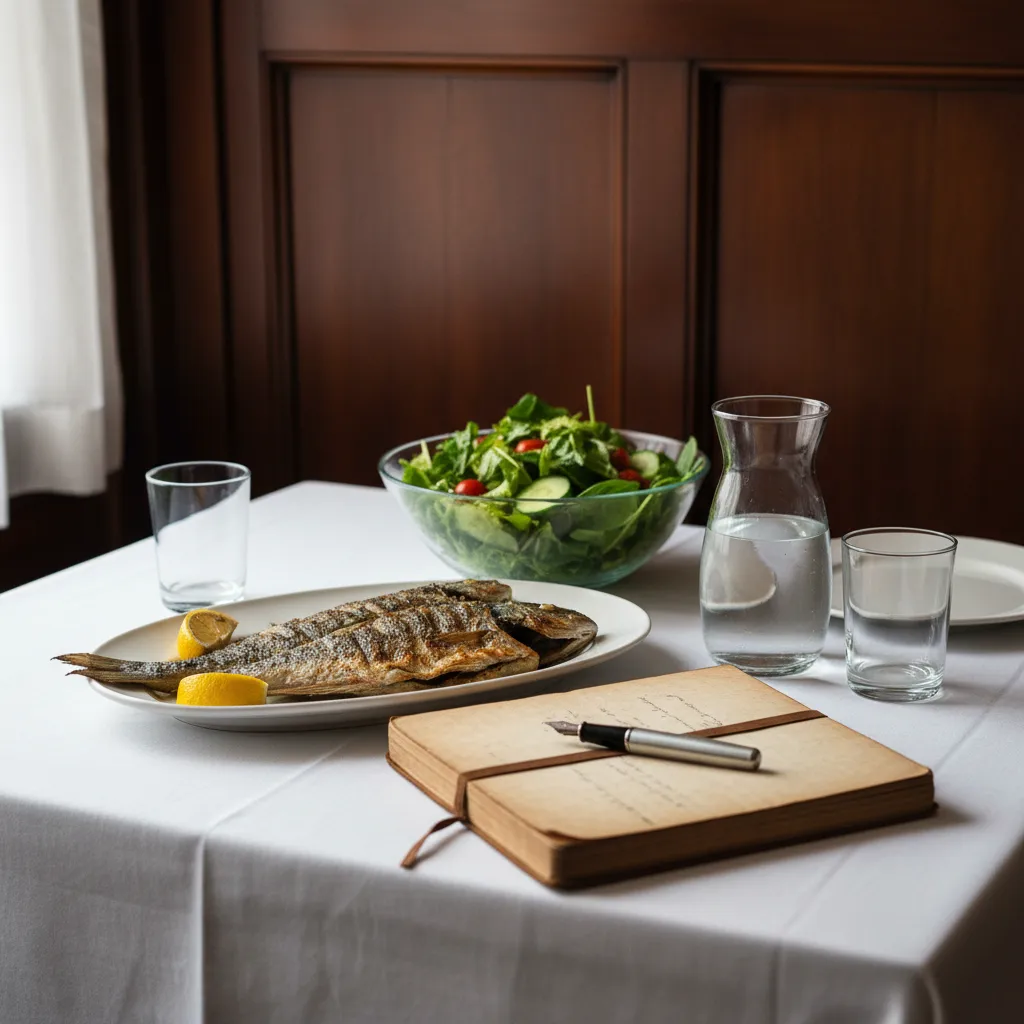
The menu is part of your meeting plan. Dishes that can be eaten neatly with a knife and fork, such as grilled fish, a steak, a risotto or a seasonal salad, let both of you keep talking. Avoid anything that needs elbows, bibs or concentration. If you are hosting, order at a similar pace to your guest, and skip a starter if they do, so neither person sits watching the other eat.
Signal the plan to the waiter early. A simple line about needing to be away within the hour helps the kitchen pace the courses. Many City restaurants serve set lunch menus for this reason, built around speed and predictability. Coffee at the table is a natural closing point, and settling the bill quietly while your guest finishes it is a small courtesy that City regulars notice and appreciate.
Etiquette That Still Matters in the City
Some customs survive because they work. The host pays, and the host is whoever issued the invitation. Phones stay in pockets unless you need to show something relevant. Alcohol at lunch has become far less common than in decades past, so follow your guest's lead and never push a second glass. Sparkling water and a strong coffee are perfectly respectable choices at the most traditional tables.
Keep the business to the middle of the meal. Small talk while you order, the real discussion once the main course arrives, and a brief summary over coffee gives the conversation a natural shape. Follow up with a short note the same afternoon that captures what you agreed. The best City lunches end with both people knowing exactly what happens next.
Walking Off Lunch Around the Old Lanes
If there is a spare ten minutes, a short stroll is a pleasant way to close the meeting. The courts and passages around the old Royal Exchange and the covered markets reward anyone who takes a different way back to the office. Hidden churchyards tucked between modern towers make a calm spot for a final word away from the restaurant noise.
For a guest new to London, pointing out the contrast between medieval street patterns and glass skyscrapers often sparks more conversation than the food. It also gives you a natural way to walk them back towards their station, ending the meeting on your terms rather than at the cloakroom.
Letting Karpo Build Your Shortlist
The Karpo APP helps when you need a few strong options rather than the first name that comes to mind. Describe the lunch in your own words, such as a quiet table for two near Bank where we can talk numbers and be finished within an hour, and Karpo suggests places that fit the brief. You compare them, choose one and keep a second in reserve.
Add the details that matter for this particular guest: dietary needs, a preference for a private corner, a modern or traditional setting, or a short walk from a particular station. The more specific the request, the closer the suggestions match the meeting you have in mind, which leaves you free to prepare the agenda instead of scrolling through endless reviews.
Ask Karpo for more information.
Keep reading
- Camden Korean BBQ Group Dinner Picker: Lockside Feasts
 Holborn Korean BBQ Group Dinner Picker: Midtown Feasts
 Covent Garden Korean BBQ Group Dinner Picker: Shared Tables