 Shoreditch Comic Shop Crawl Planner: Murals to Manga
Hidden Gems & Odd Finds

Islington Watercolor Brush Shape Picker: 3 Tip Profiles
Compare round, flat, and rigger heads with an Islington watercolor brush shape picker before browsing Upper Street lanes and Camden Passage quietly.
Brick storefronts, narrow antique alleys, and quiet residential squares make Islington a calm place to think through painting tools before a midday errand walk. Using a watercolor brush shape picker helps settle a practical question before you step near Upper Street or Camden Passage: which bristle silhouette actually fits the sketchbook work sitting on your table at home rather than looking tempting on a shelf.
Match the brush head to an Islington studio sketch
Start by looking at the paper size and subject sitting in your bag rather than chasing a wall of gleaming ferrules. When you sketch iron railings along Canonbury Square or leafy canal lock brickwork near City Road Basin, your hand shifts quickly between broad translucent pigment pools and fine architectural lines. Thinking through that rhythm ahead of time keeps your brush roll purposeful instead of crowded.
Carry a small swatch scrap from your actual cold-pressed pad or hot-pressed journal when heading out. Paper grain changes how bristles release water and lift dry color, so remembering whether you paint dry architectural impressions, wet-on-wet sky gradients, or soft botanical studies keeps the comparison grounded in real studio habits. Even a few pencil notes on the back of that scrap about which stroke felt cramped yesterday will sharpen your judgment.
Consider how you naturally hold a brush when seated at a kitchen table versus standing beside a garden fence. Long studio handles encourage sweeping shoulder motion for large sheets, whereas balanced mid-length handles sit neatly beside a water jar and ceramic mixing plate in tighter flats around Barnsbury or Canonbury.
Compare pointed rounds, square flats, and nimble riggers
A classic pointed round stays the reliable workhorse for small urban sketches because its belly holds generous moisture while the tip tapers down cleanly for window mullions, wrought-iron gates, and distant chimney pots. Check whether the belly springs back briskly after gentle flexing and holds a crisp needle point without splitting into stray hairs along the outer edge.
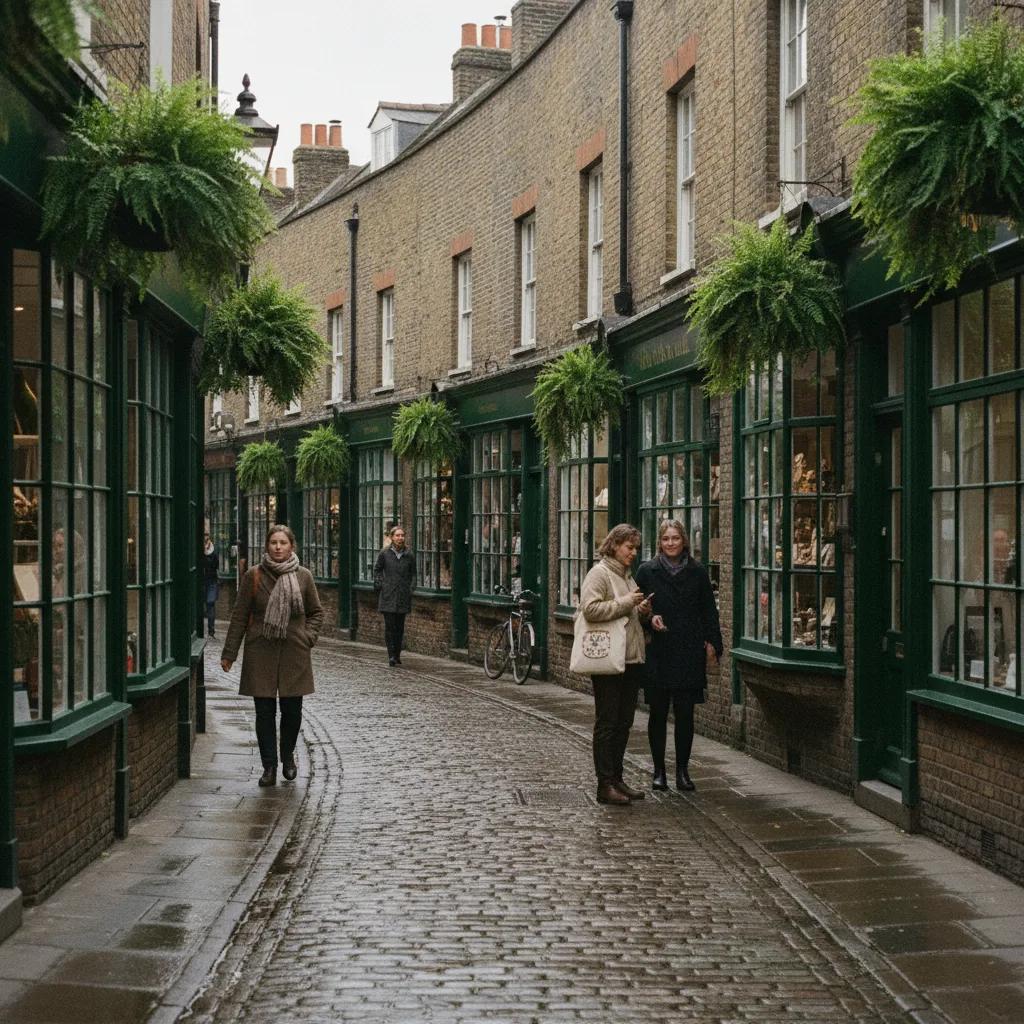
Square flat brushes bring a disciplined chisel edge that shines on Georgian brickwork, dark-green shopfront cornices, and crisp shadow planes cast across damp cobblestones. Turn a flat sideways and you gain a clean vertical line in one confident pull, saving both time and patience when painting door frames, sash panes, or terraced facades.
A long, slender rigger earns its keep whenever delicate rigging lines, overhead tram cables, narrow railings, or bare winter tree branches appear in your composition. Because those extra-long bristles hold a steady bead of dilute pigment, you can glide smoothly across textured cotton rag without breaking stroke mid-branch or reloading every inch.
Test spring, ferrule balance, and moisture hold
While comparing shapes in person where handling is invited, judge handle balance and ferrule seating first rather than picking by handle paint or bristle color alone. A brush whose metal collar wobbles or feels overly tail-heavy tires your fingers halfway through a slow afternoon wash session, turning clean strokes shaky just when glazing matters most.
Notice the difference between firm synthetic snap and softer natural blends. Stiff synthetic filaments lift dry pigment cleanly for crisp highlights and carved window ledges, whereas plush blends release deep washes slowly across sky gradients without leaving hard water blooms behind. Neither material is universally superior; the right pick depends entirely on whether your style relies on layering controlled glazes or lifting bright accents back out.
Pay attention to how quickly a damp tip reforms after a gentle shake in the air. Brushes that regain a unified silhouette without splaying resist frayed edges far longer once exposed to textured cotton paper.
Walk Upper Street, Camden Passage, and Regent's Canal
Islington rewards an unhurried, self-guided stroll where material errands never feel rushed or clinical. After checking nearby creative supply corners, step onto the narrow cobbles of Camden Passage for vintage paper ephemera and bookish inspiration, or wander over toward Regent's Canal towpath to watch canal reflections shift slowly under overcast London skies.
Decide your own pace and stopping points as the afternoon unfolds. A quiet bench beside New River Walk or a sheltered corner off Cross Street lets you jot down notes on which brush shape felt most natural in your hand before picking up anything extra, keeping every purchase tied to actual studio need.
Notice how local brick tones, slate rooftops, and deep foliage shadows shift across the borough in afternoon light. Observing real local palettes directly informs whether you need broader flat edges for masonry planes or finer pointed tips for ironwork and leaf clusters.
Use the Karpo APP for nearby place suggestions
If you want local suggestions while exploring Islington, open the Karpo APP and ask for nearby independent art supply corners or quiet cafe tables along Upper Street. Treat those nearby recommendations purely as helpful starting points while you decide which doors to try, which side streets to wander, and how to connect your own afternoon.
Keeping the app focused on nearby discovery leaves every choice of sequence, pacing, and transport entirely with you, whether you arrive by Tube at Angel or stroll gently south from Highbury Corner with a canvas tote.
Pack a lightweight two-brush trial kit
You rarely need six similar brushes crowding a canvas roll or cluttering a stoneware jar. Pairing one versatile medium round with either a clean half-inch flat or a slender rigger covers luminous sky washes, tidy masonry edges, and fine botanical ink-like accents without weighing down your pocket or distracting you with endless tool swaps.
Once back at your desk, run a single three-minute wet-on-wet test strip alongside a dry-brush edge drill with each new brush head. Seeing how cleanly pigment flows from belly to point, and how crisply the tip reforms after thorough rinsing in cool water, confirms immediately whether your Islington outing solved the exact gap in your paintbox.
Store clean brushes horizontally on a breathable mat or upright with bristles pointing upward once thoroughly dry, protecting delicate points from accidental bends inside packed drawer organizers and keeping every Islington sketching session crisp.
Taking an extra moment to check how your thumb rests along the lacquered shaft prevents cramped knuckles during quiet canal sketching afternoons across North London.
Ask Karpo for more information.
Keep reading
- Shoreditch Comic Shop Crawl Planner: Murals to Manga
 Bermondsey Comic Shop Crawl Planner: Zines Under the Arches
 Clapham Comic Shop Crawl Planner: Charity Shelves and Common